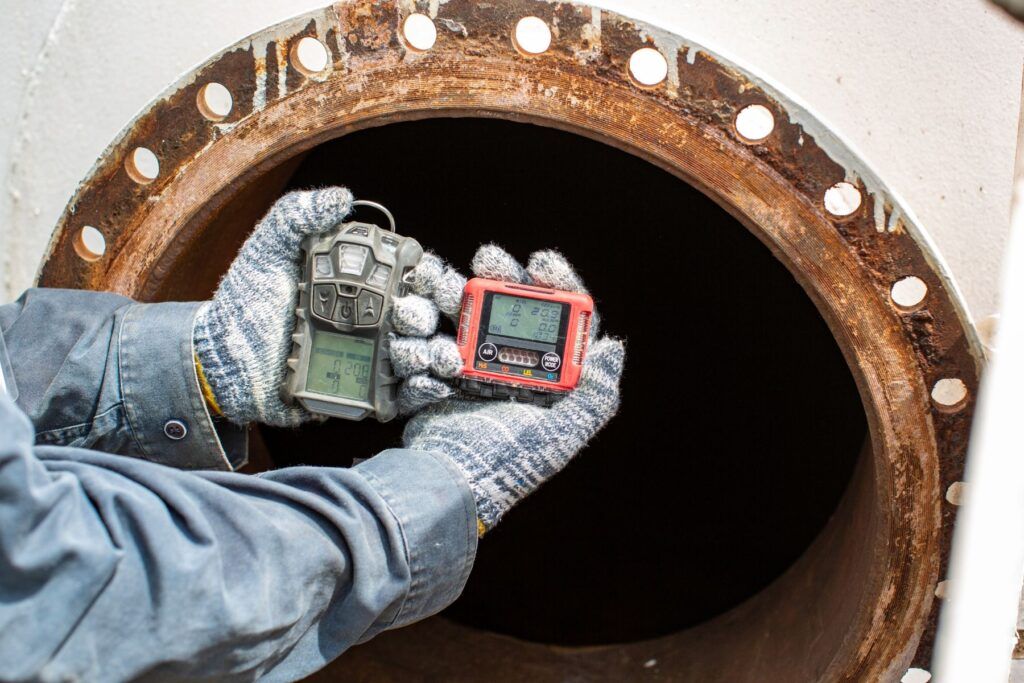

Fugitive emissions monitoring makes it possible to detect and control, in real time, unchannelled leaks of industrial gases such as methane (CH4)Methane, known chemically as CH4, is a gas that is harmful to the atmosphere and to living beings because it has a high heat-trapping capacity. For this re...
Read more, volatile organic compounds (VOCs), hydrogen sulphide (H2S)Hydrogen sulphide (H2S), also known as hydrosulphuric acid or sewer gas, is a gas unmistakable due to its characteristic rotten egg smell, noticeable even ...
Read more, ammonia (NH3)Invisible yet powerful: ammonia (NH3) is a colourless gas which, although naturally present in the atmosphere in small amounts, can become an unwelcome ene...
Read more or sulphur dioxide (SO2)Sulphur dioxide (SO2) is a colourless gas with a pungent odour that causes an irritating sensation similar to shortness of breath. Its origin is anthropoge...
Read more at refineries, chemical plants, oil and gas facilities, biogas plants, landfills and wastewater treatment plants. Through sensor networks, LDAR (Leak Detection and Repair)LDAR programmes are technical plans for detecting and repairing industrial fugitive emissions that allow operators to locate, measure, prioritise and corre...
Read more programmes, perimeter monitoring and traceable data analysis, companies can identify emission sources, reduce product losses, prevent environmental and safety risks, and strengthen regulatory compliance with frameworks such as the EPA, Method 21, MRV and the EU Methane Regulation.
The impact of measurement becomes clear in settings where diffuse emissions stop being a hypothesis and turn into a manageable data set. At the Valdemingómez landfill, in Madrid, a monitoring network for odorous gases deployed across the perimeter and surroundings of the site made it possible to correlate concentrations, weather conditions and likely sources of offensive odours. As a result, complaints about offensive odours fell from 4,806 in 2018 to 601 in 2025. Beyond detecting episodes, continuous fugitive emissions monitoring provides the evidence needed to intervene faster and explain objectively what is happening.
This article looks at what fugitive emissions are, where they occur most often and which airborne pollutants are worth monitoring. It also covers the main detection methods (from LDAR inspections and portable instruments to networks of professional sensors running continuously), the role of perimeter monitoring, the regulatory requirements, and how a real-time data network helps strengthen early detection, traceability and environmental decision-making.
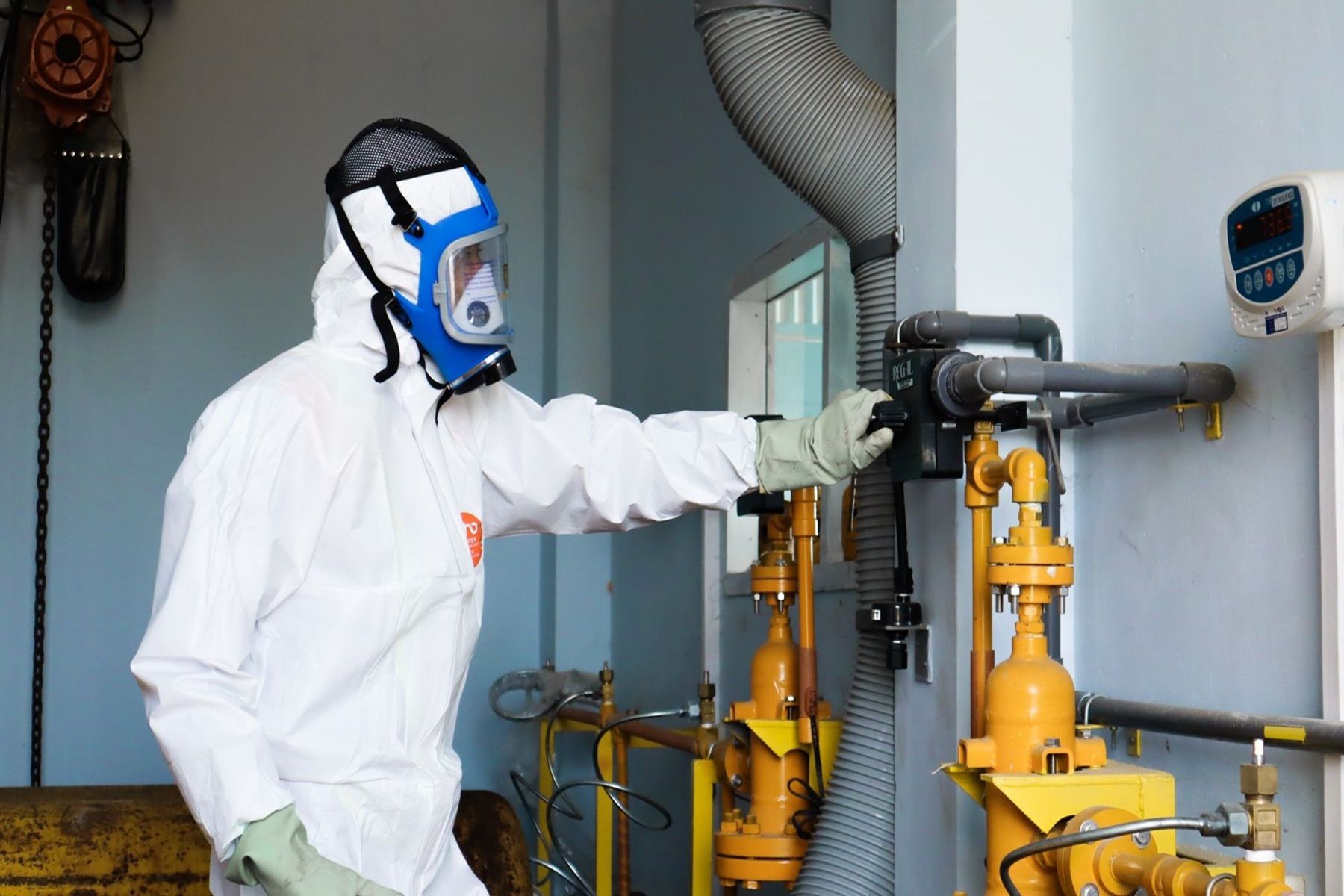
With continuous data, fugitive emissions become an operational signal that can be monitored, analysed and anticipated before they escalate.
What fugitive emissions monitoring is
Fugitive emissions monitoring is the set of techniques and systems used to detect, measure and manage uncontrolled releases of gases or particulate matter from an industrial facility. Unlike channelled emissions (those released through a stack or an identified duct), fugitive emissions can escape through multiple points, such as valves, flanges, gaskets, pumps, tanks, loading and unloading equipment, pipework or open-air process areas.
Air Quality Innovation in Just 1 Click
Stay informed about the air you breathe!
Subscribe to our newsletter to receive the latest updates on environmental monitoring technology, air quality studies, and more.
Their complexity lies in the fact that they do not come from a single emission source, nor do they follow a stable pattern. A leak can be intermittent, vary with pressure, temperature or the condition of a piece of equipment, and disperse unpredictably depending on weather conditions. Because of this, a single measurement can confirm that a problem exists, but it does not always reveal when it started, how long it lasts, how it evolves or which source is causing it.
Monitoring these emissions means turning a diffuse phenomenon into information that is useful for operations. The goal is not simply to locate a leak. It is about having the data to prioritise inspections and repairs, reduce product losses, prevent exposure and offensive odours, document environmental performance and respond to regulatory requirements. To achieve this, fugitive emissions detection combines complementary methods, such as leak detection and repair (LDAR) programmes, portable instruments, optical gas imaging cameras and networks of sensors that provide continuous data.
Continuous monitoring does not necessarily replace mandatory inspections. Its value lies in covering the interval between campaigns by identifying changes in concentration, detecting anomalous episodes and generating a traceable data series that helps decide where to intervene. An emission that is only observed at a single point in time cannot really be managed; measuring continuously makes it possible to move from reacting to a leak to anticipating it, catching it before it becomes a problem.
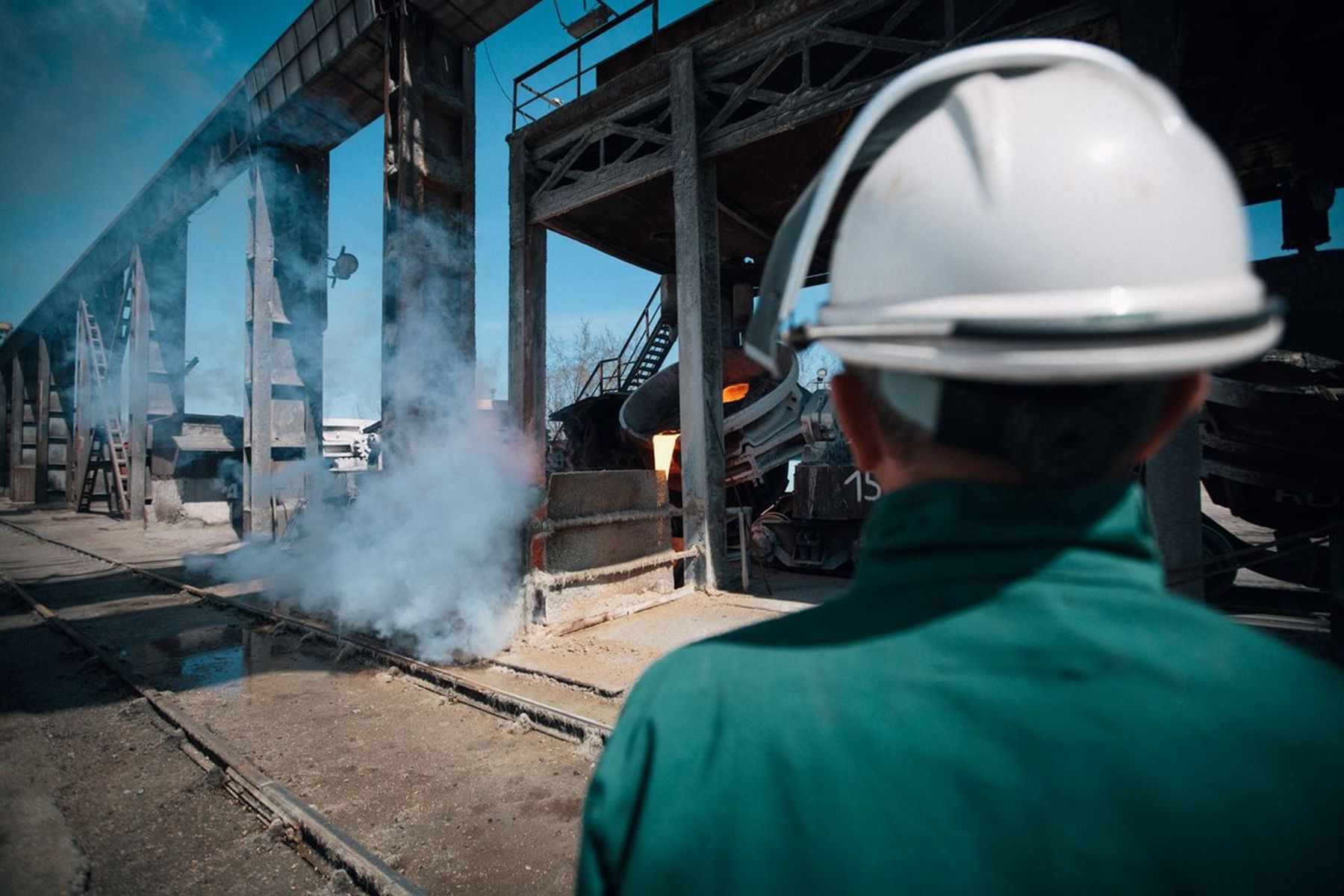
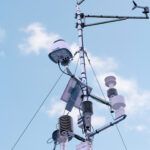
The perimeter monitoring network places sensors at the outer boundary of the site to detect the cumulative effect of all fugitive emissions before they reach the surrounding environment.
Main sources of fugitive emissions in industrial facilities
The main difficulty with fugitive emissions is that they do not originate at a single point, nor do they follow a uniform pattern. Each type of industrial facility has its own critical hotspots, depending on its processes, equipment and materials. Identifying where the risk is concentrated is the first step in designing an effective monitoring strategy.
Oil and gas facilities
Fugitive emissions in the oil and gas sector occur throughout the entire production chain, from extraction to processing, storage and transport. Valve and flange seals, compressors and pumps, storage tanks and distribution lines are the points most prone to leaks, owing to wear, seal failures or pressure fluctuations. An estimated 2% of the gas entering the distribution network can be lost as fugitive emissions before it reaches the end consumer, which makes early detection both an operational and an economic priority. The main pollutants associated with this industrial activity include CH4, VOCs, H2S and NOx, together with particulate matter from combustion processes.
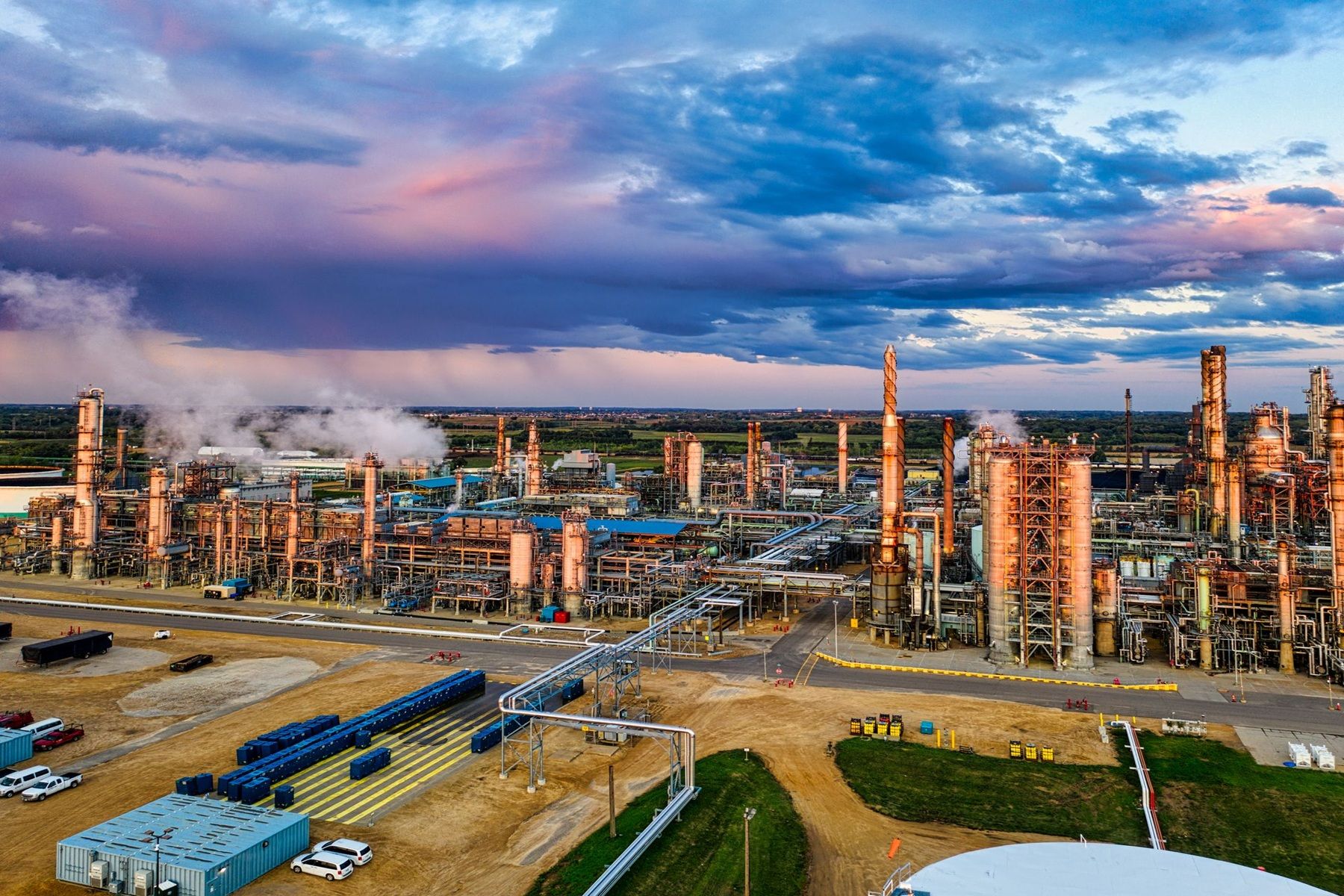
Refineries and petrochemical plants
Refineries combine fixed-point emissions with those from diffuse sources distributed throughout the plant, which makes them particularly complex facilities to monitor. Valves, flanges, storage tanks, compressors and flare systems can release gases continuously or intermittently.
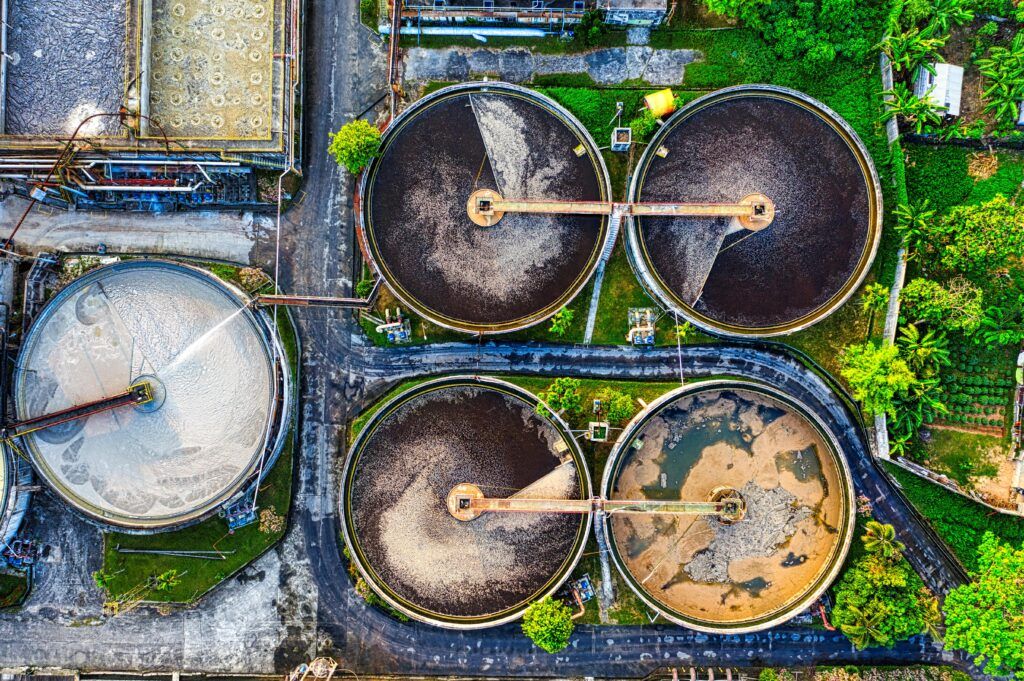
Biogas plants, landfills and wastewater treatment plants
At facilities that handle organic matter, such as landfills and wastewater treatment plants, anaerobic digestion and waste decomposition generate biogas, made up largely of methane (with a global warming potential around 28 times higher than CO2), which is the main contributor to its climate impact.
In Oman, Nama Water Services (NWS), one of the country’s largest public companies, has deployed a network of 28 Kunak AIR Pro stations fitted with H2S, NH3 and VOC sensors across multiple wastewater treatment plants in different cities. The company had identified recurring odour episodes in communities near its facilities, caused by sulphur compounds, ammonia and VOCs, and needed a reliable, versatile and continuous monitoring system that would let it compare performance across plants, support decisions with objective data and ensure full traceability for internal environmental reporting.
Continuous measurements revealed recurring H2S peaks linked to the arrival of septic influent at specific times, which allowed targeted adjustments to headworks ventilation systems and chemical dosing strategies, reducing both the intensity and frequency of the recorded odour episodes. Thanks to the stations’ energy autonomy (solar panels and batteries) and their portable design, NWS was able to rotate equipment between plants according to operational priorities, comparing performance across facilities under demanding weather conditions and maintaining continuous, traceable environmental records for regulatory support.
This approach breaks a pattern seen across many waste treatment plants: the lack of real-time data distributed across emission hotspots. As a result, leaks of gases with offensive odours and methane stay invisible until they cause a perceptible impact beyond the industrial site.
Wastewater treatment plants emit more fugitive methane than landfills and biogas plants, partly because current estimation methods do not always properly account for recovered methane. Gil-García, D. et al. (2024).
Chemical and manufacturing industries
In cement plants, metalworking, mining, pulp and paper, fertiliser plants or pharmaceutical facilities, fugitive emissions arise from a wide range of processes, from opening containers, transferring materials and mixing waste to sealing process equipment. For example, opening containers and mixing waste with acidic content can generate fugitive emissions of hydrogen chloride (HCl)Hydrogen chloride (HCl) is an inorganic compound that, under normal temperature and pressure conditions, appears as a colorless gas with a sharp, irritatin...
Read more that are difficult to anticipate without continuous monitoring.
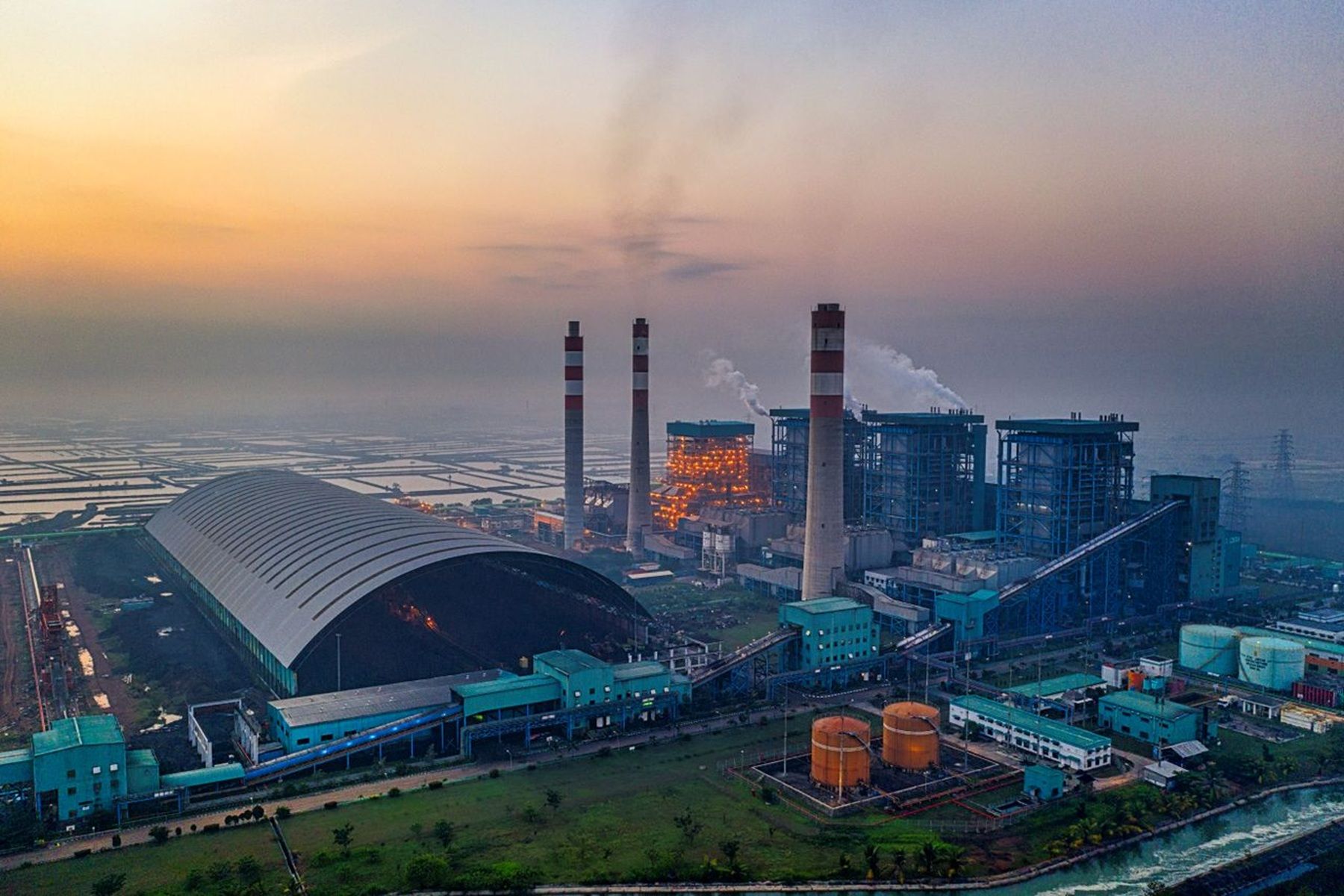
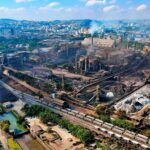
Early detection of fugitive emissions reduces the time they remain active.
Key pollutants in fugitive emissions monitoring
Not all the gases that make up fugitive emissions carry the same type of risk. Some are linked to climate changeClimate change is the long-term shift in the Earth's climate conditions. It originates from natural factors, but today it is accelerating mainly because of...
Read more, others affect human health, and others compromise operational safety or damage industrial infrastructure. Understanding their sources and chemical behaviour is essential for designing monitoring networks that can respond effectively to each industrial reality.
Methane (CH4)
Methane is the priority pollutant in fugitive emissions from oil, gas, biogas and landfill facilities, with a global warming potential 25 to 28 times higher than CO2 over a 100-year horizon. It typically comes from leaks at valves, compressors, digesters and natural gas pipework, where early detection reduces the climate impact while also avoiding direct economic losses of product.
Volatile organic compounds (VOCs)
VOCs, among which benzene, toluene and xylene stand out, are emitted mainly at refineries, petrochemical plants and solvent-handling facilities, and are associated with both environmental risks and carcinogenic and respiratory effects from prolonged exposure. Their volatile nature and their ability to escape in small quantities through seals and gaskets make them one of the indicators most widely used to validate LDAR programmes.
Hydrogen sulphide (H2S)
H2S is one of the most characteristic gases at facilities that handle organic matter under anaerobic conditions, such as wastewater treatment plants, landfills and certain refining units. It is recognisable by its characteristic rotten-egg smell, perceptible even at very low concentrations. Besides its acute toxicity, it is a highly corrosive gas for metal structures, which makes it a priority pollutant both for worker safety and for equipment integrity.
In the presence of H2S, surface sulphides slow down corrosion, but absorbed diffusible hydrogen (62-70%) embrittles the steel, which makes controlling fugitive emissions a double priority: mitigating corrosion and preserving mechanical strength. Khoma, M.S. et al. (2024).
Ammonia (NH3), sulphur dioxide (SO2) and other gases
Ammonia is released mainly during aeration, sludge dewatering and the biological breakdown of nitrogen compounds. It is an irritant gas for the respiratory tract that also contributes to the formation of secondary PM2.5 particles.
Sulphur dioxide, on the other hand, is generated in combustion processes with high sulphur content and in industrial flares. Together with H2S, it is one of the most characteristic pollutants in perimeter monitoring at refineries and petrochemical plants. At landfills, these gases usually appear combined with methane and CO2, which requires networks capable of monitoring several pollutants simultaneously to get a full picture of how the facility is behaving.
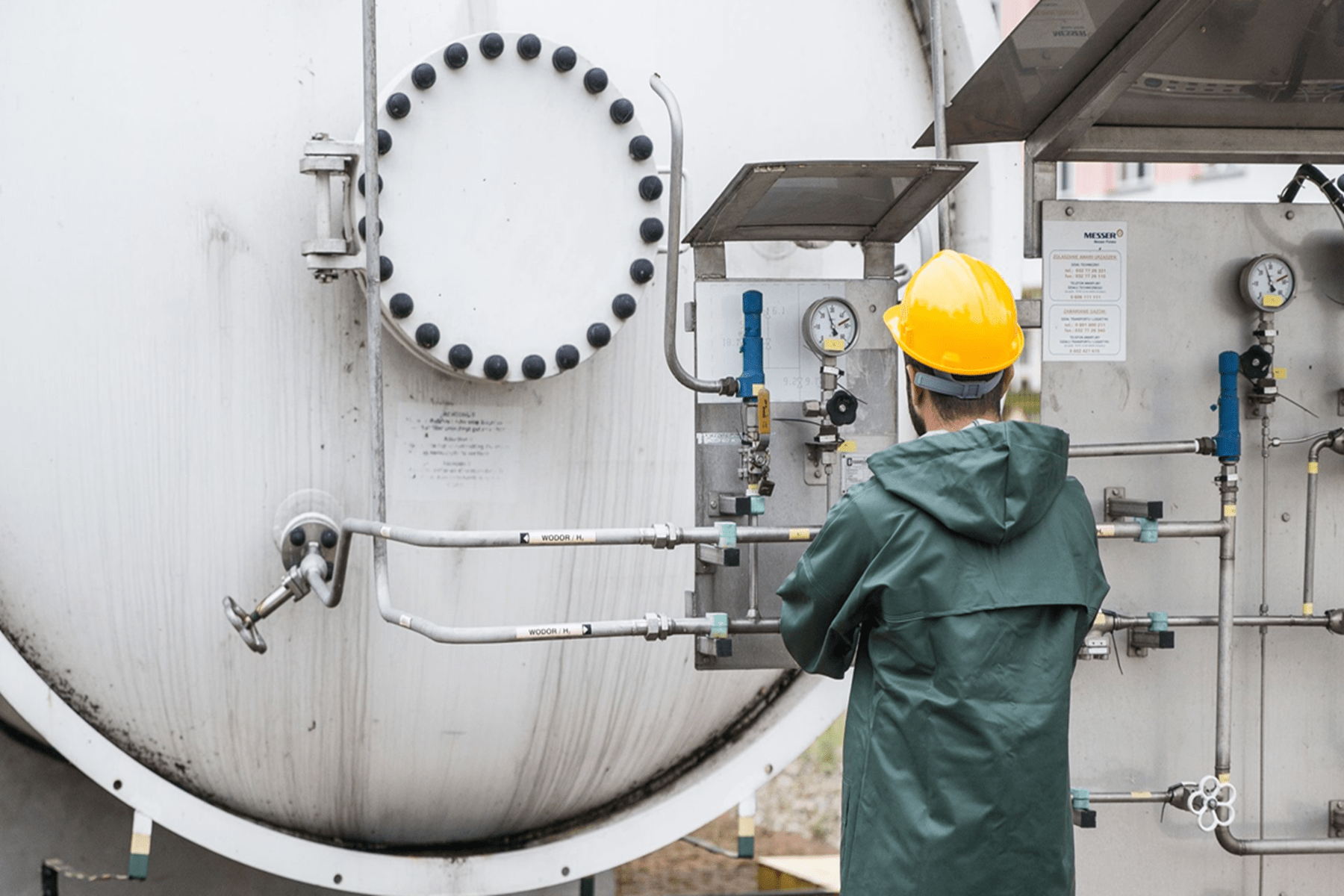
Although continuous monitoring is no substitute for LDAR programmes or OGI camera inspections, it covers precisely that gap between inspections.
Fugitive emissions detection methods
There is no single method capable of covering every detection need for fugitive emissions. Periodic inspections, portable instruments and continuous sensor networks each serve a different function and, in practice, work best when combined.
LDAR inspections
LDAR programmes are structured technical plans for detecting, quantifying, prioritising and repairing gas or VOC leaks at specific components of a facility, such as valves, flanges or connectors. Their logic is based on periodic campaigns (quarterly, half-yearly or annual, depending on the applicable regulation) carried out by field teams using concentration detectors. The structural limit of this method is the interval between inspections; it locates the problem, but only at the specific moment of the review, leaving everything that happens between two campaigns uncovered.
OGI cameras and portable detectors
Optical gas imaging (OGI) cameras make it possible to visualise leaks invisible to the naked eye, detecting hundreds of emitted compounds (including methane and VOCs) from a safe distance and without needing to halt industrial operations.
It is the technique most widely used by field analysers within traditional LDAR inspections, since it allows large sections of equipment to be scanned quickly and the source of a leak to be identified visually. Its main contribution is the precise, visual location of the leak point, although, like the LDAR system itself, it works as a snapshot of the moment of inspection rather than continuous surveillance.
Continuous sensor-based monitoring
Continuous monitoring using high-performance professional sensor systems solves the temporal limitation of LDAR systems and OGI cameras. Instead of producing a single snapshot, it generates an uninterrupted data series that makes it possible to identify emissions even at low concentrations and on an intermittent basis, something traditional methods do not cover.
Kunak AIR stations incorporate electrochemical technologies, optical sensors, NDIR and even tunable diode laser spectroscopy (TDLAS) to precisely measure gases such as methane, even in high-humidity environments like those found at wastewater treatment plants. With their patented interchangeable cartridge system, these stations can simultaneously measure gases such as CO, NO, NO2, O3, SO2, CO2, H2S, CH4, VOCs, NMHC, NH3, HCl, HCN, HF and O2, offering enough spatial coverage to identify critical points, with measurements comparable to reference-grade standards, an early-warning system and integration with environmental management platforms.
Perimeter monitoring networks
While LDAR identifies and repairs leaks component by component through periodic inspections, a perimeter monitoring network places sensors along the outer boundary of the facility to capture the cumulative effect of all diffuse emissions before they reach the surrounding area.
Kunak technology makes it possible to deploy these perimeter monitoring networks through a multi-tier architecture (source, perimeter and process) with time resolutions of between 1 and 15 minutes, integrated weather data and continuous transmission to the Kunak Cloud platform. This combination makes it possible to reconstruct the direction and magnitude of each emission episode, generate multi-level alarms with tiered response protocols, and maintain traceable, georeferenced time series to demonstrate regulatory compliance to the authorities.
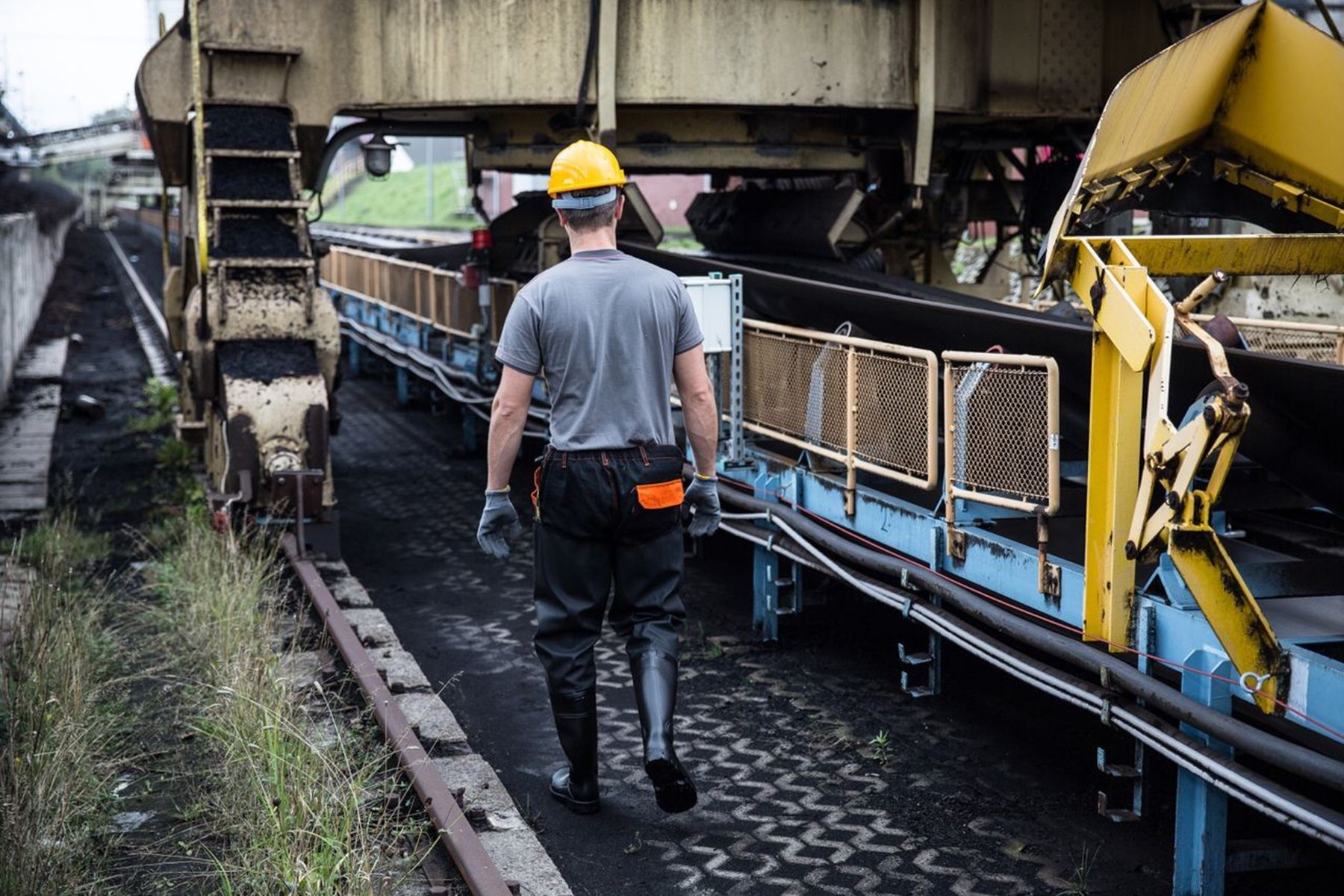
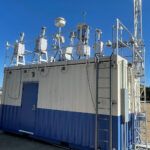
There is no single method capable of meeting all detection requirements for fugitive emissions.
Why continuous monitoring improves fugitive emissions control
Periodic inspections and portable instruments remain essential tools for detecting fugitive emissions, but they share the structural limitation of capturing only what happens at the moment of measurement.
The gap between campaigns has measurable consequences. While LDAR programmes with three inspections a year reduce detected emissions by 51% at compliant facilities, independent aerial measurements at the same sites found up to 12 times more methane emissions than LDAR had detected. Wilde, Tyner and Johnson (2025).
Between two inspection campaigns, any new leak can remain active, undetected and unrecorded, for much of the facility’s operating cycle. That time gap carries a direct economic and environmental cost.
Although continuous monitoring does not replace LDAR programmes or OGI camera inspections, it covers exactly that blind spot. By deploying fixed sensors that record data without interruption, it becomes possible to detect emissions even at low concentrations and on an intermittent basis, a pattern common in industrial leaks that traditional methods, focused on specific moments in time, fail to capture.
The change brought about by continuous monitoring is not just technological, it is a shift in operational approach. Without continuous data, managing a leak or an odour episode necessarily becomes reactive. Action is taken only once there is a complaint, a safety alarm, a health issue or a penalty.
This ability to anticipate translates into real, concrete benefits:
- Early leak detection, which reduces the time emissions remain active.
- Identification of emission patterns, linking peaks to specific processes and operating conditions.
- Optimisation of LDAR campaigns, prioritising inspections where and when the risk is actually present.
- Reduction of product losses and improved operational efficiency.
- Generation of traceable, defensible data for audits, inspections and regulatory reporting.
New-generation methane sensors, with sensitivities of up to 2 ppm and a correlation with TDLAS of R2 = 0.95 (an agreement very close to the precision of a laboratory instrument, but at a much lower cost), have opened the door to multipoint networks distributed around a facility’s perimeter at a significantly lower cost than traditional technologies. Integrated into stations compatible with multi-gas cartridges and connected to a cloud platform, these sensors make it possible to combine methane measurements with other relevant pollutants, automatic threshold alerts and the generation of technical reports ready for authorities or stakeholders.
At industrial facilities handling hazardous substances, the continuous monitoring approach is both an operational improvement and a regulatory requirement. The Seveso Directive requires continuous monitoring systems capable of detecting leaks or accidental releases that could affect air qualityAir quality refers to the state of the air we breathe and its composition in terms of pollutants present in the atmosphere. It is considered good when poll...
Read more, with real-time alerts that enable a rapid response to any potential risk.
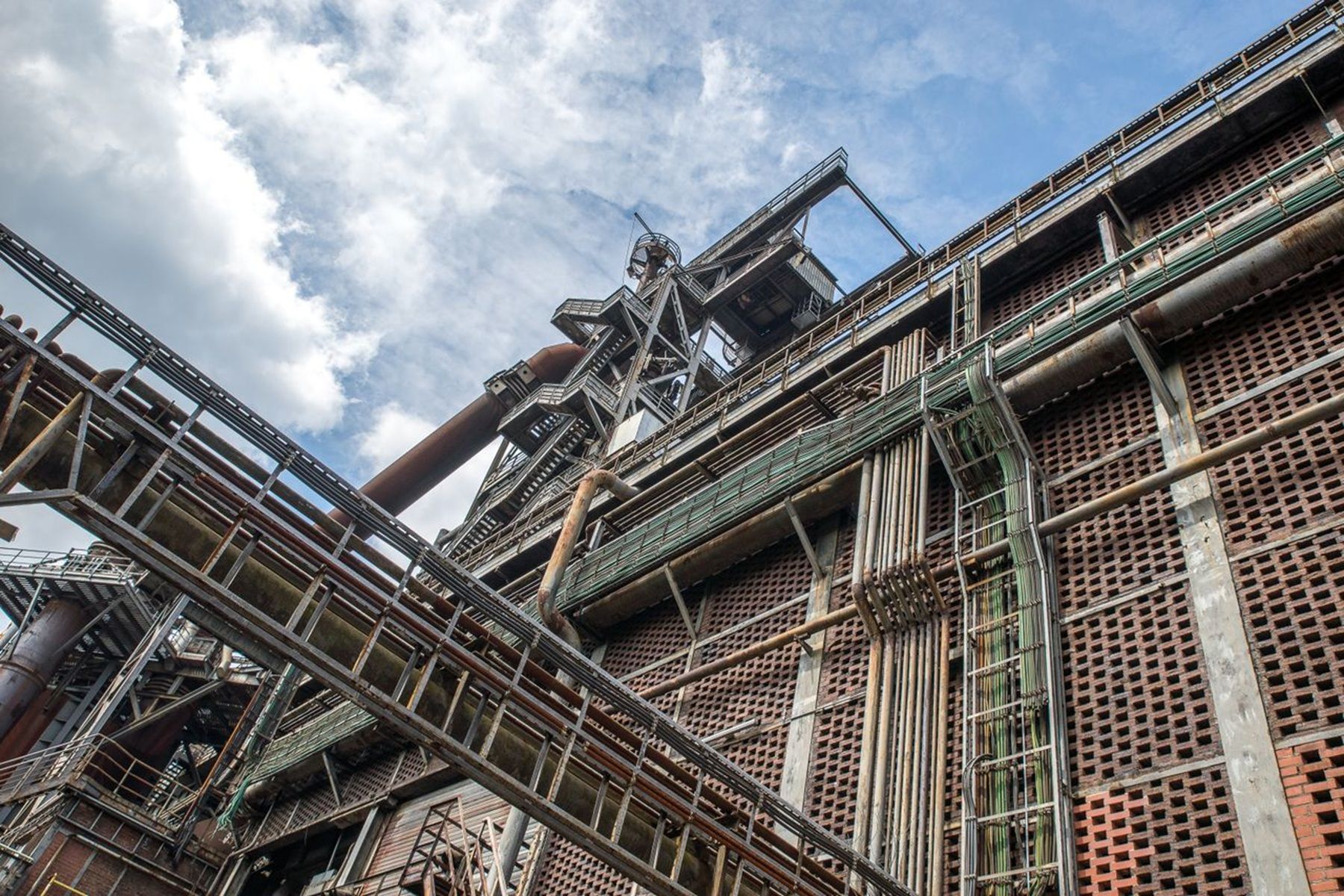
Periodic inspections and portable equipment both share the inherent limitation of capturing only what is happening at the time of measurement.
Fugitive emissions monitoring and regulatory compliance
Fugitive emissions are not only an environmental and operational risk, they are also an increasingly regulated area, with specific regulatory frameworks in the United States and the European Union that require verifiable measurement, control and reporting.
EPA requirements and LDAR programmes
In the United States, fugitive emissions regulation originates in the Clean Air Act (CAA), which sets the baseline legal framework for industrial control. Building on this, the EPA has developed specific standards:
- NSPS (New Source Performance Standards), with specific LDAR requirements by sector (refining, organic chemicals, natural gas distribution).
- NESHAP (National Emission Standards for Hazardous Air Pollutants), which set leak thresholds and repair deadlines by component type and compound.
- RCRA (Resource Conservation and Recovery Act), Parts 264 and 265 of 40 CFR Part 60 (US Code of Federal Regulations, Title 40, Protection of the Environment), sets equipment leak standards applicable to hazardous waste treatment, storage and disposal facilities.
- Method 21 of the EPA is the RCRA’s reference measurement methodology for LDAR programmes, used to detect VOC leaks at valves, flanges, pump seals and connectors, setting typical thresholds of 500 ppmv above background for valves under NSPS Subpart VVa or 10,000 ppmv for components under earlier regulations.
- SIPs (State Implementation Plans): many states incorporate federal LDAR requirements by reference or set stricter requirements based on their own air quality targets.
EU Methane Regulation and MRV obligations
In the European Union, the regulatory framework for fugitive emissions is built on two complementary levels. On one hand, the Industrial Emissions Directive (IED, Directive 2010/75/EU, revised by Directive 2024/1785/EU) and the sector-specific Best Available Techniques (BAT/BREF) reference documents set out the general requirements for managing and controlling fugitive emissions applicable to any facility holding an integrated environmental permit, regardless of the pollutant or industrial sector.
On top of that horizontal baseline, Regulation (EU) 2024/1787 adds a specific and more demanding framework for methane in the oil, natural gas and coal sectors, establishing a comprehensive measurement, reporting and verification (MRV) system applicable to both European operators and importers of fossil energy from third countries. The regulation requires operators to quantify emissions at both source and site level, to carry out periodic LDAR campaigns and to submit annual inventories independently verified.
A key principle of this regulation is that LDAR campaigns must prioritise the rapid detection and elimination of leaks over their mere quantification, increasing inspection frequency at higher-risk components and establishing that every leak, regardless of size, must be examined, since small ones can grow into large ones. Non-compliance can result in penalties of up to 20% of a company’s annual turnover.
Industrial reporting, traceability and ESG transparency
Beyond strict regulatory compliance, fugitive emissions directly affect the indicators required by sustainability frameworks such as the CSRD (Corporate Sustainability Reporting Directive) or the Eco-Management and Audit Scheme (EMAS), particularly when the process involves methane or other greenhouse gasesGreenhouse gases (GHGs) are natural and anthropogenic gases that trap heat in the Earth's atmosphere, regulating the planet’s temperature. However, when th...
Read more. A well-instrumented fugitive emissions monitoring programme delivers two high-value ESG assets:
- Transparency, through traceable, auditable data that is comparable over time.
- Quantifiable reduction, expressed in specific KPIs such as the leak rate or the trend in active leak points over time.
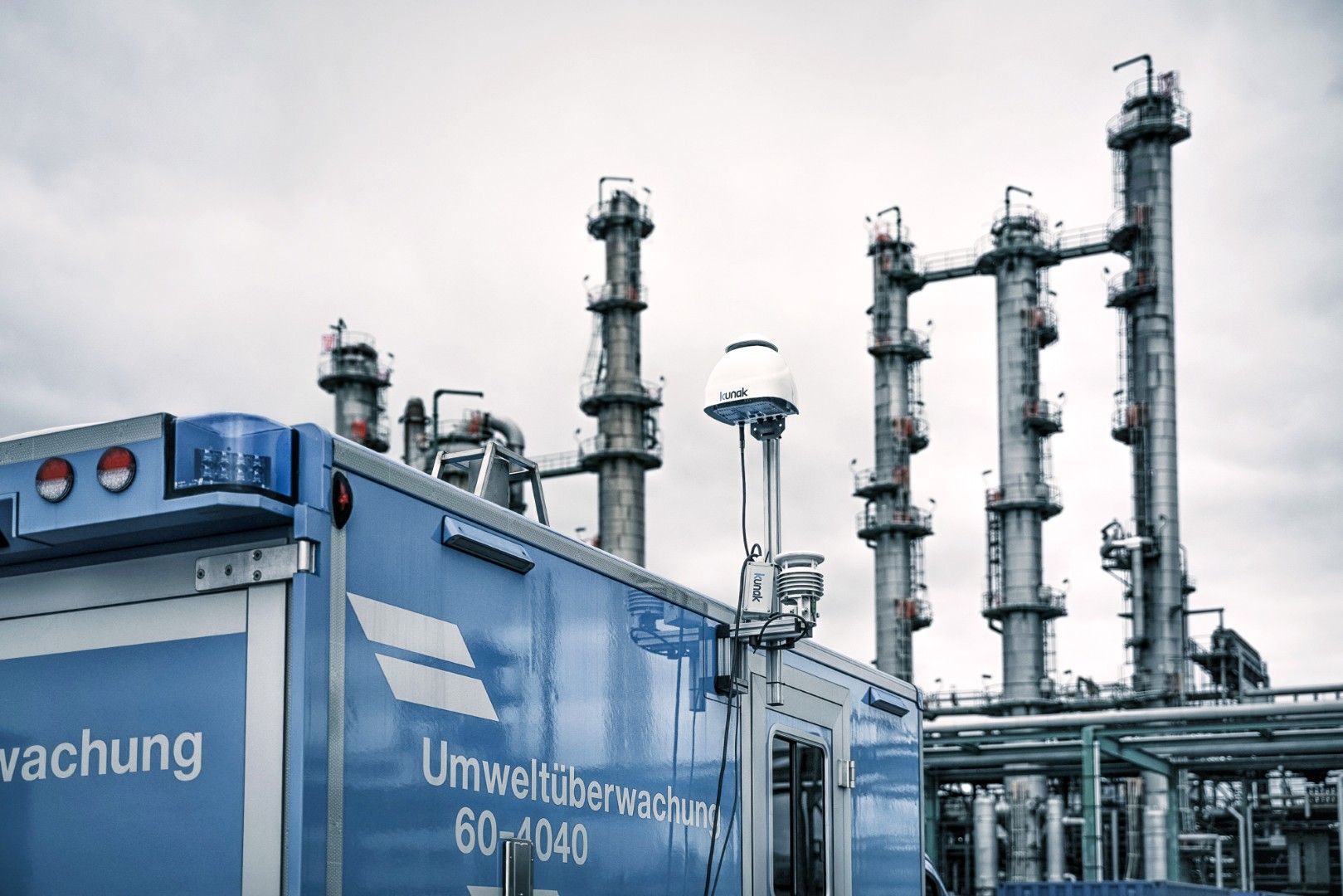
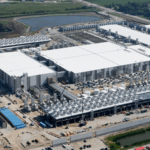
Air quality monitoring at BASF’s chemical plant in Ludwigshafen (Germany).
How sensor networks help manage fugitive emissions
A single monitoring station, however precise, cannot characterise emissions that occur at multiple points and with varying intensity. The key to managing fugitive emissions lies in deploying a network of distributed sensors with enough spatial coverage to identify critical points, turning a diffuse phenomenon into a controllable variable.
Spatial coverage and early detection
A multipoint network can detect emissions even at low concentrations and on an intermittent basis, a pattern common in industrial leaks that a single fixed sensor or a one-off inspection would not catch. By combining concentration data from several stations with real-time weather information (wind direction and speed, temperature, humidity), it becomes possible to establish where an emission is coming from and when it occurred, rather than simply confirming that it exists.
From isolated data to operational intelligence
The value of a sensor network lies not only in capturing data, but in analysing it as a whole. A well-designed network makes it possible to:
- Identify emission patterns, linking peaks to specific processes and operating conditions.
- Prioritise LDAR inspections where and when the risk is actually present, rather than applying the same criteria across the whole facility.
- Detect the cumulative effect of multiple sources operating in the same area, something spot measurements cannot assess.
- Generate automatic alerts when thresholds are exceeded, with tiered response protocols based on the severity of the episode.
- Maintain traceable, georeferenced data series for regulatory reporting and ESG audits.
Integration with industrial operations
These networks do not operate in isolation; they integrate with environmental management systems, reporting platforms and, in some cases, third-party software via API, which makes it possible to automate the extraction of readings and alerts or to build custom visualisation tools. This capacity for integration is what turns fugitive emissions monitoring from a one-off compliance exercise into a continuous operational infrastructure, capable of supporting maintenance decisions, repair prioritisation and the demonstration of an industry’s environmental control to third parties.
Fugitive emissions monitoring with Kunak technology
Kunak AIR Pro is the environmental monitoring station designed to meet fugitive emissions detection needs in industrial settings, capable of simultaneously measuring up to five gases and particulate matter, with a precision comparable to reference-grade (near-reference) stations.
Multi-gas sensors and interchangeable cartridges
Kunak’s patented GasPlug smart cartridge technology makes it possible to combine, replace or swap sensors in just two minutes, self-configuring without needing to send the unit back to the factory for calibration.
Measurable gases include CO, CO2, NO, NO2, O3, SO2, H2S, NH3, CH4, VOCs and HCl, together with PM1, PM2.5 and PM10 particulates, with detection limits as low as 2 ppb for H2S or NH3 and 1 ppb for VOCs, and a sampling rate of up to 3 Hz. This combination of gases covers precisely the pollutant profile most relevant to fugitive emissions, controlling methane and VOCs at oil and gas and refining facilities, H2S at wastewater treatment plants and landfills, and NH3 or SO2 at chemical industries.
Stations designed for demanding industrial environments
Kunak units are built with IP65 protection, autonomous power via solar panel and two-way 2G/3G/4G or Ethernet communication, which allows them to be deployed at industrial perimeters, process areas or remote sites without nearby electrical infrastructure.
Kunak units are designed for perimeter monitoring of diffuse emissions or leak detection in areas not classified as ATEX, but they can be adapted to operate in explosion-risk environments meeting ATEX Zone 1 requirements (a common requirement at oil, gas and biogas facilities), provided the system is configured accordingly.
Kunak AIR Cloud, the path from data to decision
All the data collected by the fugitive emissions monitoring sensor network is transmitted to Kunak AIR Cloud, a platform that centralises information in real time, with geolocated visualisation through heat maps, configurable alert thresholds and automated report generation with full traceability. This architecture makes it possible to move from managing emissions reactively to managing them proactively.
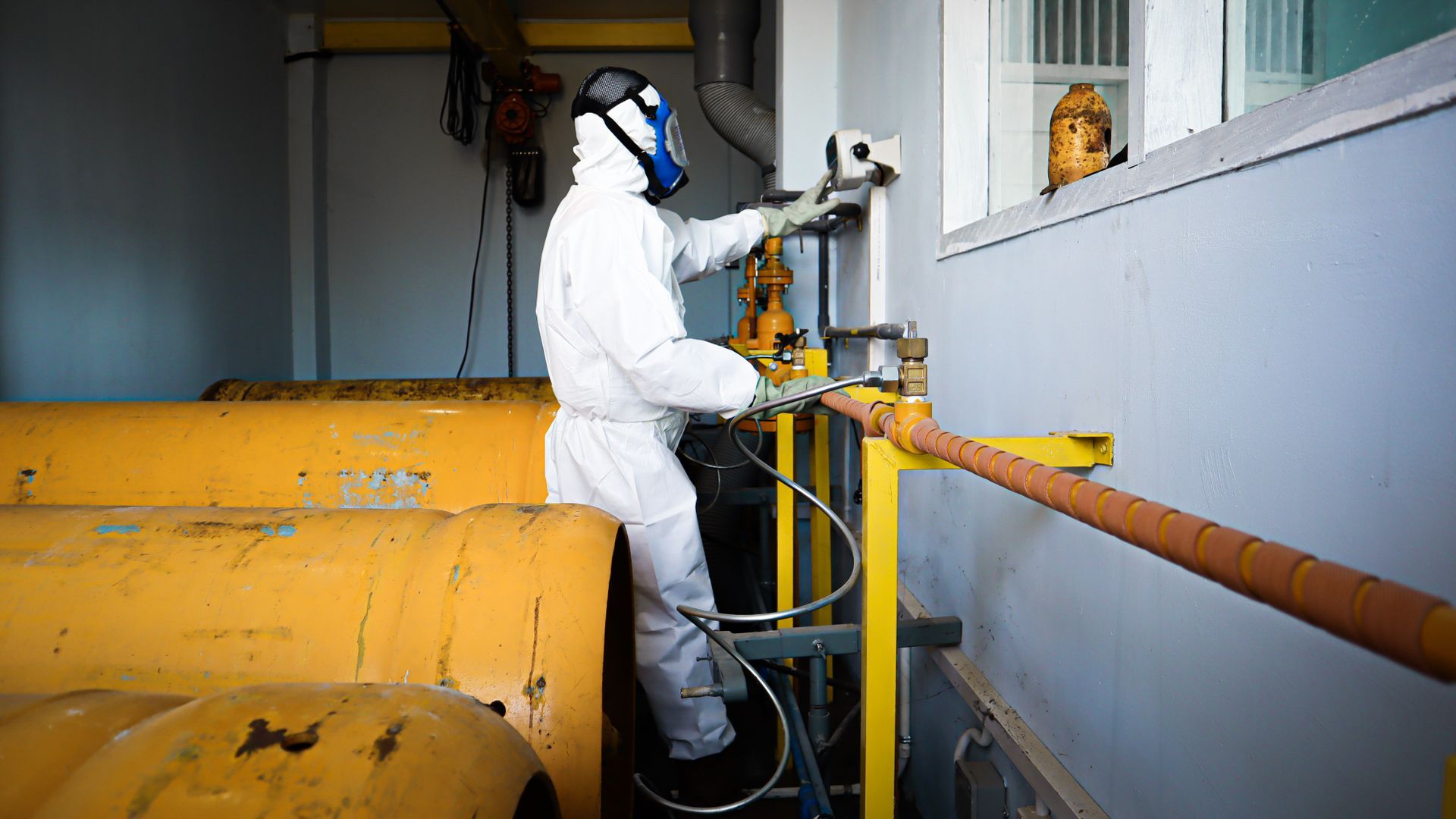
The facilities with the greatest need for fugitive emissions control are oil and gas facilities, refineries and petrochemical plants, biogas plants, landfill sites and wastewater treatment works (WWTPs), as well as chemical and manufacturing industries.
Frequently asked questions about fugitive emissions monitoring
What is fugitive emissions monitoring
Fugitive emissions monitoring is the set of techniques and systems used to detect, measure and manage unchannelled leaks of gases or particulate matter at industrial facilities. Unlike emissions released through a stack, these escape diffusely through valves, flanges, tanks, pipework or open processes, which is why they require specific detection methods, such as LDAR inspections, OGI cameras or continuous sensor networks.
Which gases are typically measured in fugitive emissions monitoring
The most relevant pollutants vary by sector, but typically include methane (CH4), volatile organic compounds (VOCs), hydrogen sulphide (H2S), ammonia (NH3) and sulphur dioxide (SO2). Methane predominates at oil, gas and biogas facilities, H2S at wastewater treatment plants and landfills, and VOCs at refineries and petrochemical plants.
How continuous monitoring improves LDAR programmes
LDAR programmes rely on periodic inspections that only detect leaks at the specific moment of the review, leaving the interval between campaigns uncovered. Continuous fugitive emissions monitoring closes that gap by generating uninterrupted data that makes it possible to detect new leaks in real time, identify emission patterns and prioritise LDAR inspections where and when the risk is actually present.
Which industries need to monitor fugitive emissions
The facilities with the greatest need are oil and gas, refineries and petrochemical plants, biogas plants, landfills and wastewater treatment plants, as well as chemical and manufacturing industries. Across all these sectors, fugitive emissions originate from very different processes (from material transfer to anaerobic digestion), which requires adapting the sensor network to the critical points of each facility.
How fugitive emissions monitoring supports environmental compliance
By generating continuous, traceable and georeferenced data, monitoring supports compliance with regulatory frameworks such as the EPA’s Method 21, the LDAR programmes required in the United States, or EU Regulation 2024/1787 on methane emissions, which requires measurement, reporting and verification (MRV) across the European energy sector. This same data also helps strengthen ESG reporting and demonstrate transparency to auditors and neighbouring communities.
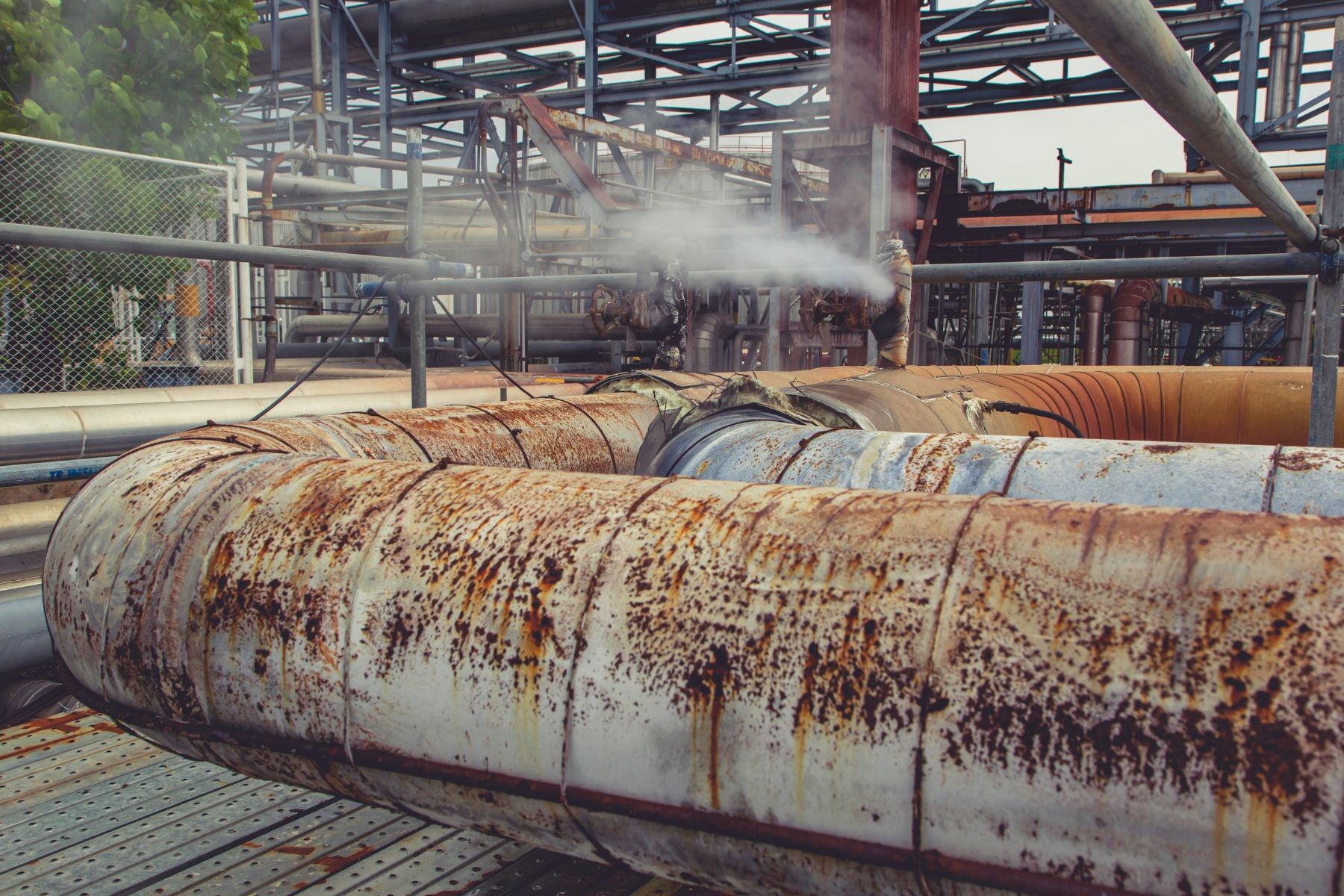
Conclusion: measuring the blind spot is no longer optional
Until very recently, fugitive emissions were the blind spot in industrial environmental management. Being invisible and diffuse, they are almost always detected too late, once they have already turned into a complaint from neighbours, a penalty or an accumulated product loss. The model used for a long time, based on spot inspections and general estimates, is no longer enough.
LDAR programmes, OGI cameras and continuous sensor networks do not compete with one another, they complement each other. Each method serves a different function, and their real value emerges when they are combined. Periodic inspections locate and repair; advanced sensor networks monitoring continuously fill the time gap between campaigns, turning an intermittent phenomenon into a traceable data series. When continuous data is available, odour complaints fall, audits become simpler, and the relationship between a facility and its surroundings shifts from being built on arguments to being built on evidence.
The regulatory framework is moving in the same direction, demanding continuous measurement, independent verification and traceable reporting, not just formal compliance. At the same time, ESG requirements are extending that same demand for transparency to financial markets and corporate reputation.
Companies that keep treating fugitive emissions as a one-off compliance issue will keep discovering their leaks the most costly way (a penalty, a complaint or a product loss), while those investing in continuous monitoring already have the data infrastructure needed to anticipate problems, protect their teams and demonstrate, with evidence, that they monitor and control what they emit.
References
- Wilde, S.E., Tyner, D.R., Johnson, M.R. (2025). The Efficacy of Methane Leak Detection and Repair (LDAR) Programs in Practice. ACS EST Air. 2025 Oct 28;2(11):2527-2536. https://pmc.ncbi.nlm.nih.gov/articles/PMC12624710/
- Wang, J. L., Barlow, B., Funk, W., Robinson, C., Brandt, A., Ravikumar, A. P. (2024). Large-Scale Controlled Experiment Demonstrates Effectiveness of Methane Leak Detection and Repair Programs at Oil and Gas Facilities. Environmental Science & Technology 3194-3204 VL- 58-7- American Chemical Society. https://pubs.acs.org/doi/abs/10.1021/acs.est.3c09147
- Khoma, M.S., et al. (2024). Influence of hydrogen sulphide on the corrosion and hydrogenation of 07Cr16Ni6 steel. Corrosion Engineering, Science and Technology. Volume 59, Issue 4. Pages: 249-258. https://journals.sagepub.com/doi/10.1177/1478422X241246677#tab-contributors
- Gil-García, D., Revuelta-Aramburu, M., Morales-Polo, C., Cledera-Castro, M.d.M. Optimizing Methane Recovery for Fuels: A Comparative Study of Fugitive Emissions in Biogas Plants, WWTPs, and Landfills. Fuels 2024, 5, 762-781. https://repositorio.comillas.edu/xmlui/bitstream/handle/11531/95605/2024115213348881_fuels-05-00042.pdf?sequence=1&isAllowed=y
- Rex, T.L. Ng, Mimi H. Hassim, Markku Hurme. (2017). A hybrid approach for estimating fugitive emission rates in process development and design under incomplete knowledge. Process Safety and Environmental Protection, Volume 109, 2017, Pages 365-373. https://www.sciencedirect.com/science/article/pii/S0957582017301167