





Odours under control in WWTP
Continuous emission monitoring for more efficient process management
Get real-time data to anticipate deviations, optimise operations and demonstrate environmental control in your WWTP.
Spot measurements are not management
Gas emissions and odour episodes are part of the normal operation of a wastewater treatment plant. Their occurrence is linked to influent load, process operation and meteorological conditions.
Occasional campaigns do not capture this variability.
They do not allow peak detection, pattern identification or an understanding of why specific episodes occur.
Without continuous data, odour management becomes reactive. With continuous monitoring, odour becomes an operational signal.
What changes with continuous monitoring?
From reacting late to having control
- Real visibility of what is happening at each stage of the plant.
- Early detection of peaks and process anomalies.
- Ability to act before impacts reach the surrounding environment.
- Continuous, traceable and defensible data for audits and inspections.
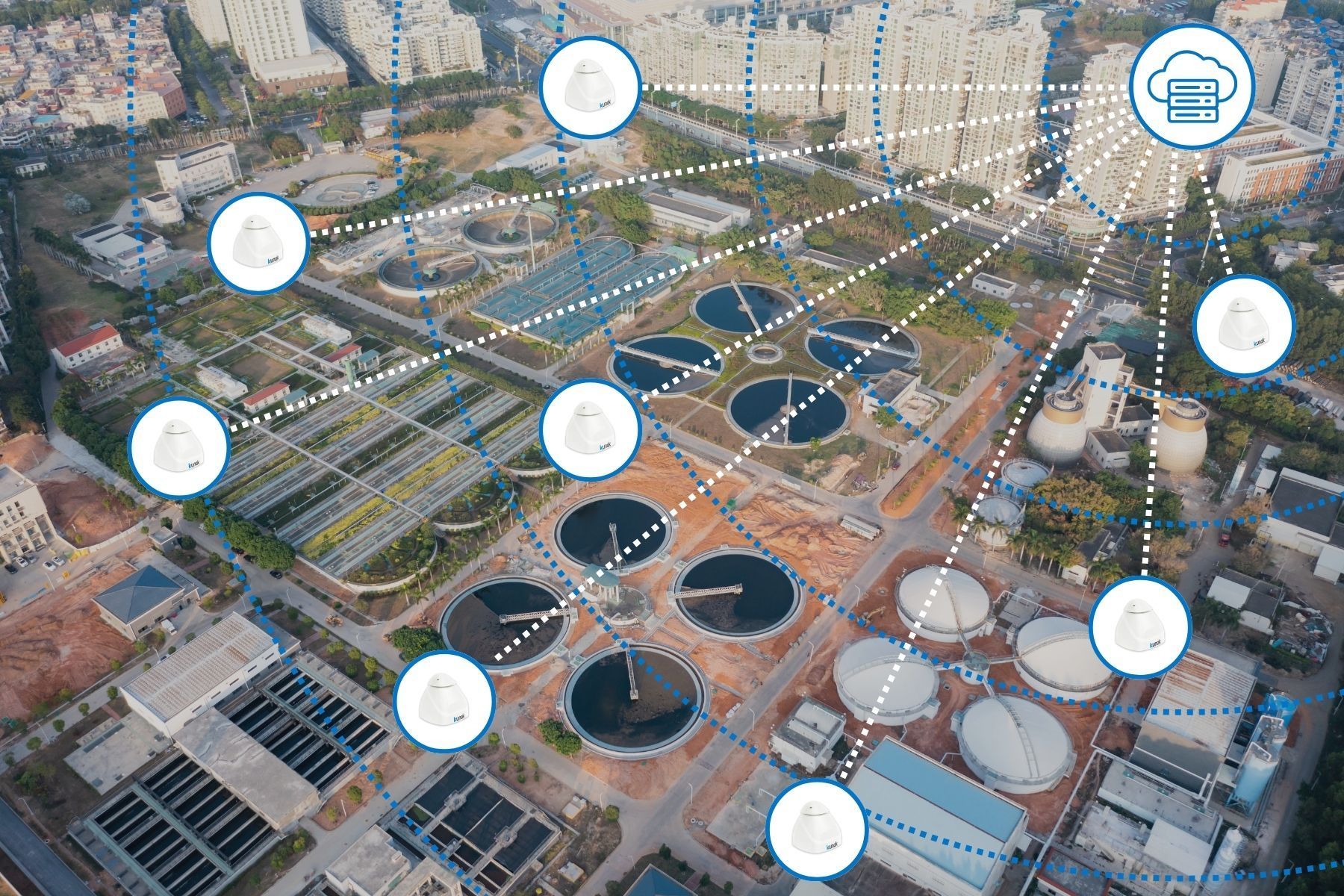
Which gases should be measured in a WWTP?
Key gases to control continuously
Kunak solutions allow direct monitoring of the main relevant gases in wastewater treatment plants.
- H2S (hydrogen sulphide). The main odour-causing gas. Associated with complaints, corrosion and safety risks.
- NH3 (ammonia). Indicator of operational conditions and biological process imbalances.
- VOCs (volatile organic compounds). Signal of septic influent and anaerobic processes.
- CH4 (methane). Relevant in digestion and sludge lines. Indicator of efficiency and potential leaks.
- Other gases such as SO2, NO, N2O, O3 and CO2 for environmental context and perimeter control.
Where are emissions generated within the plant?
Each process stage, different gases and risks
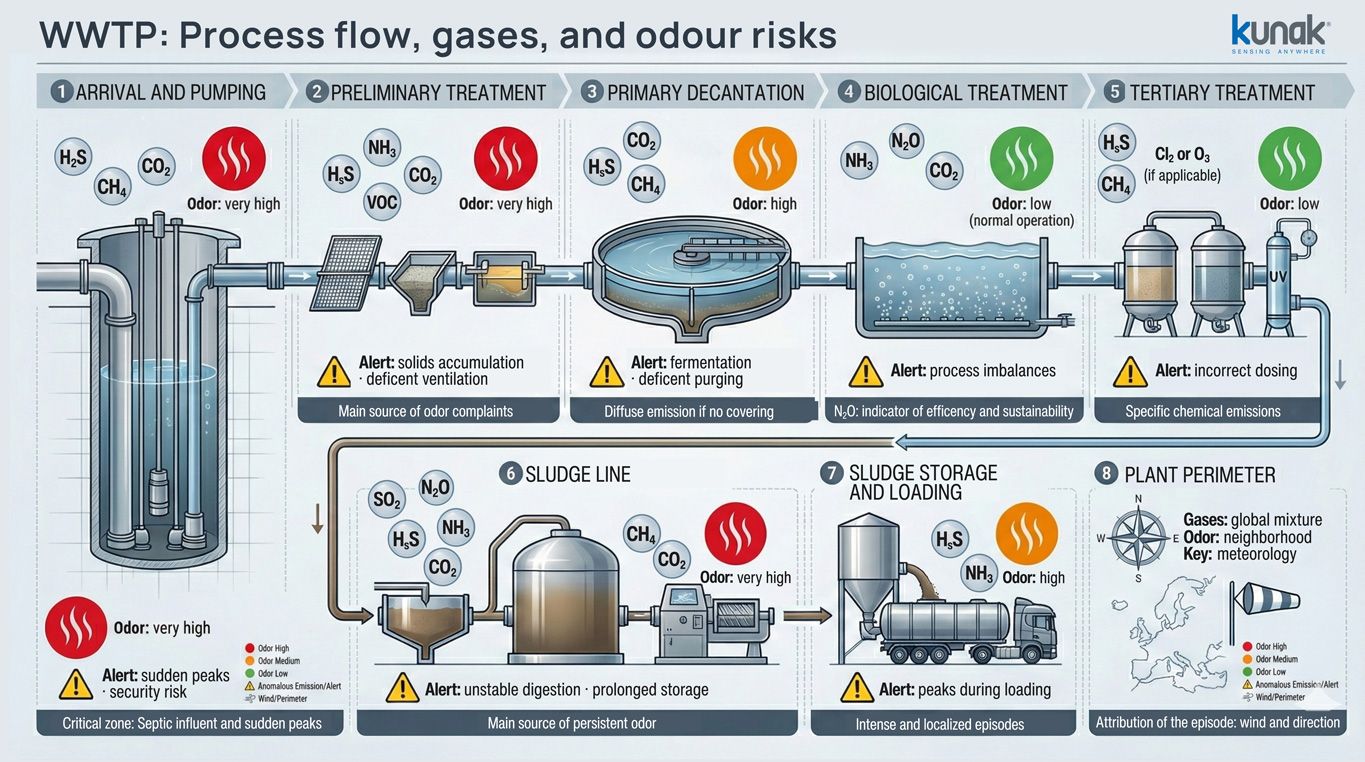
Summary table. Processes and emissions
Process stage |
Generated gases |
Odour level and risk |
Operational value of control |
|---|---|---|---|
| Influent and pumping | H2S, CH4, CO2 | Very high odour. Critical area with sudden peaks and safety risks. | Detect septic influent and accumulations. Anticipate sudden peaks and reduce risks in confined areas. |
| Preliminary treatment | H2S, NH3, CO2 | High odour. Main source of complaints if there are delays or poor ventilation. | Identify solids accumulation, ventilation failures and act before odours are released outdoors. |
| Primary clarification | H2S, CH4 (low), CO2 | High odour if there is no covering or efficient purging. | Detect sludge fermentation and validate the effectiveness of purging and covers. |
| Biological treatment | NH3, CO2, N2O | Low odour under normal operation. Operational risk due to process imbalances. | Detect biological process deviations. N2O acts as an indicator of efficiency and sustainability. |
| Tertiary treatment (if applicable) | Cl2, O3 (occasional) | Low odour. Localised chemical risk due to incorrect dosing. | Control localised episodes and verify correct reagent dosing. |
| Sludge line | H2S, NH3, CO2, CH4 | Very high odour. Main source of persistent odours in the WWTP. | Identify unstable digestion, leaks and prolonged storage. Justify improvements and investments. |
| Sludge storage and loading | H2S, NH3 | High and intense odour, short and localised episodes. | Control loading and unloading operations and prevent critical, short-term episodes. |
| Plant perimeter | Overall gas mixture depending on wind | Odour perceived by third parties. Reputational and complaint risk. | Correctly attribute episodes using data and meteorology. Respond to complaints with evidence. |
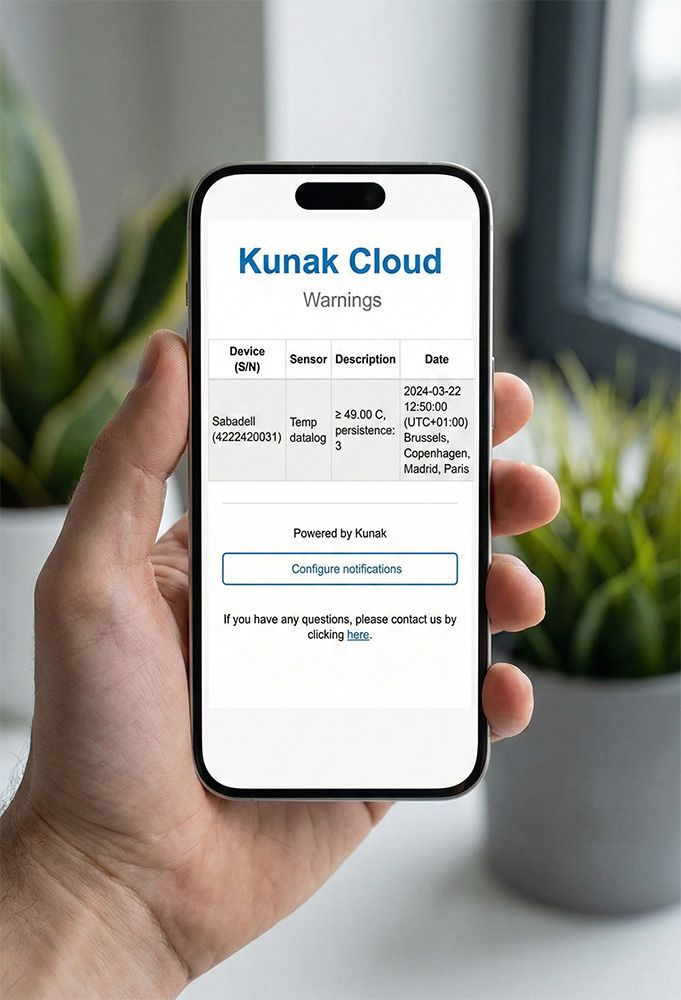
Alerts and decision-making
Act before the problem becomes reality
- Configurable thresholds by gas and zone.
- Automatic alerts when limits are exceeded.
- Event logging and record of corrective actions.
Alerts make it possible to detect early deviations, validate corrective measures and prevent recurring episodes.
Perimeter control and complaint management
Respond with facts, not assumptions
Correlation between gas concentrations and meteorological variables allows each episode to be correctly interpreted, the real source to be identified and external contributions to be ruled out.
This strengthens the technical position of the WWTP when dealing with neighbours, authorities and inspectors.
Safety and prevention within the plant
An additional layer of protection
Continuous monitoring of gases such as H2S, NH3 and CH4 complements prevention protocols in high-risk areas, providing a global view and anticipation capability.
Key benefits for WWTP operation
- Control and identify sources of odours.
- Detect process anomalies before they become incidents.
- Anticipate critical peaks without relying solely on manual rounds.
- Provide objective information for rapid action.
- Help prevent the recurrence of repeated episodes.
- Identify which measures work and which do not.
- Increase operational control and plant stability.
- Reduce the likelihood of small deviations escalating.
- Generate traceable records for reporting and audits.
Real-world applications of environmental monitoring
- Continuous odour control in critical areas.
- Early detection of septic influent at the headworks.
- Operational supervision of biological treatment.
- Identification of persistent odour sources.
- Perimeter monitoring supported by meteorological data.
- Technical attribution of community complaints.
- Validation of deodorisation system performance.
- Generation of reliable environmental historical records.
Take the next step
Act before the problem escalates
Discover how continuous environmental monitoring can help you control emissions, reduce odours and make better operational decisions in your WWTP.
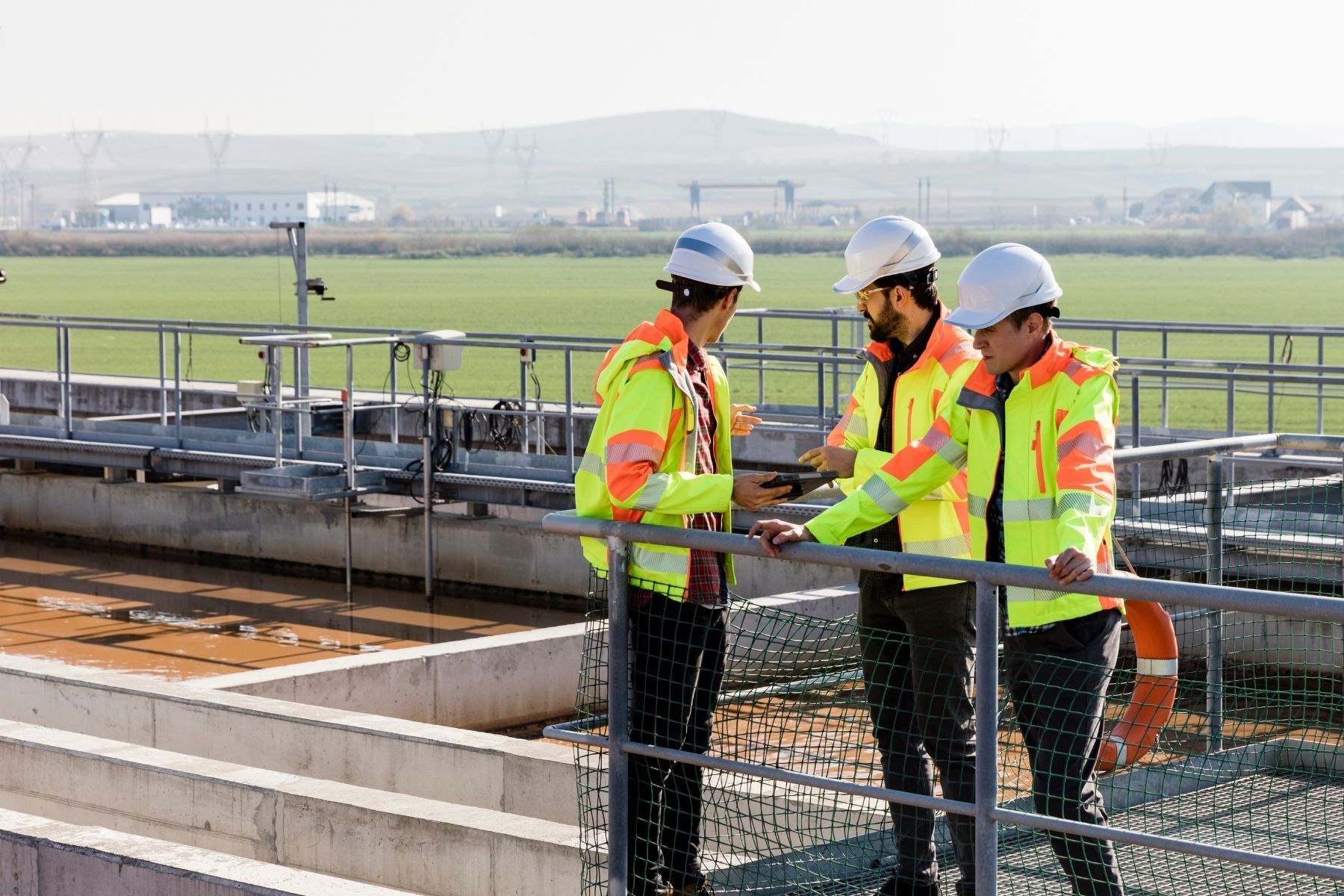
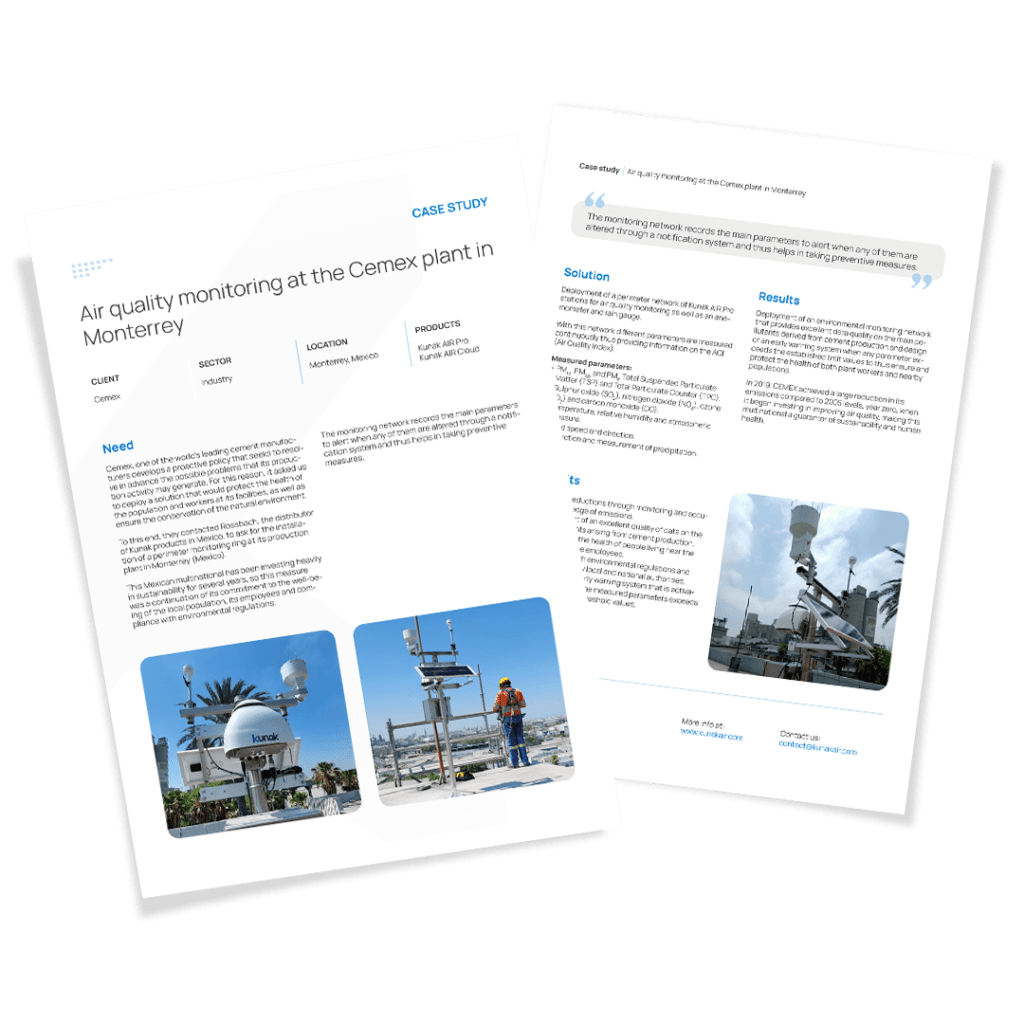
Want to control the impact of your processes on air quality?
Download the technical report [PDF] on the air quality control network deployed at the Cemex plant.
Find out how Cemex has managed to control emissions and get the environmental impact of cement production under control.
Projects around the world
Some of the environmental monitoring projects at different plants.
MCP - Arazuri WWTP (Wastewater treatment plant)
WWTP (Wastewater treatment plant)
WWTP (Wastewater treatment plant)
WWTC (Wastewater treatment center)
WWTP (Wastewater treatment plant)
WWTP (Wastewater treatment plant)
Canal de Isabel II
Canal de Isabel II
SAMAE WWTP
Torredembarra WWTP (Wastewater treatment plant)
Wastewater treatment plant (WWTP)
Waste and recycling centre
Wastewater treatment plant (WWTP)
Waste management plant
Wastewater treatment plant (WWTP)
Wastewater treatment plant (WWTP)
Recycled water plant
Wastewater treatment plant (WWTP)
Advanced water treatment plant
Lilydale Wastewater Treatment Plant (WWTP)
Seaview Wastewater Treatment Plant (WWTP)
Wastewater Treatment Plant (WWTP)
Wastewater Treatment Plant (WWTP)
Nama Wastewater Treatment Plant (WWTP)
TAIF Wastewater Treatment Plant (WWTP)
El Salitre Wastewater Treatment Plant (WWTP)
Herceg Novi waste treatment plant
Our solutions
- AIR ProProfessional air quality monitoring station
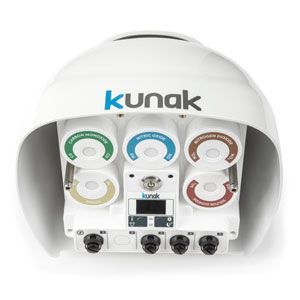
AIR Pro
See moreThe most accurate air quality monitoring station
SENSOR-BASED | BEST AVAILABLE ACCURACY
Benefits
- Multi-pollutant
- Smart cartridge system
- Fully autonomous
- Real-time data
- Proven accuracy
- AIR LiteAir quality monitoring station
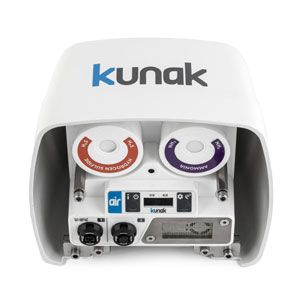
AIR Lite
See moreThe air quality station for hyperlocal monitoring.
INDUSTRY GRADE DESIGN | HIGH ACCURACY
Benefits
- Rugged & compact design
- Cartridges system
- Fully autonomous
- Built-in OLED display
- Cost-effective
- AIR CloudAir quality software
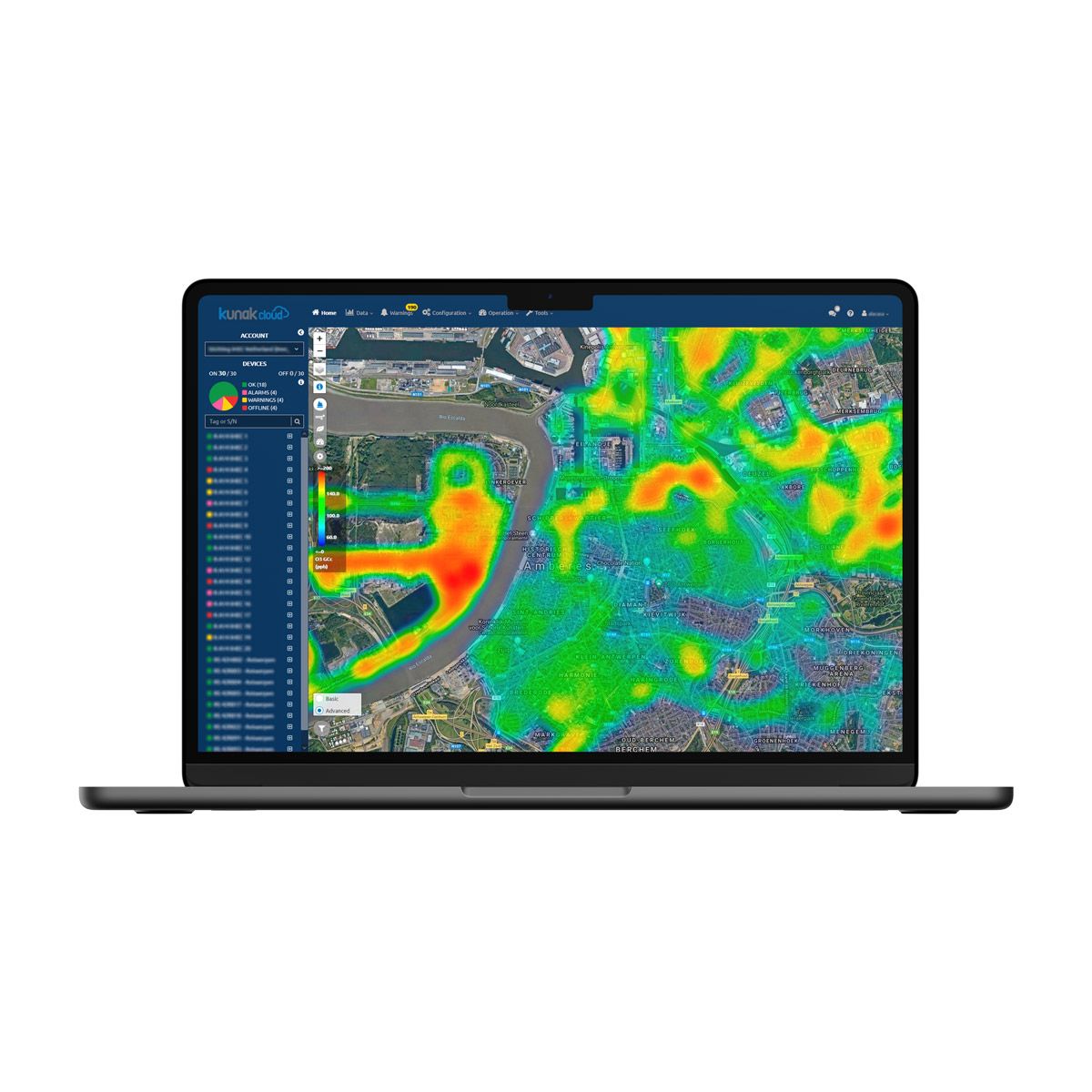
AIR Cloud
See moreMultipurpose air quality software for professionals
REAL-TIME DATA | ALWAYS UPDATED
Benefits
- Secure and condifential
- Air quality reporting
- Advanced data analysis and visualisation
- Reliable data guaranteed
- Data sharing and integration
AIR Pro
The most accurate air quality monitoring station
SENSOR-BASED | BEST AVAILABLE ACCURACY
Benefits
- Multi-pollutant
- Smart cartridge system
- Fully autonomous
- Real-time data
- Proven accuracy
AIR Lite
The air quality station for hyperlocal monitoring.
INDUSTRY GRADE DESIGN | HIGH ACCURACY
Benefits
- Rugged & compact design
- Cartridges system
- Fully autonomous
- Built-in OLED display
- Cost-effective
AIR Cloud
Multipurpose air quality software for professionals
REAL-TIME DATA | ALWAYS UPDATED
Benefits
- Secure and condifential
- Air quality reporting
- Advanced data analysis and visualisation
- Reliable data guaranteed
- Data sharing and integration
Latest projects
Air quality monitoring in the largest data center corridor in the US
Air quality monitoring at BASF’s petrochemical plant in Ludwigshafen (Germany)
Air Quality Analysis in a Food Processing Plant in Singapore