Climate change is the long-term shift in the Earth’s climate conditions. It originates from natural factors, but today it is accelerating mainly because of greenhouse gas (GHG) emissionsAtmospheric emissions are pollutants released into the air from both human activities and natural sources. The main anthropogenic sources include industry,...
Read more linked to human activity. The rising concentration of CO2 and, to an even greater extent, CH4, along with other gases, is altering the Earth’s atmospheric energy balance while driving global warming, a phenomenon with adverse effects on temperature, rainfall, extreme events, ecosystems and health. Environmental monitoring provides air qualityAir quality refers to the state of the air we breathe and its composition in terms of pollutants present in the atmosphere. It is considered good when poll...
Read more and atmospheric data that help understand these changes and support the most appropriate adaptation and mitigation decisions.
This environmental phenomenon is not limited to a rise in global average temperature. It can also show up, for example, in persistent shifts in rainfall patterns, longer drought periods, more intense heatwaves or changes in the frequency and severity of certain weather events. Identifying these trends requires analysing observations gathered over years or decades; a single measurement or an isolated weather event cannot, on its own, characterise climate change.
Below, we look at what climate change is, its main causes and effects, which greenhouse gasesGreenhouse gases (GHGs) are natural and anthropogenic gases that trap heat in the Earth's atmosphere, regulating the planet’s temperature. However, when th...
Read more drive it and how it differs from global warming. We also cover how climate change is measured and monitored through climate variables, emissions data, and meteorological and environmental observations. Finally, we explore the relationship between climate change, air quality and environmental monitoring.
Climate change is the long-term shift in the Earth’s climate conditions.
What is climate change
Climate change is a persistent shift in the most stable conditions of the climate (temperature, rainfall, winds or the frequency of extreme events) that holds for decades or longer. It can stem from natural processes involving:
Air Quality Innovation in Just 1 Click
Stay informed about the air you breathe!
Subscribe to our newsletter to receive the latest updates on environmental monitoring technology, air quality studies, and more.
- Internal factors: within the climate system itself, such as the interactions between the atmosphere, oceans, land surface, ice and biosphere.
- External factors: influences from other sources, such as variations in solar radiation, major volcanic eruptions (which can cause temporary cooling by injecting aerosols into the stratosphere) and, over very long timescales, changes in Earth’s orbit.
However, the warming observed since the mid-20th century is mainly due to the increase in the atmospheric presence of greenhouse gases generated by human activities.
The climate is not static; it has varied throughout Earth’s history. Even so, understanding today’s climate change requires distinguishing between the climate system’s natural fluctuations, the rise in global average temperature and the energy imbalance associated with an atmosphere now recording the highest greenhouse gas concentrations ever detected.
Climate change vs climate variability
Climate variability refers to the natural swings in climate around its usual values. It can be observed from one year to the next, between seasons or over several years, and it relates to internal processes within the climate system (ocean, atmosphere interactions) or to external natural factors (changes in solar radiation or volcanic eruptions). For instance, a particularly rainy summer or a region going through several relatively dry years does not, on its own, prove that climate change is under way. Identifying a climate trend requires long time series and comparable data that can show whether average values, variability or the frequency of extreme events are shifting on a sustained basis.
Climate change does not refer to a single, isolated weather event, but to a lasting transformation of climate patterns. Natural variability still shapes the climate year to year, but it usually carries less weight when global trends are analysed over several decades.
Difference between climate change and global warming
Global warming is the sustained rise in the Earth’s average surface temperature relative to a reference period. It is one of the main components of climate change, but the two concepts are not exactly equivalent.
Climate change covers a broader set of changes to the climate system. Besides rising temperatures, it includes shifts in rainfall patterns, ice melt, sea level, atmospheric humidity, ocean circulation and the likelihood or intensity of certain extreme events. In simple terms, global warming describes a temperature trend; climate change describes the many consequences and transformations linked to that trend across the atmosphere, oceans, cryosphere, ecosystems and societies.
The greenhouse effect and the Earth’s energy balance
The greenhouse effect is a natural process in which certain atmospheric components absorb infrared radiation emitted by the Earth’s surface and atmosphere. These include greenhouse gases, clouds and some aerosols. This mechanism helps the Earth maintain a temperature compatible with life.
The Earth receives energy from the Sun and returns part of that energy to space as thermal radiation. The balance between incoming and outgoing energy largely determines the planet’s average temperature. When the concentration of gases such as carbon dioxide (CO2)Carbon dioxide (CO2) is a gas that occurs naturally in the atmosphere and plays a crucial role in the life processes of the planet. This gas, also known as...
Read more, methane (CH4)Methane, known chemically as CH4, is a gas that is harmful to the atmosphere and to living beings because it has a high heat-trapping capacity. For this re...
Read more or nitrous oxide (N2O) increases, a greater share of infrared radiation is absorbed in the atmosphere, which temporarily slows heat loss to space and alters this energy balance.
This does not mean these gases generate heat or act as a solid barrier around the planet. Their effect is to change how thermal energy is absorbed, re-emitted and distributed within the climate system. What is happening today is that rising greenhouse gas concentrations in the atmosphere intensify this natural effect and drive global warming, which in turn fuels broader changes across the global climate.
Scientific evidence concludes that the warming observed since the mid-20th century is unequivocally due to human influence.
What are the causes of climate change
The origin of climate change is mainly linked to the rise in greenhouse gas concentrations caused by human activities. Sectors such as energy, transport, industry, agriculture, livestock farming and land use change have steadily increased emissions since the Industrial Revolution.
While the climate also responds to natural factors, scientific evidence concludes that the warming observed since the mid-20th century is unequivocally due to human influence.
Greenhouse gas emissions
GHGs absorb and re-emit infrared radiation, contributing to the Earth’s greenhouse effect and the climate system’s energy balance. This effect naturally maintains an average temperature compatible with life, but rising concentrations of anthropogenic GHGs intensify warming. The main gases involved are carbon dioxide (CO2), methane (CH4), nitrous oxide (N2O) and long-lived fluorinated gases (HFCs and PFCs).
Since 1750, concentrations of CO2, CH4 and N2O have reached unprecedented levels due to fossil fuels, deforestation, intensive agriculture and industry.
These emissions add more GHGs than the oceans, soils and vegetation can absorb, creating an energy imbalance that causes the Earth to absorb more energy within the climate system than it releases, which translates into a rise in global average temperature.
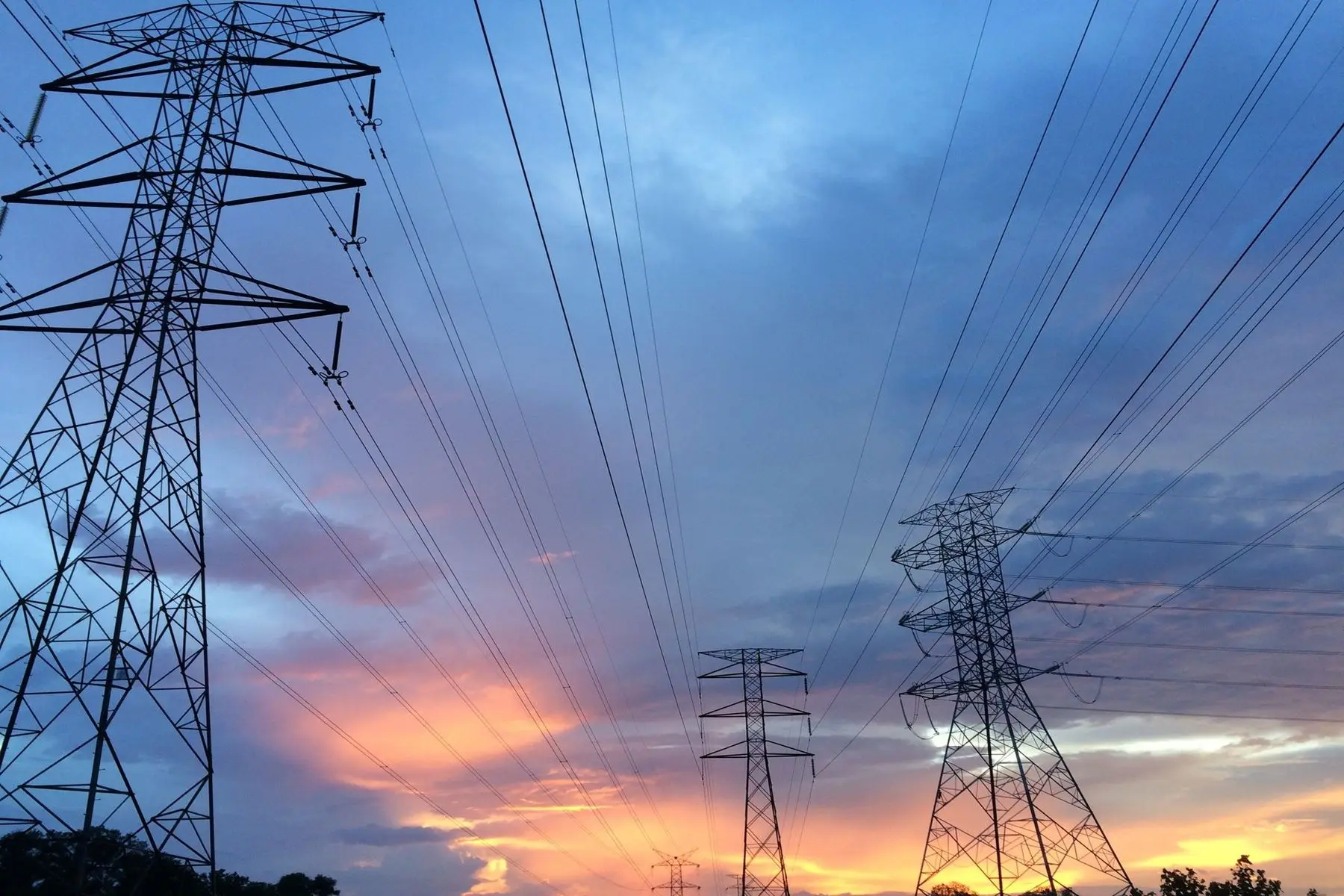
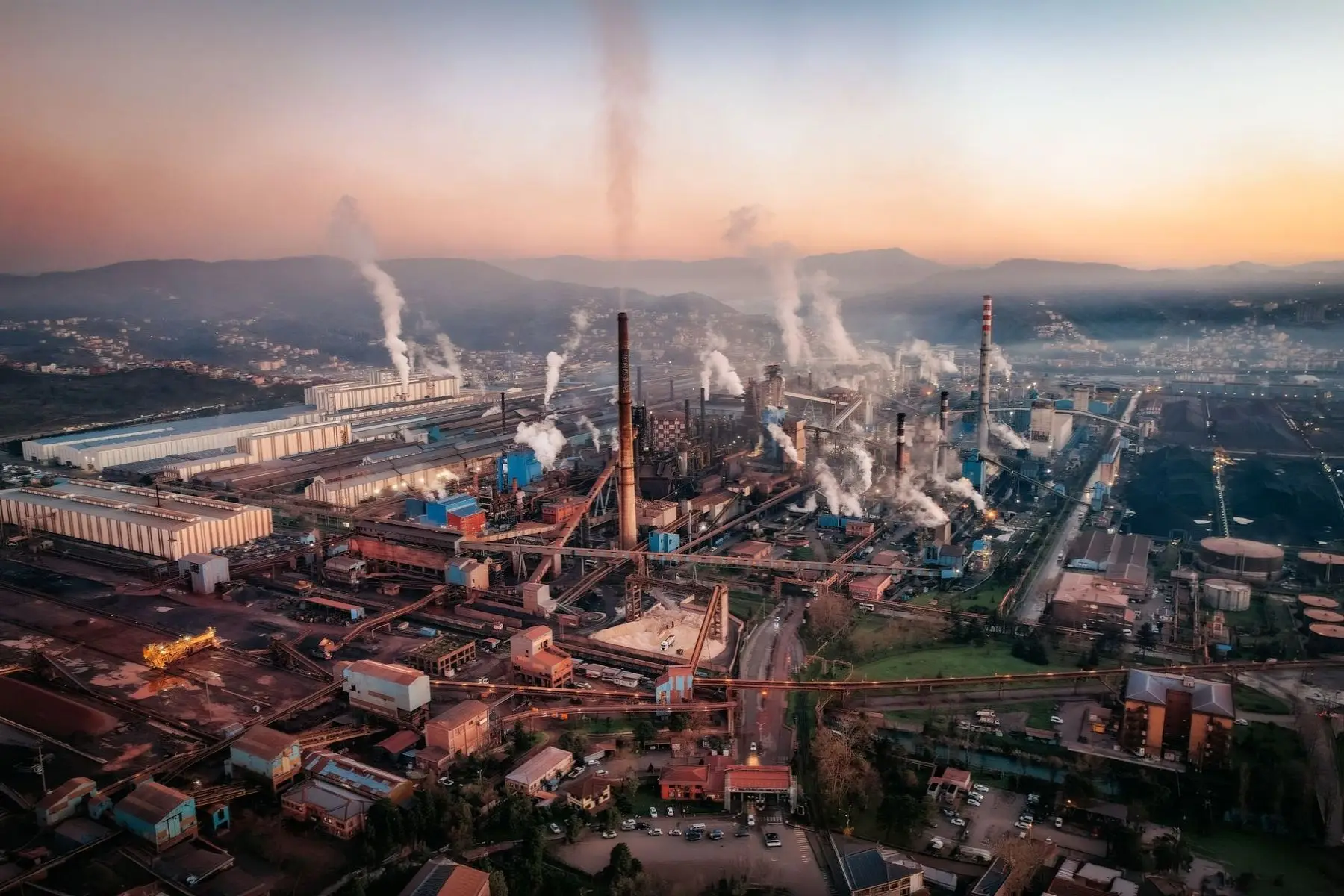
Power generation, heat production, fuel refining, road transport, aviation, shipping and numerous industrial processes release large amounts of CO2 and other greenhouse gases.
Energy, transport and industry
The production and use of fossil fuel based energy (coal, oil and natural gas) is the leading source of CO2 emissions worldwide. Power generation, heat production, fuel refining, road transport, aviation, shipping and numerous industrial processes release large amounts of CO2 and other GHGs.
In 2019, around 79% of global emissions came from energy, industry, transport and buildings, underscoring an economy still dependent on fossil fuels.
In industry, beyond energy combustion, some processes generate emissions tied to the operation itself, such as cement manufacturing or the production of certain chemicals or metals, which release additional CO2 during the chemical reactions involved.

Globally, agriculture, forestry and other land use (AFOLU) account for around one-fifth of net anthropogenic greenhouse gas emissions.
Agriculture, livestock farming and land use
Agriculture, livestock farming and other land uses also contribute significantly to climate change, though through a different mix of gases. Enteric fermentation in ruminant livestock and manure management emit methane (CH4), while the use of nitrogen fertilisers and certain farming practices generate nitrous oxide (N2O) emissions.
Methane and nitrous oxide emissions have a higher global warming potential than CO2, even though they remain in the atmosphere for a shorter time.
In addition, draining wetlands, converting grasslands and degrading carbon-rich soils can release CO2 stored over long periods of time. Globally, agriculture, forestry and other land use (AFOLU) account for around one-fifth of net anthropogenic GHG emissions, while terrestrial ecosystems continue to act as sinks, absorbing a significant share of the CO2 emitted by human activity.

When a forest is cleared or burned to make way for new land uses, the carbon stored in wood and soil organic matter can be released into the atmosphere as CO2.
Deforestation and ecosystem changes
Deforestation, forest degradation and the conversion of natural ecosystems to agricultural, urban or industrial uses are a double source of atmospheric emissions. On one hand, carbon stored in biomass and soils is released; on the other, these ecosystems’ future capacity to absorb CO2 is reduced. When a forest is cleared or burned to make way for new land uses, the carbon stored in wood and soil organic matter can be released into the atmosphere as CO2. Globally, a substantial share of AFOLU sector emissions is directly linked to forest loss and degradation.
Altering forests and natural ecosystems for agricultural, urban or industrial uses changes albedo, evaporation and energy flows, thereby altering the regional climate.
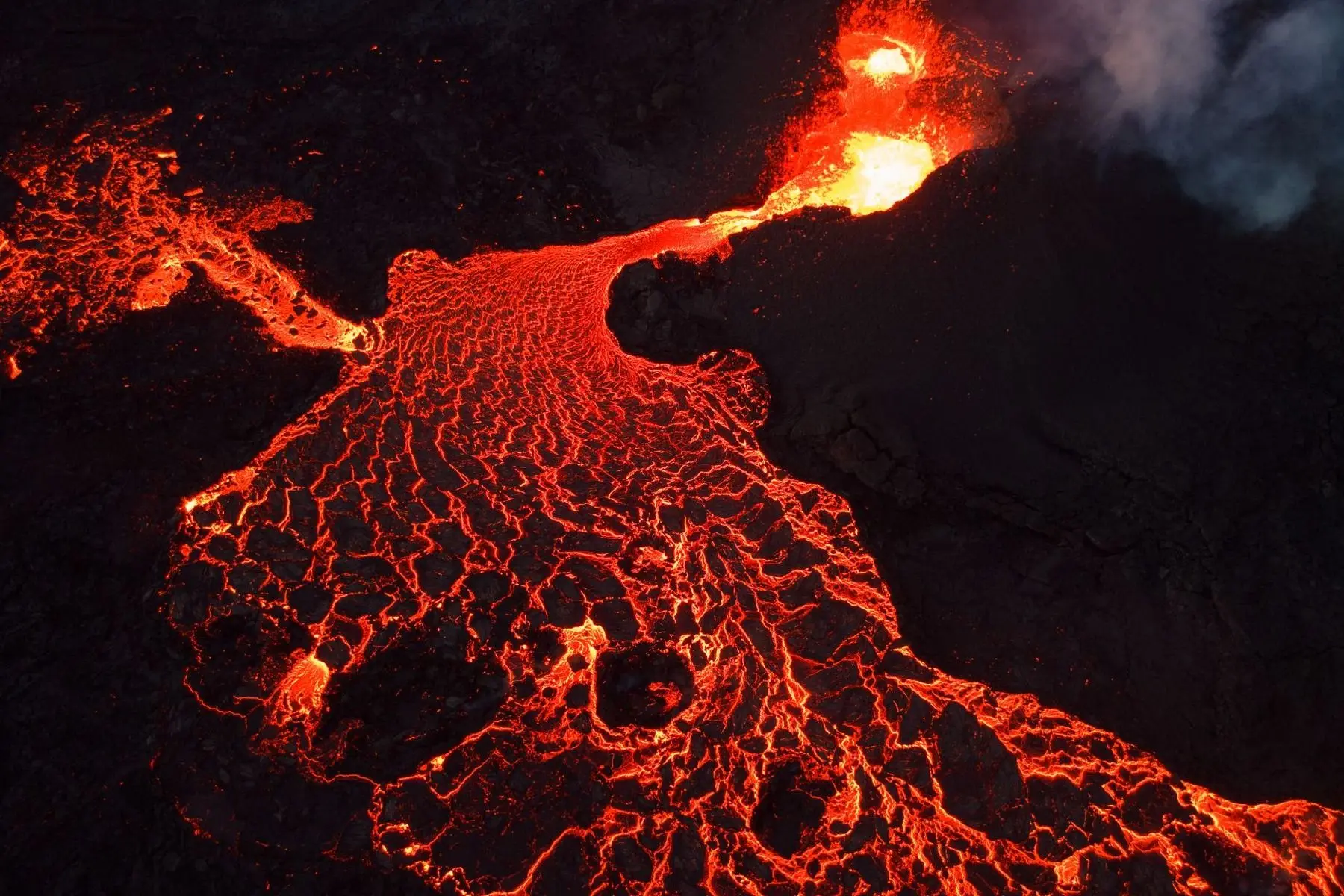
Volcanic eruptions inject aerosols that cause temporary cooling in the atmosphere.
Natural climate factors
The climate is also affected by natural factors such as variations in solar radiation, the Earth’s orbital cycles, major volcanic eruptions and the climate system’s internal variability (for example, the ocean, atmosphere interaction behind global phenomena such as El Niño and La Niña). Volcanic eruptions inject aerosols that cause temporary cooling, while solar variations are too small to explain the warming of recent decades. As a result, natural factors continue to influence the climate and account for part of its variability, but today’s dominant driver is anthropogenic causes.
GHG emissions from energy use, transport, industry, agriculture, livestock farming and land use change are responsible for the global warming observed since the mid-20th century.
Main greenhouse gases
Not all greenhouse gases behave the same way. They differ in their origin, in how long they remain in the atmosphere and in their capacity to trap heat. Understanding these differences helps explain why some emissions have more immediate effects while others leave a climate footprint lasting centuries or millennia.
Carbon dioxide (CO2)
CO2 is the greenhouse gas that contributes most to today’s global warming. It is released naturally through processes such as the respiration of living organisms, the decomposition of organic matter or volcanic eruptions, but the recent rise in its atmospheric concentration is mainly due to the burning of fossil fuels (coal, oil and gas), certain industrial processes and land use changes such as deforestation.
Unlike other gases, CO2 does not have a single, well-defined atmospheric lifetime. Part of it is absorbed relatively quickly by the oceans and the biosphere, but another fraction remains in the atmosphere for hundreds or thousands of years.
This means that every tonne of CO2 emitted today contributes to warming for a very long time, accumulating in the atmosphere whenever emissions exceed the absorption capacity of natural sinks.
Methane (CH4)
CH4 is the second greenhouse gas contributing most to global warming, after CO2. Its natural sources include wetlands, where organic matter decomposes without oxygen, and geological processes such as gas leaks from the subsoil. Its anthropogenic emissions, meanwhile, come mainly from agriculture and livestock farming (enteric fermentation and manure management), landfills, rice cultivation, and the extraction, transport and use of fossil fuels, especially natural gas and coal.
Methane has a much shorter atmospheric lifetime than CO2 (around 12 years), but its global warming potential per unit of mass is far higher over that period.
This means CH4 emissions have an intense, relatively fast climate impact, but also that cutting these emissions can translate into a marked drop in its atmospheric concentration within a few decades.
Nitrous oxide (N2O)
N2O is a less abundant greenhouse gas than CO2 or CH4, but it has a very high warming power and a long atmospheric lifetime, on the order of a century. It is released naturally from soils and oceans, but human activities have increased its levels, mainly through the use of nitrogen fertilisers in agriculture, certain industrial processes (such as nitric acid production) and, to a lesser extent, fossil fuel combustion and waste management.
Although smaller in volume, N2O has a high climate impact due to its efficiency at absorbing infrared radiation and its long atmospheric persistence, and it also affects the ozone layer.
Fluorinated gases
Fluorinated gases, hydrofluorocarbons (HFCs), perfluorocarbons (PFCs), sulphur hexafluoride (SF6), nitrogen trifluoride (NF3) and others, are synthetic compounds that do not occur naturally in the atmosphere. They are used in industrial and commercial applications as refrigerants, in air conditioning systems, in foams, in electrical equipment, in semiconductor manufacturing and in other technological processes. Although their emissions are relatively small compared with CO2, CH4 or N2O, many of these gases have extremely high global warming potentials and atmospheric lifetimes that can range from decades to thousands or tens of thousands of years.
The persistent climate effect of fluorinated gases has driven stricter international regulation.
Taken together, greenhouse gases form a mix of climate-altering emissions with distinct behaviours. While CO2 sets the long-term trend, CH4 acts more immediately. N2O, in turn, combines high efficiency and long duration, and fluorinated gases, although minor in volume, represent a disproportionate climate risk per unit of emission due to their extreme persistence and potency.
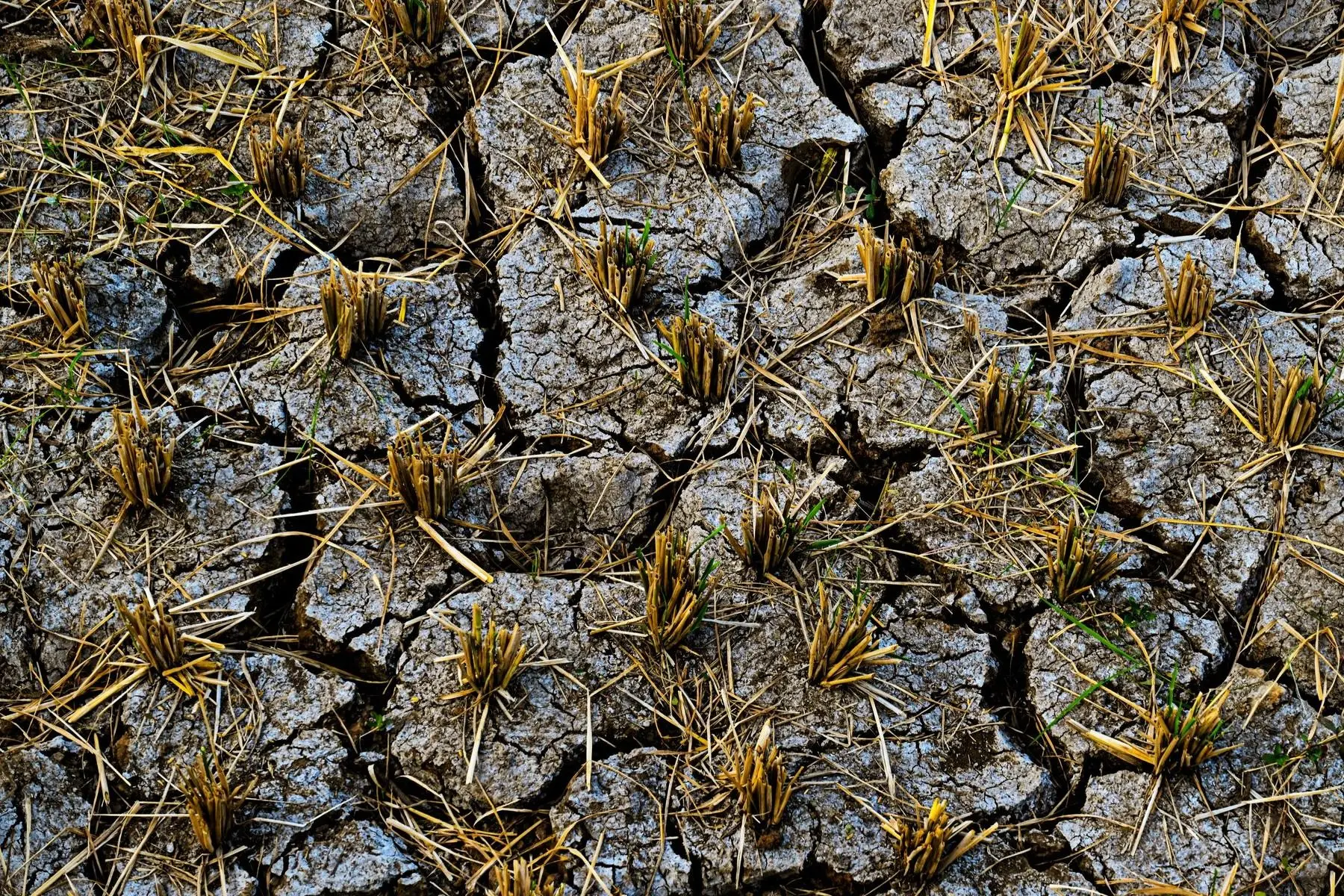
The rise in global average temperature is one of the most direct impacts of climate change.
Effects of climate change
Climate change is already having observable effects on natural and human systems. As global average temperature rises, multiple dimensions of the climate intensify or shift, with knock-on effects for ecosystems and water resources, and impacts on food security, health and air quality.
Rising temperatures
The rise in global average temperature is one of the most direct impacts of climate change. The last few decades have been the warmest on record since instrumental measurements began, and temperatures continue to rise at the Earth’s surface, in the oceans and in the lower atmosphere.
Global warming intensifies heatwaves and raises summer and night-time temperatures, generating greater heat stress on people, crops, ecosystems and infrastructure.
Changes in rainfall patterns
Climate change is also altering rainfall patterns at global and regional scale. In general terms, wet regions are expected to become wetter and dry regions drier, although with significant regional variation. The already occurring increase in the intensity of extreme rainfall events raises the risk of flash flooding and infrastructure damage. At the same time, many regions are seeing longer dry spells or more intense droughts, affecting water availability for human uses such as agriculture, industry and consumption.
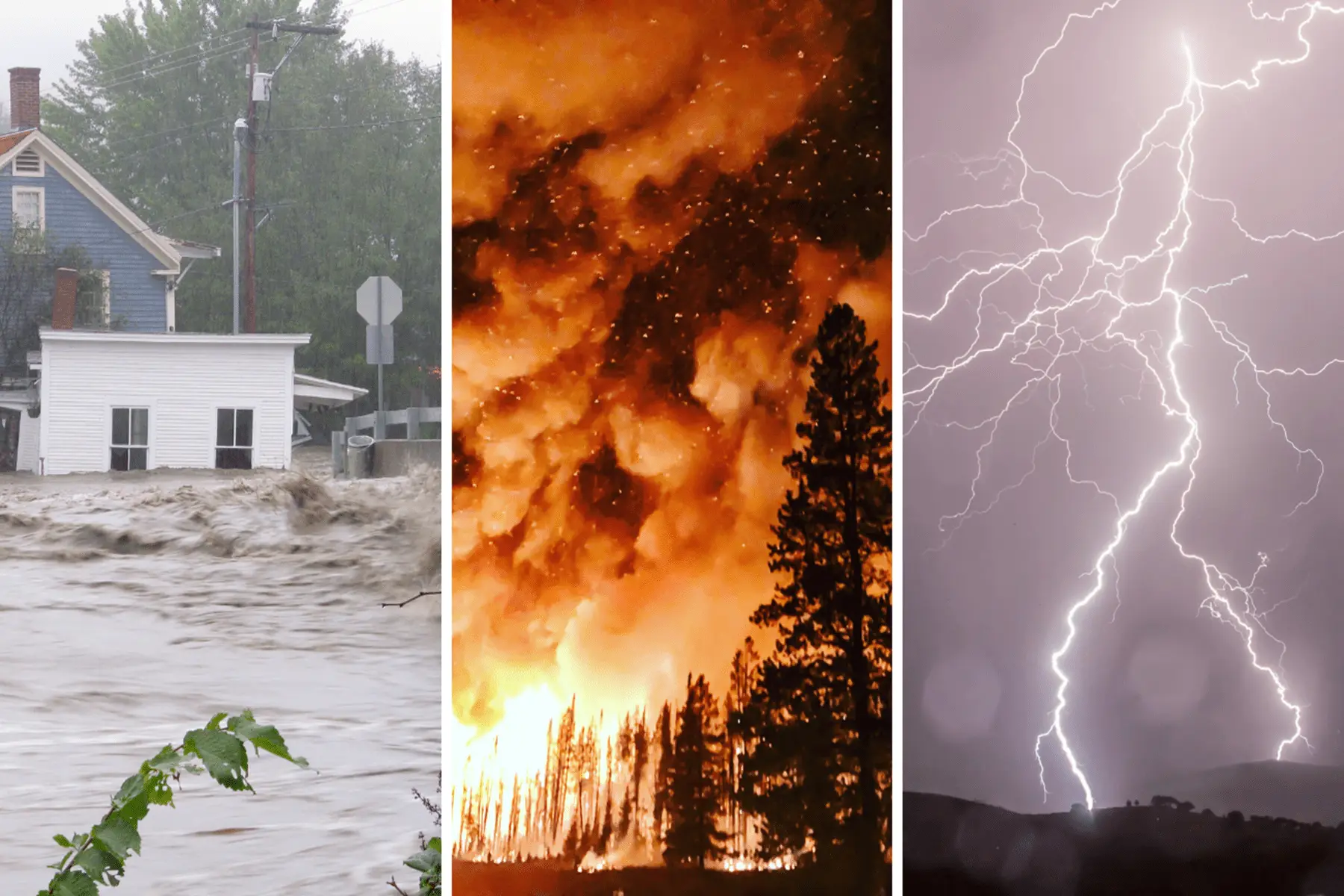
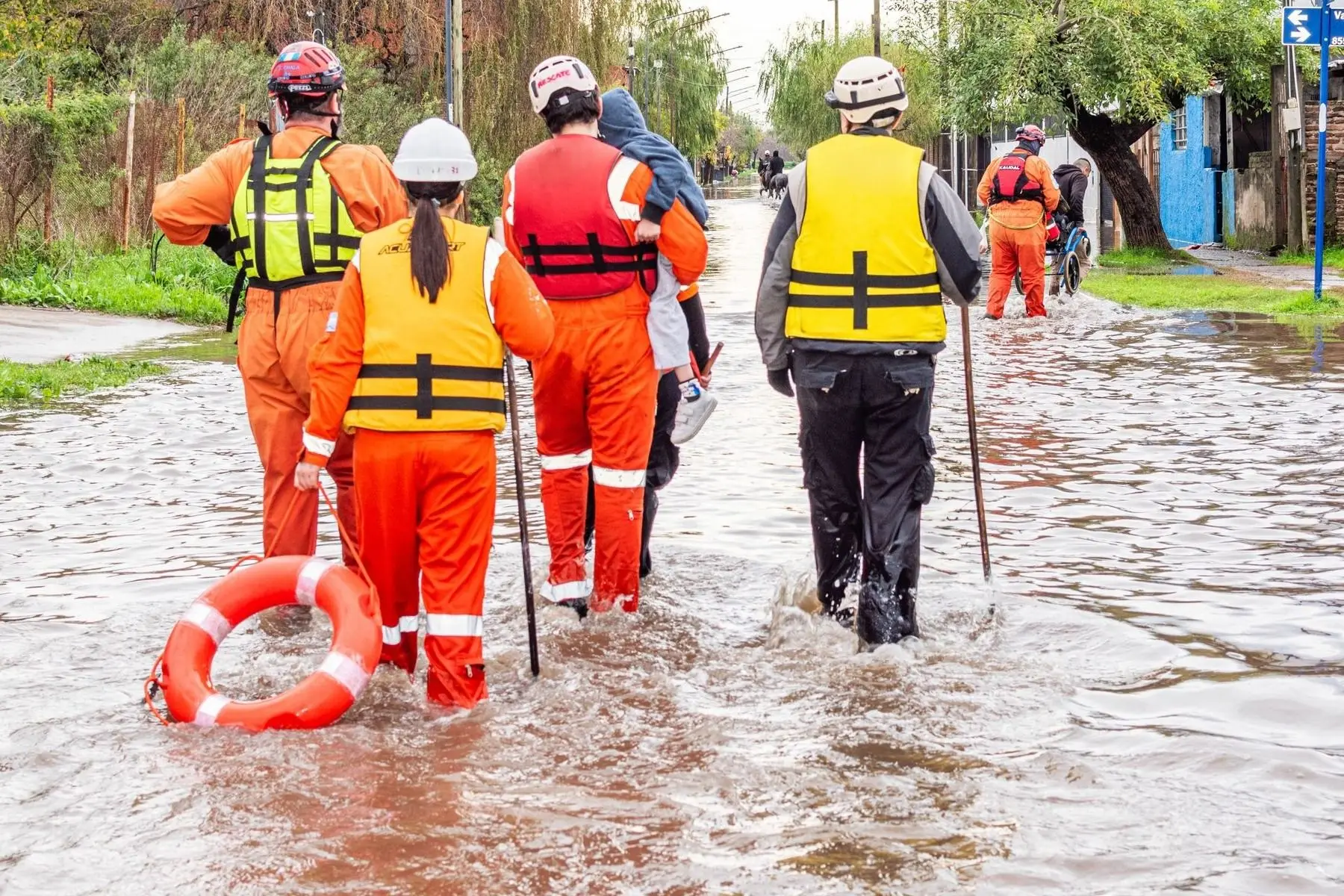
Extreme weather events such as heatwaves, droughts, wildfires, intense storms, floods and, in some regions, tropical cyclones are increasing in frequency, duration and intensity due to climate change.
Extreme weather events
The frequency, duration and intensity of certain extreme weather events are changing as a result of global warming. These include heatwaves, droughts, wildfires, intense storms, floods and, in some regions, tropical cyclones. Compound events are also increasing, such as droughts combined with heatwaves or extreme rainfall followed by dry spells, generating more complex and severe impacts on agriculture, water resources, health and human settlements.
Impacts on ecosystems and natural resources
Terrestrial and marine ecosystems are responding to climate change through shifts in species distribution, changes to biological cycles and, in some cases, biodiversity loss. Rising ocean temperature, acidification and falling dissolved oxygen levels affect corals, seagrass meadows and fisheries, while on land species are shifting towards higher latitudes and altitudes.
Climate change is also affecting water resources. The shrinking of snow cover and glaciers, combined with greater rainfall variability, is changing water availability in many river basins, increasing competition for this resource between agriculture, industry, power generation and urban uses.
Effects on health
Climate change has direct and indirect consequences for human health. Heatwaves are linked to increased mortality and morbidity, particularly among older people, children and vulnerable groups. Heat stress also worsens existing cardiovascular, respiratory and metabolic conditions.
Climate change worsens the spread of vector-borne (mosquito-borne), waterborne and foodborne diseases, and generates mental health problems linked to disasters and displacement.
Climate change and air quality
Climate change and air quality are related, but they are not the same phenomenon. Climate change refers to lasting shifts in average climate conditions, while air quality describes the concentration of air pollutantsAir pollution caused by atmospheric contaminants is one of the most critical and complex environmental problems we face today, both because of its global r...
Read more at a given place and time and their effects on health and ecosystems. Even so, the two share some root causes and influence each other.
On one hand, many sources that emit greenhouse gases also release air pollutants, such as nitrogen oxides (NOx)Nitrogen oxides (NOx) and nitrous oxide (N2O) are key air pollutants affecting air quality and climate across multiple sectors: urban, industrial and agric...
Read more, sulphur dioxide (SO2)Sulphur dioxide (SO2) is a colourless gas with a pungent odour that causes an irritating sensation similar to shortness of breath. Its origin is anthropoge...
Read more or fine particles (PM2.5 and PM10). On the other hand, climate change can alter the weather conditions that affect the formation, dispersion and build-up of pollutants. Higher temperatures favour the formation of tropospheric ozone (O3), atmospheric stability can increase pollution episodes in urban and industrial areas, and more frequent and intense wildfires raise particle concentrations and other compounds.
Climate mitigation and air quality must be coordinated and monitored jointly to maximise co-benefits and understand their combined impacts on health and the environment.
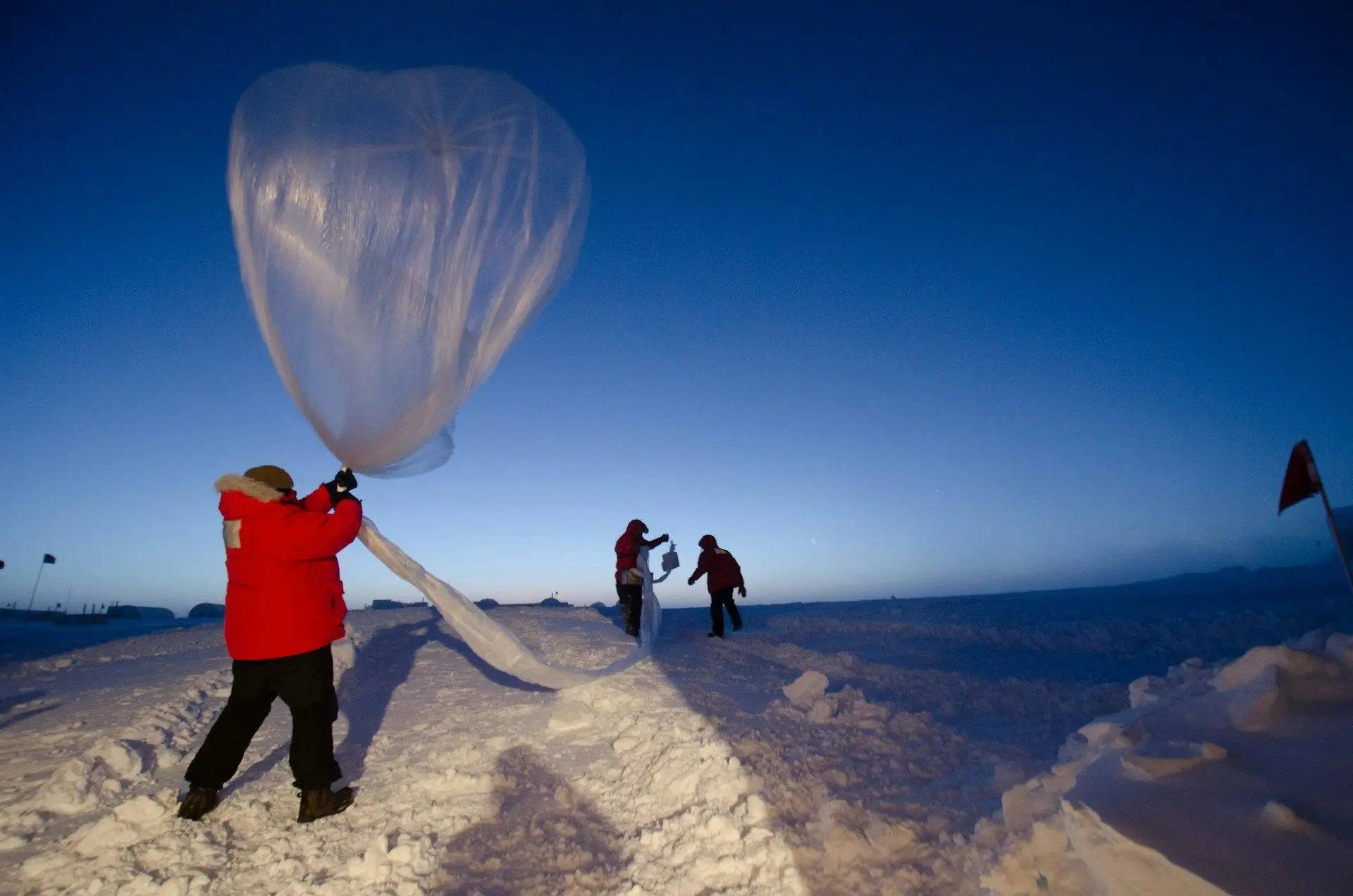
Measuring atmospheric ozone gas – (NOAA) National Oceanic and Atmospheric Administration, U.S. Department of Commerce
How climate change is measured and monitored
Climate change cannot be characterised through a single measurement, but through the combined analysis of multiple variables observed systematically over years or decades. These observations come from global networks of ground stations, ocean buoys, ships, aircraft and satellites, and are integrated into databases and models that make it possible to reconstruct how the climate system has evolved and to detect trends.
Climate variables
A set of essential climate variables is used to describe the state of the climate, including average surface air temperature, sea surface temperature, rainfall, humidity, wind, atmospheric pressure, solar radiation, snow and ice cover, sea level and ocean heat content. Each of these variables provides information on a different dimension of the climate system. For example, the rise in global average temperature is a core indicator of warming, while changes in rainfall, sea ice extent or sea level reflect how that warming translates into changes in the hydrological cycle, the cryosphere and the oceans.
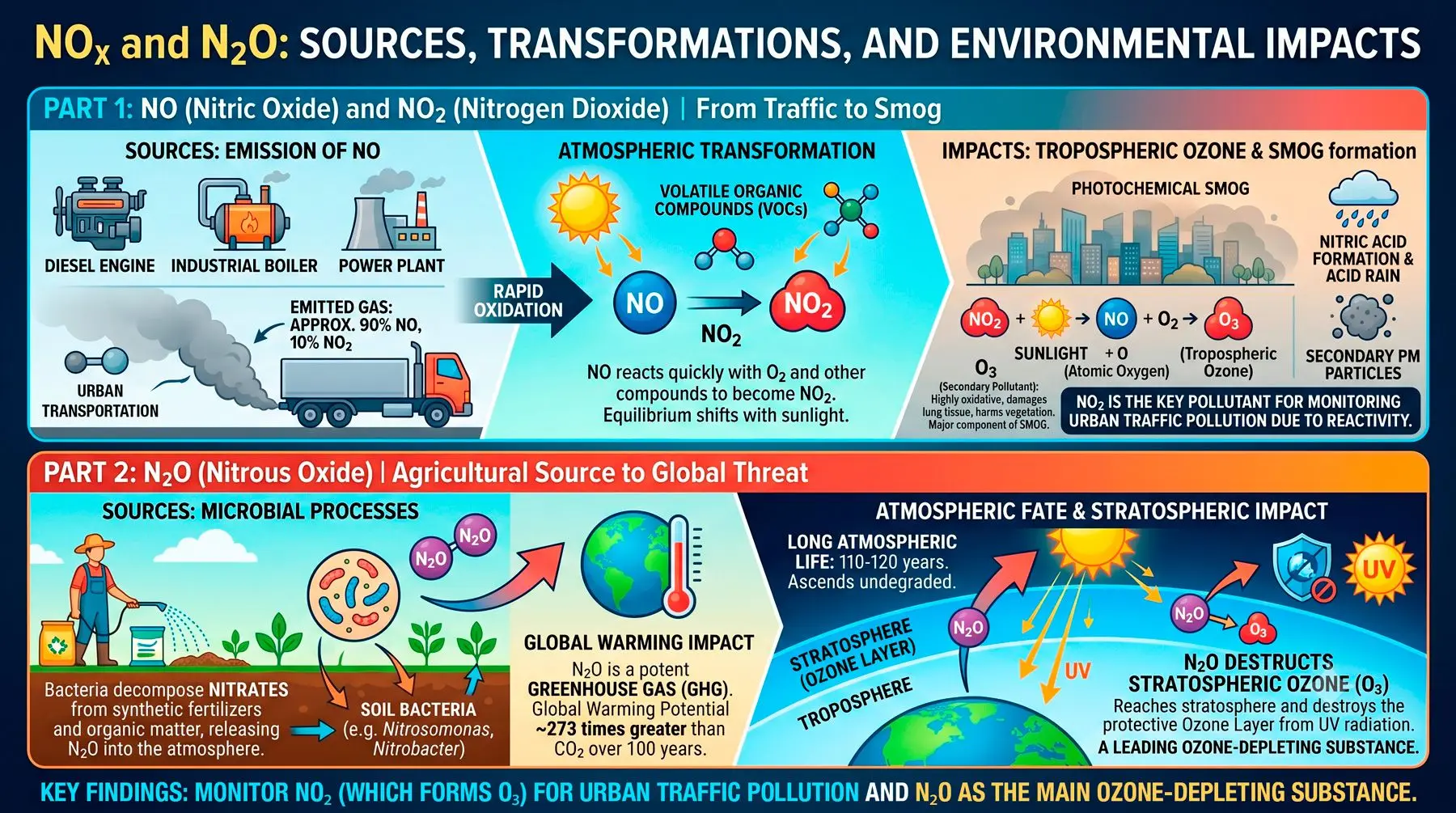
Infographic: sources, transformations and environmental impacts of NOx and N2O
Greenhouse gas concentrations
Another key pillar is measuring atmospheric GHG concentrations, particularly CO2, CH4 and N2O. These measurements are taken at reference stations distributed around the world, many coordinated by the World Meteorological Organization (WMO) under its Global Atmosphere Watch (GAW) programme.
This is complemented by near-reference sensor monitoring networks, which extend the capacity to build distributed networks that turn air quality into a variable with high spatial and temporal resolution. While a single traditional reference station offers one data point, a low-cost near-reference sensor network deployed across a territory provides a dynamic, spatially dense map of pollution, making it possible to identify hotspots, compare areas, detect episodes and correlate concentrations with specific sources.
The data show that global average concentrations of CO2, CH4 and N2O have reached unprecedented levels, with increases of more than 50%, 160% and 25% relative to pre-industrial levels, respectively. These time series are essential for quantifying the disruption of the climate system linked to greenhouse gases, and for assessing how effective mitigation policies are.
Emissions and activity data
Beyond concentration measurements, greenhouse gas emissions are also estimated from activity data (fossil fuel consumption, industrial output, farmland area, livestock numbers, land use changes, etc.) and emission factors. This approach, based on activity data and emission factors, underpins the national emissions inventories that countries submit under the United Nations Framework Convention on Climate Change (UNFCCC).
However, these inventories carry uncertainties, especially in sectors involving land use change or in countries with less developed statistics. For this reason, they are complemented by approaches based on atmospheric observations and models that combine GHG concentration measurements with transport and data assimilation models to infer when and where gases enter and leave the atmosphere.
Meteorological and environmental observations
Meteorological and environmental observations provide continuous information on the state of the atmosphere, the oceans and the land surface. Weather stations measure variables such as temperature, humidity, pressure, wind and rainfall; buoys and ships supply ocean data; and radiosondes and aircraft allow the atmosphere to be profiled vertically. These networks are complemented by atmospheric composition measurements, such as pollutants (NOx, SO2, O3, PM2.5, PM10) and aerosols, which matter both for air quality and for climate, since some of these components influence the radiation balance and cloud formation.
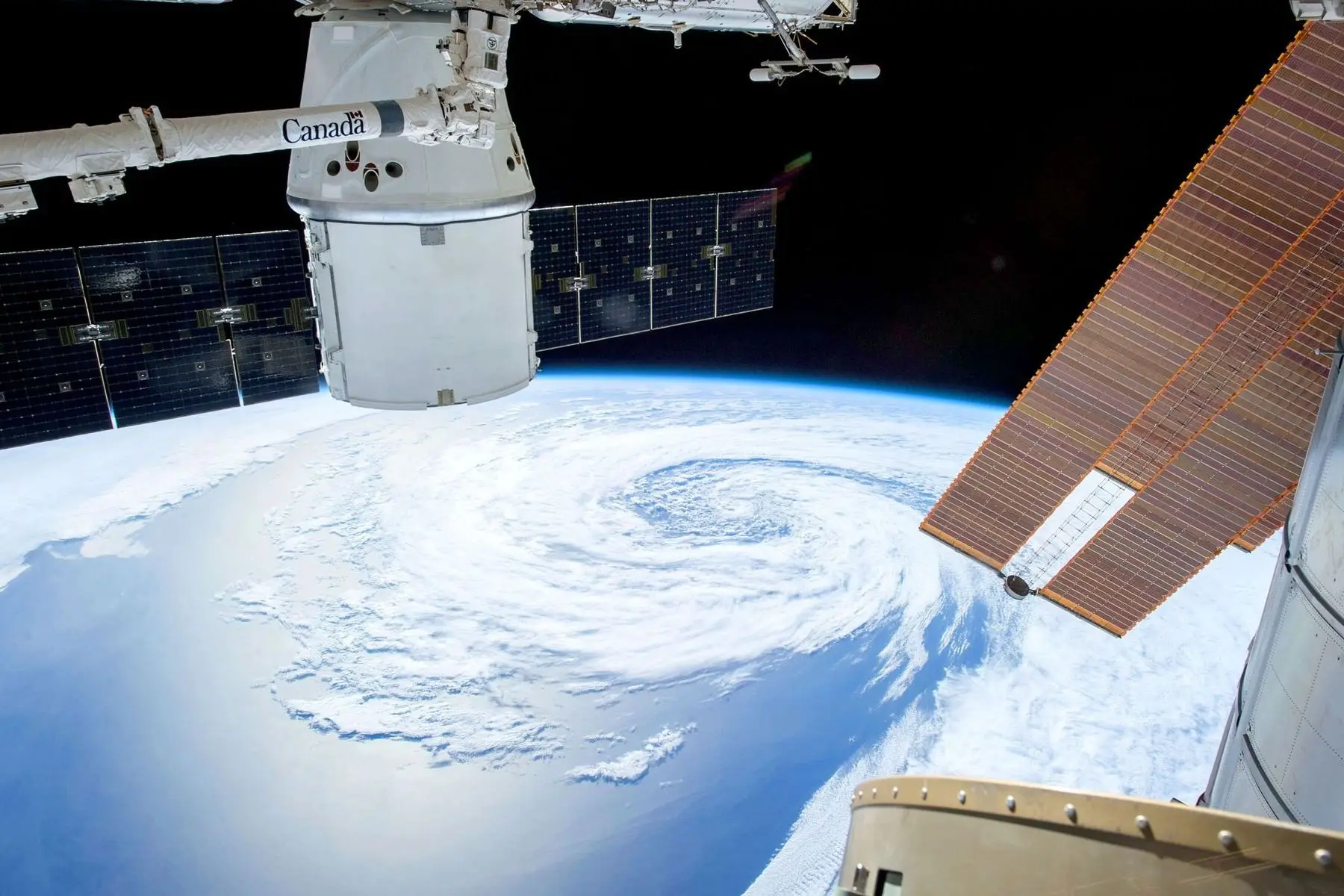
The spatial perspective on climate variables provided by satellites complements in situ measurements and is key to monitoring regions with few ground stations.
Satellites, stations and sensor networks
Satellites offer global, systematic coverage of numerous climate variables, from land and sea surface temperature, sea level, ice and snow extent, water vapour, clouds and radiation, to CO2 and CH4 concentrations in the atmospheric column, among others. This spatial perspective complements in situ measurements and is key to monitoring regions with few ground stations. Ground stations and high-performance air quality sensorMeasuring air quality is essential for improving human and environmental health. Changes in the natural composition of the air we breathe are common in ind...
Read more systems provide continuous, high-frequency measurements at local or regional scale.
Although sensor networks do not directly measure climate change, their data characterise atmospheric conditions, pollution and weather interactions, key elements for understanding the context in which it occurs.
Historical data and real-time monitoring
The study of climate change relies heavily on historical time series built from instrumental observations, palaeoclimate records (ice cores, sediments or tree rings) and, more recently, satellite data. These series make it possible to compare today’s climate with that of previous decades or centuries and to detect trends that are not apparent over short timescales.
Real-time monitoring, with continuously updated meteorological, air quality and greenhouse gas data, is essential for weather forecasting, managing extreme episodes and the operational assessment of the state of the climate. However, a single measurement or a very short period cannot, on its own, characterise a climate trend. Climate change is identified when changes in the average values or variability of these factors persist for decades, beyond the system’s natural variability.
Taken together, the combination of historical data and continuous monitoring, drawn from multiple platforms and variables, is what makes it possible to build a robust, reliable picture of how the climate is changing and of what is driving those changes.
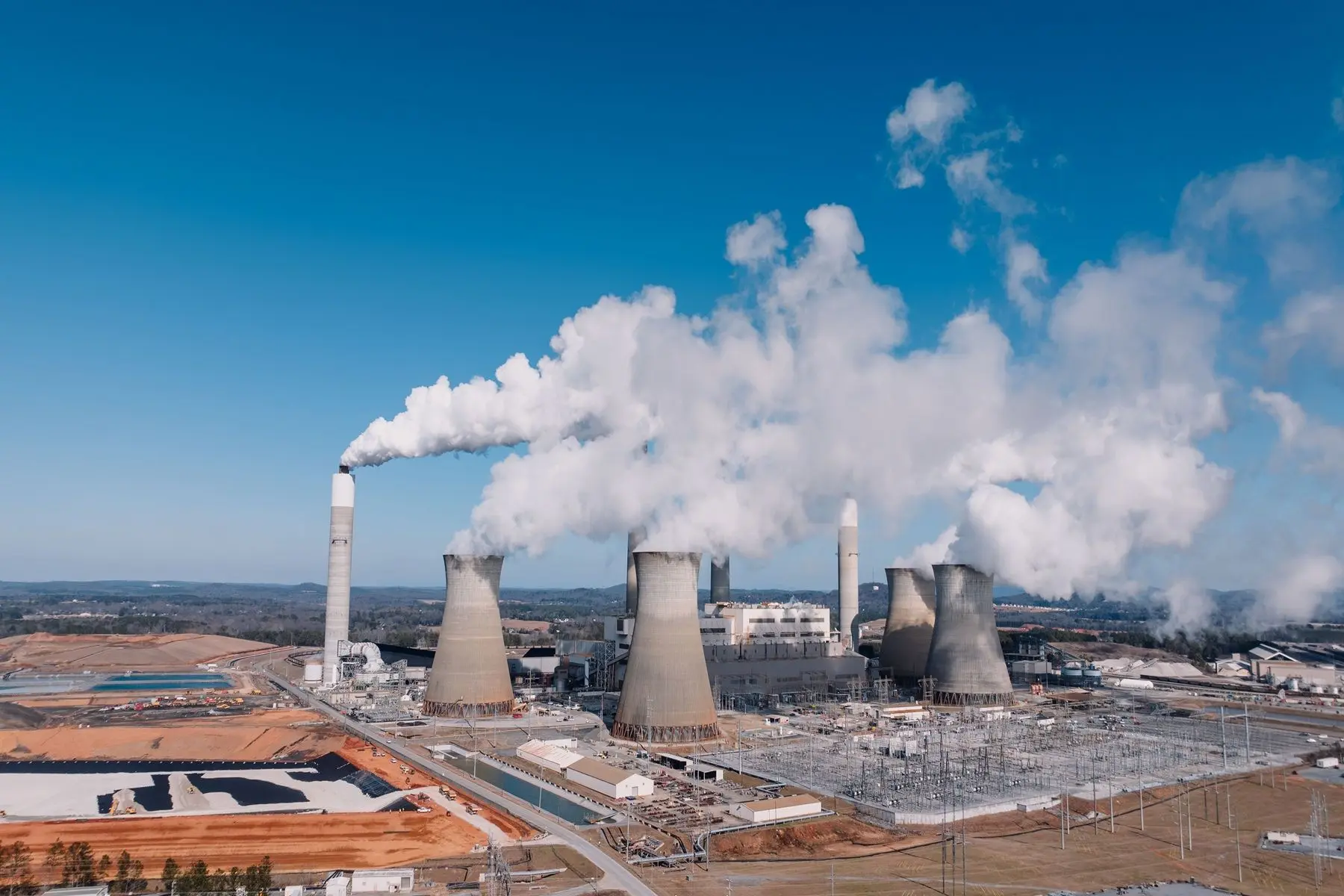
Greenhouse gases mainly influence the planet’s energy balance and, ultimately, long-term global warming.
Climate change, emissions and air quality
Climate change and air quality share some causes, but describe different phenomena. Climate change refers to lasting shifts in average climate conditions, while air quality describes the concentration of air pollutants and their effects on health and ecosystems.
Air pollutants and greenhouse gases
Greenhouse gases (CO2, CH4, N2O, fluorinated gases) mainly affect the planet’s energy balance and, ultimately, long-term global warming. Air pollutants (NOx, SO2, O3, PM2.5, PM10, among others) more directly affect air quality and health at local and regional scales. Many climate-altering sources, such as traffic, industry or fossil fuel combustion, emit GHGs and pollutants at the same time.
Pollutants that affect climate and air quality differently
Some compounds have combined effects. Tropospheric ozone, for example, is a pollutant that damages health and vegetation, but it also acts as a relatively short-lived greenhouse gas. Suspended particles can cool or warm the climate system depending on their composition while, at the same time, degrading air quality. These differences explain why a given emissions reduction measure can have different impacts on climate and on air quality.
Industrial and urban emissions
Industrial and urban environments concentrate sources that contribute to both climate change and air pollution. Power plants, industrial processes, boilers, road traffic, residential heating and logistics activities generate emissions of CO2 and other GHGs, but also NOx, SO2, volatile organic compounds and particles, which favour ozone formation and poor air quality episodes.
The role of weather
Weather acts as a bridge between climate and air quality. Temperature, wind, atmospheric stability and solar radiation shape the formation, transformation and dispersion of pollutants. A warmer climate can favour ozone formation under certain conditions, while periods of atmospheric stability and light winds make it easier for pollutants to build up in urban and industrial areas. Understanding these interactions is essential for designing integrated strategies for climate change mitigation and air quality improvement.
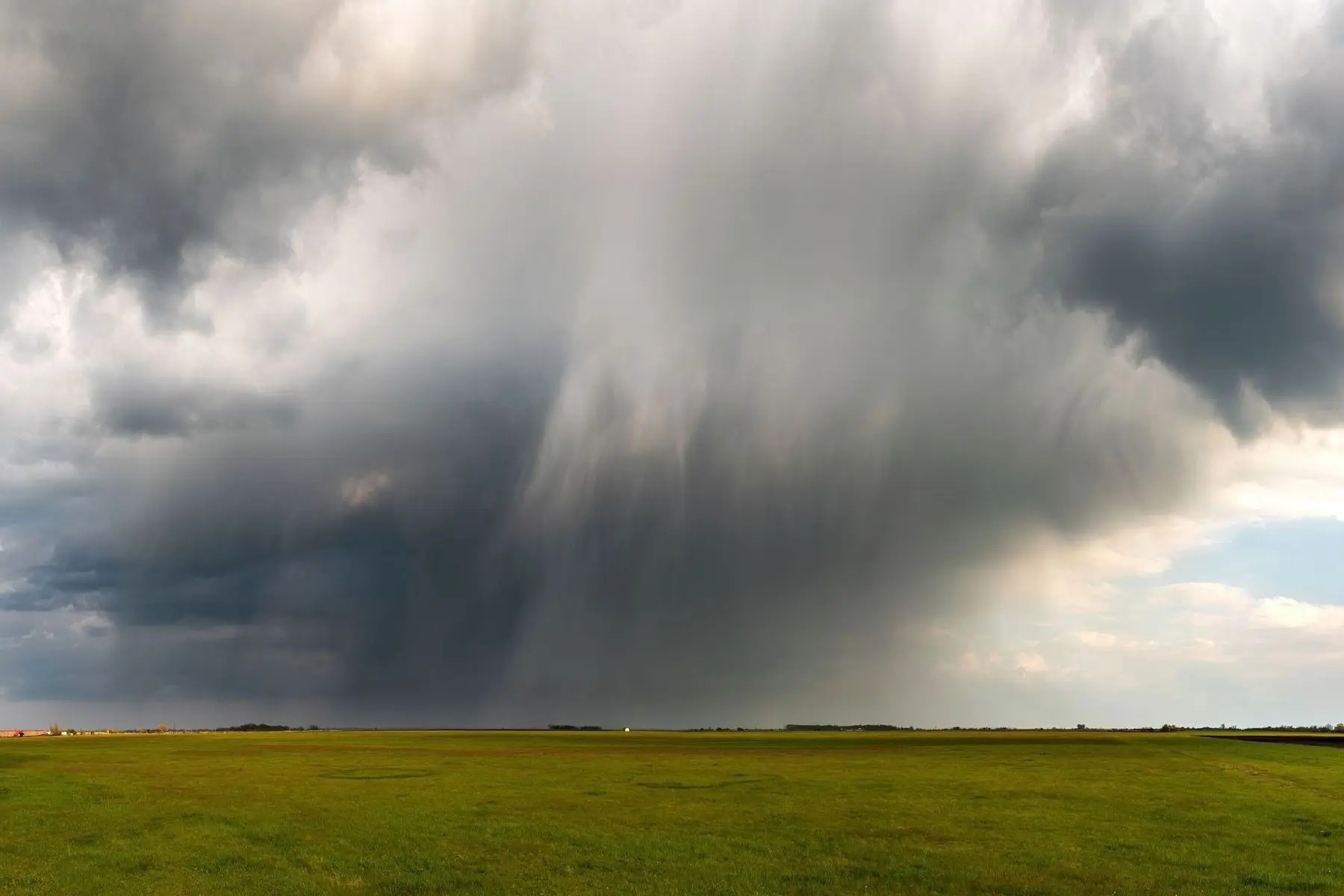
Beyond generating the data needed to understand how atmospheric conditions and environmental variables evolve and interact, environmental monitoring provides the evidence for tracking pollutant trends, impact studies and air quality models.
What role does environmental monitoring play in climate change
Environmental monitoring does not measure climate change directly, but it generates the data needed to understand how atmospheric conditions are evolving and how the different environmental variables relate to one another. High-performance, low-cost sensor systems provide continuous data that, integrated into time series, make it possible to detect changes, identify patterns and assess impacts over time.
These sensor networks also provide distributed spatial information, useful for characterising differences between urban, industrial and rural areas, and for identifying emission hotspots or areas most exposed to pollution episodes. Real-time episode detection (heatwaves, thermal inversions, particle or ozone build-up) helps trigger protection protocols and study how weather and air quality interact.
Environmental monitoring also enables tracking trends in pollutants and meteorological variables, the correlation between pollutants and atmospheric conditions (temperature, wind, humidity, radiation) and the generation of data for impact studies and air quality models. All this evidence is essential to support environmental decisions, from air quality improvement plans to climate change adaptation and mitigation strategies.
In this field, environmental sensor networks such as those developed by Kunak provide continuous air quality monitoringControlling air quality is an essential task in order to enjoy optimal environmental conditions for healthy human development and to keep the environment i...
Read more, distributed sensor networks, meteorological monitoring and real-time data, together with tools for environmental data analysis, episode detection and support for impact studies and environmental management.
Low-cost environmental sensors do not replace official stations or inventories, but they complement the information needed to understand atmospheric change in a shifting climate.
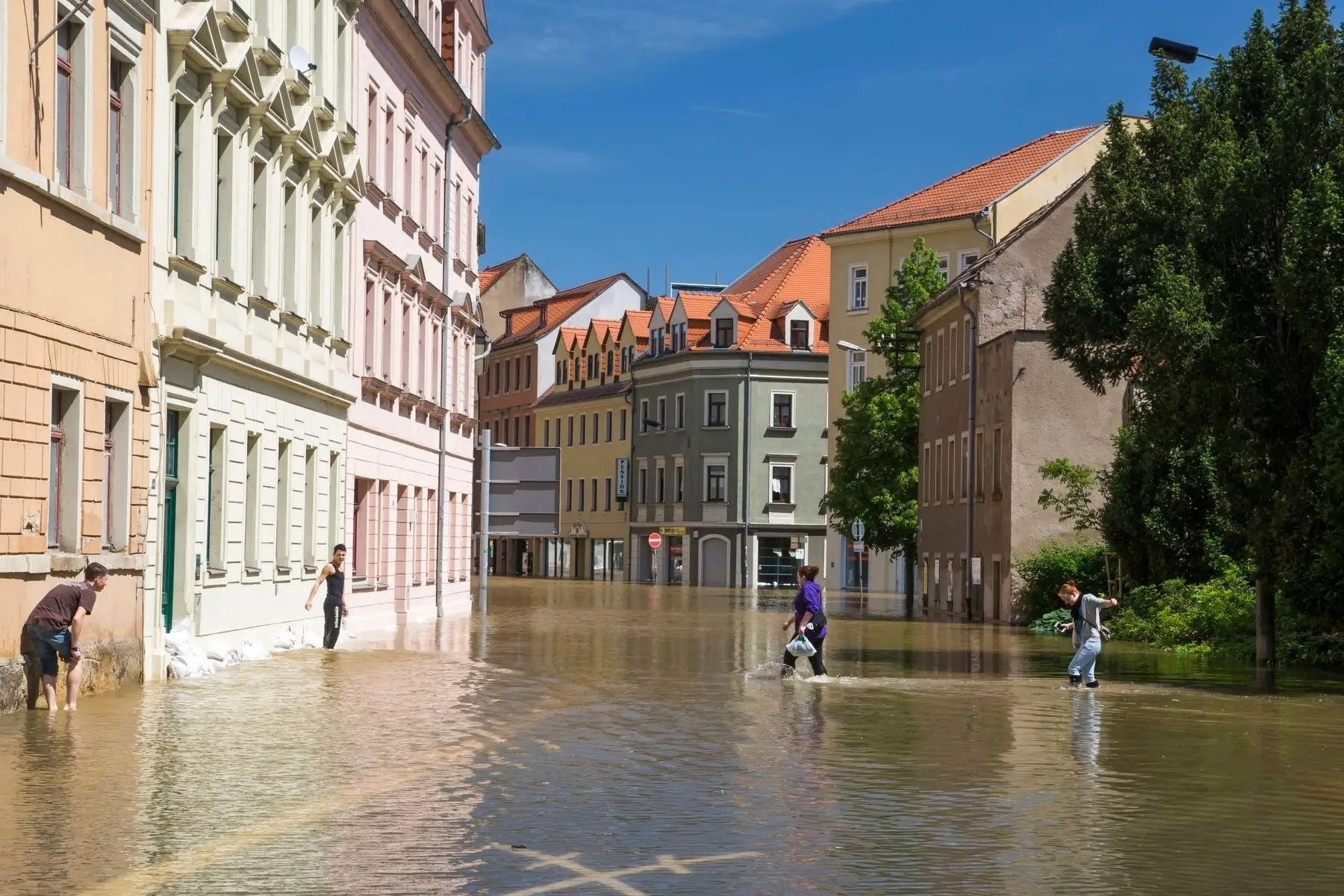
Even if emissions driving climate change are reduced, the climate has already changed and will keep responding for decades to the gases already accumulated in the atmosphere, which is why mitigation and adaptation strategies are needed.
Mitigation and adaptation to climate change
The response to climate change is organised around two complementary strategies: mitigation and adaptation. Both are needed because, even if emissions are cut, the climate has already changed and will keep responding for decades to the gases already accumulated in the atmosphere.
What is mitigation
Climate change mitigation covers actions aimed at reducing greenhouse gas emissions or at increasing their absorption through natural or artificial sinks. It includes measures such as the shift towards renewable energy, energy efficiency, transport electrification, improvements to industrial processes, emission cuts in agriculture and livestock farming, and the protection and restoration of ecosystems that act as carbon reservoirs. The goal of mitigation is to limit the scale of global warming and, in doing so, reduce the intensity of long-term climate impacts. The more ambitious the emission cuts, the less adaptation effort will be needed in the future.
What is adaptation
Adaptation refers to the adjustments made by natural and human systems in response to the actual or expected effects of climate change, aimed at reducing harm or seizing potential opportunities. Examples of adaptation include designing infrastructure that is more resilient to flooding and heatwaves, managing water in drought-prone contexts, adapting farming practices to new rainfall patterns, or building climate criteria into urban and territorial planning.
Unlike mitigation, which acts on the causes of climate change, adaptation acts on its consequences. The two strategies are complementary: mitigation reduces overall climate risk, while adaptation reduces the vulnerability of territories, sectors and communities.
Why environmental data matters for both strategies
Environmental data from continuous monitoring is a knowledge and tracking tool for both strategies. For mitigation, it helps to:
- Characterise emissions and pollutants.
- Assess trends.
- Identify emission sources.
- Support the verification of reduction measures.
For adaptation, it provides:
- Information on extreme episodes.
- Temperature and rainfall trends.
- Local conditions that help design infrastructure, protocols and management plans better suited to today’s and tomorrow’s climate.
Environmental monitoring is not a climate solution in itself, but a source of evidence for decision-making, policy evaluation and adjusting mitigation and adaptation strategies.

Understanding climate change rigorously requires going beyond a single observation or an isolated weather event.
Conclusion: why environmental data matters for understanding climate change
Climate change is a complex phenomenon, with multiple causes, effects that play out across different timescales and spatial scales, and a close relationship with atmospheric composition and air quality. Understanding it rigorously requires going beyond a single observation or an isolated weather event.
It requires time series built from decades of instrumental observations, historical records and satellite data, which make it possible to distinguish between the climate’s natural variability and the persistent trends linked to global warming. It also requires reliable data from reference networks and sensor networks based on standardised methodologies, ensuring that the changes detected are real and not artefacts of measurement. And it requires observations at different scales, from global climate variables such as average temperature or sea level, to local data on emissions, weather and air quality that help explain how climate change plays out in a specific territory.
Environmental monitoring contributes part of that evidence. Sensor networks based on continuous, real-time measurement and weather stations do not replace emissions inventories or the reference stations specifically designed to measure greenhouse gases, but they generate environmental data that shows how atmospheric conditions are evolving and how variables such as temperature, weather and air pollutants relate to one another. This information is valuable both for scientific research and for putting environmental management into practice, supporting impact assessment, trend verification, the design of mitigation and adaptation strategies, and evidence-based decision-making.
Understanding climate change is, to a large extent, a question of data: the more and better the observations available, the greater the ability to anticipate its effects and respond to them in an informed way.
 How to choose an air quality sensor: criteria for getting your project right
- Tunnel air quality monitoring: sensors, ventilation and safety
- Fugitive emissions management: detection and control of industrial leaks
- Fenceline monitoring at industrial sites: continuous monitoring and emission detection
- Near-reference monitoring: advanced accuracy in air quality measurement