Fugitive emissionsAtmospheric emissions are pollutants released into the air from both human activities and natural sources. The main anthropogenic sources include industry,...
Read more are releases of gases, vapours or particles that escape from an industrial facility without being channelled through a stack, duct or other controlled emission point. They typically originate from leaking valves, flanges, pumps, compressors, seals, pipework or tanks, and may contain pollutants such as methane, volatile organic compounds, hydrogen sulphide or ammonia. Because they are dispersed and often intermittent, they call for specific detection, control and monitoring strategies.
Although this description captures the practical essence of the concept, there is no single regulatory definition that applies to every sector and pollutant. Each regulatory framework adapts the term to the area it covers. For example, in the chapter on the use of organic solvents in Directive 2010/75/EU, fugitive emissions are volatile organic compound emissions that are not contained in waste gases. In the United States, the exact meaning varies depending on the regulatory programme and the industrial sector concerned. For this reason, this article adopts a descriptive definition based on the physical origin of the emission rather than on a specific legal framework, so as to offer a clear understanding that can be applied in general terms.
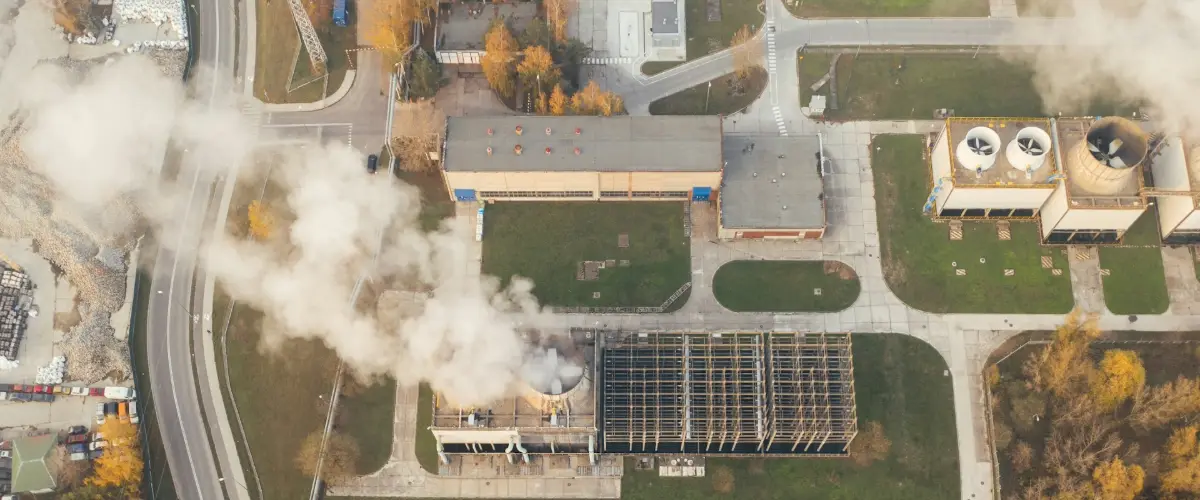
There is no universal composition for fugitive emissions. The pollutants they contain depend directly on the industrial process, the product being handled and the equipment they escape from.
What are fugitive emissions
To understand fugitive emissions in depth, it helps to look at what sets them apart. Unlike emissions released deliberately through points designed for that purpose, fugitive emissions do not normally pass through an extraction system or stack; instead, they escape accidentally or unintentionally from the equipment and components of a facility.
Their behaviour is variable. They can be continuous or intermittent, and their intensity depends on factors such as system pressure, temperature, material wear or the operating conditions at any given time. Many of these emissions are invisible and hard to observe directly, which complicates early detection and accurate quantification.
Air Quality Innovation in Just 1 Click
Stay informed about the air you breathe!
Subscribe to our newsletter to receive the latest updates on environmental monitoring technology, air quality studies, and more.
They tend to originate from a wide range of individual components rather than from a single source. The United States Environmental Protection Agency (US EPA) identifies valves, connectors, pressure relief devices, open-ended lines, flanges, compressors and instruments, among other elements found in practically any process plant, as potential sources of fugitive emissions.
Difference between fugitive, diffuse and channelled emissions
This distinction is essential to avoid conceptual confusion, especially because the terms “fugitive” and “diffuse” are sometimes used differently depending on the regulation or methodology applied. They should not be treated as universal legal categories, but they are useful practical classifications for understanding where each emission comes from:
| Type | Main characteristic | Practical example |
|---|---|---|
| Channelled | Released through a defined point designed specifically for discharging gases. | Stack, ventilation duct or extraction system. |
| Fugitive | Escapes from equipment or components with no intended channelling. | Worn valve, faulty gasket, poorly tightened flange, deteriorated pump seal. |
| Diffuse | Comes from a wide surface or activity, with no single identifiable point of origin. | Evaporation pond, material stockpile, landfill, loading and unloading of bulk solids. |
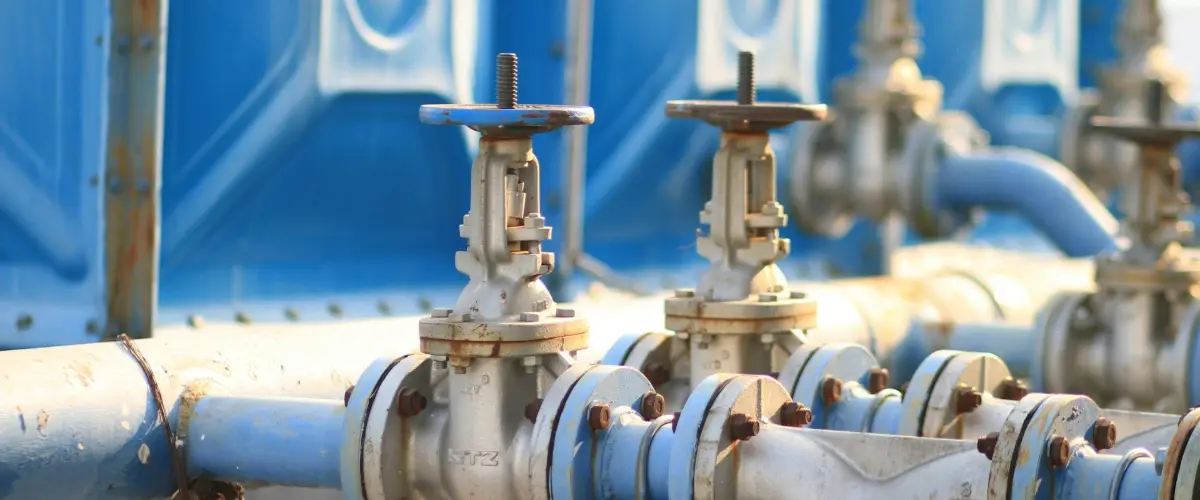
Pipe networks can leak fugitive emissions at their many connection points, but also through corrosion, impacts or installation defects.
Where fugitive emissions come from
Fugitive emissions do not have a single origin. They can arise at many points of an industrial facility where fluids, gases or chemicals are handled. Their appearance is linked to the operation of the equipment and to its natural wear over time.
The European standard EN 15446:2008, which addresses fugitive and diffuse emissions of common concern for industrial sectors, lists valves, flanges, connections, relief devices, drains, open-ended lines and pump and compressor sealing systems among the most common sources of volatile organic compounds.
The four most common types of source where fugitive emissions tend to occur are described below:
Valves, flanges and connections
These are the most frequent points of origin. Valves, which open and close repeatedly, suffer wear on their seals and seats that can let small amounts of product through. Flanges (the joints between sections of pipe or equipment) rely on gaskets that can deteriorate with temperature changes, vibration or pressure, causing leaks. Threaded or coupled connections are also vulnerable points if they are not properly maintained.
Pumps and compressors
By their very nature, these machines have moving parts that require sealing systems to prevent the process fluid from escaping. Mechanical seals and packings can degrade through use, temperature or the presence of corrosive products. In compressors, leaks can also occur at suction and discharge valves, as well as in the associated lubrication systems.
Tanks and storage systems
Tanks that store volatile liquids or pressurised gases are another potential source. Leaks can appear at closures, filling and emptying valves, connections, pressure gauges or pressure relief systems. In atmospheric storage tanks, emissions can also result from changes in level and temperature, although these are often classified as diffuse rather than strictly fugitive emissions.
Pipework and open-ended lines
Pipe networks can develop leaks at their many connection points, but also through corrosion, impacts or installation defects. Open-ended lines (exposed pipe terminations, drainage systems or purge points) are direct escape routes if they lack adequate closure systems or if these fail.
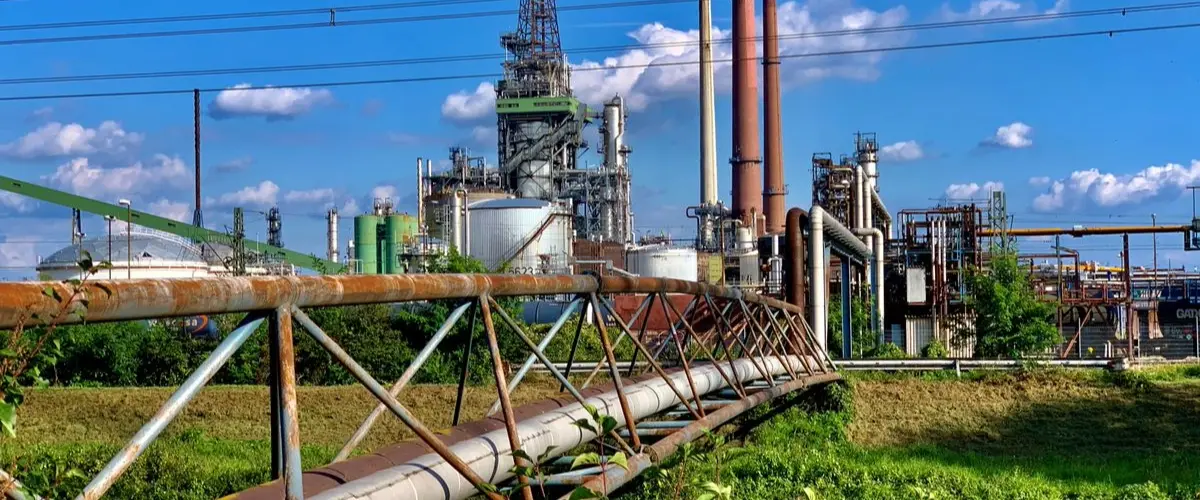
Fugitive emissions typically originate from leaks in valves, flanges, pumps, compressors, seals, pipework or tanks.
Which pollutants can be found in fugitive emissions
There is no universal composition for fugitive emissions. The pollutants they contain depend directly on the industrial process, the product being handled and the equipment they escape from. A single facility can generate fugitive emissions of different kinds depending on the area of the plant and the moment of operation.
The most common compounds and the sectors where they tend to be relevant are:
| Pollutant | Sectors where it may be relevant |
|---|---|
| Methane (CH4)Methane, known chemically as CH4, is a gas that is harmful to the atmosphere and to living beings because it has a high heat-trapping capacity. For this re... Read more |
Oil and gas, biogas plants, landfills, waste treatment. |
| Volatile organic compounds (VOCs) / Non-methane hydrocarbons (NMHCs) | Oil refining, petrochemicals, chemical industry, chemical manufacturing. |
| Hydrogen sulphide (H2S)Hydrogen sulphide (H2S), also known as hydrosulphuric acid or sewer gas, is a gas unmistakable due to its characteristic rotten egg smell, noticeable even ... Read more |
Oil and gas, refineries, wastewater treatment plants, waste treatment. |
| Ammonia (NH3)Invisible yet powerful: ammonia (NH3) is a colourless gas which, although naturally present in the atmosphere in small amounts, can become an unwelcome ene... Read more |
Chemical industry, fertiliser manufacturing, industrial refrigeration systems. |
| Other specific gases | Depending on the process and raw material of each facility (chlorine, nitrogen oxides, fluorinated compounds, etc.). |
There is no universal composition for fugitive emissions. The pollutants depend on the process, product and equipment involved.
Why fugitive emissions matter
Even if each individual leak may seem small in terms of the amount released, together they can account for a significant share of a facility’s total emissions. Their relevance spans three main dimensions: environmental, health-related and operational. Taken together, these releases have economic, environmental and occupational health implications that justify attention and control.
Environmental impact
Fugitive emissions contribute to different environmental problems depending on the pollutants they contain:
- When they include methane, a very potent greenhouse gas, they are a relevant factor in climate changeClimate change is the long-term shift in the Earth's climate conditions. It originates from natural factors, but today it is accelerating mainly because of...
Read more. - Many of the compounds released contribute to local and regional air pollution.
- Certain volatile organic compounds can react in the atmosphere and contribute to the formation of tropospheric ozone, a secondary pollutant harmful to health and ecosystems.
Health and exposure
Some of the compounds that can escape as fugitive emissions are irritant, toxic or even carcinogenic at certain concentrations and exposure times.
It is important not to generalise, since not all fugitive emissions pose the same risk: this depends on the type of pollutant, the amount released, the duration of exposure and the ventilation conditions of the location. Even so, controlling them is essential to protect workers’ health and, where emissions reach the outside of the plant, the neighbouring population.
Operational impact
Beyond the environmental and health consequences, fugitive emissions also have a direct impact on plant operations:
- They represent a loss of product that, when accumulated, can mean a significant economic cost.
- They point to lower performance or efficiency of the equipment.
- They require maintenance interventions that, if not preventive, can lead to unplanned shutdowns.
- They can accelerate equipment deterioration through corrosion or material degradation.
- With flammable or toxic products, they add an operational risk of major incidents.
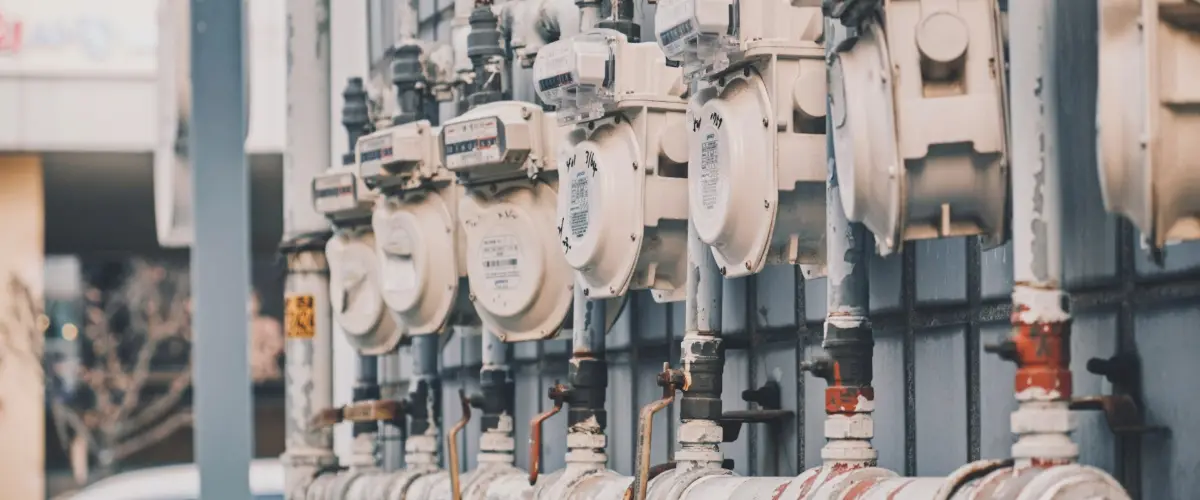
The appearance of fugitive emissions is linked to the operation of the equipment and to its natural wear over time.
In which industries fugitive emissions are most relevant
Fugitive emissions can occur in any facility that handles fluids, gases or chemicals under pressure or in conditions that make escape easier. They are, however, especially relevant in sectors where handling these products is intensive and continuous.
The industries where their presence and control matter most include:
- Oil and gas: from extraction through to transport and distribution.
- Refineries and petrochemicals: because of the wide variety of volatile organic compounds and hydrocarbons they handle.
- Chemical industry: because of the diversity of products, many of them toxic or hazardous.
- Biogas plants: mainly because of methane emissions.
- Wastewater treatment: especially because of hydrogen sulphide and other compounds generated in anaerobic processes.
- Landfills: because of the generation and release of methane-rich biogas.
- Certain manufacturing activities: where solvents, refrigerants or specialised chemicals are used.
Each industrial sector has its own particularities regarding pollutant types, emission sources and applicable regulatory frameworks, but the concept of a fugitive emission as an unchannelled release from equipment and components is common to all of them.
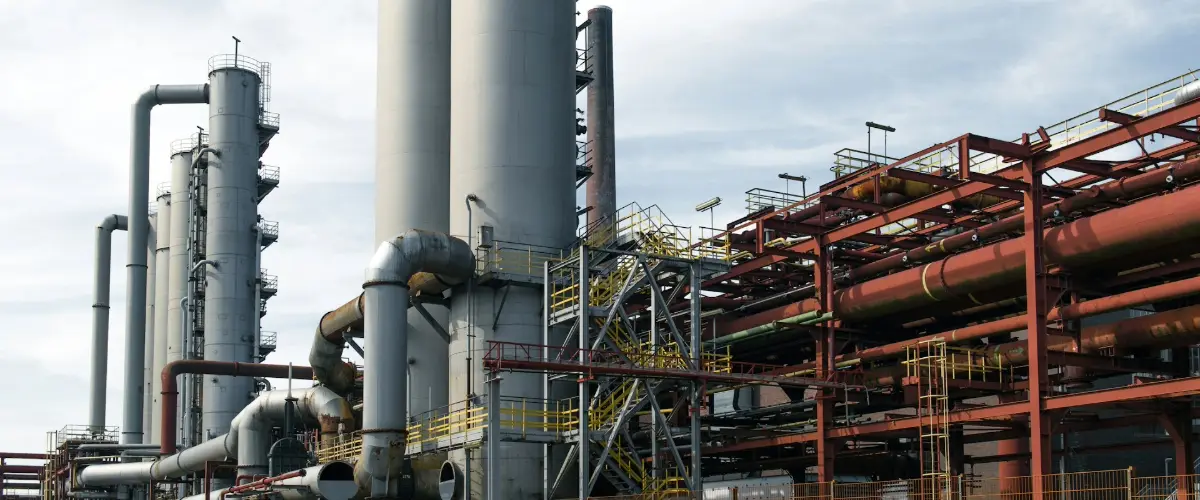
Fugitive emissions can be continuous or intermittent, and their intensity depends on factors such as system pressure, temperature, material wear or the operating conditions at any given time.
How fugitive emissions are detected
Given their dispersed, often invisible and time-varying nature, fugitive emissions require specific detection methods adapted to each situation. Several technology families are used depending on the case: from visual or olfactory inspection where applicable, to portable detectors following the methodology known as US EPA Method 21, and optical gas imaging (OGI) cameras that make gas clouds invisible to the human eye visible. There are also leak detection and repair (LDAR) programmes, continuous monitoring systems installed at strategic points and fenceline monitoringFenceline monitoring is the continuous measurement of air quality along the boundary of an industrial facility using environmental monitoring technologies ...
Read more networks that track the impact at the facility boundary.
The choice of method depends on the pollutant, the source, the purpose of the measurement and the regulatory framework. LDAR surveys, OGI cameras and continuous monitoring networks serve different functions and are usually complementary. To learn about the differences between methods and how to combine them in an effective strategy, read our complete guide to fugitive emissions monitoring.
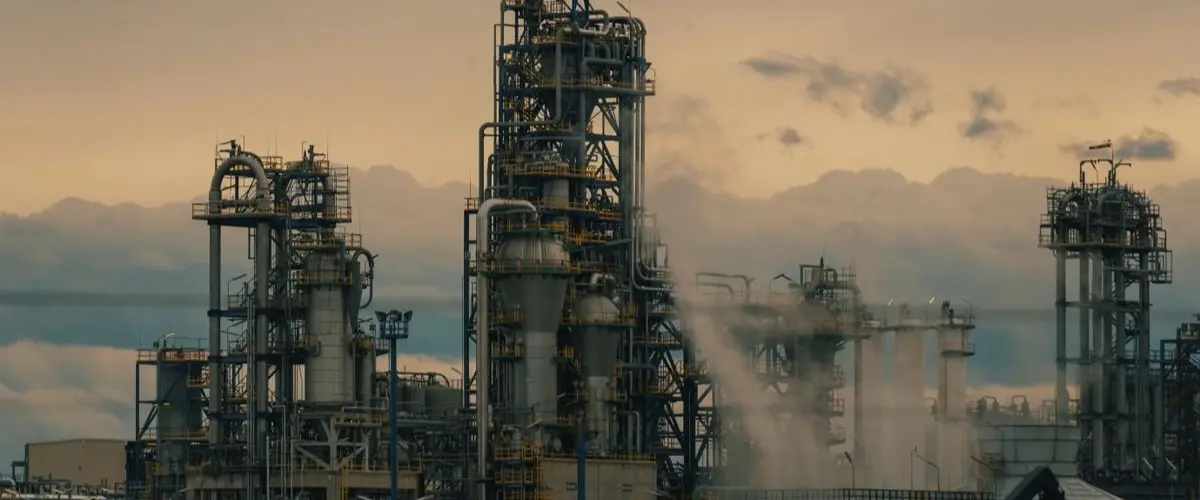
Fugitive emissions do not normally pass through an extraction system or stack; instead, they escape accidentally or unintentionally from the equipment and components of a facility.
Concepts related to fugitive emissions
Fugitive emissions are part of a broader set of concepts related to air qualityAir quality refers to the state of the air we breathe and its composition in terms of pollutants present in the atmosphere. It is considered good when poll...
Read more and industrial emissions. Knowing these terms helps to understand their origin and how they relate to other types of emissions and control strategies:
- Atmospheric emissions: the umbrella category covering all releases of pollutants into the atmosphere, whether channelled, fugitive or diffuse.
- Stack emissions: the opposite of fugitive emissions, channelled emissions released through a defined point designed for that purpose.
- LDAR (leak detection and repair): a systematic programme designed specifically to identify, quantify and repair fugitive emissions in industrial facilities.
- Fenceline monitoring: a monitoring strategy that measures the impact of emissions (including fugitive ones) at the facility boundary, to assess their effect on the surroundings.
- Volatile organic compounds (VOCs): one of the most common groups of pollutants in the fugitive emissions of sectors such as refining and chemicals.
- Methane (CH4): a potent greenhouse gas frequently released as a fugitive emission in the oil and gas sector, biogas plants and landfills.
- Hydrogen sulphide (H2S): a toxic pollutant with a characteristic odour that appears in the fugitive emissions of industries such as oil and gas, refineries and wastewater treatment plants.
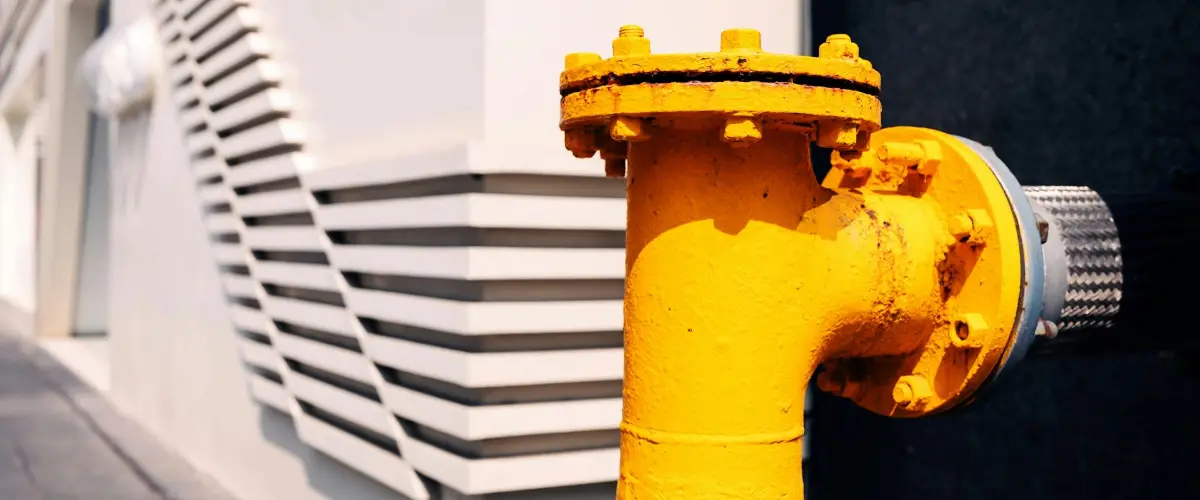
Valves, flanges and connections in industrial facilities are the most frequent points of origin of fugitive emissions.
Fugitive emissions: invisible, dispersed and far from irrelevant
Fugitive emissions are unchannelled releases that can originate at many points of an industrial facility (valves, flanges, pumps, pipework or tanks) and whose intensity varies over time with operating conditions and equipment wear. The pollutants they contain always depend on the process, equipment and product involved, with no universal profile.
The often invisible and dispersed nature of fugitive emissions explains why they require specific methods to be identified and quantified, and to be managed effectively.
 Environmental emergency response: real-time air monitoring during industrial incidents
- How to choose an air quality sensor: criteria for getting your project right
- Tunnel air quality monitoring: sensors, ventilation and safety
- Fugitive emissions management: detection and control of industrial leaks
- Fenceline monitoring at industrial sites: continuous monitoring and emission detection