The paper industry generates air, water, and soil pollution due to its high energy and resource consumption. Understanding these impacts and applying advanced monitoring and emission control technologies is essential to move towards a more sustainable paper production model.
If there is one material through which nature has become inseparably linked to human activity, it is paper. This thin sheet made from cellulose ,a polysaccharide that provides structural support to plant cells, has been inextricably connected with humanity since its origins.
However, industrial paper production involves a significant consumption of energy and water. Moreover, it makes a considerable contribution to global greenhouse gas emissions (Fernández, J.C. et al., 2021).
Its environmental impact is severe, as the industrial papermaking process is one of the largest sources of air and water pollutants, particularly when paper is produced from virgin fibres, mainly derived from wood.
Over the past decades, the use of recycled paper has increased significantly. Its production requires less raw material and up to 70% less energy. However, global paper consumption continues to rise, and it is still regarded as an indicator of development, representing nearly 4% of the world’s industrial GDP.
Air Quality Innovation in Just 1 Click
Stay informed about the air you breathe!
Subscribe to our newsletter to receive the latest updates on environmental monitoring technology, air quality studies, and more.
Controlling pollution from the paper industry, both in pulp production and in the final manufacturing process, is crucial, as the sector is responsible for around 2% of total global industrial emissions.
Carbon dioxide (CO2)Carbon dioxide (CO2) is a gas that occurs naturally in the atmosphere and plays a crucial role in the life processes of the planet. This gas, also known as...
Read more, one of the main greenhouse gasesGreenhouse gases (GHGs) are natural and anthropogenic gases that trap heat in the Earth's atmosphere, regulating the planet’s temperature. However, when th...
Read more driving climate changeClimate change is the long-term shift in the Earth's climate conditions. It originates from natural factors, but today it is accelerating mainly because of...
Read more, is also the primary gas emitted during the production of paper and cardboard. Each kilogram of paper produced releases approximately 3.3 kg of CO2 into the atmosphere. Controlling CO2 emissions through technological innovation and improved process efficiency ,such as optimising paper drying, is key to reducing its environmental footprint.
Likewise, implementing networks of pollutant sensors, such as those developed by Kunak, enables early detection and prevention of air qualityAir quality refers to the state of the air we breathe and its composition in terms of pollutants present in the atmosphere. It is considered good when poll...
Read more degradation. This approach allows for accurate environmental management and represents a tangible step towards a cleaner, healthier, and more sustainable future for life on our planet.
Production processes in the paper industry
Industrial paper production begins with virgin wood fibres, which must come from sustainably managed forests to ensure traceability and minimise deforestation impacts. The process starts with debarking, where the outer bark is removed from the logs before chipping them into small pieces suitable for pulp production.
Main stages of the papermaking process
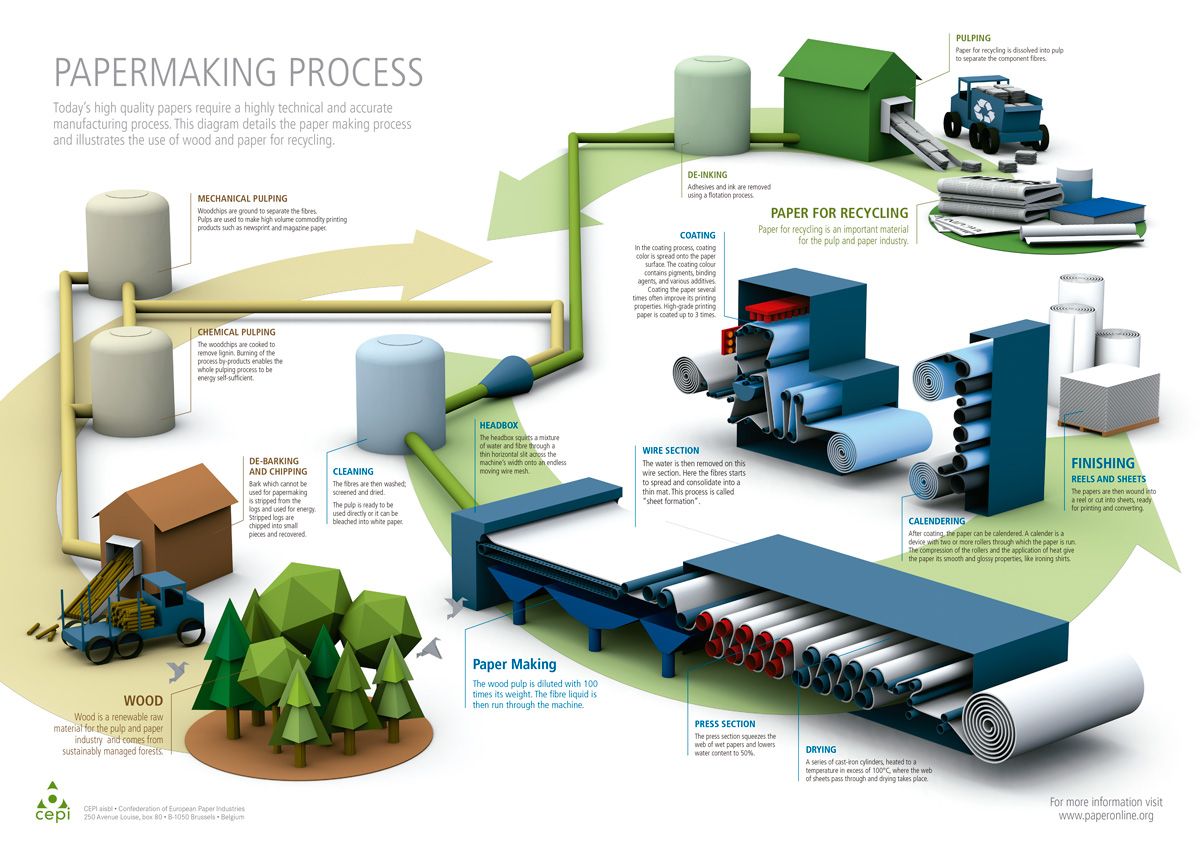
Infographic on the paper manufacturing process – Source: CEPI (click on the image to view full size)
The production process of the paper industry consists of several interlinked stages that transform wood into a high-quality finished product. Each stage affects energy efficiency, water consumption, and emissions, making process control essential for sustainable production.
Pulping
Wood chips are transformed into a fibrous pulp composed mainly of cellulose and lignin, an organic polymer that gives wood its rigidity. There are two main pulping methods:
- Chemical pulp, where chips are cooked in chemical solutions to dissolve lignin and separate the fibres, producing a high-quality pulp used for fine papers.
- Mechanical pulp, where chips are ground or refined to physically separate the fibres, typically used for lower-quality papers such as newspapers or magazines.
Bleaching
After pulping, the fibre mixture is usually subjected to a bleaching process to improve its whiteness and brightness. This stage involves agents such as chlorine dioxide, hydrogen peroxide, or oxygen, depending on the required quality and current environmental standards.
Drying and finishing
The pulp is diluted with water at a ratio of approximately 100:1, forming a suspension that is spread over a moving mesh to create a continuous paper sheet. It then passes through a series of presses that remove about 50% of the water content, followed by drying cylinders heated to around 100 °C.
Finally, calender rollers apply pressure and heat to achieve the paper’s characteristic smooth or glossy finish.
Energy and water consumption in production
Pulp and paper manufacturing is an energy- and water-intensive industry. Large volumes of steam and electricity are required for cooking, drying, and bleaching stages, while freshwater is essential for pulp dilution, washing, and chemical preparation.
Modern plants seek to recover energy through cogeneration systems and to reuse process water to reduce their environmental footprint.
Main emission sources
The main sources of emissions in paper mills are:
- Boilers, which burn fossil fuels or biomass to generate steam and heat, emitting CO2, NOX, and SO2.
- Digesters, where wood chips undergo chemical treatment, releasing volatile organic compounds (VOCs) and sulphur compounds.
- Bleaching units, which can emit chlorinated organics and odorous gases.
- Wastewater treatment systems, which may release methane (CH4)Methane, known chemically as CH4, is a gas that is harmful to the atmosphere and to living beings because it has a high heat-trapping capacity. For this re...
Read more, hydrogen sulphide (H2S)Hydrogen sulphide (H2S), also known as hydrosulphuric acid or sewer gas, is a gas unmistakable due to its characteristic rotten egg smell, noticeable even ...
Read more, and ammonia (NH3)Invisible yet powerful: ammonia (NH3) is a colourless gas which, although naturally present in the atmosphere in small amounts, can become an unwelcome ene...
Read more during biological decomposition.
The use of advanced monitoring and control technologies, such as gas detection and air quality measurement systems by Kunak, is essential to ensure regulatory compliance and to reduce emissions and odours associated with production processes.
Global footprint and sustainability challenges
The pulp and paper industry plays a significant economic role but faces major sustainability challenges. Its global footprint includes:
- High energy demand, often linked to the use of fossil fuels.
- Intensive water consumption and the generation of effluents containing organic matter and chemical residues.
- Air emissions that can affect local air quality and contribute to the greenhouse gas inventory.
To mitigate these impacts, the sector is investing in cleaner production technologies, closed-loop water recycling systems, and the integration of renewable energy sources. Additionally, promoting the use of certified forests (FSC, PEFC) and increasing recycling rates are key strategies to reduce pressure on natural resources.
Types of pollution generated by the paper industry
The paper industry, while a key driver of economic growth and an indispensable element of daily life, has a considerable environmental impact that demands increasingly responsible management.
Throughout the paper production process, there is a high consumption of energy and natural resources such as water. At the same time, the industry produces solid waste and emits greenhouse gases.
Although recycled paper is more sustainable,since it requires less energy to produce from previously used paper,it still generates solid waste and consumes significant amounts of water.
The environmental consequences of paper consumption are divided among several types of pollution primarily derived from industrial papermaking activity:
Water pollution and discharges
The paper manufacturing industry is one of the largest consumers of water across all its stages,from transforming wood into pulp to bleaching paper. It takes approximately 10 litres of water to produce a single sheet, illustrating the industry’s high demand for this vital resource.
The chemicals used in pulp production and bleaching, although increasingly chlorine-free, remain harmful to both the environment and human health.
Water acts as a transport medium to remove fibres and inorganic materials used in production, along with compounds generated during industrial reactions.
The resulting aqueous effluent carries these contaminants and transfers their toxicity to aquatic ecosystems, affecting marine life and degrading the quality of the water we depend on daily.

Detail of the paper production process
Solid waste and sludge management
During the pulp and paper manufacturing process, organic solid waste is generated, including wood residues, sludge, hemicellulose, lignin, resins, bark, cooking liquors, extractable organic halides, phenols, and volatile organic compounds. Additionally, inorganic waste such as ash, slag, and salts is produced.
Beyond the chemical discharges generated in papermaking, the industry also produces physical contaminants. Paper itself is a pollutant when not properly recycled or managed, generating massive volumes of waste.
White paper can take up to five years to decompose in nature. When accumulated, it contributes to soil degradation and habitat loss.
Used paper and cardboard are among the largest categories of household waste. In 2021, the EU generated 84 million tonnes of packaging waste, 40.3% of which was paper and cardboard.
Deforestation and raw materials
Paper production requires the harvesting of vast forest areas, as wood is the main source of fibre for pulp manufacturing. It is estimated that approximately 17 trees are needed to produce one tonne of white paper.
Uncontrolled logging without sustainable management plans leads to deforestation and contributes to the acceleration of climate change, as trees act as major carbon sinks for CO2, one of the primary greenhouse gases.
Likewise, the loss of forests has a serious impact on biodiversity, as these ecosystems provide habitat for a wide range of plant and animal species.

Traditional paper inks are harmful to health and the environment
Inks, additives, and chemical pollutants
Paper waste poses a significant environmental challenge due to the inks and other chemicals used in production. These substances become toxic when released into the environment, ultimately affecting human health through contamination of soil, water, and air.
Traditional inks contain volatile organic compounds (VOCs) that are harmful to both human health and the environment.
The manufacturing of inks also requires large amounts of energy and natural resources. Furthermore, printed papers such as newspapers and official documents are difficult to recycle, since separating ink from paper is a costly and complex process.

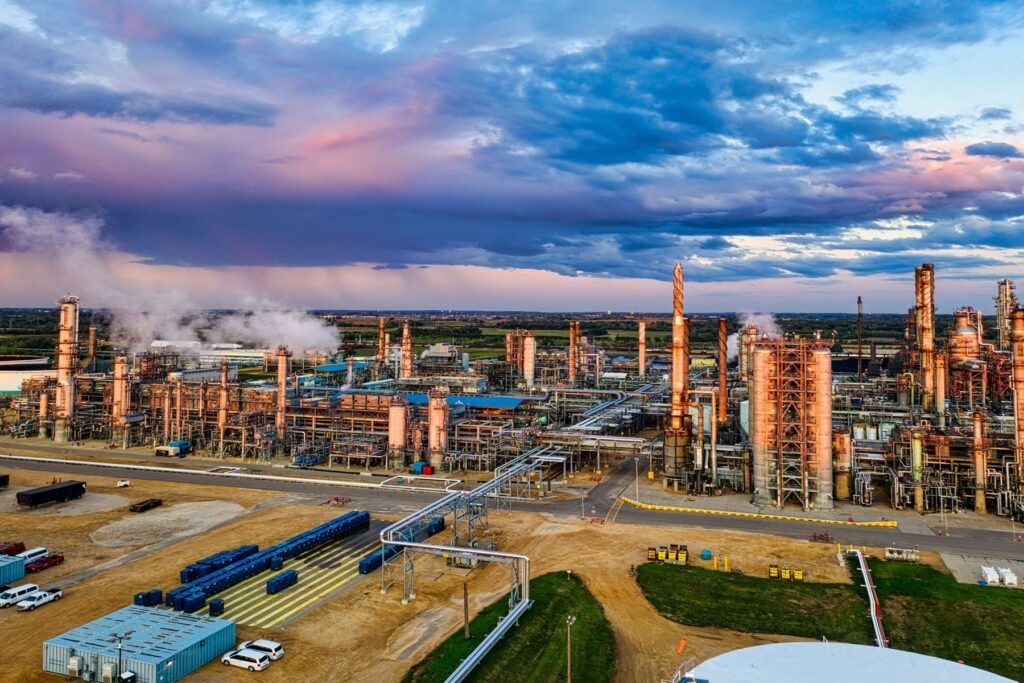
Exterior view of a paper mill
Air pollution and atmospheric emissions
The use of fossil fuels during paper production leads to emissions of heavy metals, fine particles, and dioxins originating from organochlorine compounds.
Most importantly, it releases greenhouse gases such as carbon dioxide (CO2), methane (CH4), nitrogen dioxide (NO2), and sulfur dioxide (SO2), which directly worsen the greenhouse effect that drives global warming,one of the greatest environmental threats of our time.
These air pollutantsAir pollution caused by atmospheric contaminants is one of the most critical and complex environmental problems we face today, both because of its global r...
Read more are known to be harmful to ecosystems and are directly linked to adverse health effects, causing various types of cancer as well as respiratory and cardiovascular diseases.
Another major environmental challenge is the issue of unpleasant odours produced by the paper industry. These originate from volatile chemical compounds carried through the air. Their presence can affect human well-being, causing symptoms such as headaches, dizziness, and insomnia.
Occupational risks and worker exposure
Occupational hazards in paper mills are directly related to exposure to gases, noiseImagine waking up every morning at 5:00 a.m. to the relentless roar of a motorway just metres from your window. Experiencing such high-intensity noise is n...
Read more, and airborne particles generated during production. Harmful compounds such as sulfur compounds, nitrogen oxides (NOx), VOCs, and cellulose dust can contaminate the work environment if not properly controlled.
Paper industry workers are constantly exposed to chemical vapours, aerosols, and wet-process residues, increasing the risk of respiratory issues, eye and skin irritation, and, in prolonged cases, chronic disorders from repeated exposure.
Additionally, continuous noise from boilers, refiners, and drying systems can cause hearing fatigue and occupational stress, particularly when ventilation conditions are inadequate.
Odour control is also part of preventive management. Although Spain lacks specific regulations on industrial odours, maintaining optimal environmental conditions contributes to more efficient processes and healthier, safer workplaces.
Importance of air monitoring
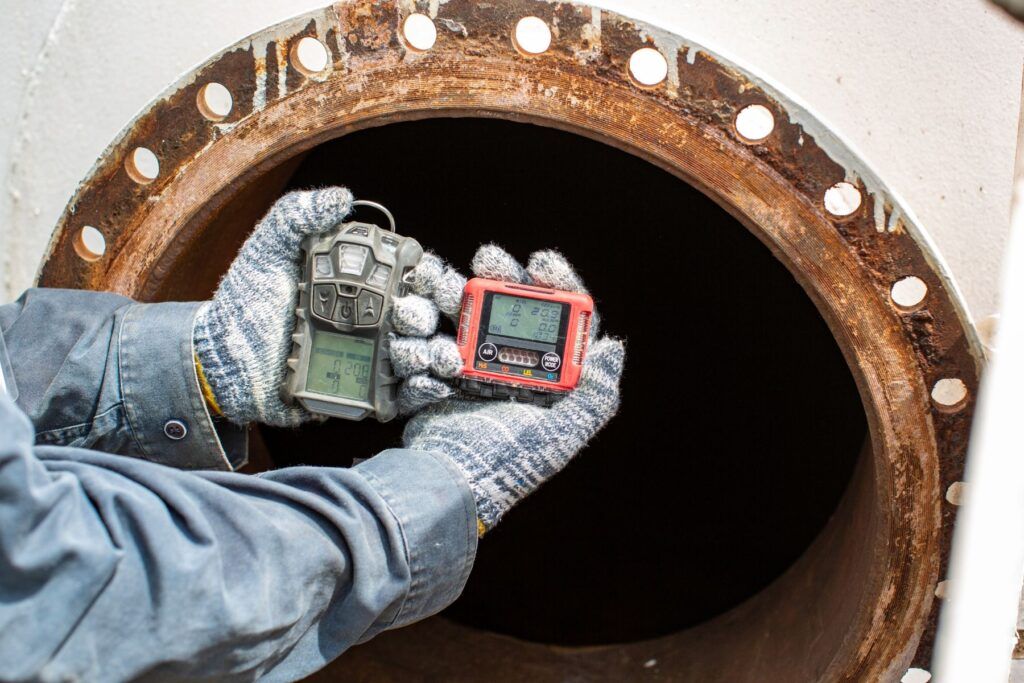
Air monitoring in paper plants is essential to detect abnormal concentrations of toxic gases and to assess air quality in work areas.
Multiparameter sensor systems can measure, in real time, pollutants such as H2S, NH3, CO, SO2, and VOCs, triggering alerts in case of leaks or accumulation.
Having continuous air quality data not only protects employee health but also ensures compliance with occupational safety standards and exposure limits set by agencies such as the European Agency for Safety and Health at Work (EU-OSHA).
The integration of advanced environmental monitoring systems, such as those developed by Kunak, provides a reliable solution to prevent risks, reduce internal emissions, and improve industrial safety management.
Sustainable production and alternatives to paper
The paper industry plays an essential role in modern society, as paper is widely used in education, communication, packaging, and hygiene. However, it faces a major challenge: moving toward more sustainable and environmentally friendly production processes without compromising quality or competitiveness.
Toward cleaner and more efficient production
The main challenge for the sector is to reduce the environmental impact of its production cycle through the adoption of cleaner technologies and the minimization of hazardous chemical use. Key measures include:
- Replacing chlorine-based bleaching processes, which generate organochlorine compounds harmful to health and ecosystems, with more environmentally friendly alternatives.
- Introducing pre-bleaching enzymes, such as xylanase (Troyes O.R. & Cubas, M.A., 2019), which maintain paper quality while reducing the use of toxic substances.
- Promoting energy efficiency and optimizing water consumption throughout all production stages.
These initiatives contribute to a model of clean innovation, driven by renewable energy and smarter resource management.
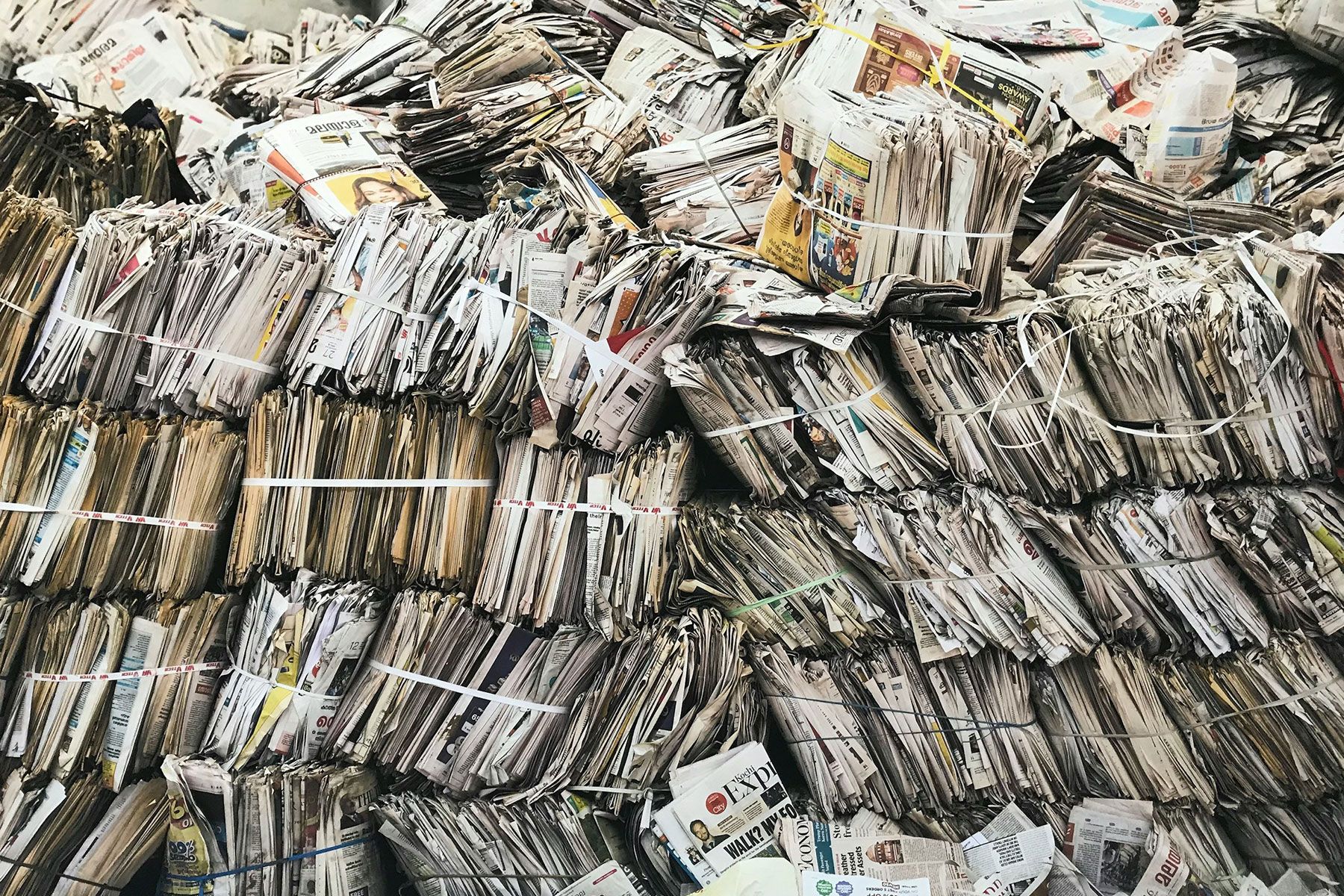
Stacks of newspapers ready for recycling
Recycled paper and biodegradable materials
Recycled paper is one of the most effective alternatives within sustainable practices in the paper industry. Its production requires fewer natural resources and less energy, while also helping to reduce waste generation.
Currently, 52% of the paper and cardboard produced worldwide comes from recycled fibres , a clear indicator of the industry’s progress toward circular models.
However, this process also presents challenges, such as the removal of contaminating inks and the improvement of collection and sorting systems.
At the same time, there is growing interest in incorporating biodegradable materials into packaging and paper products, reducing landfill impact and promoting compostability.
New plant fibres: an alternative to traditional paper
Another area of innovation focuses on the use of alternative plant fibres such as bamboo, straw, or agricultural residues, which provide a more sustainable option than tree harvesting.
These fibres are not only renewable but also help preserve the capacity of forests to capture CO2, making them a key resource in combating climate change.
Paper produced from these sources has proven to have equal or even superior quality compared to traditional paper. However, industrial adoption requires machinery adaptation and significant initial investment.
Circular design and environmental footprint reduction
The future of the paper sector lies in consolidating a circular model, where products and materials retain their value for as long as possible.
To achieve this, paper companies are adopting strategies such as:
- Optimizing raw material use and recovering waste from the production process itself.
- Energy recovery from by-products and reduction of pollutant gas emissions.
- Continuous assessment of environmental impact throughout the entire value chain.
These actions not only strengthen companies’ environmental responsibility but also enhance their operational efficiency and improve their reputation among customers and institutions.
Overall, sustainable practices in the paper industry are transforming how this everyday material is produced, used, and reused. Moving toward cleaner, circular manufacturing powered by renewable energy is key to ensuring an environmentally responsible and economically viable future.
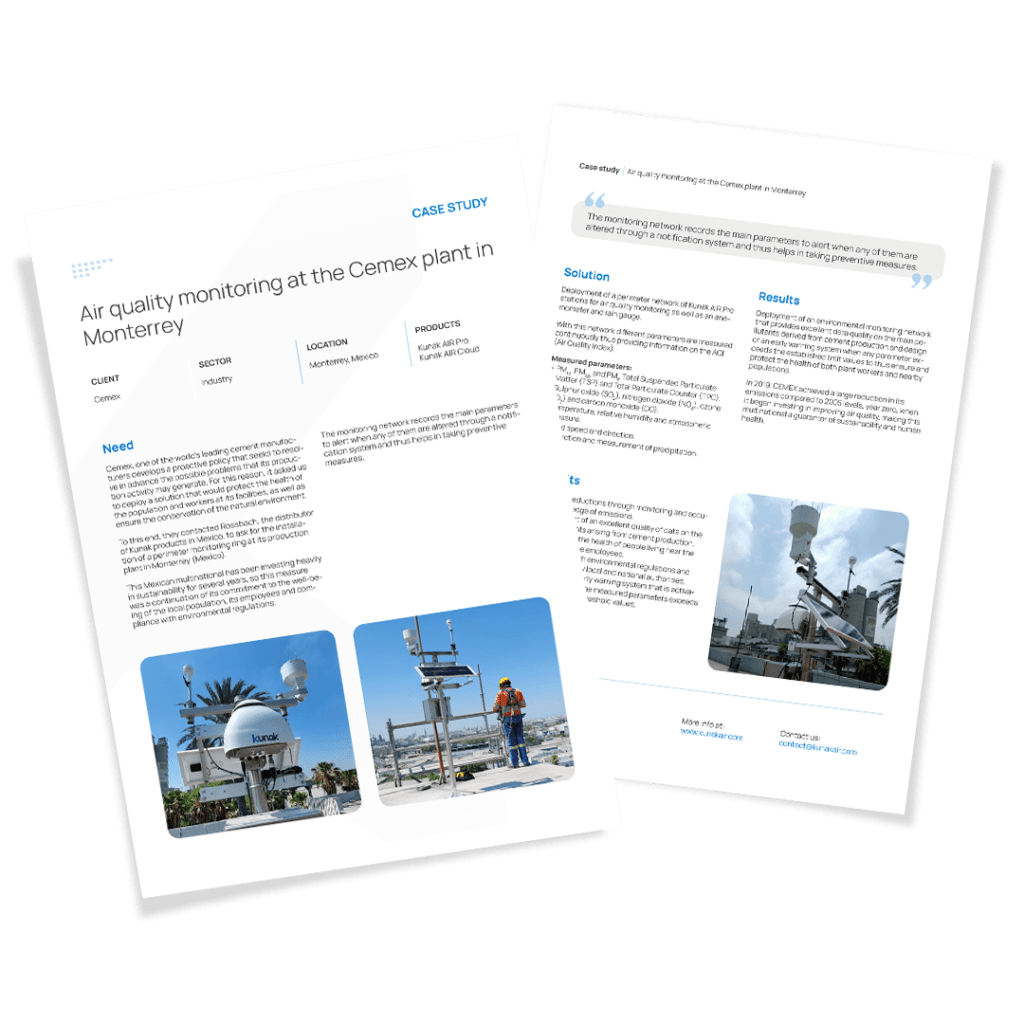
Looking to control the impact of your processes on air quality?
Download the technical report [PDF] on the air quality monitoring network deployed at the Cemex plant.
Kunak solutions for environmental control and monitoring in the paper industry
Controlling gaseous emissions in the paper industry is essential to comply with air quality regulations, protect workers’ health, and reduce the environmental impact on nearby communities.
Monitoring industrial emissions in paper mills allows operators to identify pollutants released during cooking, drying, or bleaching processes, and to act early in case of deviations or abnormal levels.
The most common gases in the sector, such as sulfur dioxide (SO2), nitrogen oxides (NOX), and volatile organic compounds (VOCs), can disperse with the wind and cross natural barriers, affecting air quality and contributing to the premature death of millions of people each year while worsening cardiovascular and respiratory diseases (Daza & Vidal, 2018).
Kunak intelligent systems for comprehensive environmental control
The Kunak AIR Pro and AIR Lite multiparameter stations provide an advanced, modular solution for continuous environmental monitoring in industrial environments. With their flexible architecture and interchangeable cartridges, they can simultaneously measure gases, particles, and meteorological parameters with accuracy comparable to reference instruments.
Air monitoring (CO2, NOX, SO2, VOCs)
Paper mills can integrate Kunak AIR sensor networks within their facilities to detect and quantify atmospheric pollutants in real time. Continuous analysis of CO2, NOx, SO2, and VOCs helps identify emission patterns associated with different production processes and evaluate the performance of air purification systems.
Odour and H2S detection
Hydrogen sulfide (H2S) is one of the main compounds responsible for the characteristic odour of the paper industry.
Using high-sensitivity cartridges, Kunak stations can measure low concentrations of H2S and other odorous gases such as NH3 and mercaptans, anticipating odour events before they reach perceptible or nuisance levels for nearby residents.
Identification of emission sources and regulatory compliance
Kunak systems can be deployed in distributed monitoring networks that, when combined with meteorological data (wind speed and direction), enable the accurate identification of emission sources and verification of compliance with established regulatory limits.
The traceability of the collected data supports auditable reporting and transparent communication with authorities and local communities.
Integration with ESG and corporate sustainability strategies
Data generated by Kunak solutions can be easily integrated into environmental management platforms and ESG (Environmental, Social and Governance) strategies.
This allows paper companies to demonstrate their commitment to sustainability, mitigate reputational risks, and make data-driven decisions to improve their environmental performance.
Adopting intelligent industrial emissions monitoring systems in paper mills not only ensures compliance with current legislation but also promotes safer, more efficient, and responsible production, aligned with global sustainability and climate neutrality goals.
Frequently asked questions about the environmental impact of the paper industry
What are the main pollutants generated by the paper industry?
Paper mills can emit gases such as CO2, NOx, SO2, VOCs, NH3, and H2S, as well as particulate matter and solid waste released during combustion, drying, and bleaching. These pollutants directly affect air, water, and soil quality, contributing to climate change and environmental acidification.
In particular, CO2, CH4, and NOx are linked to greenhouse gas emissions, while SO2, NH3, and VOCs cause odours and photochemical reactions that impact respiratory health. Through continuous monitoring systems like those developed by Kunak, it is possible to identify emission sources, quantify concentrations, and apply corrective actions in real time to ensure compliance with environmental regulations.
How does paper production affect air quality?
The paper manufacturing process releases gases and odours from combustion, bleaching, and wastewater treatment. During wood cooking and pulp production, compounds such as
H2S, NH3, and VOCs are generated and dispersed into the air, contributing to the formation of ground-level ozone and unpleasant odours. Additionally, the combustion of biomass or fossil fuels in boilers emits NOx and SO2, which are key contributors to local air pollution.
Atmospheric emission monitoring using multiparameter sensors allows the detection of pollution peaks and activation of mitigation plans. With real-time data, paper mills can adjust ventilation systems, optimize filter performance, or temporarily reduce production in highly emissive areas , promoting a healthier working and urban environment.
What solutions exist to reduce the environmental impact of the paper industry?
The combination of emission control technologies, renewable energy integration, and smart sensor systems is key to reducing the paper industry’s environmental footprint. These solutions help improve energy efficiency, minimize the use of harsh chemicals, and enhance environmental data traceability.
Among the most effective measures are the use of pre-bleaching enzymes to replace chlorinated compounds, the installation of biofilters and advanced purification systems, and the adoption of renewable energy sources to power production processes. By integrating continuous monitoring, companies can establish early warning systems, evaluate performance, and progress toward more sustainable production aligned with ESG objectives.
Which gases and particles can be measured in a paper mill with Kunak?
Kunak AIR stations can measure a wide range of pollutants, including CO, NO, NO2, O3, SO2, CO2, H2S, NH3, VOCs, and CH4, as well as particulate matter PM1, PM2.5, and PM10. These parameters provide a comprehensive view of the industrial environment and the impact of each production stage on air quality.
These sensor networks deliver accurate, traceable data calibrated according to European standards (CEN/TS 17660), ensuring their reliability for environmental audits. Thanks to IoT connectivity and the Kunak Cloud platform, it is possible to visualize trends, generate automatic and customized reports, and plan corrective actions quickly , reinforcing regulatory compliance and environmental transparency.
Why is odour monitoring important in the paper industry?
Sulfur compounds (H2S, CH4S) and VOCs generate strong, characteristic odours that can be perceived several kilometres away, affecting the quality of life in nearby communities. These odour episodes often coincide with specific weather conditions such as low wind speeds or thermal inversions, which favour their accumulation in the surrounding area.
Continuous monitoring with high-sensitivity sensors makes it possible to detect low concentrations of odorous gases and accurately locate emission sources. With this data, paper mills can implement preventive measures such as process adjustments, improved ventilation, or enhanced chemical treatment systems , significantly reducing nuisance odours and strengthening community relations and environmental stewardship.
Conclusion
Controlling and reducing industrial emissions in the paper industry are essential steps toward cleaner, more sustainable production. A strategy based on continuous measurement of atmospheric pollutants makes it possible to identify emission sources, optimize processes, and protect both workers’ health and the air quality in surrounding communities.
Advanced environmental monitoring has become a key tool in the ecological transformation of the paper sector. With accurate, real-time data, companies can make more efficient decisions, comply with regulatory standards, and strengthen their commitment to sustainability and decarbonization objectives.
At Kunak, we help you reduce your plant’s environmental impact through intelligent monitoring and continuous emissions control solutions.
Sources and references
- Canciano Fernández, M., Reinosa Valladares, X., & Hernández (2019). Estimation of the Carbon Footprint in the Paper Industry.
- A. Daza, A. Vidal (2018). Estimation of Atmospheric Pollutant Dispersion from a Paper Industry Using the AERMOD Model.
- A. Gredilla (2019). Paper Manufacturing Process. Application of Renewable Energy Sources.
- ASPAPEL (2023). Sustainability Report of the Spanish Paper Sector 2023. Spanish Association of Pulp, Paper and Board Manufacturers. https://www.aspapel.es.
- Daza, O. A., & Vidal, A. (2018). Atmospheric Impact Assessment of Paper Industry Emissions in Urban and Industrial Environments. Journal of Environment and Energy, 12(3), 45–56.
- European Environment Agency (EEA). (2022). Industrial Emissions and Air Quality in Europe , 2022 Overview Report. Publications Office of the European Union. https://www.eea.europa.eu.
- Environmental Protection Agency (EPA). (2021). Air Emissions from Pulp and Paper Mills (Sector Notebook Project). United States Environmental Protection Agency. https://www.epa.gov.
- Kaur, H., & Singh, G. (2022). Cleaner Production and Energy Efficiency in Pulp and Paper Manufacturing: A Review. Environmental Science and Pollution Research, 29(11), 16138–16155. Springer. https://doi.org/10.1007/s11356-021-16420-z.
- MDPI. (2023). Sustainable Practices in the Paper and Pulp Industry: Monitoring and Emission Control Strategies. Sustainability, 15(8), 6574. https://www.mdpi.com/2071-1050/15/8/6574.
- Troyes, O. R., & Cubas, M. A. (2019). Application of Pre-Bleaching Enzymes in the Paper Industry: Effects on Process Efficiency and Product Quality. Chemical and Environmental Engineering, 8(2), 29–38.
- European Commission. (2024). Best Available Techniques (BAT) Reference Document for the Production of Pulp, Paper and Board (BREF). Joint Research Centre. https://eippcb.jrc.ec.europa.eu.