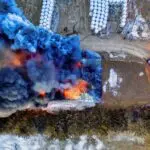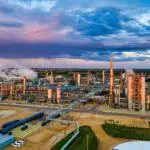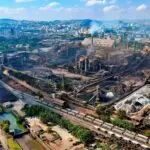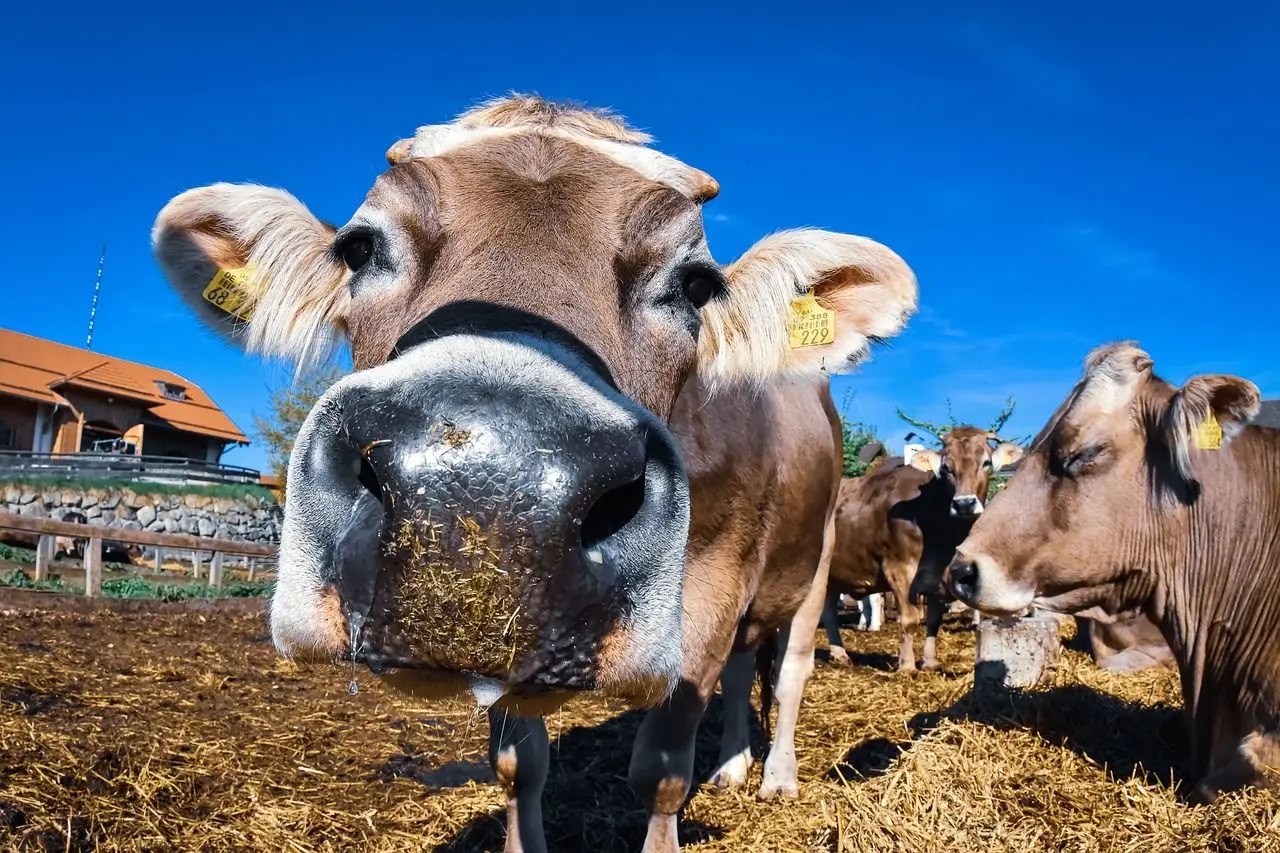

Agricultural air pollution affects air quality through emissionsAtmospheric emissions are pollutants released into the air from both human activities and natural sources. The main anthropogenic sources include industry,...
Read more of ammonia (NH3) and particles, and contributes to climate change by releasing methane (CH4) and nitrous oxide (N2O). Ammonia comes from fertilisation and from the management of manure and slurry, and it can promote the formation of fine particles (PM2.5). Farm work generates dust, while the digestion of ruminants and the storage of slurry release methane. Fertilised soils and manure management also release nitrous oxide.
Managing emissions from livestock and agriculture requires identifying their sources and checking with data whether the reduction measures work. Sensors track the concentrations of gases and particles in the air and detect changes. However, a concentration is not the same as an emitted amount: to estimate emissions from a livestock building, you also need to know its ventilation or air exchange and apply a suitable calculation method.
Inventories show that methane from ruminants, nitrogen oxides released by agricultural soils and ammonia from intensive livestock farming are key pieces of the climate puzzle and of the air qualityAir quality refers to the state of the air we breathe and its composition in terms of pollutants present in the atmosphere. It is considered good when poll...
Read more that millions of people breathe in rural and peri-urban areas.
This article explains where these emissions come from, which measures can reduce them and how to quantify them. In a livestock building, estimating how much gas is emitted requires knowing both the concentrations of the incoming and outgoing air and the ventilation rate. We look at the intersection between food production, the atmosphere and animal welfare, to understand how an essential sector can change if it decides to measure, manage and reduce what it emits.
Sources of agricultural air pollution
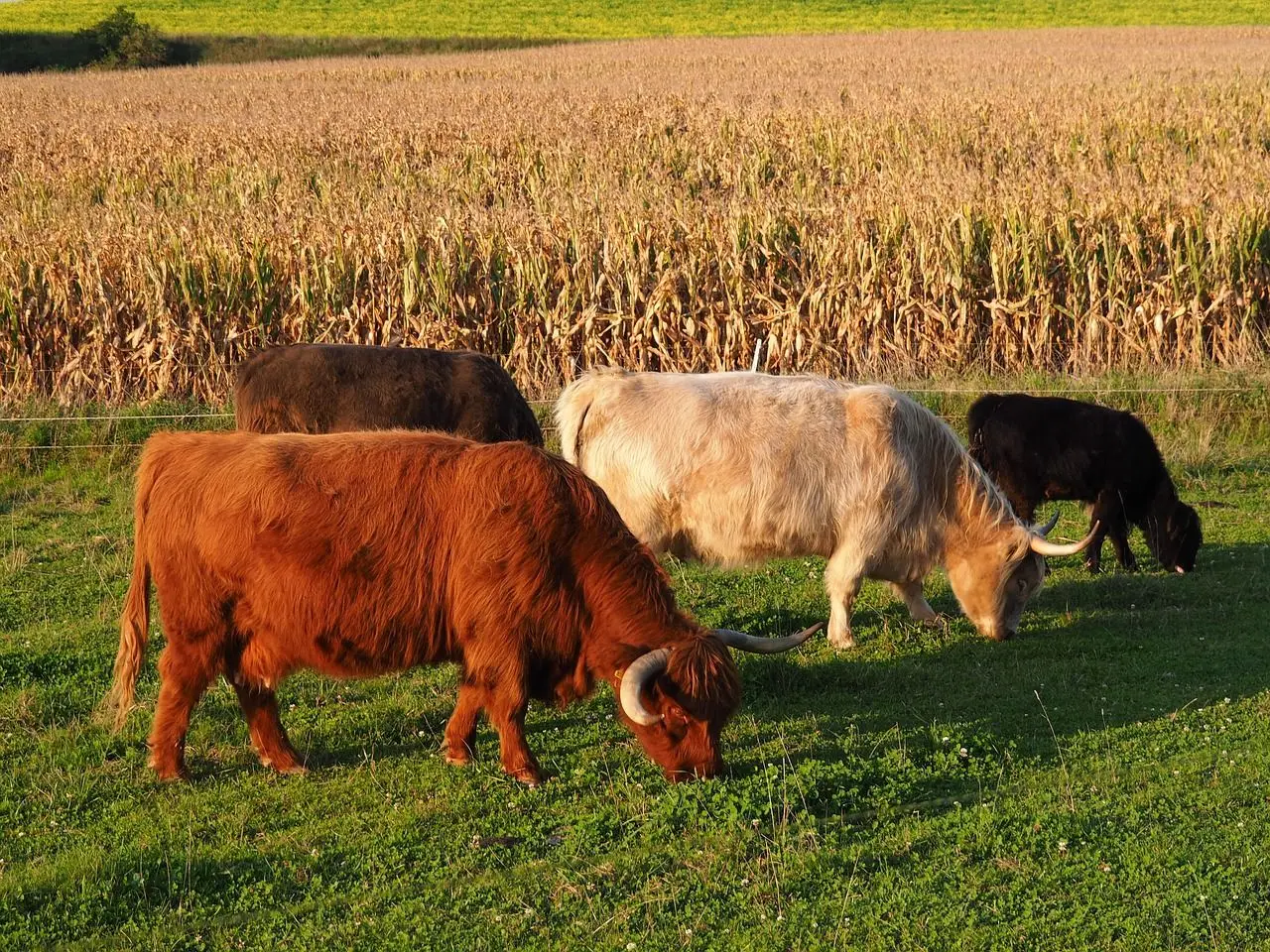
Today, agricultural and livestock emissions can be accurately measured and managed efficiently with a view to protecting public health.
Agricultural emissions originate in different processes, even within the same farm. The methane from animal digestion differs from that generated during slurry storage. In crops, the type of fertiliser, its application and the soil tillage determine which compounds and particles can be released. Distinguishing these sources helps decide where to act and what to measure to assess the result.
Below we review the main emission sources of this primary sector, to understand why livestock farming and agriculture are no longer only productive or economic activities, but also affect the global atmospheric situation.
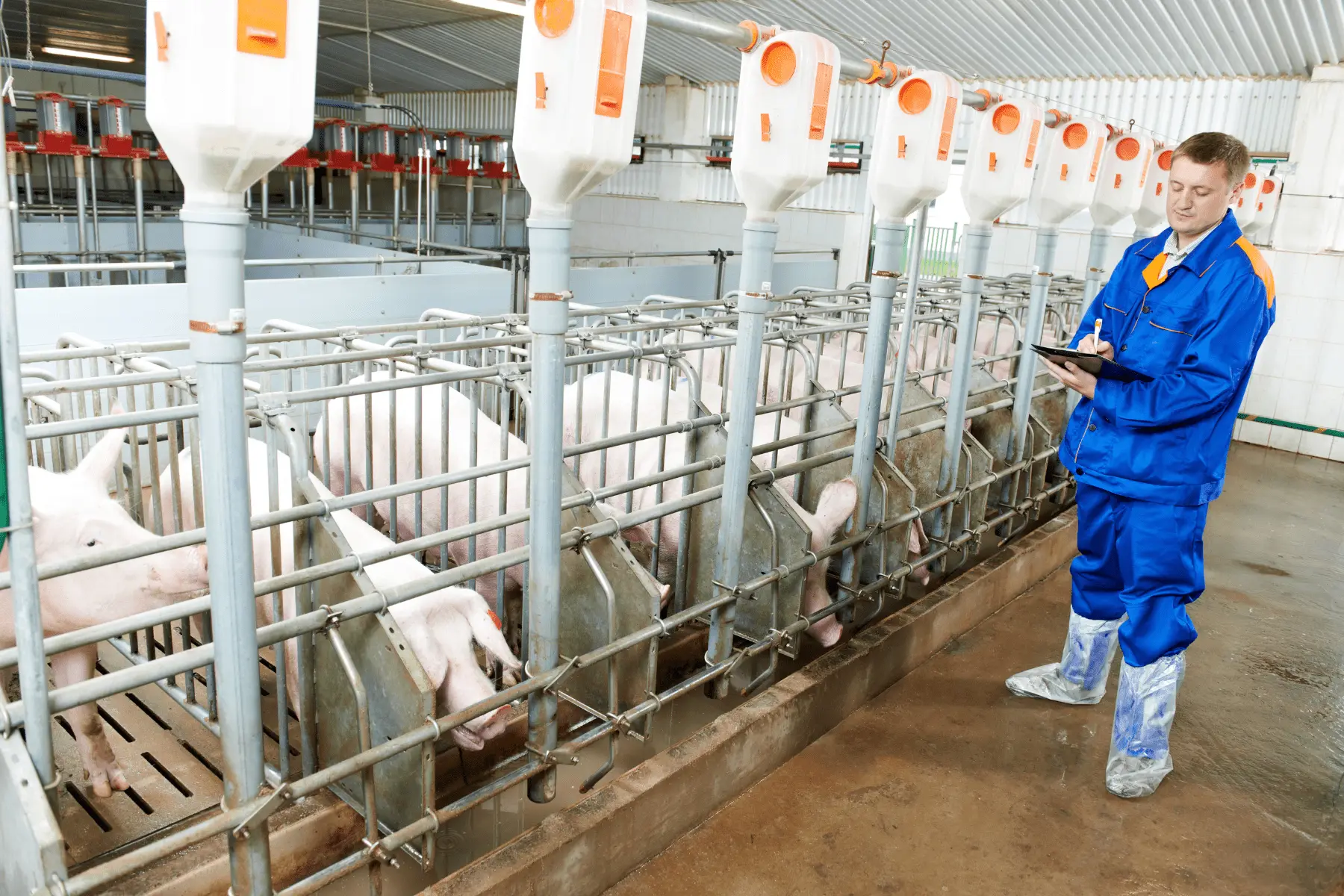
Food production is directly linked to climate mitigation and public health risks.
Air Quality Innovation in Just 1 Click
Stay informed about the air you breathe!
Subscribe to our newsletter to receive the latest updates on environmental monitoring technology, air quality studies, and more.
Livestock methane emissions from animal metabolism
Domestic ruminants carry out enteric fermentation during digestion, transforming plant fibre into energy. This process, however, releases methane as a by-product, which the animal expels mainly through belching and breathing. More than 90% of the methane from ruminant livestock is generated in this digestive process, which makes cattle and sheep the main biogenic source, compared with species such as pigs, whose contribution is concentrated more in manure management.
In pigs, the enteric fermentation profile is different and manure handling can carry more weight among methane sources. In poultry, attention should go to the management of litter and manure, especially when assessing ammonia emissions. Animal respiration also releases carbon dioxide (CO2), a useful figure for estimating air renewal in certain housing.
In the European Union, methane from enteric fermentation represents 49% of agricultural greenhouse gas (GHG) emissions. The N2O reaching soils accounts for 30% and methane from manure management for 17%. Moreover, 90% of ammonia emissions come from agriculture, and these contribute significantly to air and water pollution in Europe.
Manure management emissions and slurry storage
When livestock waste is stored as solid manure or slurry, the organic matter and nitrogen compounds degrade and simultaneously emit ammonia, methane and carbon dioxide. Ammonia can volatilise from soils, pits, litter and lagoons. Its release depends on the form of nitrogen present, pH, temperature, exposed surface, ventilation and management conditions. For this reason, ammonia volatilisation increases emission peaks inside facilities, such as barns, lagoons and pits.
In stored slurry, the microbial degradation of organic matter in the absence of oxygen can generate CH4. Nitrous oxide is associated with the microbial transformation of nitrogen under conditions that favour nitrification and denitrification. Therefore, the type of storage, the moisture and the aeration can change the emission profile throughout the manure management process.
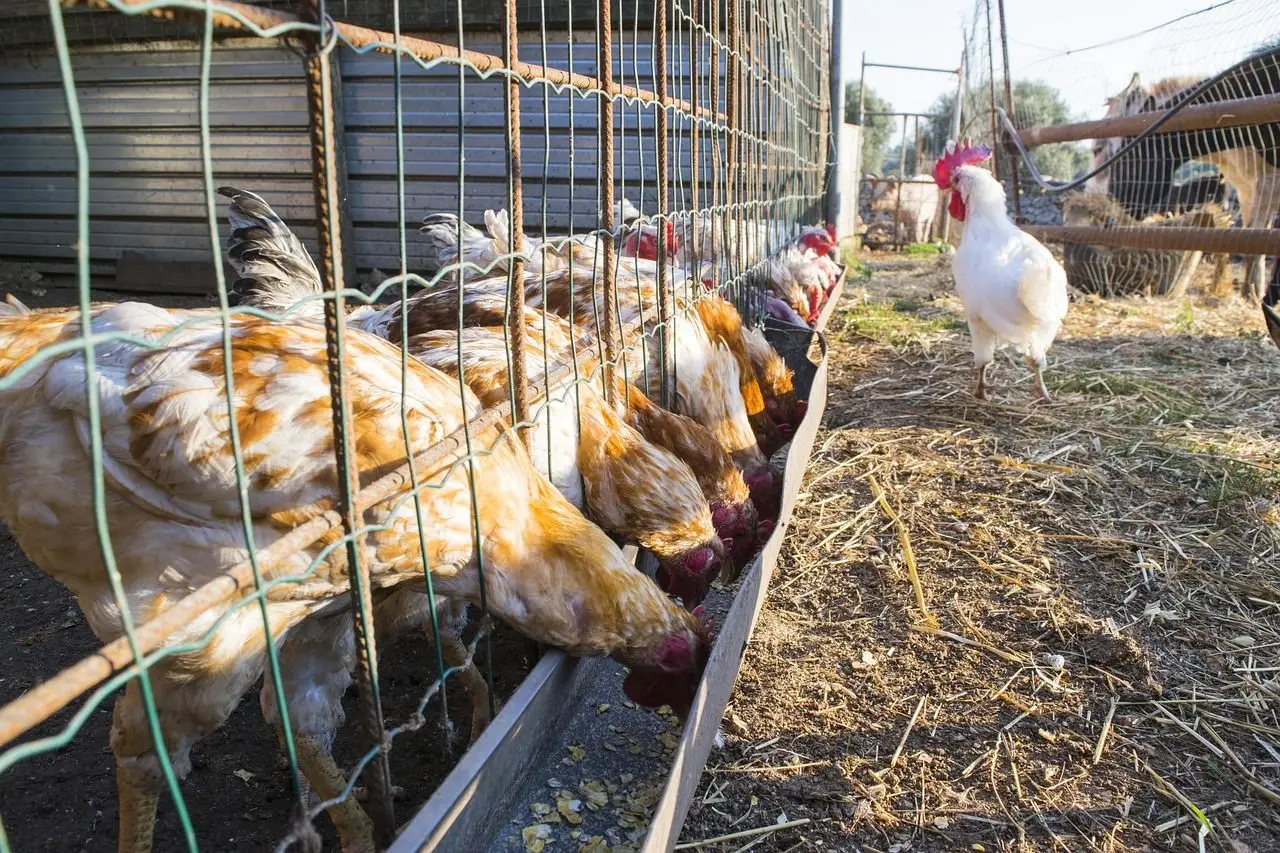
Agriculture and food systems have a profound impact on the atmosphere,
Ammonia emissions from agriculture and fertiliser use
In agriculture, the application of nitrogen fertilisers, both mineral and organic (urea and slurry), generates ammonia and nitrogen oxide (N2O and NOx) emissions that reach the soil and the atmosphere, especially when fertilisers are applied on the surface under dry and windy conditions.
Tillage work, the movement of heavy machinery and the handling of dry soils raise agricultural dust and coarse particles (PM10), which the wind can carry tens of kilometres and contribute to increasing regional levels of particulate matter. In atmospheres rich in ammonia, these emissions interact with other atmospheric precursors to form secondary aerosols and promote the formation of tropospheric ozone, increasing the risks to public health and ecosystems.
Agricultural activity contributed 87% of total ammonia emissions in the United Kingdom in 2023, mainly from livestock manure and nitrogen fertilisers. Pommier, M. et al. (2025). Preprint published in Copernicus, pending peer review.
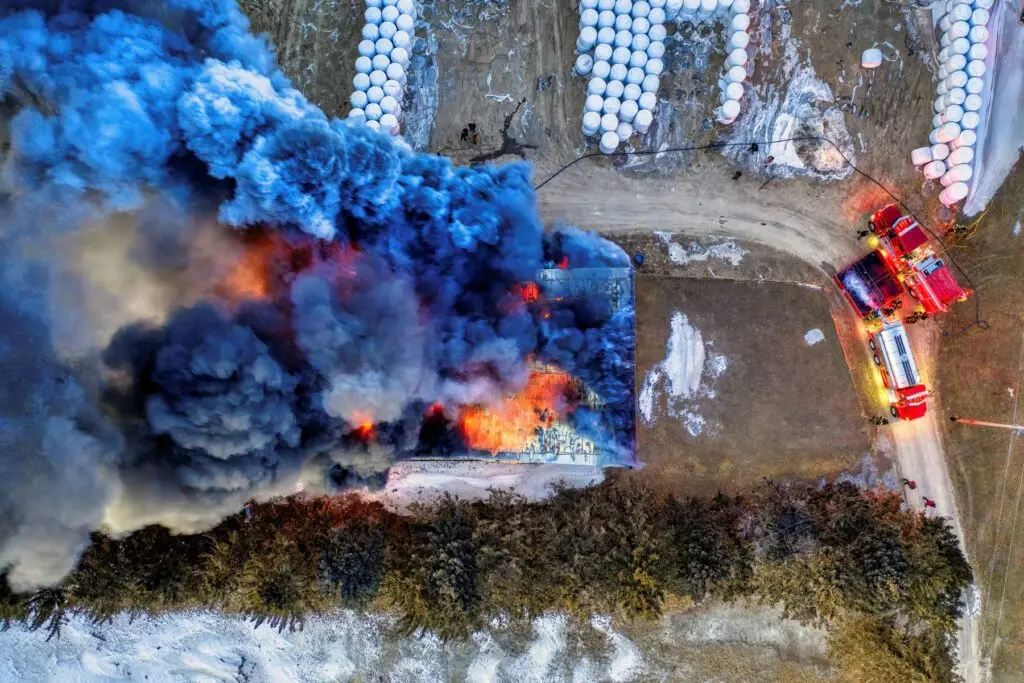
Agricultural and livestock emissions also alter the climate and worsen air quality.
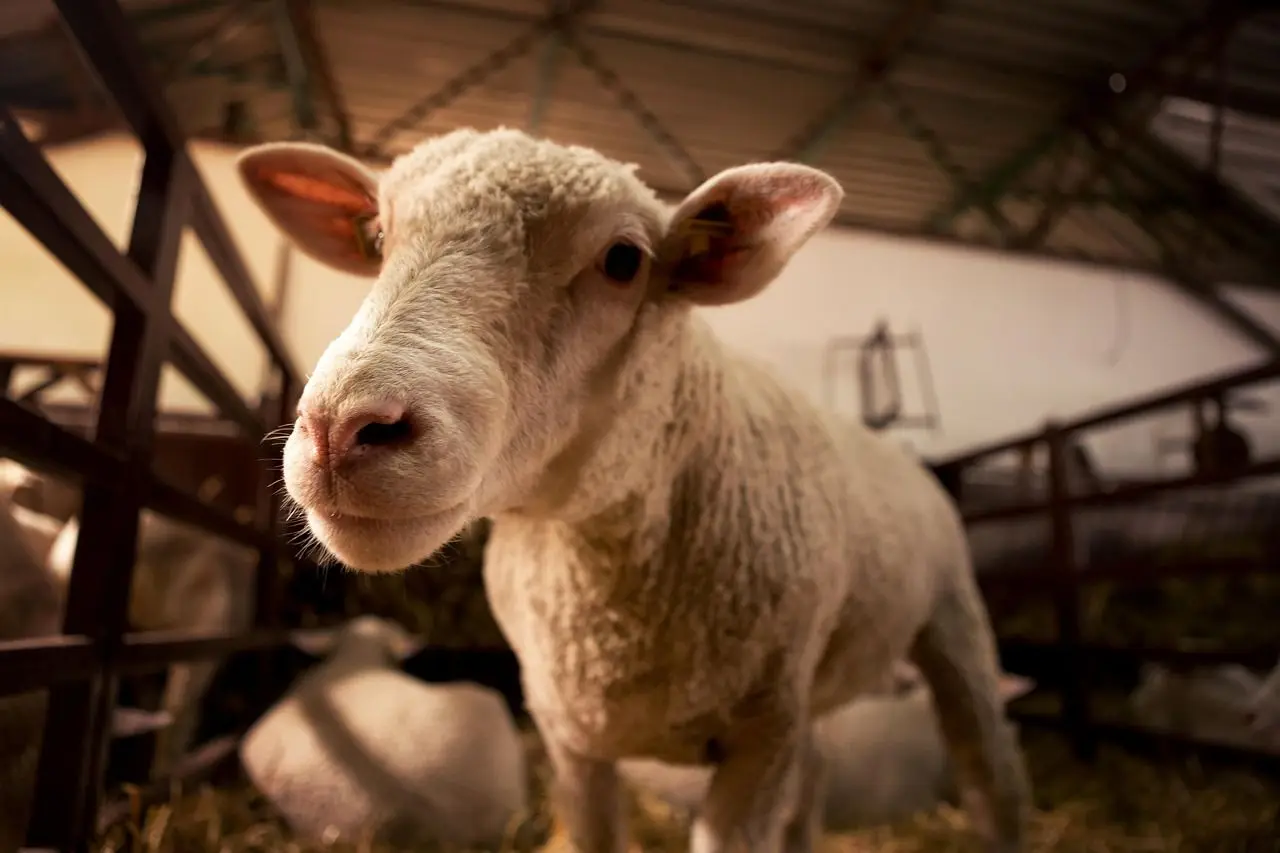
Emissions from livestock farming and agriculture also alter the climate and worsen air quality.
Impacts of livestock emissions on air quality and climate
Livestock emissions have stopped being a problem confined to livestock facilities and have become a decisive factor for air quality and climate, with measurable effects on people’s health and on the balance of the carbon and nitrogen cycles. What happens in a barn, a slurry lagoon or a fertilised field often ends up as ammonia, fine particles or methane in the atmosphere, directly connecting food production with climate mitigation and public health risks. Around a farm, transport and the dispersion of pollutants matter. For the climate, the assessment focuses on the amounts of greenhouse gases reaching the atmosphere and their contribution to global warming.
Local pollution and health effects
The movement of animals, the handling of feed and the management of litter can generate airborne particles. Part of the NH3 emitted can react with acidic compounds in the atmosphere and form ammonium salts, such as ammonium nitrate and ammonium sulphate. These salts can become part of PM2.5. The proportion formed depends on the availability of other compounds and on atmospheric conditions. Nitrogen deposition can also alter sensitive ecosystems.
Inside a building, exposure depends on the concentration in the working area and on the time that people spend breathing that air. A recent study in poultry farms in Quebec found that almost half of the ammonia samples exceeded the occupational threshold of 25 ppm used as a reference by the researchers, with higher concentrations in autumn and winter. Outside the facility, wind, dispersion, background concentrations and the location of exposed people also play a role.
Proximity to intensive livestock farms can be associated with effects such as eye and airway irritation, worsening of childhood asthma and a higher risk of respiratory problems among workers and residents of nearby rural areas. Its impact depends on emissions, dispersion and exposure.
Methane emitted by enteric fermentation and manure management has a global warming potential much higher than that of CO2.
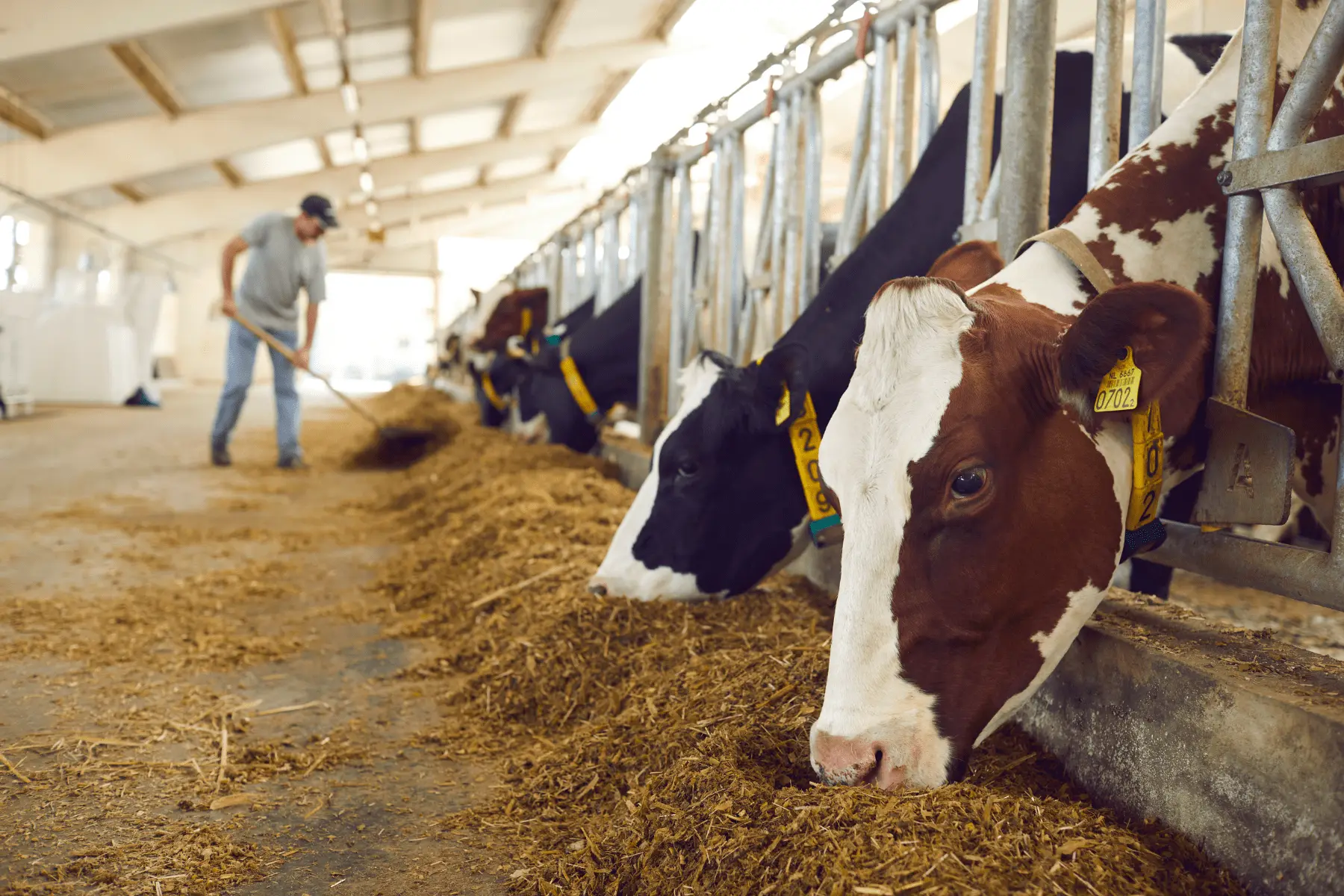
2. - Kunak" width="1800" height="1200" /> Methane emitted from enteric fermentation and manure management has a global warming potential far greater than that of CO2.
Climate effects of methane and related gases
Methane emitted by enteric fermentation and manure management, together with N2O from manure and agricultural soils, contributes to global warming. The effect of these gases can be compared using the global warming potential over a defined time horizon. The time horizon matters especially for methane, whose relative effect compared with CO2 is greater over 20 years than over 100 years.
Agriculture, and in particular the CH4 and N2O emission sources of the AFOLU sector (Agriculture, Forestry and Other Land Use), defined by the IPCC to group the greenhouse gas emissions and removals associated with human activities on land, contributes several gigatonnes of CO2 equivalent per year. This places the countryside at the centre of the debate on the global carbon and nitrogen cycles. Within the IPCC guidelines, the chapters on livestock and managed soils provide specific methods to estimate the contribution of each source from activity data, emission factors or models.
Managing nitrogen in cropland is a crucial challenge of the 21st century, as we need to balance food production with mitigating pollution. Tai, A.P.K., Luo, L. and Luo, B. (2025).
Against this backdrop, national emission inventories have become a strategic tool that quantifies, with comparable metrics, the contribution of livestock farming to climate and air pollution. They are the basis for designing policies with reduction targets and for applying reliable monitoring systems.
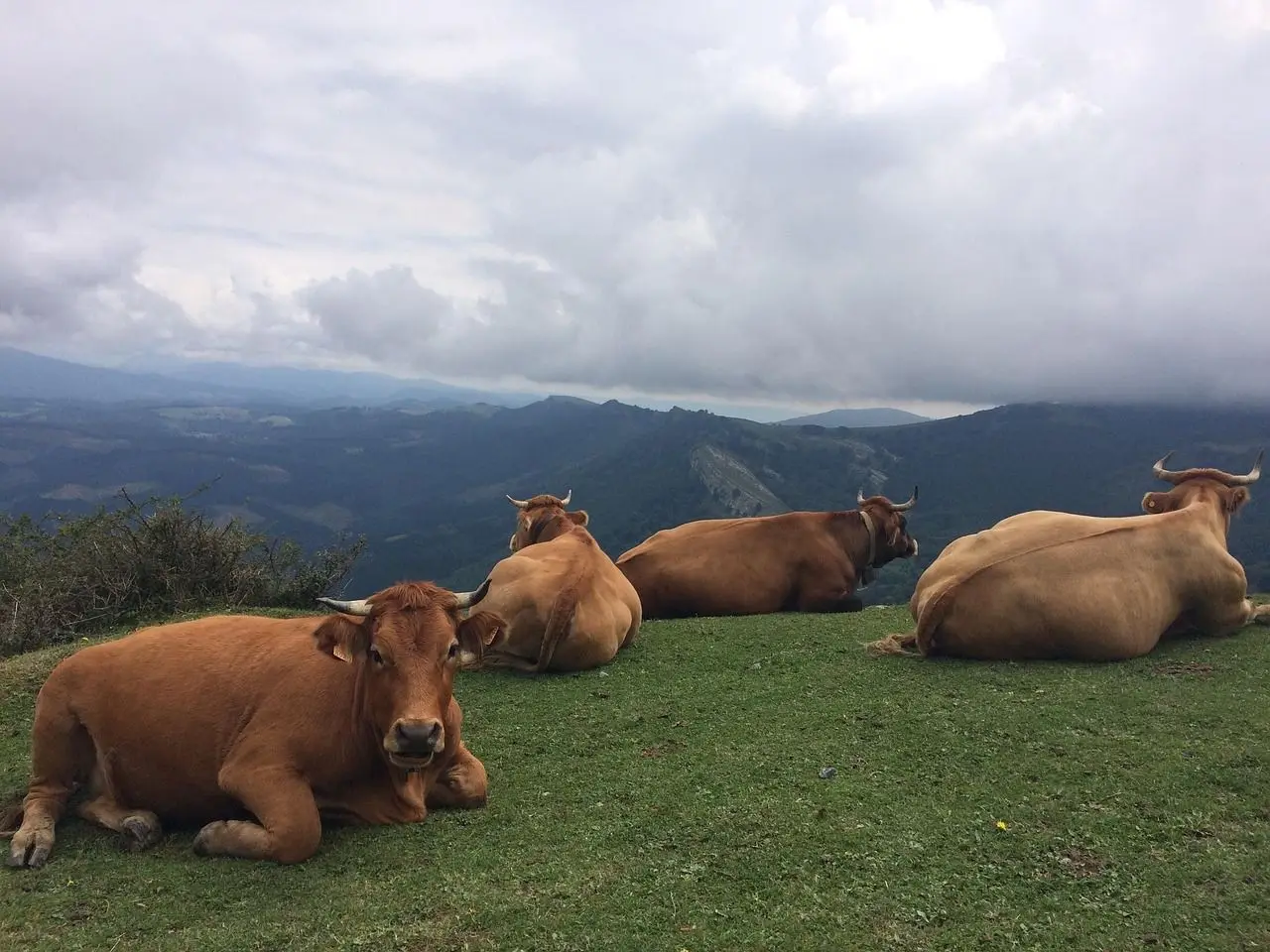
Keeping cows grazing outdoors for 200-300 days a year reduces methane by 25% per kilogram eaten and improves milk with more protein.
Measuring livestock emissions: concentrations, ventilation and sensors
Measuring livestock emissions requires combining sensors, representative sampling and ventilation data, depending on the objective. Knowing the concentration makes it possible to assess the air in a building; estimating how much pollutant is released also requires characterising the air exchange. This distinction is key to interpreting the results and checking the effectiveness of management changes.
What to measure and why
To understand the indoor air of livestock facilities, you need to record representative concentrations for the areas and periods of interest. To quantify the emission from a building, you also need data on the incoming and outgoing air. To monitor the surroundings, it helps to combine measurement points and meteorology, which allow the interpretation of background concentrations and the influence of nearby sources. Each of these areas requires a different sampling design and different data. Keep these concepts in mind:
- Concentration. Amount of a compound in the air, expressed, for example, in parts per million (ppm) or milligrams per cubic metre (mg/m3).
- Emission rate. Mass released per unit of time, for example, in grams per hour (g/h) or kilograms per day (kg/day).
- Emission factor. Emission normalised by activity, for example, in kilograms per year per animal place that the facility can house, depending on the method used.
- Inventory. Aggregated estimate for an area and period, for example, in tonnes per year. It can be produced with activity data and factors or models.
| Parameter | What it may be useful for | Caution when interpreting the data |
|---|---|---|
| NH3 | Track concentrations and estimate emissions with a quantification method. | Check the range, continuous exposure, interferences and the representativeness of the points. |
| CH4 | Investigate sources and assess reduction measures. | Obtaining a flow requires additional data. A one-off measurement covers only part of the farm. |
| CO2 | Understand indoor conditions and estimate ventilation through a balance. | Estimate generation and include other relevant sources. |
| N2O | Study greenhouse gasesGreenhouse gases (GHGs) are natural and anthropogenic gases that trap heat in the Earth's atmosphere, regulating the planet’s temperature. However, when th... Read more from soils and manure. |
May require specialised instrumentation. |
| H2S and VOCs | Investigate episodes or characterise specific processes. | Gas concentration and odour concentration are different magnitudes. A VOC detector can respond to several compounds without identifying them individually. |
| Particles (PM) | Track dust or fractions such as PM2.5 and PM10. | Consider humidity, dust load and the response of the instrument to the particles present. |
How to calculate emissions from concentrations and ventilation
In a building with characterised inlets and outlets, a simplified mass balance estimates the net emission from the ventilation rate and the increase in concentration between incoming and outgoing air. The inlet concentration accounts for the mass of the pollutant already contributed by the outdoor air. With inlet and outlet flows on the same measurement basis, the relationship is as follows:
Emission rate = Ventilation rate × (Outlet concentration − Inlet concentration)
For example, a flow of 10,000 m3/h, an outlet concentration of 2 mg/m3 and an inlet concentration of 0.2 mg/m3 give 18,000 mg/h, equivalent to 18 g/h. To obtain a mass flow from readings in ppm, first convert them into a mass concentration under conditions compatible with those of the airflow.
The calculation assumes representative samples and that accumulation, losses and internal transformations are negligible during the period evaluated. If there are several inlets or outlets, the outgoing mass flows are added and the incoming ones subtracted, weighting each concentration by its airflow. If both vary during the day, synchronised measurements must be combined before aggregating the results.
With mechanical ventilation, the actual flow of the fans in operation is determined with an appropriate method, since the nameplate or the fan speed alone provide insufficient information about the effective flow. With natural ventilation, wind and thermal differences can change the flow through openings and complicate its characterisation. An open lagoon or a plot requires a method adapted to that source.
When the CO2 balance can be used
The CO2 balance estimates ventilation by relating the CO2 generated inside the building to the concentration difference between the representative indoor air leaving and the outdoor air entering. To estimate the generation, a model suited to the category, number and characteristics of the animals is needed. The protocol sets how to treat CO2 from litter and manure, and whether other sources, such as combustion heating, limit the application of the method.
Its application depends on the mixing of the air, the stability of the conditions and the representativeness of the sampling. If the difference between indoor and outdoor air is small, the uncertainty of both measurements weighs more in the airflow calculation. The suitability of the balance must be verified for the building and period studied.
Ammonia monitoring: how to select and verify sensors
- Fit for purpose. Define the compound, expected range, detection limit, uncertainty and response time. Resolution indicates the smallest increment the instrument shows. Accuracy must be assessed with appropriate verifications.
- Conditions of use. Check temperature, humidity, condensation, dust, interferences and tolerance to continuous exposure. If sampling lines are used, review their materials and length to limit losses or delays.
- Location and sampling. Choose representative points for inlets, outlets and relevant areas. In a heterogeneous building it may be necessary to measure at several points or to characterise where the air mixes.
- Quality and maintenance. Schedule calibrations and verifications against the appropriate method. Record drift, maintenance and incidents. Set criteria for accepting or discarding data and document the coverage of the series and the uncertainty.
- Evaluate indoor air: representative concentrations for the areas and periods of interest.
- Estimate emissions: inlet and outlet concentrations, together with the ventilation rate.
- Monitor the surroundings: background concentration, several measurement points and meteorology.
What continuous monitoring adds to measurement campaigns
Continuous monitoring shows how concentrations change during feeding, cleaning, changes in ventilation or heat episodes. Short-term campaigns are useful to characterise specific conditions or assess a reduction measure, but their results describe the period studied and do not always represent the normal operation of the farm.
Both approaches can be combined: a campaign can include continuous measurements and add data, such as the ventilation rate, to estimate emissions. The validity of the results depends on the sampling design, the quality of the data and the representativeness of the selected periods.
How to analyse data and assess management changes
Recording occupancy, animal category, feeding, schedules, ventilation, meteorology and maintenance helps to interpret the series. A visualisation of the valid data can show when to investigate an episode. Exporting the data makes it possible to cross-check it with management records, and concentration alarms can guide the operational review.
To compare the situation before and after an intervention, choose comparable periods and control the variables that change between them. If the concentration falls while air exchange increases, the emission rate may stay the same or even rise. To attribute a reduction to the intervention, the flow must be estimated with a suitable method and the other conditions that may have influenced it must be assessed.
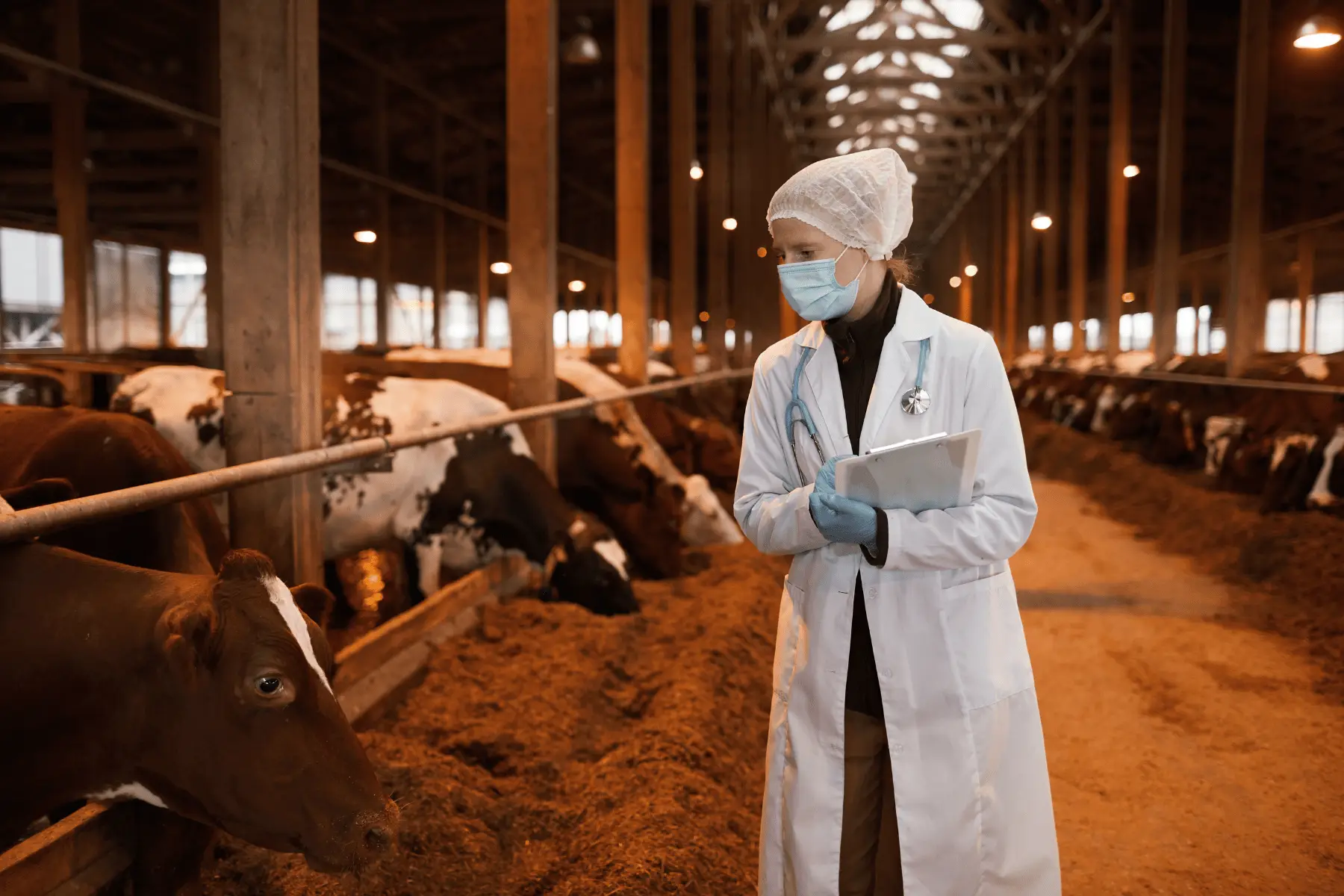
Mitigating emissions in the agricultural and livestock sector has evolved from voluntary practices to the current mandatory strategies.
Strategies to reduce agricultural emissions and good practices
The requirements to mitigate agricultural emissions have tightened: the revised IED sets best available techniques (BAT) for certain poultry and pig installations, and agricultural aid includes increasingly detailed environmental requirements. From feed additives to biodigesters and IoT sensors, the farms that integrate these technologies not only reduce their footprint in the atmosphere, but can also generate additional income through biogas and sustainability certifications.
The choice of a livestock mitigation measure depends on the priority pollutant, the species, the production system and the obligations of the installation. The whole chain should be examined, from feeding to the agronomic use of manure. A measure can change emissions at later stages, for example by changing the amount of nitrogen that reaches storage and the soil.
Below we analyse some of the interventions that can turn waste into agricultural resources, while also optimising productivity thanks to the data obtained by monitoring the air in the facilities.
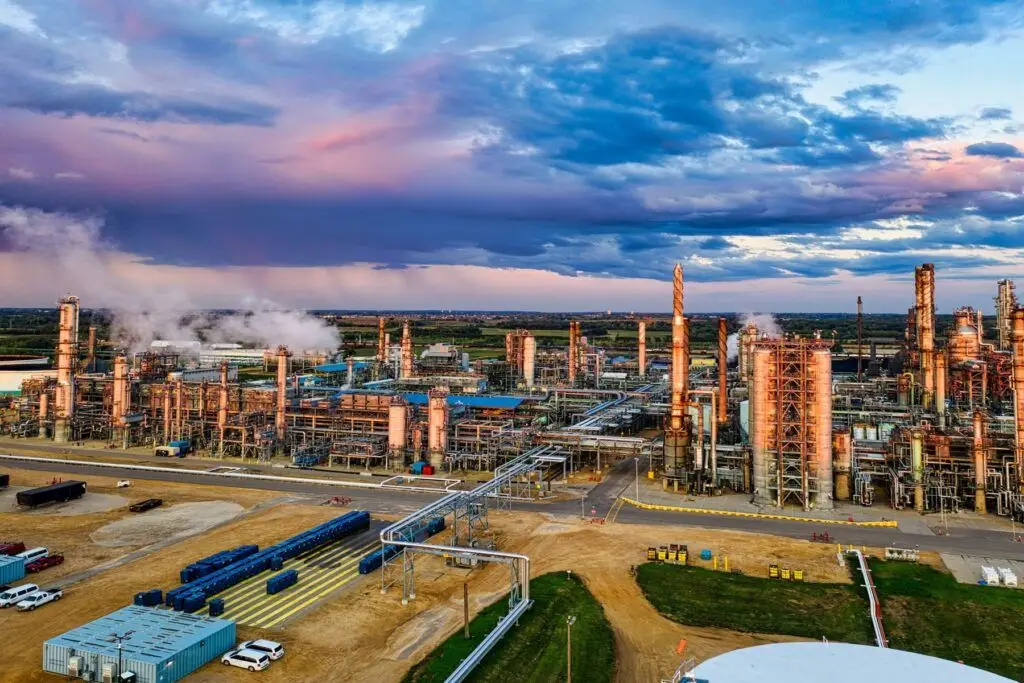
The agricultural operation should be an industrial activity that is an ally of local clean air.
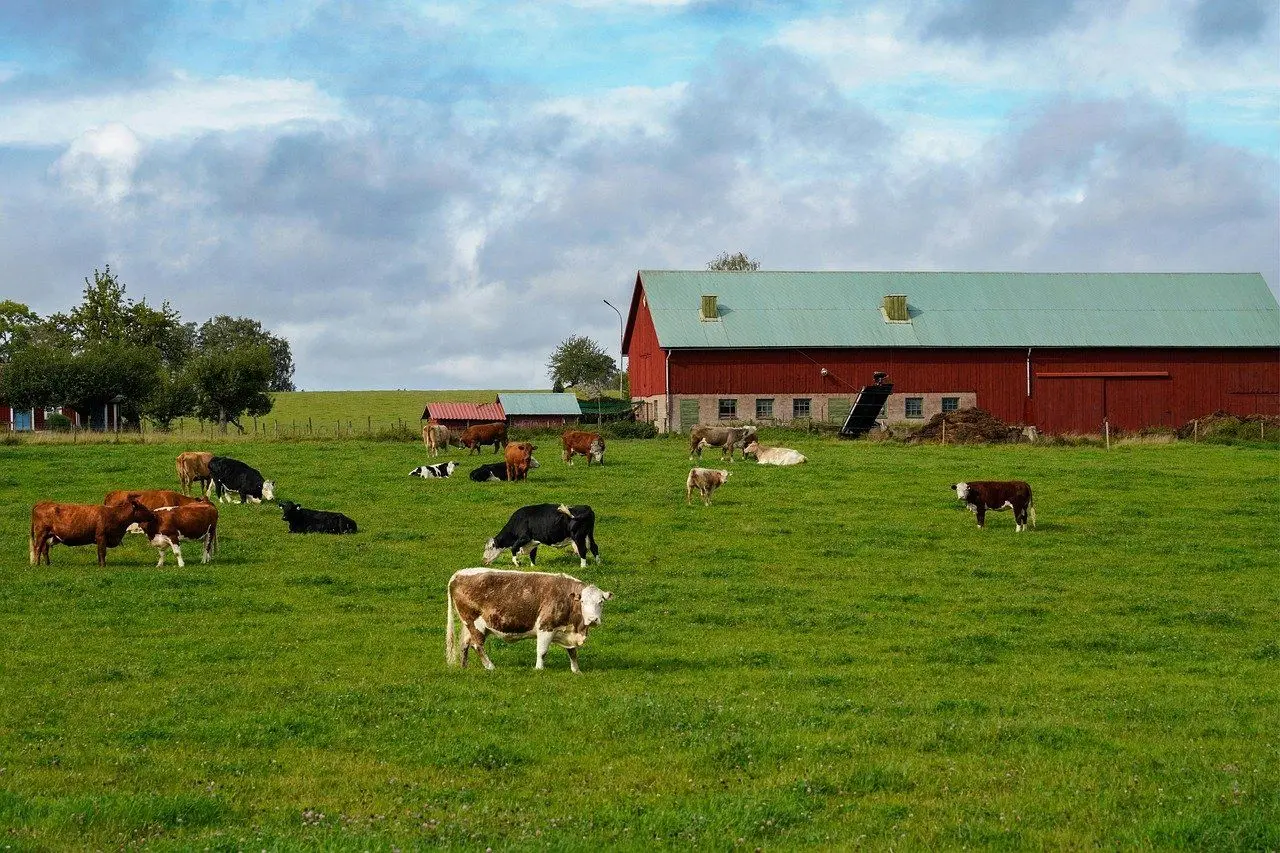
Agricultural and livestock farming should be an industrial activity that promotes clean local air.
Feeding optimisation and digestion of livestock
In ruminants, diet adjustment and other interventions on enteric fermentation can form part of a CH4 reduction strategy. Their effect depends on the starting ration, the intake, the animal category and the production system. When comparing measures, specify whether methane is assessed per animal, per farm or per unit of product, since an improvement in one of these metrics can give a different result in the others.
Other additives, such as algae of the genus Asparagopsis, essential oils or tannins, are under research. Their effectiveness varies with diet and animal, and their authorisation as a feed additive in the EU must be checked case by case in the European Commission’s Register of Feed Additives before they are recommended.
3-NOP (3-nitrooxypropanol, marketed as Bovaer®) was evaluated by EFSA in its opinion of 30 September 2021 and authorised in the EU in 2022 (Implementing Regulation (EU) 2022/565) for dairy cows and breeding cows. It acts by blocking an enzyme of methanogenic archaea, strictly anaerobic microorganisms that produce methane as a metabolic by-product in the rumen. Reduction figures depend on the diet, the animal and the trial, and must be taken from the full EFSA opinion, not from summaries. The opinion considers a significant systemic exposure of the consumer to its metabolites unlikely.
Genetic selection identifies ruminant lines with lower methanogenic activity, such as Holstein cows with low methane production (up to 15-20% less per kilogram of milk), thanks to genomic markers that favour more efficient rumens. Crossing elite bulls with animals that digest more cleanly produces offspring with a 10-12% reduction in emissions without sacrificing livestock performance.
Keeping cows grazing outdoors for 200-300 days a year replaces up to half of the feed required with fresh grass. This reduces methane by 25% per kilogram of dry matter consumed and improves the milk with more protein (+0.2-0.3%). Rotating pasture land optimises ground cover and supports animal welfare, while also saving 15-20% on feed supplements. Together, these actions can reduce the emission of polluting gases, improve economic results and recover the investment in 2-3 production cycles.
In pigs and poultry, formulating feeds adjusted to nutritional needs can reduce nitrogen excretion and, with it, the potential for NH3 emission at later stages. To assess the effect, consider the diet, the housing characteristics and the management of manure.
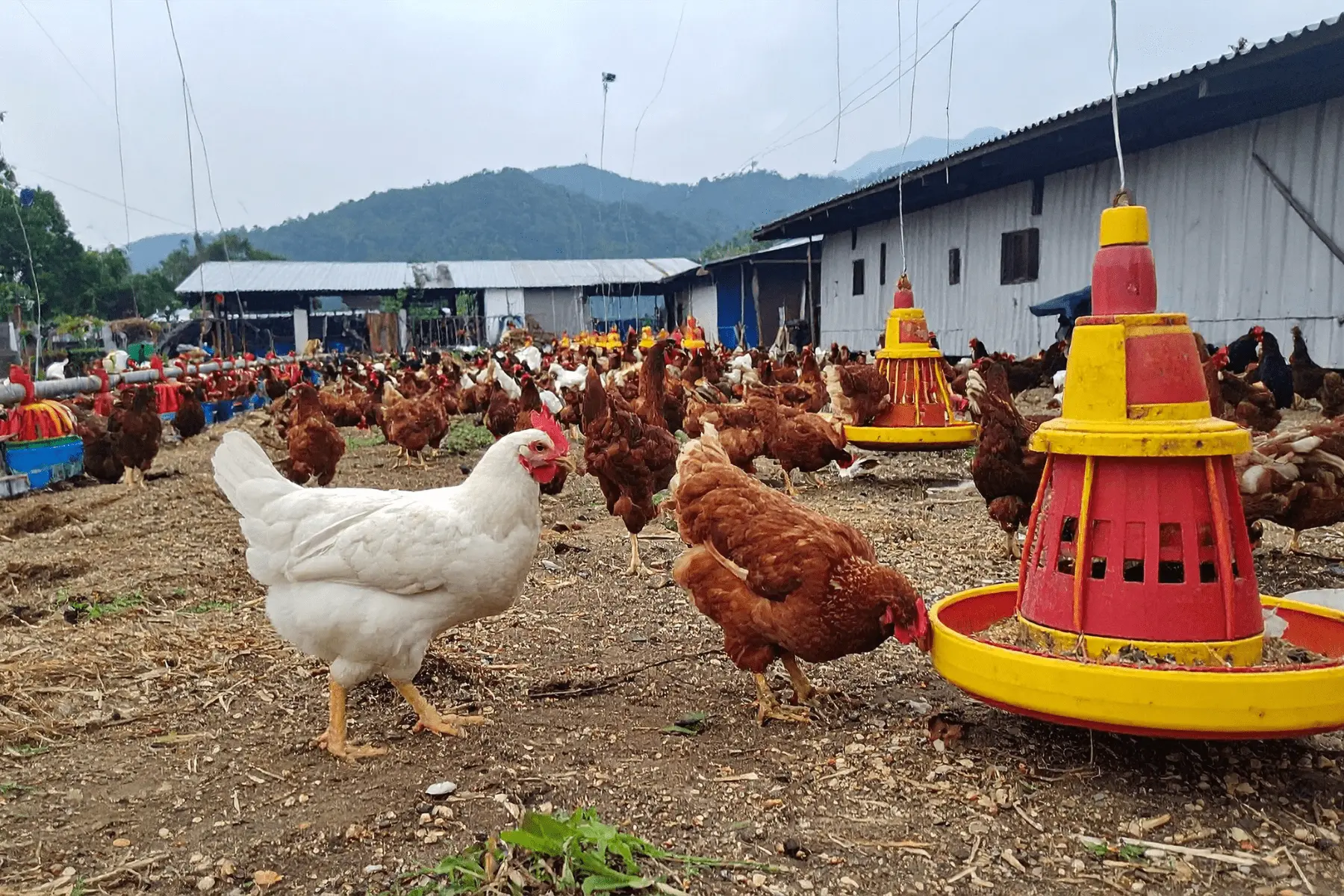
In areas where intensive livestock farming is practised, high concentrations of ammonia and fine particulate matter (PM2.5) are recorded.
Advanced slurry and manure management
Floating covers on slurry lagoons prevent oxygen entry and capture NH3 and CH4, with reductions of 60-80% in emissions depending on whether rigid or flexible geomembranes are used. Biofilters and phase separators, meanwhile, stabilise manure before it is used as fertiliser. In buildings with ducted extraction, air treatment systems can reduce certain pollutants in the flow that passes through the equipment. Each technique has its own installation, operation and maintenance requirements.
Anaerobic digestion in biodigesters transforms slurry into biogas, which can be used. Whether generating electricity or feeding self-consumption heating systems, the process also produces digestate, the nutrient-rich residue (nitrogen, phosphorus, potassium) left after digestion. Digestate is used as a stable organic fertiliser, with a lower proportion of volatile nitrogen (less odour and fewer pathogens than raw slurry), and it improves soils. Storage and application of digestate remain relevant stages for NH3 emissions. It is an effective way to close the nutrient cycle.
Precision agriculture and environmental control
Adjusting the dose of fertiliser to crop needs, choosing the timing of application and assessing incorporation or localised application techniques helps manage nitrogen losses. The decision depends on the product, the soil, the crop and the weather. Soil and irrigation sensors provide agronomic information, and air quality stationsAir quality stations are systems dedicated to monitoring atmospheric pollution, essential for measuring the concentration of pollutants in a specific area....
Read more, such as Kunak AIR Pro and Kunak AIR Lite, provide atmospheric concentrations.
In agriculture, IoT sensors allow the control of soil moisture, pH and evapotranspiration to establish controlled irrigation under variable regimes, minimising nitrate leaching and the release of VOCs. Sensors can also regulate the activation of ventilation in livestock facilities to dilute NH3 according to the wind and the temperature at the time.
There are also platforms that integrate data from air monitoring with those from the soil (moisture and nitrogen) and the water (nutrients), in order to predict emissions and optimise fertiliser use with doses suited to the area fertilised. In smart farms, this convergence reduces inputs by 20-30% and anticipates pollution peaks through predictive alerts.
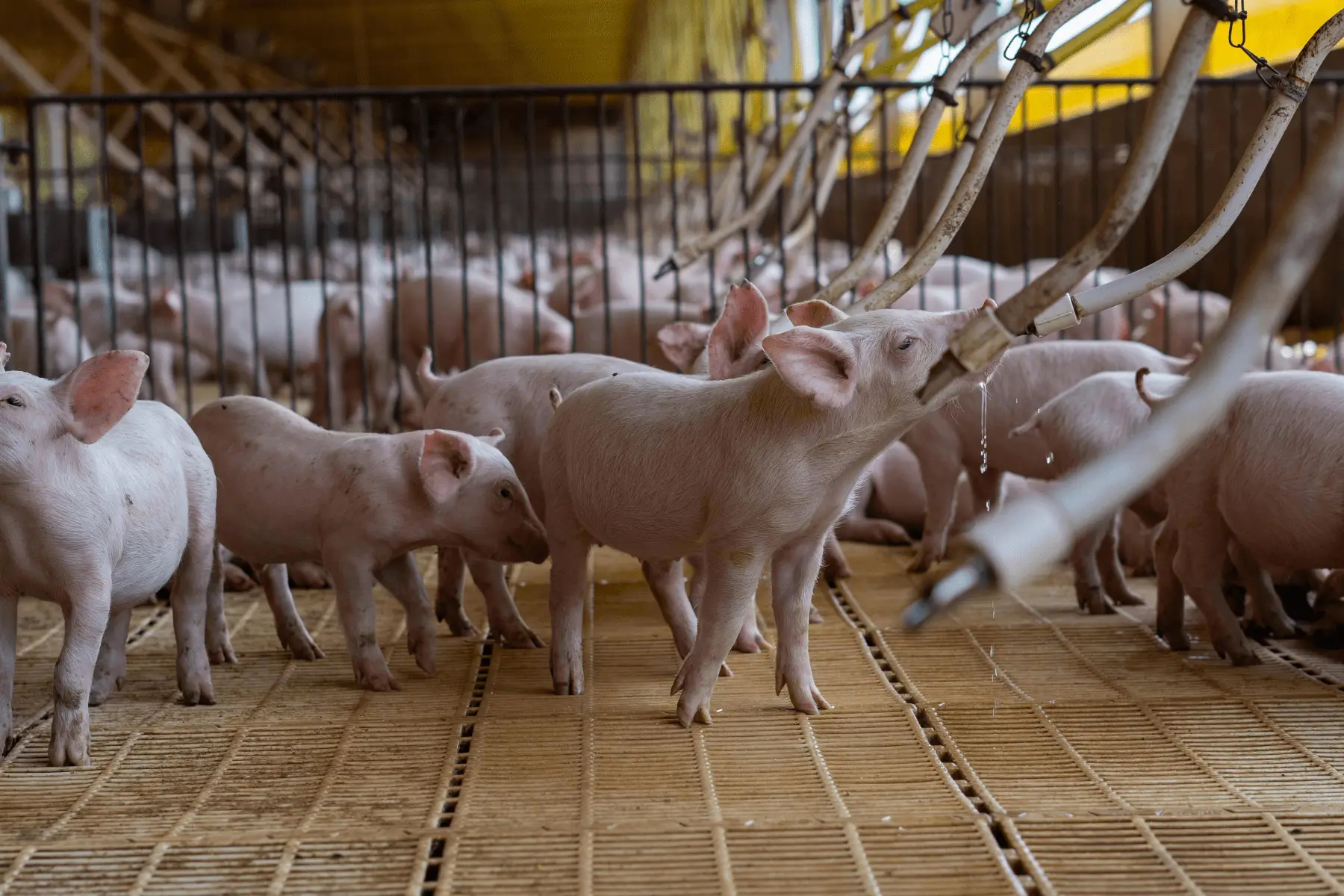
Livestock farms that integrate technologies to mitigate their emissions not only minimise their footprint on the atmosphere, but also generate additional income via biogas and ESG certifications.
Regulation and international commitments on agricultural emissions
Regulatory pressure on agricultural emissions has intensified, with commitments that make reducing NH3 and CH4 an increasingly required condition for certain installations and for international trade. From national directives to global strategies, the agricultural and livestock sector needs concrete deadlines and verifiable metrics that favour the transition towards circular models.
The NEC Directive (EU) 2016/2284 sets national emission reduction commitments for 2030 compared with 2005; for example, 16% for ammonia in Spain. It requires Member States to draw up national air pollution control programmes, submit annual inventories and apply penalties in case of non-compliance. It covers sulphur dioxide (SO2), NOx, NMVOCs (non-methane volatile organic compounds), NH3 and PM2.5.
The Industrial Emissions Directive 2010/75/EU (IED), amended by Directive (EU) 2024/1785, is the basis for Commission Implementing Decision (EU) 2026/2260, adopted on 8 October 2026 and published in the Official Journal of the EU on 16 October 2026. This decision sets uniform operating conditions for the rearing of poultry and pigs in housed installations, with a phased application according to capacity: within a maximum of four years from its adoption for installations of 600 LSU or more, five years for those of 400 LSU or more and six years for the rest. During the transition, it must be checked whether the farm is affected by the BAT conclusions of Implementing Decision (EU) 2017/302 and by the conditions of its authorisation. The method required depends on the specific obligation, and the frameworks provide, depending on the case, calculation or monitoring methods based on emission factors.
Installations subject to the IED must apply the BAT that correspond to them, such as covers on slurry lagoons, biofilters or acidifiers that reduce NH3 by up to 70%, and continuous monitoring systems instead of annual sampling. When emissions are channelled through a stack, continuous measurement can be subject to quality control in accordance with EN 14181 (quality assurance of automated measuring systems). For diffuse emissions, such as those from a building or a storage facility, EN 14181 does not apply directly and other methods are required.
The Farm to Fork Strategy sets a 2030 target of reducing the use of nitrogen fertilisers by 20% and that of pesticides by 50%. This fits with the integration of livestock farming into the European Green Deal, and some agri-environmental aid may cover investments such as biodigesters, depending on each call. Likewise, voluntary carbon credits (standards such as Verra or Gold Standard) can certify measurable reductions, although their market value varies and they require approved methodologies.
| Reference or framework | Scope | What it is used for | What it does not allow to conclude |
|---|---|---|---|
| IED and applicable provisions | Certain EU installations. | Identify obligations, techniques and monitoring by scope and timetable. | That every farm must install the same sensor system. |
| NEC | EU Member States. | Explain national reduction commitments. | A direct concentration limit per farm. |
| WUR and WeComV | The Netherlands and Flanders, with their own functions and versions. | Design and document measurements within their scopes and versions. | Whether the method is accepted in another country. |
| French measurement manual | Methodological reference. | Compare measurement methods and their conditions of use. | Which obligations apply to the installation. |
| IPCC and EMEP/EEA | GHG inventories and air pollutantsAir pollution caused by atmospheric contaminants is one of the most critical and complex environmental problems we face today, both because of its global r... Read more. |
Estimate aggregated emissions using activity data, factors and models. | How much a building emitted in a specific period. |
In Europe, one of the most recent guides for measuring emissions from livestock buildings is that of Wageningen University & Research (WUR), whose third version was published in April 2026. One of its main innovations compared with previous protocols is that it takes continuous ammonia measurement as the starting point for determining emissions. It also updates some of the calculations used to estimate the ventilation of buildings, a key factor for more reliable results. Its possible incorporation into Dutch environmental regulation is under way and, according to WUR, could take between nine and twelve months.
In Flanders, the current recommendations provisionally refer to part A of version 2 of those guidelines for designing measurement plans. To assess air treatment systems that reduce ammonia and odours, the region also has its own guide, published in November 2025.
In France, the manual coordinated by Hassouna and Eglin brings together methods for measuring emissions and ventilation in livestock farming, with their conditions of application and sources of uncertainty.
In the United States, the National Air Emissions Monitoring Study (NAEMS) of the EPA combines farm measurements with data on management practices to create emission estimation models. The EPA indicates that the updated versions of those models are still drafts.
| Emission limits and reference values for livestock in the EU | ||||
|---|---|---|---|---|
| IED, NEC and IPCC framework for controlling NH3 and CH4. | ||||
| Pollutant | Source or regulation | Threshold or limit | Reference value | Reduction target |
| NH3 | IED BAT (pigs) | More than 2,000 places | 2.2 kg NH3/place/year | Up to 70% with BAT |
| NH3 | IED BAT (poultry) | More than 40,000 birds | 0.13-0.3 kg NH3/place/year | Up to 60% with BAT |
| NH3 | NEC Directive, Spain 2030 | National | Reduction target of 16% compared with 2005 (about 400 kt) | -16% |
| CH4 | Enteric fermentation (cattle) | IPCC Tier II | 100-200 kg CH4/head/year in dairy cattle | 20-30% with additives |
| NH3 | Farms subject to IED thresholds | Large intensive farms | Mandatory authorisation | Application of BAT |
How to improve agricultural emissions management with environmental monitoring
Environmental monitoring enables decisions when measurements are linked to operational records and a defined objective. On a farm it can support four tasks:
- Investigating episodes. A series of concentrations and management schedules helps locate increases that coincide with cleaning, feeding or slurry extraction.
- Comparing management measures. Comparing two ventilation settings requires comparable periods and records of occupancy and airflow. If you want to demonstrate an emission reduction, you must also estimate the flow.
- Prioritising an intervention. Differences between measurement points and wind direction can guide an inspection of the building, the storage or the perimeter, depending on the objective.
- Documenting results. Recording the location, the method, the valid data and the uncertainty makes it possible to explain what was observed and under which conditions. This information makes it easier to repeat the assessment after a change and to compare results on a common basis.
What Kunak can contribute to an agricultural monitoring project
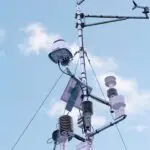
In an agricultural project, an environmental station can provide concentration series within a measurement plan. At Kunak we start from the objective of the application, the compounds of interest and the expected range to assess how to obtain interpretable data at the site.
The modular Kunak AIR Pro station supports different gas and particle configurations. The Kunak AIR Cloud platform allows you to view and export data series, as well as configure alarms. Choosing the configuration requires reviewing the expected exposure, the humidity, the dust and the planned maintenance. For an outdoor study, it is also worth assessing the location of the points and the meteorological data that will help interpret the variations.
Frequently asked questions about livestock, emissions and air quality
What gases does livestock farming produce?
The main gases vary according to the process. Ruminants emit CH4 during digestion. The management of manure and slurry can release NH3, CH4 or N2O. In certain processes, hydrogen sulphide (H2S) and VOCs may also appear. Dust is assessed separately as particulate matter.
How does agriculture cause air pollution?
Agriculture causes air pollution mainly through ammonia from fertilisers and manure, dust from tillage and machinery, and nitrogen oxides and methane from soils and livestock. These emissions react in the atmosphere to form fine particles and ozone, so their effects extend beyond the farm itself.
How do livestock emissions affect human health?
The effect depends on the pollutant, the concentration and the exposure time. Particles can be emitted directly or formed in the atmosphere, partly from NH3. To assess a specific situation, distinguish occupational exposure from exposure in the surrounding area.
What solutions exist to reduce agricultural emissions?
Possible measures include adjusting fertilisation, improving the management of manure and adapting feeding to each species. The effect of these measures depends on the source and on the conditions of use. If ventilation increases, a lower indoor concentration may reflect dilution. To check an emission reduction, the flow must be assessed.
Why is it important to monitor agricultural gases?
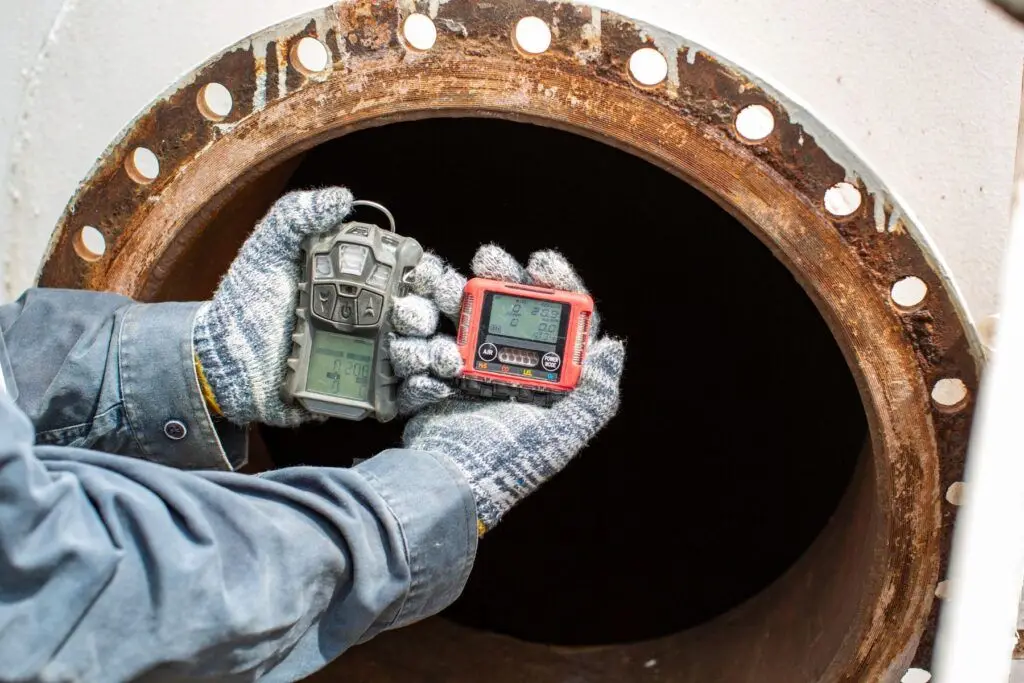
Monitoring makes it possible to understand how gas concentrations change and to assess the emissions of an agricultural or livestock activity. However, inside a building, measuring the indoor concentration is not enough to calculate how much gas the facility emits. You must also characterise the air exchange and apply a suitable calculation method. Ventilation influences how much gas accumulates in the building or leaves it.
With measurements and ventilation data, emissions can be estimated more rigorously, periods or management conditions can be compared, and the effect of reduction measures can be evaluated.
How is CO2 used to estimate the ventilation of a building?
The estimated CO2 generation inside the building is related to the difference in concentration between indoor and outdoor air. Besides the readings, data on the animals and on other relevant sources of CO2 are needed. The estimate depends on the sampling representing the air exchange.
Data-based decisions for managing agricultural emissions
Agriculture and livestock farming are adopting new practices to respond to environmental, productive and social challenges. To know which measures can work on each farm, you must first understand which gases and particles are generated, when they occur and how they vary with activity, management and environmental conditions.
Monitoring provides data to identify patterns, detect episodes and compare measurements taken under equivalent conditions. In a building, however, the concentration of a gas does not by itself indicate how much is emitted: to estimate the emission rate, you must also characterise the air exchange and apply a suitable method. With that information it is possible to assess management changes or reduction measures better.
Data do not reduce emissions by themselves; they help choose actions and check their results. In this way, digitalisation can contribute to more informed and traceable management, and to decisions that take into account both the operation of the farm and the air quality of its surroundings.
References
- Prajesh, P.J., Ragunath, K., Gordon, M. and Neethirajan, N. (2025). Satellite-Based Seasonal Fingerprinting of Methane Emissions from Canadian Dairy Farms Using Sentinel-5P. ArXiv e-prints. https://doi.org/10.48550/arXiv.2505.00756
- Pardo, G., del Prado, A., Fernández-Álvarez, J., Yáñez-Ruiz, D.R. and Belanche, A. (2022). Influence of precision livestock farming on the environmental performance of intensive dairy goat farms. Journal of Cleaner Production, 351. https://www.sciencedirect.com/science/article/abs/pii/S0959652622011386
- Nugrahaeningtyas, E., Lee, J. S. and Park, K. H. (2024). Greenhouse gas emissions from livestock: sources, estimation, and mitigation. Journal of Animal Science and Technology, 66(6), 1083-1098. https://doi.org/10.5187/jast.2024.e86
- EmiLi24 Symposium (2024). 5th International Symposium on gas and dust emissions from livestock. Book of abstracts
- Jaisli, I. and Brunori, G. (2024). Is there a future for livestock in a sustainable food system? Efficiency, sufficiency, and consistency strategies in the food-resource nexus. Journal of Agriculture and Food Research, 18. https://doi.org/10.1016/j.jafr.2024.101496
- Tai, A.P.K., Luo, L. and Luo, B. (2025). Opinion: Understanding the impacts of agriculture and food systems on atmospheric chemistry is instrumental to achieving multiple Sustainable Development Goals. Atmospheric Chemistry and Physics, 25, 923-941. https://doi.org/10.5194/acp-25-923-2025
- Winkel, A., Brusselman, E., Hensen, A., Otten, G., Vonk, J., Laanen, L., Verfaillie, A., van Dinther, D., Mosquera Losada, J. and Ogink, N. W. M. (2026). Richtlijnen voor het bepalen van emissies uit veestallen (Nederlandse versie 3) (Report 1638). Wageningen University & Research. https://doi.org/10.18174/714405