Hydrogen fluoride (HF) is a highly useful yet dangerous chemical compound. Its colourless gaseous form is accompanied by a sharp odour and the ability to be highly toxic and corrosive. Its primary function emerges when it dissolves in water, forming hydrofluoric acid, a substance that plays a crucial role in modern industry: from glass etching and semiconductor production to metal refining and the synthesis of fluorinated compounds. This broad chemical versatility contrasts with the risk involved in handling it, as HF can penetrate the skin unnoticed due to the absence of immediate pain while damaging deep tissues and even affecting bones and lungs.Despite its fearsome reputation, hydrogen fluoride remains essential for manufacturing many of the technologies we use daily, from solar panels to touchscreens, where it is used in the polishing and etching of silicon. Industrial chemistry advances between necessity and risk, constantly requiring a balance between innovation and safety.
Beyond its industrial importance and occupational risks, this article also explores the environmental perspective, as the control of corrosive emissions of hydrogen fluoride is critical. This gas poses a risk not only to human health but also contributes to the acidification of soil and water, disrupting the most sensitive terrestrial and aquatic ecosystems near industrial emission sources. Therefore, we examine continuous detection monitoring systems used for tracking corrosive gases like HF, which, together with controlled ventilation and containment measures, are essential allies in minimising its impact.
What is hydrogen fluoride
The simple formula (HF) of hydrogen fluoride hides a molecule capable of challenging conventional materials and living tissues. It is a fundamental chemical compound in modern industry, yet one of the most feared for its aggressiveness.
Chemical definition and physical characteristics
While HF appears as a colourless gas at room temperature (20 °C), it has an exceptionally high boiling point (19.5 °C) due to strong hydrogen bonds. This means that it requires only moderate pressure to liquefy.
It is a highly corrosive gas capable of penetrating the skin without causing immediate pain. When reacting with calcium, it forms calcium–fluoride complexes that dissolve deep tissues, bones, and even lungs. It also reacts violently with metals, silica, and glass, breaking Si–O bonds. HF has an extreme solubility in water that produces hydrofluoric acid (HFaq or aqueous HF), a solution that remains largely molecular at high concentrations but partially dissociates at lower concentrations, increasing its toxicity and allowing deep tissue penetration due to its liposolubility.
Air Quality Innovation in Just 1 Click
Stay informed about the air you breathe!
Subscribe to our newsletter to receive the latest updates on environmental monitoring technology, air quality studies, and more.
Production and presence in industrial environments
Large-scale industrial production of hydrogen fluoride typically results from the reaction between calcium fluoride (CaF2), found in minerals such as fluorite, and concentrated sulphuric acid at temperatures between 200 and 250 °C. This acid treatment releases gaseous HF and produces calcium sulphate as a by-product. Beyond this classic route, HF also appears as a secondary product in key industrial processes, such as aluminium production through alumina electrolysis (Hall-Héroult process), phosphate rock digestion in fertiliser manufacturing, certain stages of stainless-steel processing, and microelectronics fabrication.
Its role is equally critical during etching and chemical cleaning operations of silicon used in integrated circuits and displays, in alkylation units of petroleum refineries, and in the synthesis of hydrofluorocarbons employed as refrigerants. Because of this widespread presence, managing HF emissions to air, soil, and water requires strict containment and scrubbing systems due to its corrosive nature and potential environmental and health impact. It also requires continuous monitoring to detect any occasional hydrogen fluoride leaks in the air.
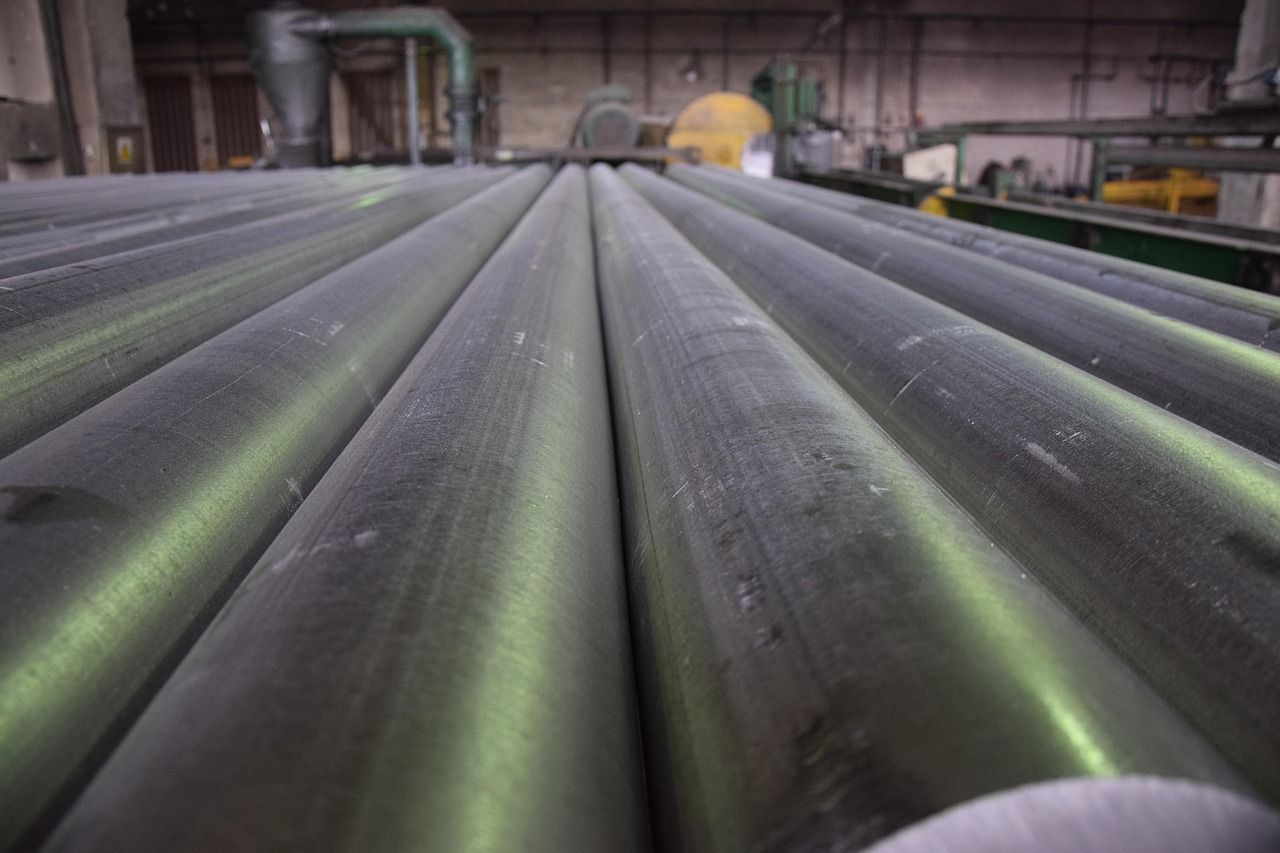
Hydrogen fluoride is used in metal pickling and cleaning processes, removing oxides and residues prior to treatments such as galvanising or welding.
Industrial uses of HF
Hydrogen fluoride gas holds a strategic position in multiple industrial value chains due to its ability to generate highly reactive fluorinated species. The processes within the following industries account for 85% of global HF accident risks, justifying uncompromising continuous monitoring both for social responsibility and for compliance with ESG (Environmental, Social and Governance) standards.
Chemical and pharmaceutical industry
HF is an essential raw material in the synthesis of fluorinated compounds, including fluoropolymers (such as PTFE or Teflon), refrigerants, and specialised solvents.
In the pharmaceutical sector, it is involved in the manufacture of fluorinated active ingredients that improve drug stability and efficacy, as well as in the production of agrochemicals and bioactive compounds.
Energy industry
In petroleum refineries, HF acts as an acid catalyst in alkylation units, where high-octane fuel fractions are produced for more efficient petrol. Its high selectivity makes it difficult to replace in these processes.
Glass and electronics industry
Thanks to its ability to attack silica, HF is used in chemical etching and silicon wafer cleaning processes.
It enables surface modification with micrometric precision, essential in the manufacture of displays, solar panels, and integrated circuits.
Metallurgy
HF is employed in metal pickling and cleaning processes, removing oxides and residues prior to treatments such as galvanising or welding.
Its controlled action ensures clean, active, and uniform surfaces, improving the quality of metallic finishes.
Fertiliser and detergent industry
In the production of phosphate fertilisers and industrial detergents, HF may act as a primary reagent or as a by-product of phosphate rock digestion.
Proper emission management is essential to minimise environmental impacts and maintain process efficiency.
Manufacture of advanced fluorinated compounds
One of its most significant applications is the synthesis of high-value fluorinated compounds, such as fluoropolymers (for example, polytetrafluoroethylene, commercially known as Teflon), hydrofluorocarbons used as refrigerants, and perfluoropropylene oxide (HFPO), a precursor of numerous advanced materials used in high-performance applications.
These processes account for a significant portion of global HF demand and require environmental monitoring and emission control systems that guarantee safety and traceability.
Importance of environmental and regulatory control
Industries using HF account for 85% of global incidents involving this gas. For this reason, installing accurate, continuous and traceable monitoring systems is essential to:
- Comply with ESG and industrial safety regulations.
- Reduce emissions and prevent leaks.
- Protect the health of workers and the surrounding environment.
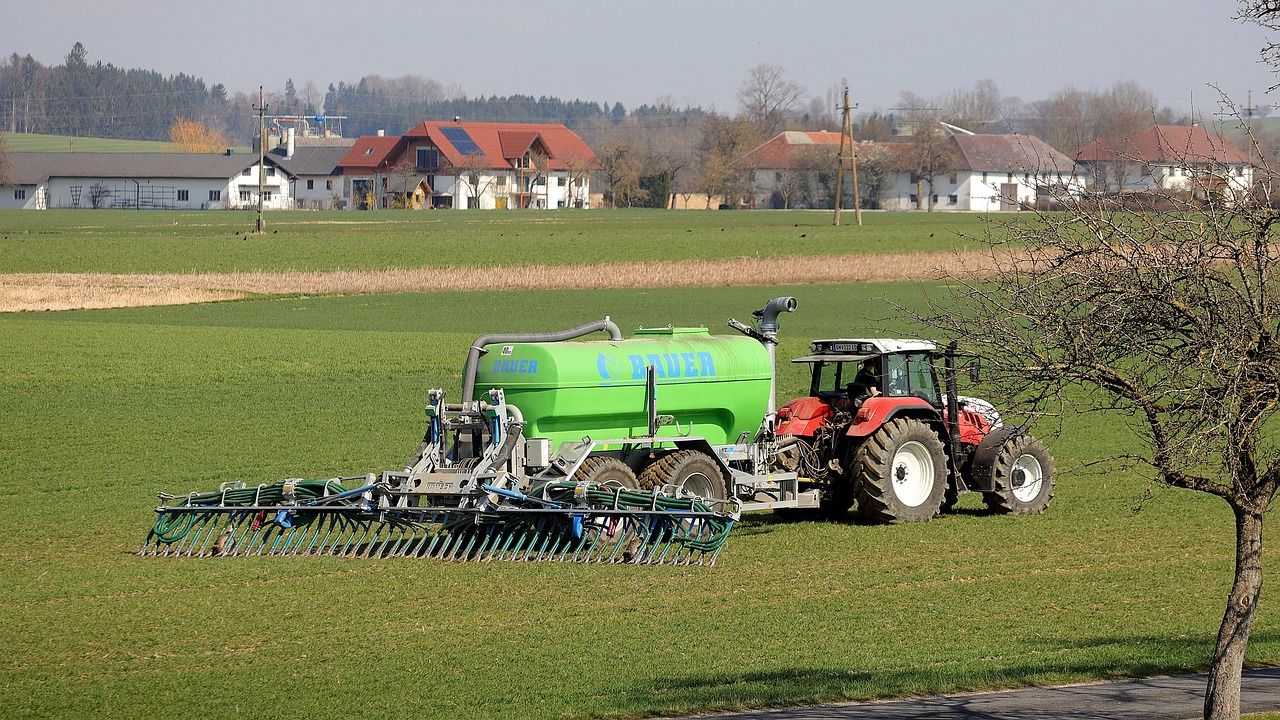
In the production of phosphate fertilisers, hydrogen fluoride can act both as a main reagent and as a by-product of the digestion of phosphate minerals.
Health and environmental risks
Hydrogen fluoride is one of the most toxic and corrosive industrial gases known. Even very low concentrations in the air can pose a danger to human health and ecosystems. Therefore, its handling requires strict protocols, both in terms of occupational safety and environmental protection.
The undeniable industrial usefulness of hydrogen fluoride comes with serious potential risks to humans and ecosystems. Due to its ability to penetrate biological and chemical barriers, it is a silent threat that requires maximum caution and continuous air monitoring during its use.
Health effects
HF gas acts lethally when inhaled (LD50 432 ppm/1h), by skin contact or ingestion. Its high toxicity is compounded by the fact that it penetrates the skin without causing initial pain due to its small molecular size and liposolubility. By forming stable complexes with calcium ions (CaF2), it can dissolve subcutaneous tissue, tendons and bones. Skin exposure to just 2% concentration can become fatal within hours. Inhalation causes pulmonary oedema that may appear up to 48 hours later. It can also cause cardiac arrhythmias by inducing hypocalcaemia and systemic shock. Chronic exposure leads to skeletal fluorosis (osteosclerosis), renal failure and neuropathies.
Direct contact or exposure to HF poses a severe risk. Upon contact with the skin, HF penetrates tissues without causing immediate pain because the acid destroys nerve endings before the body can respond. The fluoride ion reacts with the body’s calcium and magnesium, causing a critical decrease in these essential elements and resulting in deep tissue necrosis, cardiac arrhythmias and potentially fatal systemic toxicity.
- Inhalation: causes severe respiratory irritation, pulmonary oedema and irreversible tissue damage.
- Dermal contact: may cause deep chemical burns and internal damage with no initial apparent pain.
- Accidental ingestion: leads to severe gastrointestinal injuries and potentially fatal metabolic disturbances.
Prolonged or repeated exposure can also affect the skeletal, pulmonary and nervous systems. In workplace environments, safe HF concentrations must remain below 3 ppm (according to ACGIH standards), and any leak should be detected immediately by automated environmental monitoring systems.
Environmental impact
Due to its high solubility, hydrogen fluoride gas can easily enter industrial emissions from aluminium, fertiliser or fluorochemical production facilities. Once in the atmosphere, it is transferred to the environment through dry or wet deposition, contributing to the acidification of soil and surface waters when pH levels drop below 5. Under these conditions, soluble forms of aluminium become mobilised, toxic to plant roots and many aquatic organisms, altering biological community structures.
The most sensitive vegetation (especially conifers such as pines and firs) shows characteristic symptoms of chronic exposure, such as leaf-edge necrosis, chlorosis and defoliation, associated with foliar concentrations above 50 mg/kg. These effects spread through the food chain, impacting herbivores and birds living near contaminated vegetation, and may extend within a radius of 10–20 kilometres around emission sources.
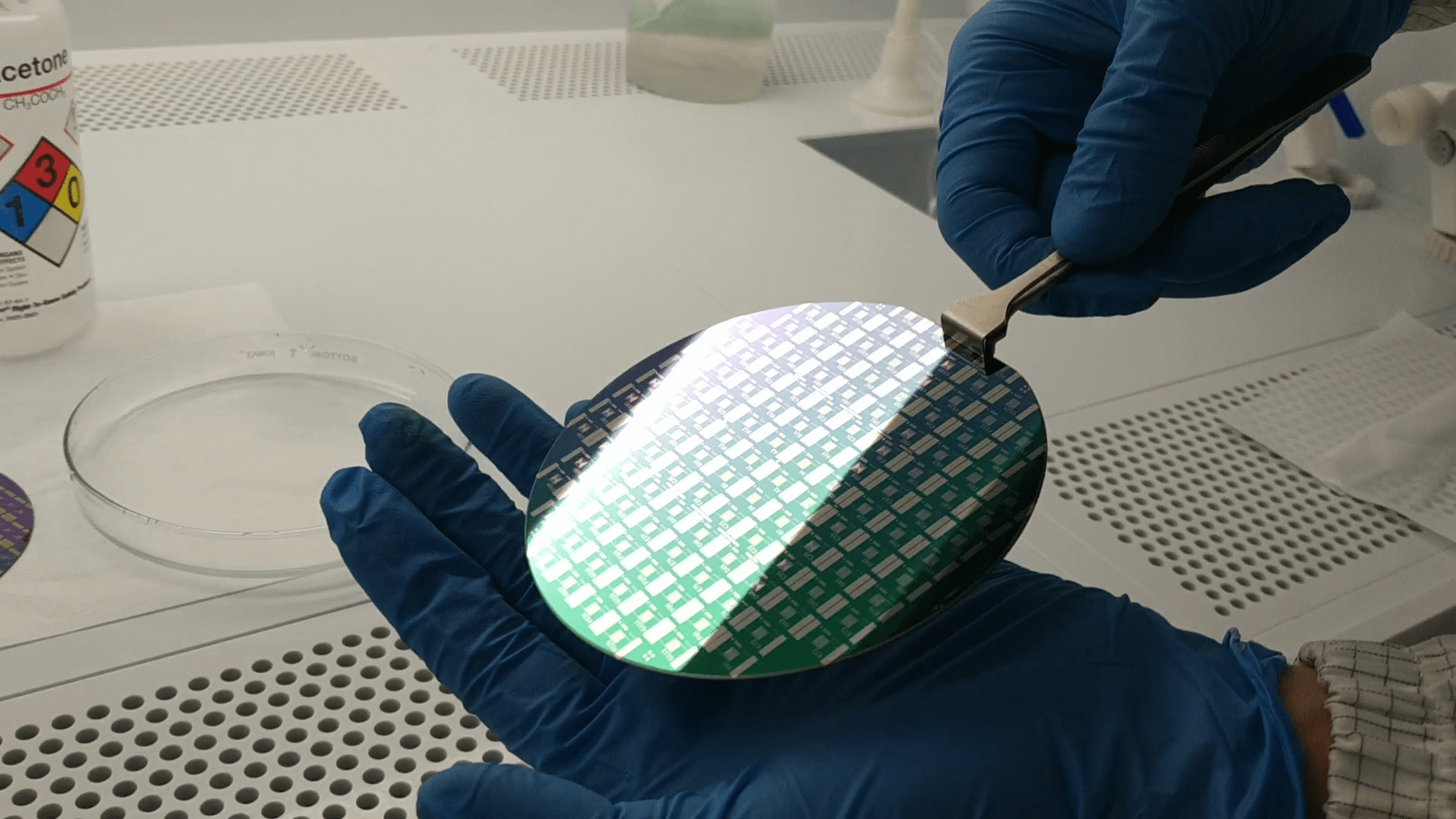
Hydrogen fluoride allows surfaces to be modified with micrometric precision, which is essential in the manufacture of screens, solar panels and integrated circuits.
Exposure and regulatory limits of HF
Due to its acute and chronic toxic effects, hydrogen fluoride is strictly regulated. Occupational exposure limits aim to prevent human and environmental harm. The strict regulatory frameworks vary according to the international authority issuing the standard.
Occupational exposure limit values (TWA / STEL)
| Organisation | TWA limit (ppm) | STEL limit (ppm) | Regulatory source |
|---|---|---|---|
| OSHA (USA) | 3 | 6 | PEL (29 CFR 1910.1000) |
| NIOSH (USA) | 3 | 6 | REL (10h TWA) |
| ACGIH (USA) | 0.5 | 2 | TLV (skin notation) |
| EU-OSHA / INSST | 1.8 | 3 | Directive 2000/39/EC (VLA-ED/EC) |
| WHO | 1.0 | – | Air QualityAir quality refers to the state of the air we breathe and its composition in terms of pollutants present in the atmosphere. It is considered good when poll... Read more Guidelines |
Environmental regulation and international standards
- European Union: HF is listed as a hazardous substance under the REACH regulation, requiring manufacturers and industrial users to register uses, assess risks, and apply strict control measures. Furthermore, as detailed in our article Seveso Directive: risk control with hazardous substances, the Seveso III Directive includes it among agents capable of causing major accidents. Facilities storing or handling HF must therefore comply with reinforced safety requirements, emergency planning and public communication obligations.
- United States (EPA): the Environmental Protection Agency (EPA) classifies hydrogen fluoride as an Extremely Hazardous Substance under 40 CFR Part 355. This designation entails notification, inventory, and emergency planning obligations for any facility exceeding storage or usage thresholds, reinforcing coordination with local authorities and emergency response services.
- WHO: at the international level, organisations such as the World Health Organization (WHO) emphasise the importance of avoiding direct HF exposure and recommend prioritising preventive measures in industrial environments. These guidelines stress proper ventilation, continuous emission monitoring and personnel training as essential elements to reduce the likelihood of accidental releases and protect nearby communities.
Environmental monitoring of HF
The early detection of hydrogen fluoride is the critical focus in industrial environments to prevent any chemical disaster. Modern monitoring technologies that combine high sensitivity with selectivity and data connectivity ensure occupational safety and regulatory compliance.
Detection technologies
There are several technologies for measuring hydrogen fluoride in the air. The most common are:
- Electrochemical sensors: these are the most widespread option for personal and environmental HF monitoring thanks to their high selectivity in the 0.1–50 ppm range, suitable for verifying threshold values such as the European VLA-ED (1.8 ppm). They work through electrode pairs (typically silver or platinum) where HF oxidises, generating a current proportional to its concentration. They are characterised by very short response times (T90 < 30 s), low energy consumption and minimal maintenance requirements.
- Infrared (NDIR) sensors: Non-Dispersive Infrared sensors detect HF absorption in the 3–5 µm band, making them ideal tools for continuous monitoring in chimneys, exhaust ducts or technical rooms. They offer good long-term stability, require infrequent calibrations and show high immunity to organic vapour interference. They usually cover ranges of 0–100 ppm with accuracies around ±5 %.
- Colorimetric tubes: such as Draeger or MSA tubes are used in spot checks or emergency situations. They contain silica impregnated with reagents that change colour (from white to reddish) upon reacting with HF, allowing quick readings in the 1–30 ppm range. They are especially useful for emergency teams, rapid inspections or detecting localised leaks.
- Portable monitors and fixed IoT networks: these integrate multiple detection principles (electrochemical, NDIR, photoionisation) along with GPS, telemetry and wireless alarms. Systems such as Kunak AIR Pro and AIR Lite transmit real-time data to cloud platforms, enabling predictive maintenance strategies and automatic protocol activation when threshold concentrations are exceeded, such as the time-weighted average over a work shift (TWA threshold) or the maximum permissible concentration to which a worker may be continuously exposed for a short period (typically 15 minutes) without adverse effects, irritation or irreversible damage (STEL threshold).
| Characteristic | Electrochemical sensors | Infrared (NDIR) sensors | Colorimetric tubes | Portable monitors and IoT networks |
|---|---|---|---|---|
| Principle | Oxidation of HF on electrodes generates a signal proportional to concentration. | Measurement of HF absorption in the infrared (3–5 µm). | Chemical reaction with visible colour change upon contact with HF. | Integration of sensors with telemetry, GPS and cloud platforms. |
| Typical range | 0.1–50 ppm | 0–100 ppm | 1–30 ppm | Variable depending on sensor |
| Advantages | High selectivity Fast response (T90 < 30 s) Low power and maintenance Good long-term stability Infrequent calibration Low interference from organic vapours |
Immediate reading Easy to use No electrical power required |
Real-time data Automatic alarms Supports TWA and STEL thresholds |
|
| Applications | Personal and environmental monitoring. Occupational exposure control per VLA-ED. | Continuous monitoring in chimneys, ducts and technical rooms. | Emergency response, rapid inspections and spot leak detection. | Fixed networks, industrial control and preventive risk management. |
Continuous environmental monitoring
Continuous HF monitoring transforms risk management into proactive systems that save lives and prevent costly penalties for regulatory non-compliance.
- Key advantages: provides immediate leak detection (response < 10 s), ensuring compliance with Seveso III Directive and EU VLA-ED (1.8 ppm). It protects workers by activating personal alarms and automatic ventilation systems when TWA/STEL limits are exceeded while safeguarding the environment by preventing deposition that acidifies soil and harms sensitive vegetation.
- Critical industrial applications: deployed in process rooms (HF alkylation, semiconductor etching), gas storage (pressure tanks, spheres) and industrial perimeters to capture atmospheric drift. Fixed monitoring networks create real-time toxic plume maps, essential near populated areas.
- Integration with Kunak AIR stations (Pro and Lite) and Kunak Cloud: integration with Kunak AIR stations, both Pro and Lite versions, enables the use of specific electrochemical HF sensors with a 0.1 ppm resolution. These units transmit real-time data to the Kunak Cloud platform, which includes a complete suite of tools for data analysis and exploitation, along with advanced features such as:
- Instant alerts: by SMS or email when pre-set thresholds (e.g. 0.5 ppm) are reached, in line with ACGIH TLV recommendations.
- ESG reports: automated and customisable.
- Predictive analytics: aimed at optimising the maintenance of scrubbing and purification systems.
- Map visualisations: to identify pollution sources and levels, useful for risk assessment and planning corrective actions on site.
Benefits of real-time monitoring
- Immediate detection of leaks or accidental emissions.
- Protection for workers and nearby communities.
- Verification of environmental and occupational compliance.
- Reduced operational costs and downtime.
- Better planning of preventive maintenance.
Relevant cases and historical HF accidents
Incidents involving hydrogen fluoride clearly illustrate the potential of this compound to cause large-scale chemical emergencies. Below are several cases based on data from official investigations and technical accident reports.
Explosion and leak at Philadelphia Energy Solutions (PES), USA
On 21 June 2019, a rupture in a corroded elbow pipe caused a massive loss of containment followed by fires and multiple explosions in the HF alkylation unit at the PES refinery in Philadelphia. The U.S. Chemical Safety Board investigation confirmed that the accident originated in the HF alkylation unit and that the process release fed the fire. Although HF was released, mitigation systems and atmospheric dispersion prevented the formation of a large toxic cloud thanks to early detection systems, a rapid operational response and the geometry and combustion of the process, which destroyed part of the released HF. This event avoided catastrophic consequences for nearby communities but reignited the regulatory debate on the use of HF in alkylation and the need for safer alternative technologies.
Massive leak in Gumi, South Korea
On 27 September 2012, an explosion at the Hube Global Chemical plant released approximately 8 tonnes of HF, causing five fatalities and at least 18 injuries among workers and nearby personnel. Severe environmental effects were reported among thousands of residents, with respiratory and eye symptoms, necrosis of nearby vegetation, agricultural damage and soil contamination leading to disaster declarations. This accident remains one of the most serious HF incidents recorded and led to significant reforms in hazardous substance management in South Korea.
Chronic emissions in Florida (USA) – Phosphate industry
The phosphate fertiliser industry in Florida is known for releasing HF as a by-product during phosphate rock digestion, a process that has caused significant impacts on mangrove and wetland ecosystems, especially by introducing nutrient loads and emissions associated with fertiliser production. These highly sensitive ecosystems can suffer degradation due to acid deposition and atmospheric pollutants derived from these industrial processes.
How HF monitoring contributes to industrial safety
Continuous HF monitoring elevates industrial safety from reactive to predictive, integrating early detection with automated response to eliminate risks before they escalate. This approach enables the following:
Incident and leak prevention
The systems detect abnormal increases in less than 10 seconds (above 0.5 ppm ACGIH), activating visual or audible alarms and automatic evacuation or forced ventilation protocols. It helps prevent accidents such as the HF alkylation leak in Philadelphia (2019) or incidents in aluminium plants, where spikes up to 12 ppm were neutralised in time.
Regulatory compliance and audits
These systems generate tamper-proof records for ISO 45001 (occupational safety) and ISO 14001 (environmental management), ensuring traceability during IED, Seveso III or EPA inspections. Cloud dashboards simplify audits for the new Corporate Sustainability Reporting Directive (CSRD) of the European Union, providing toxic plume maps and TWA/STEL trends to guarantee renewed environmental permits and operations without penalties.
Sustainability and ESG responsibility
Achieving full transparency in HF emissions positions a company as an ESG (Environmental, Social and Governance) leader, aligning technological risks with the Sustainable Development Goal 9 (industry, innovation and infrastructure). It reduces environmental impact by optimising scrubbers (up to 30% less reagent use) and strengthens corporate reputation among investors and communities, turning compliance into a competitive advantage.
Frequently asked questions about hydrogen fluoride (FAQs)
What is the difference between hydrogen fluoride and hydrofluoric acid?
Hydrogen fluoride (HF) is a colourless and highly reactive gas that, when dissolved in water, forms hydrofluoric acid.
The difference lies in their state and behaviour. Anhydrous HF (without water) acts as a corrosive and dehydrating gas, while its aqueous form exhibits much higher chemical reactivity.
Hydrofluoric acid can penetrate deep into tissues without causing immediate pain, making it particularly dangerous. Once absorbed, the fluoride ion reacts with calcium and magnesium in the body, causing severe damage to bones and organs.
In summary, HF is the gas and hydrofluoric acid is its aqueous solution. Both are highly toxic, but the latter poses a greater biological risk due to its penetration and systemic toxicity.
Where is HF used and why is it so dangerous?
Hydrogen fluoride acts as an invisible yet essential component of modern technology. In the electronics industry, it is used to etch and clean silicon circuits in mobile phones and computers, as it is one of the few agents capable of dissolving glass and silicates with surgical precision. It is also a key element in petroleum refineries to produce high-performance fuels and in the manufacturing of materials such as aluminium and refrigerant gases. Its industrial value lies in its extraordinary reactivity, which allows it to break chemical bonds that other acids cannot alter.
What are the health effects of HF exposure?
The strong reactivity of HF also makes it one of the most dangerous substances known. Unlike other acids that burn the skin immediately, HF is a silent threat. It can penetrate deep into the body without causing initial pain due to its low surface acidity. Once inside, the fluoride ion binds calcium and magnesium from bones and blood. This not only destroys internal tissues but can cause sudden cardiac arrest by disrupting the heart’s electrolyte balance, meaning even a small splash must be treated as a medical emergency.
How is an HF leak detected in an industrial plant?
Detecting a hydrogen fluoride leak is a critical challenge for industry because, unlike smoke, this gas is colourless and may go unnoticed until it is too late. Although it has a strongly irritating odour, it is only detectable at concentrations that already pose a health risk. For this reason, modern plants employ continuous monitoring as a technological network of eyes, where electrochemical or infrared sensors monitor risk areas with infrared beams or by detecting exact concentrations at specific points. Connection with alarm systems and control platforms ensures control of a gas that is both corrosive and hazardous to workers’ health.
What solutions does Kunak offer for HF control?
Kunak enhances industrial safety through its Kunak AIR stations, designed to act as permanent sentinels in critical environments such as refineries or metallurgical plants. These devices use high-precision electrochemical cartridges capable of detecting minimal gas concentrations (as low as 0.1 ppm), making the invisible visible before it poses a danger. Kunak systems are designed for perimeter monitoring of diffuse emissions or leak detection in non-ATEX classified areas but can be adapted for explosive environments meeting Zone 1 ATEX requirements when properly configured.
The data collected is complemented by Kunak Cloud intelligence, allowing instant alerts when safety thresholds (such as 0.5 ppm) are exceeded. It also simplifies technical documentation by generating customised reports suitable for audits and sustainability regulations. Beyond continuously monitoring gas scrubbing systems, Kunak solutions can detect leaks or anomalies that cause HF emissions and alert operators. Kunak helps plants optimise operational performance, turning chemical risk management into a comprehensive, efficient control strategy with significant cost savings.
Conclusion: HF control for a safer and more sustainable industry
Continuous hydrogen fluoride monitoring has become a technical standard essential for developing a truly robust industrial risk management strategy for modern chemical industries. In sectors where this compound is irreplaceable (petroleum refining, semiconductor manufacturing, metallurgy) and entails handling a potentially lethal chemical, real-time data availability transforms an inherent risk into a controllable, predictable and fully manageable variable.
Continuous monitoring is a strategic asset that not only prevents incidents (by activating automatic ventilation, for example, when concentrations exceed 3 ppm) but also integrates into management systems supporting ISO 45001 and ISO 14001 certifications and the reporting frameworks required by the EU’s new Corporate Sustainability Reporting Directive (CSRD).
Continuous monitoring technology for highly hazardous gases like HF saves lives and strengthens confidence in industrial processes.
Permanent monitoring is a proactive prevention measure that should be promoted as critical infrastructure for the modern chemical industry.
 How to choose an air quality sensor: criteria for getting your project right
 Tunnel air quality monitoring: sensors, ventilation and safety
 Fugitive emissions management: detection and control of industrial leaks
 Fenceline monitoring at industrial sites: continuous monitoring and emission detection
 Near-reference monitoring: advanced accuracy in air quality measurement