Need
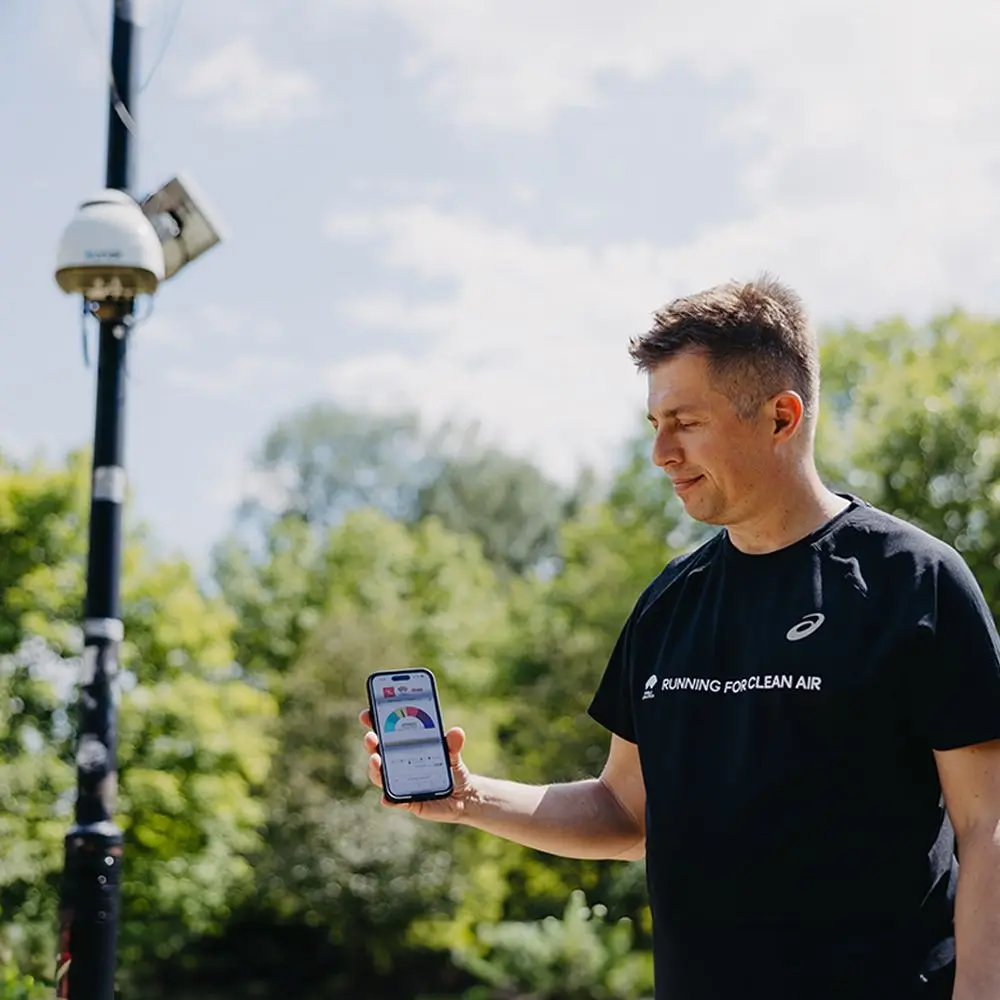
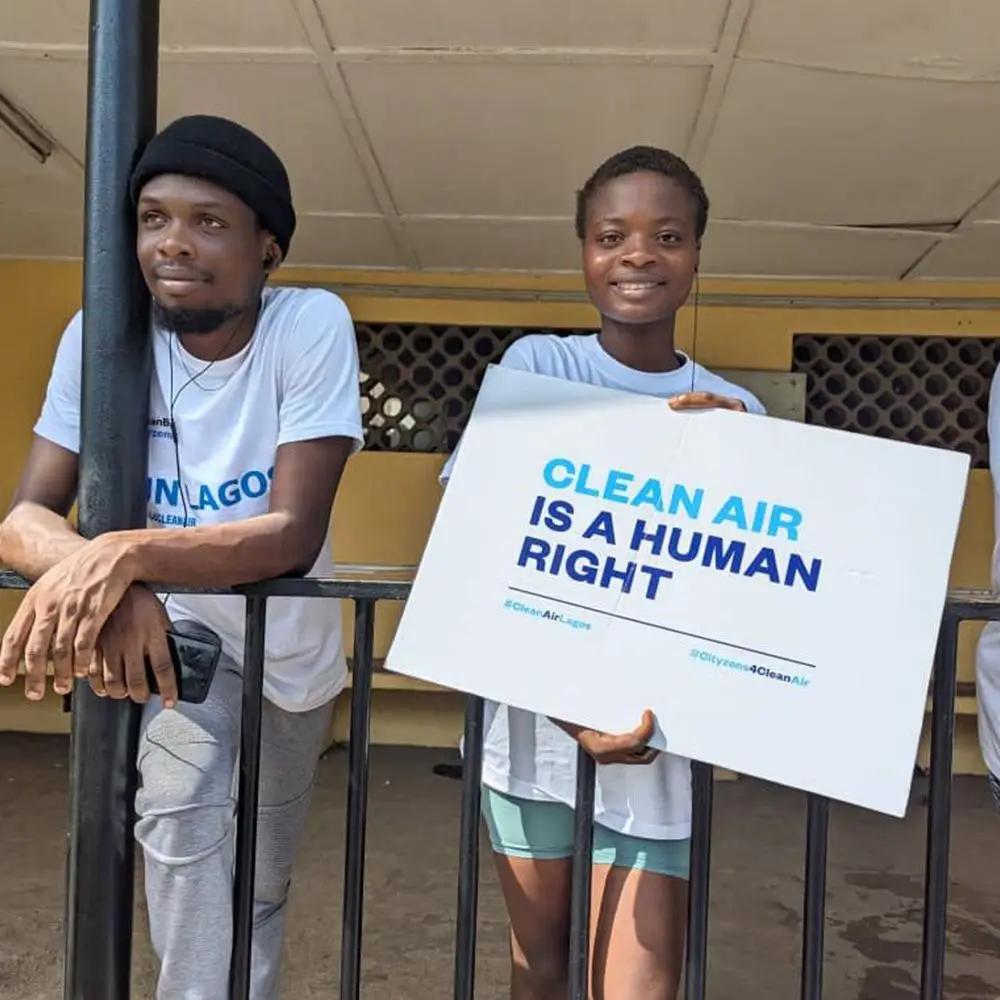
Running for Clean Air is a World Athletics initiative, funded by Clean Air Fund, that uses athletics as a meeting point between public health, urban sport and air quality.
Air pollution directly affects people exercising outdoors. During a run, increased respiratory rate raises exposure to pollutants such as PM2.5, PM10, NO2, CO and O3. This not only influences athletic performance, but can also worsen respiratory and cardiovascular risks in athletes, recreational runners and urban populations.
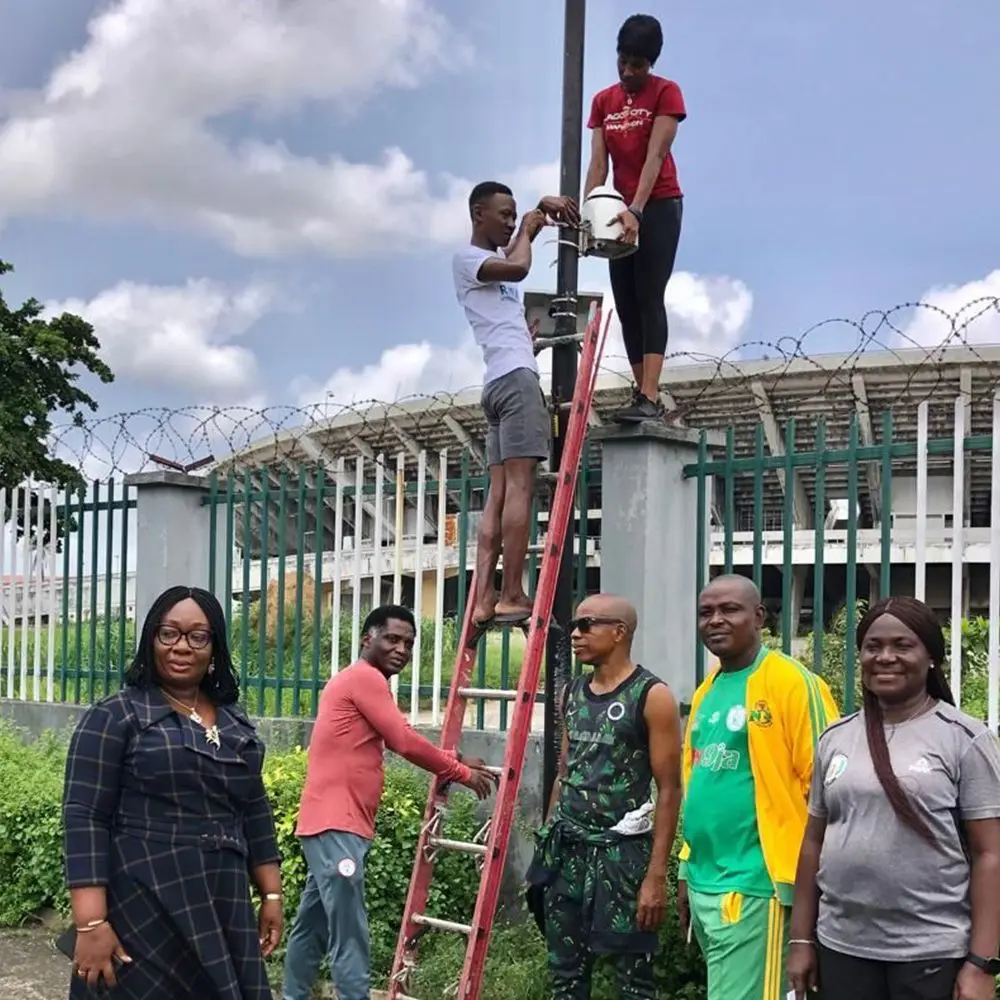
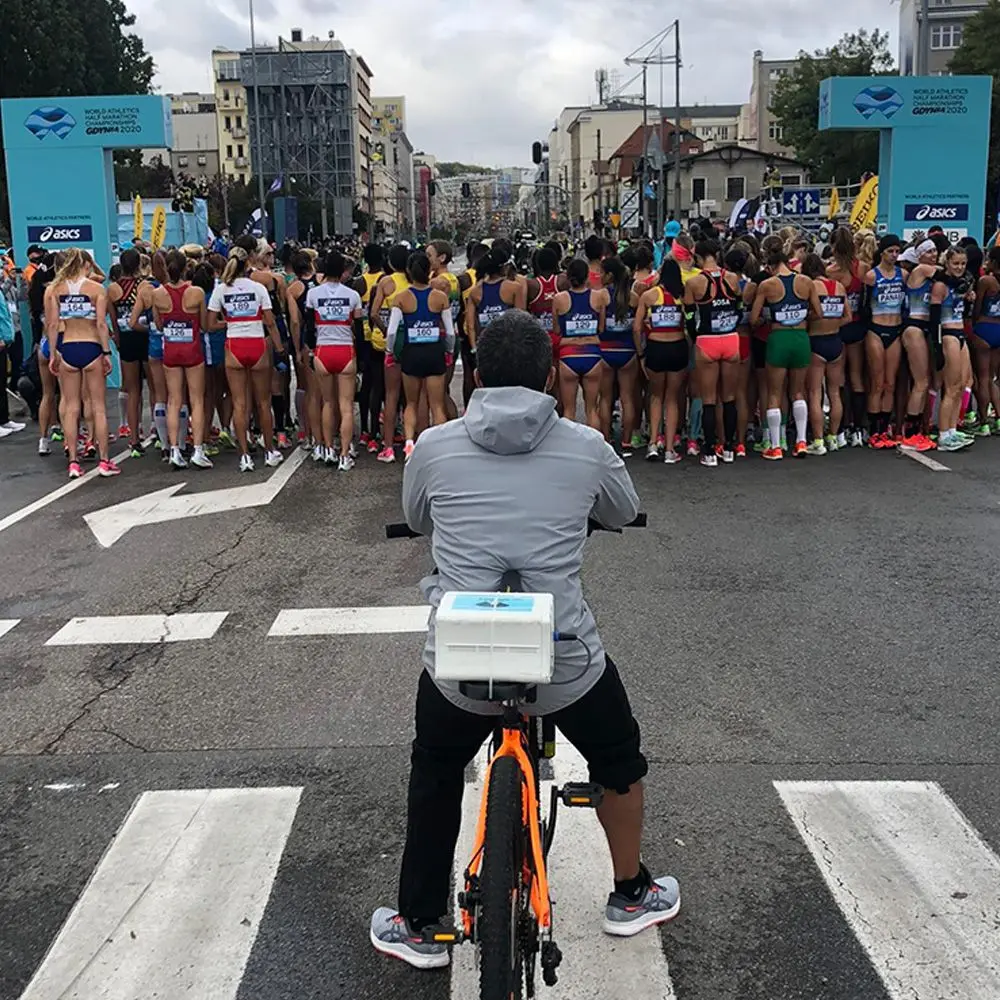
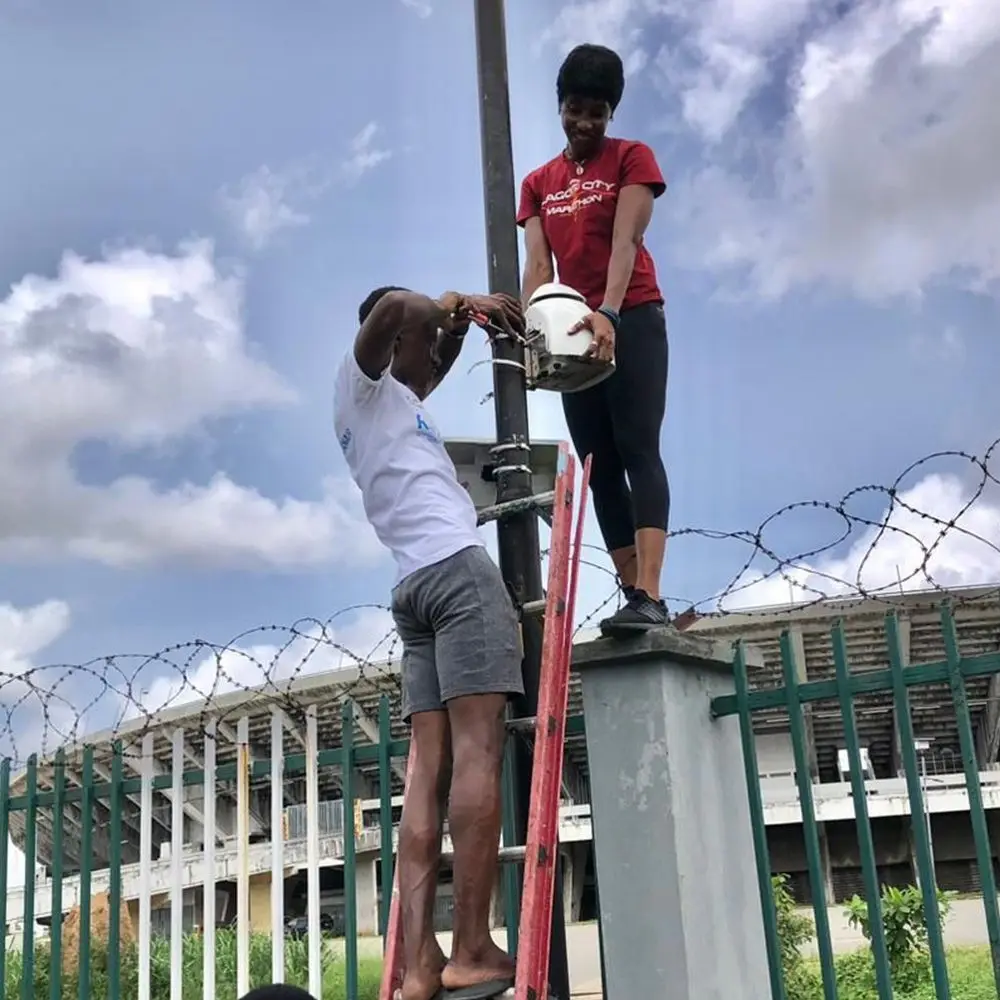
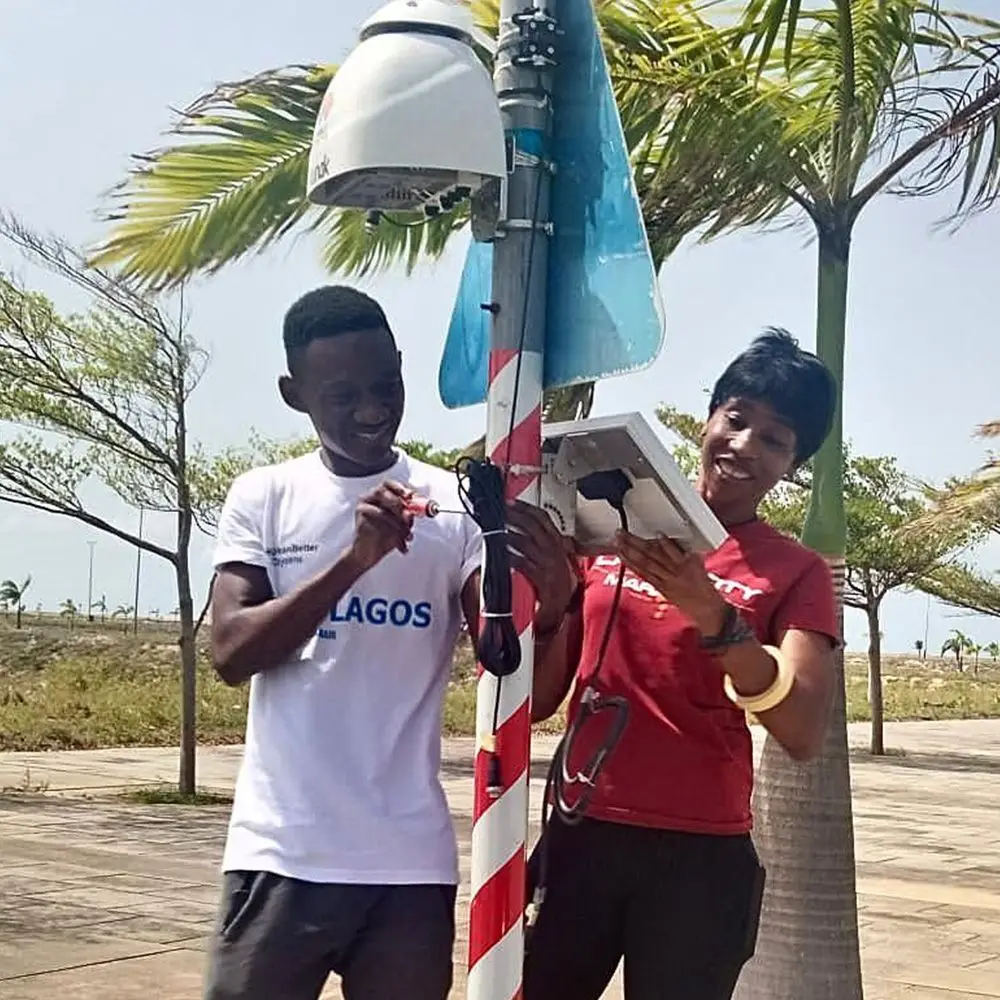
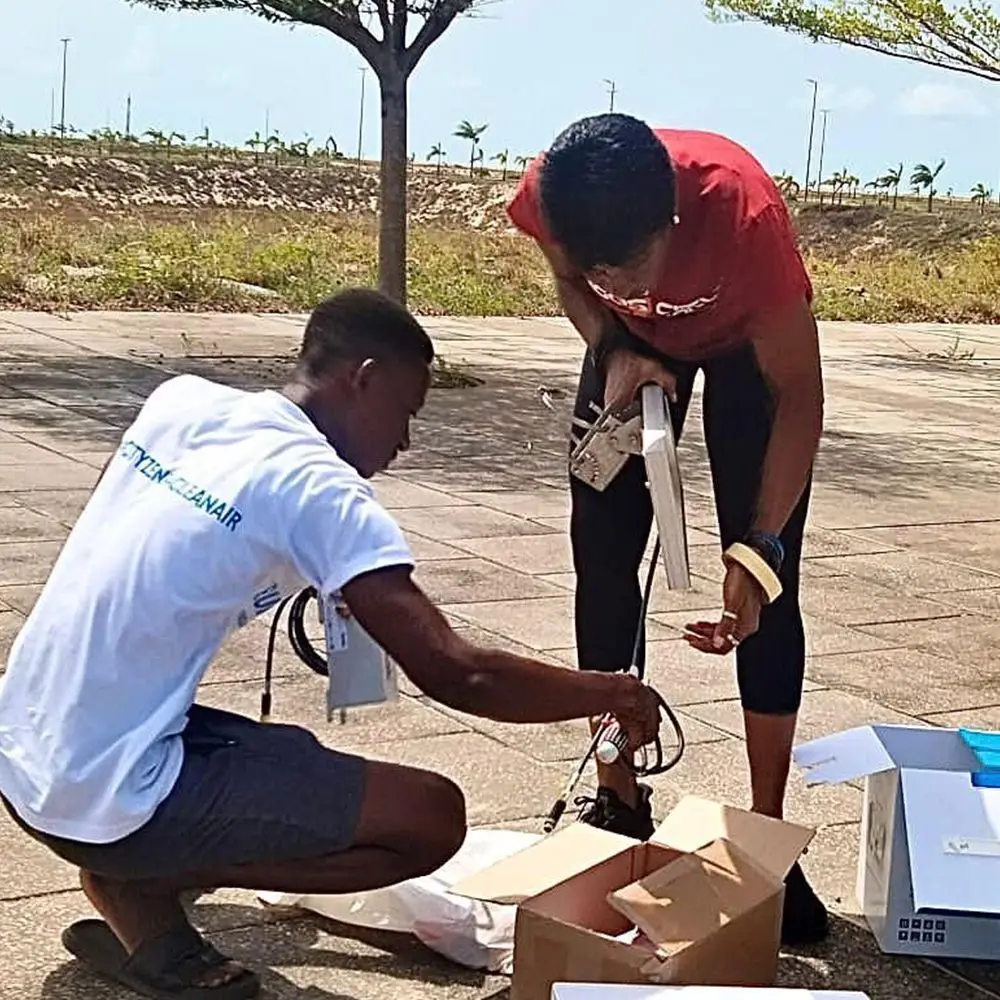
The project’s first phase was carried out in Lagos (Nigeria) and Warsaw (Poland), two cities linked to urban marathons and selected to study actual runner exposure. Marathons traverse wide areas of the city, cross neighbourhoods with different traffic and ventilation profiles and mobilise thousands of people. For this reason, they offer an uncommon opportunity to measure, compare and communicate air quality in real-world conditions of physical activity.
Phase 2 broadens the project scope. World Athletics has announced the expansion of Running for Clean Air across three continents, with five events over two years. This new stage incorporates competitions in Gaborone (Botswana), Bangkok (Thailand) and Valencia (Spain), strengthening the role of environmental monitoring in international sporting events.
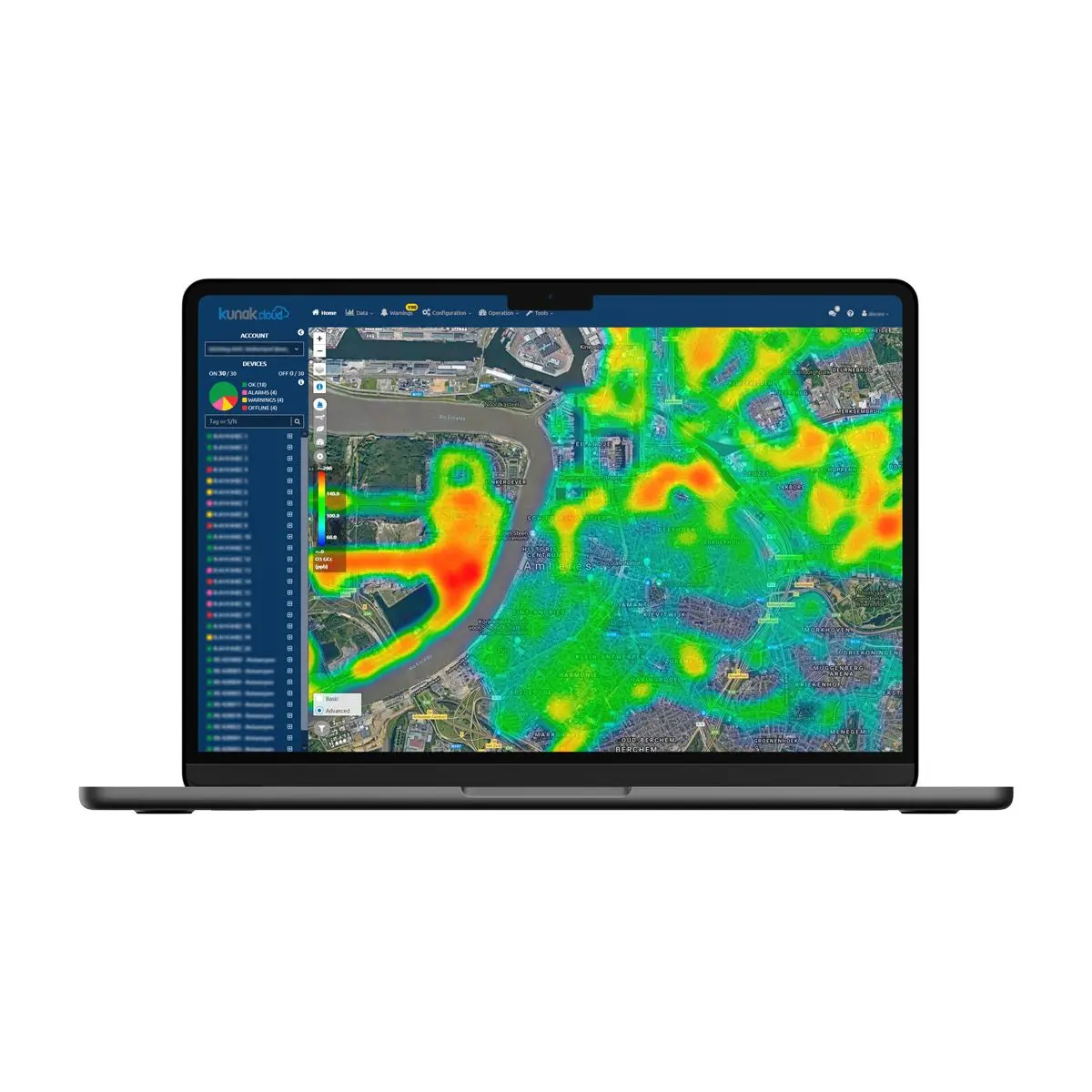
The challenge was not merely measuring pollutants. World Athletics needed comparable, continuous and comprehensible data to connect organisers, athletes, local authorities, NGOs and citizens. The information had to serve to interpret when and where highest exposure levels occur, how meteorological conditions affect them and what measures can reduce risk during sporting activity.
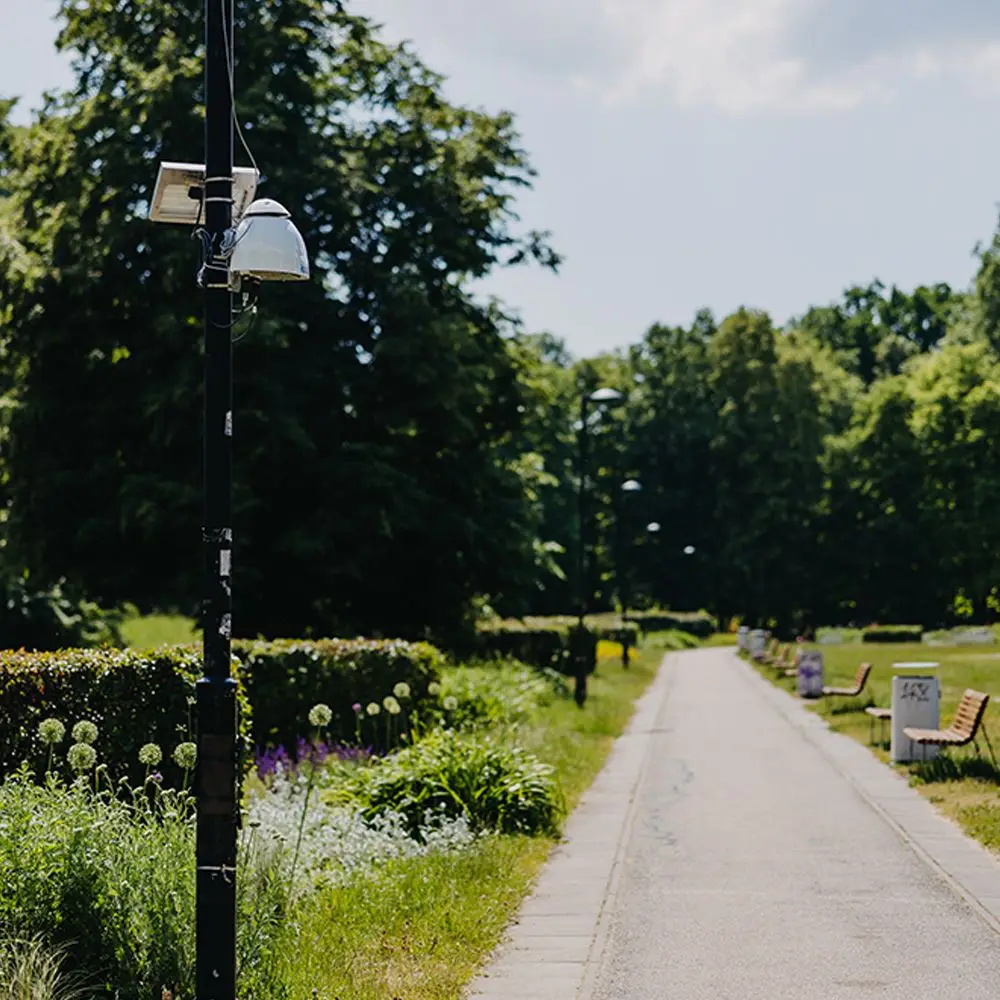
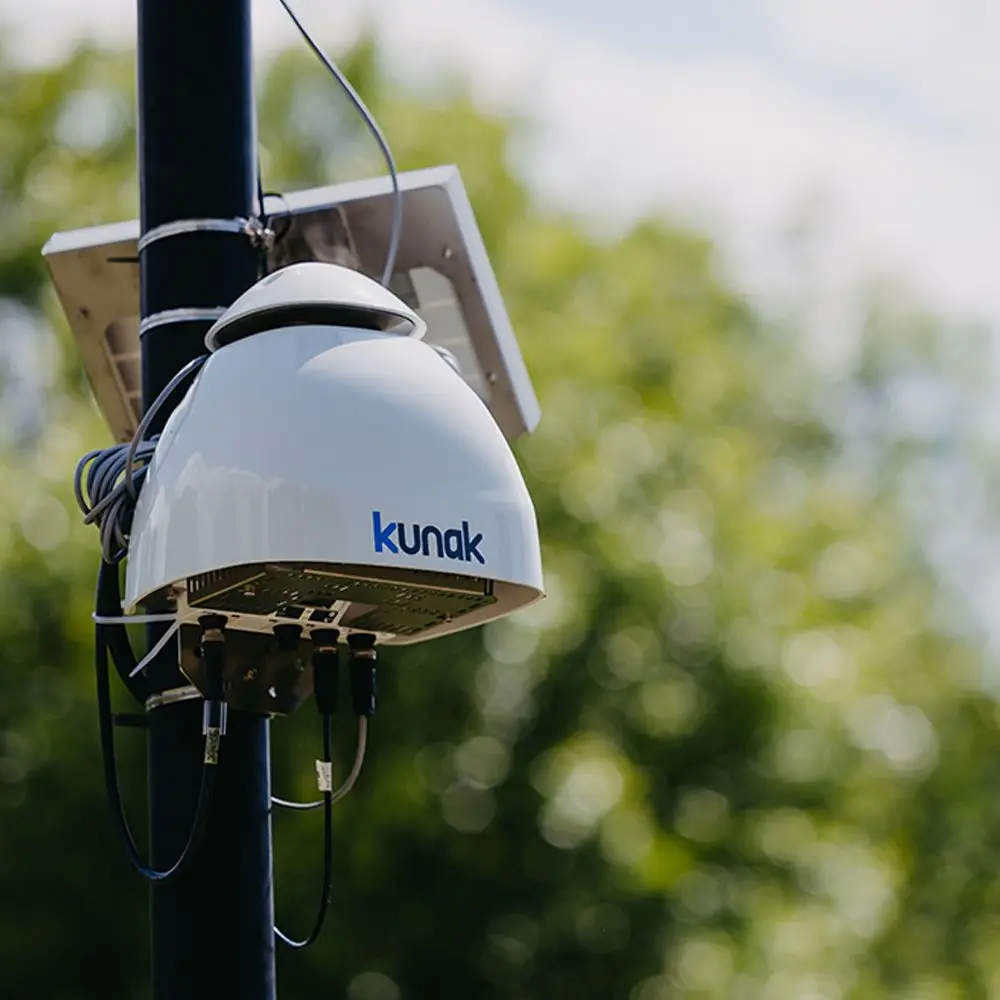
World Athletics has previously collaborated with Kunak Technologies, for example, to monitor air quality and heat stress during a world championship. This collaboration is part of their efforts to improve air quality.