Need
The rapid expansion of data centers has raised a question that public authorities in northern Virginia could not leave unanswered: what real impact do these facilities have on the air quality of surrounding communities?
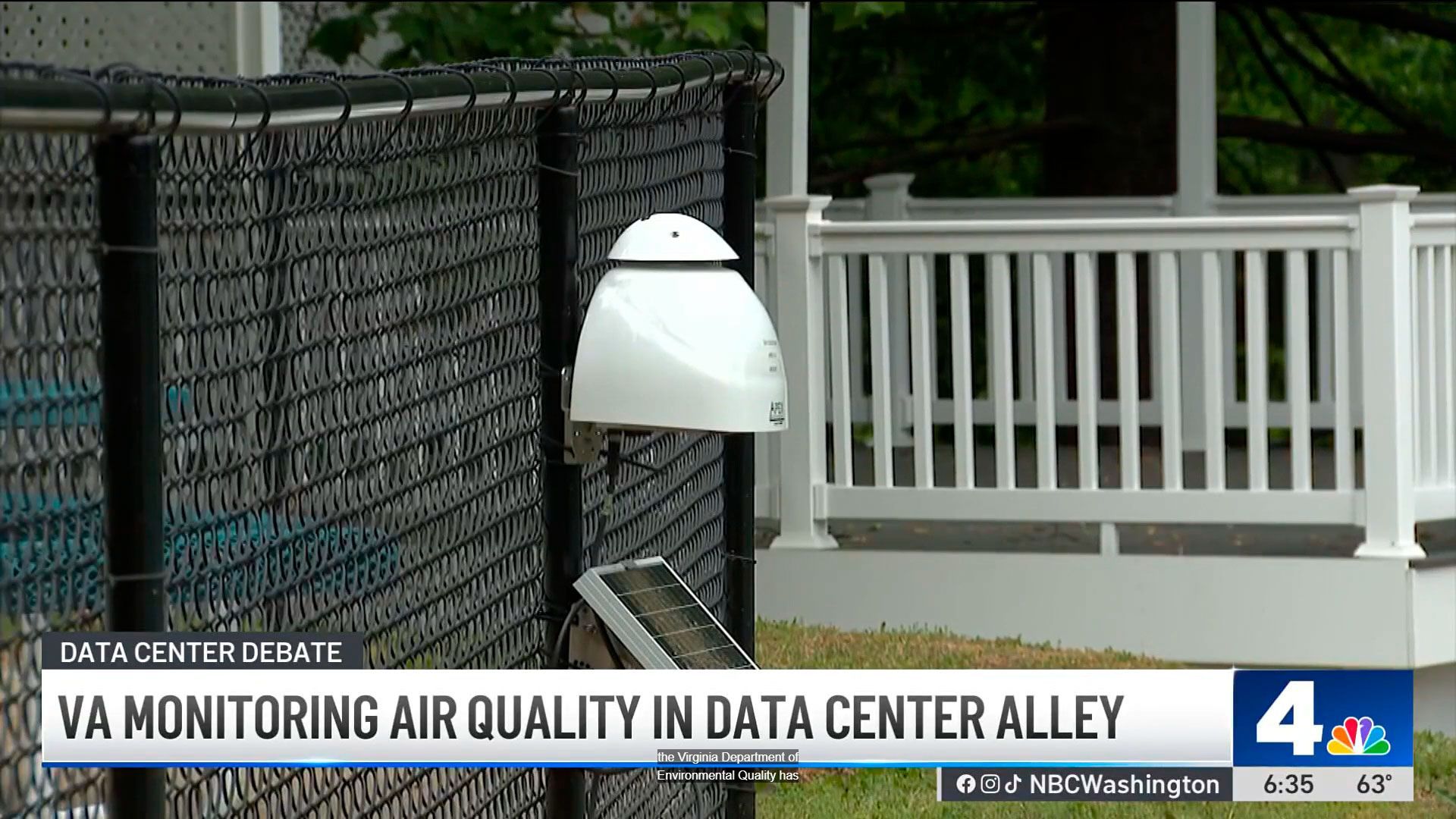
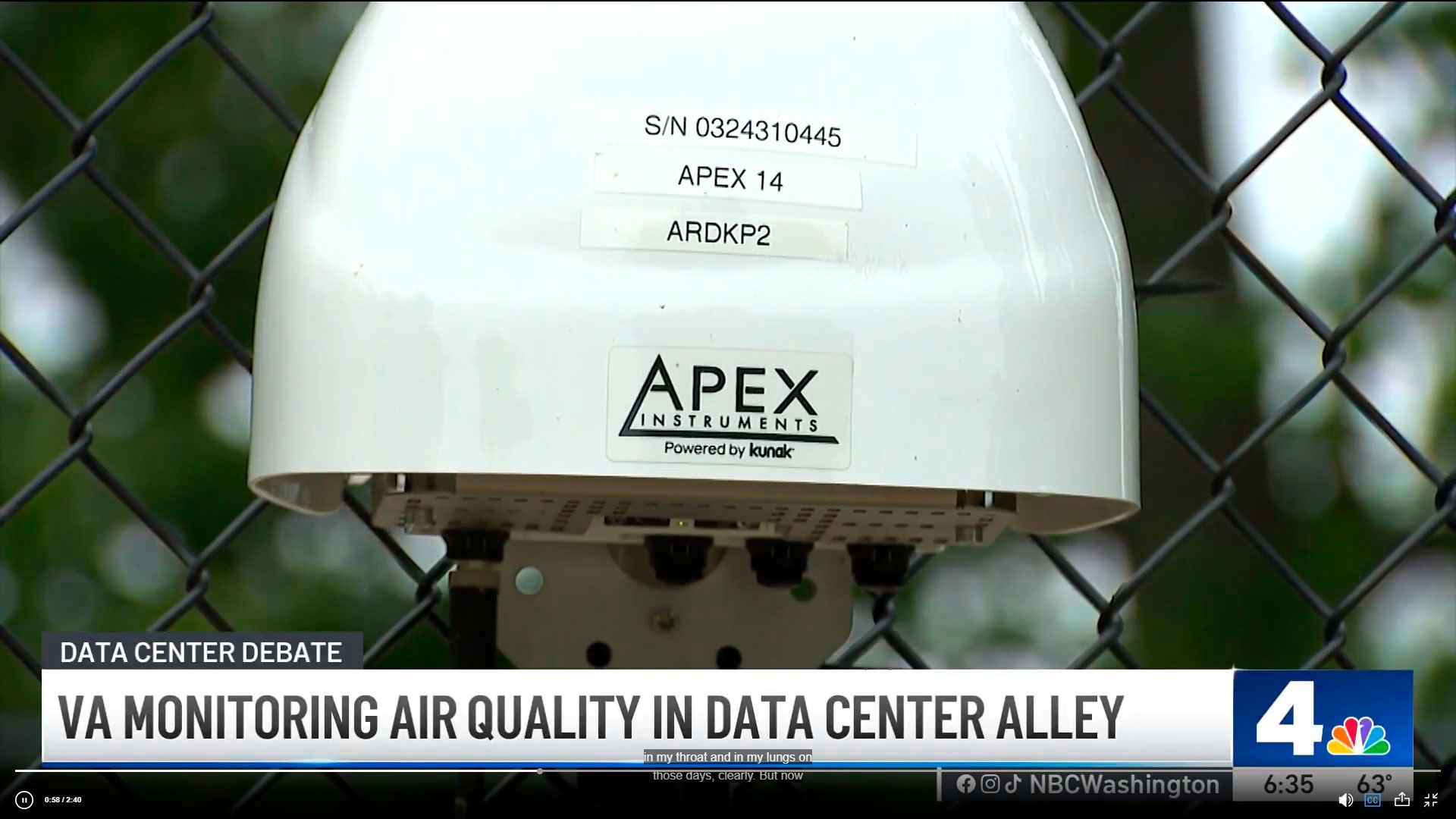
The Virginia Department of Environmental Quality (DEQ) received funding from the U.S. Environmental Protection Agency (EPA) to design an environmental monitoring project specifically targeting this sector. The starting point was community concern over emissions from backup generators and natural gas turbines operating at these complexes, many of which concentrate dozens of facilities within a small geographic area.
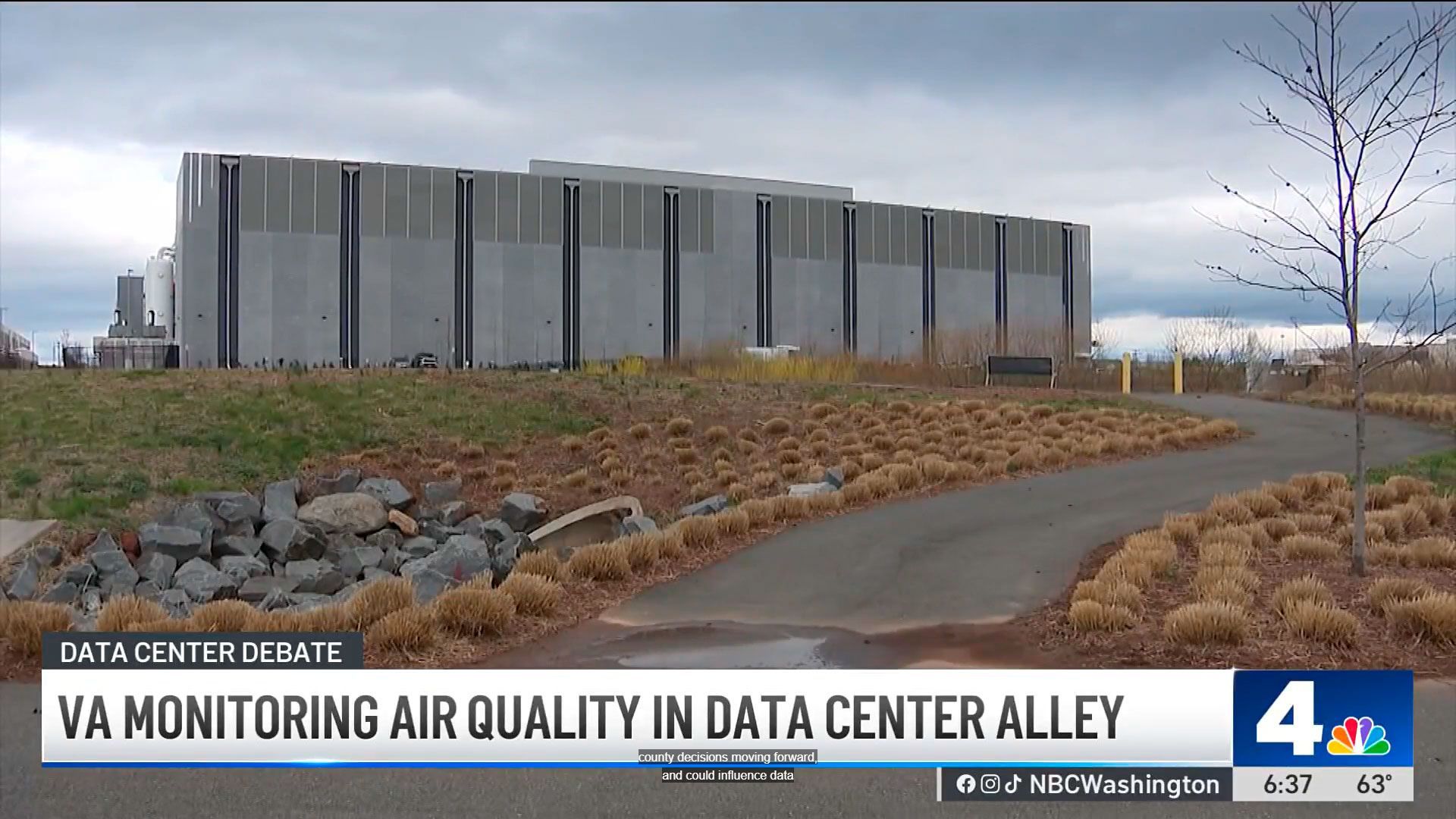
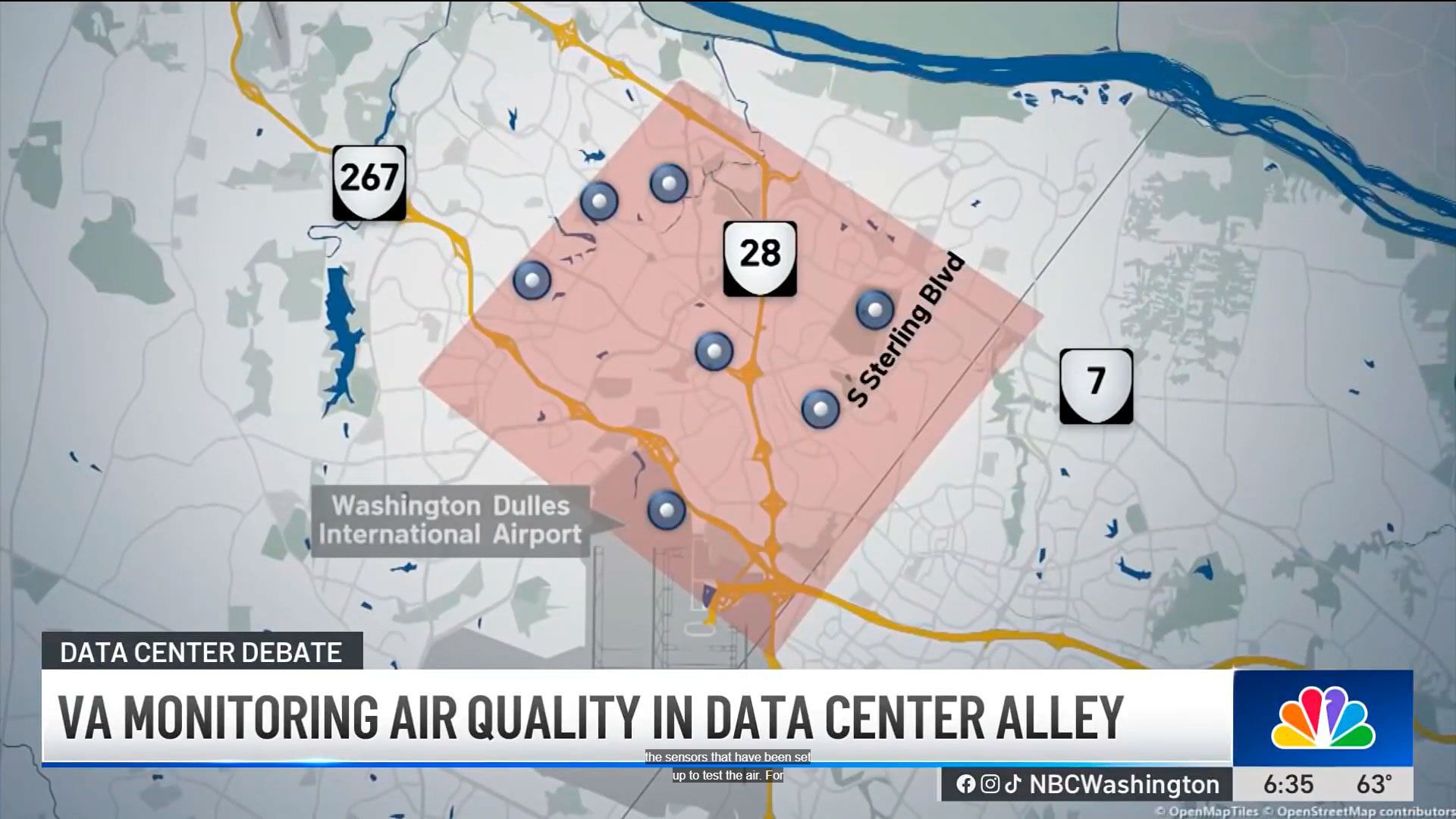
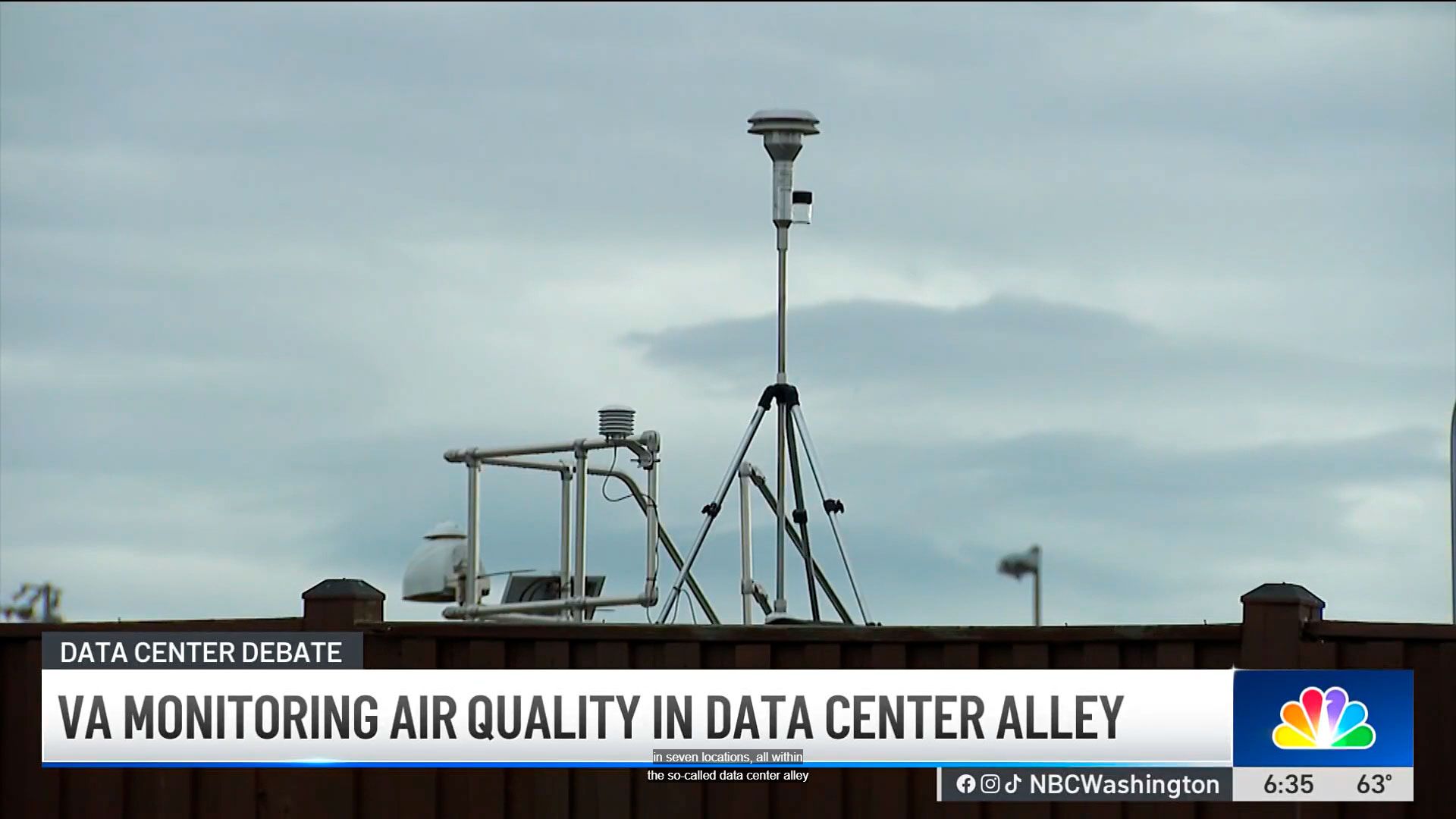
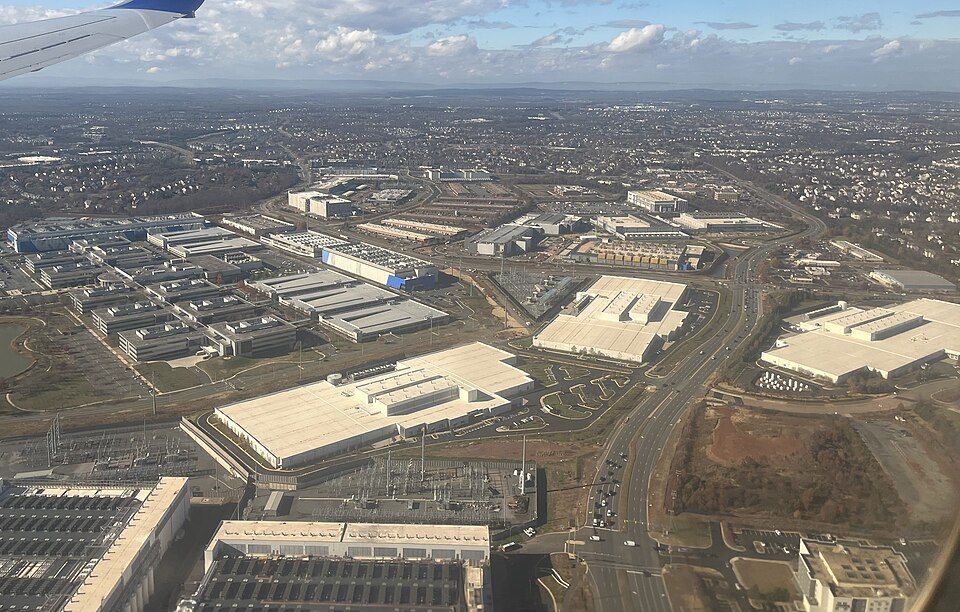
Loudoun and Prince William counties, in northern Virginia, host one of the highest concentrations of data centers in the world. The Loudoun corridor alone, known as “data center alley,” has such a density of installations that the DEQ identified it as the first priority study area.
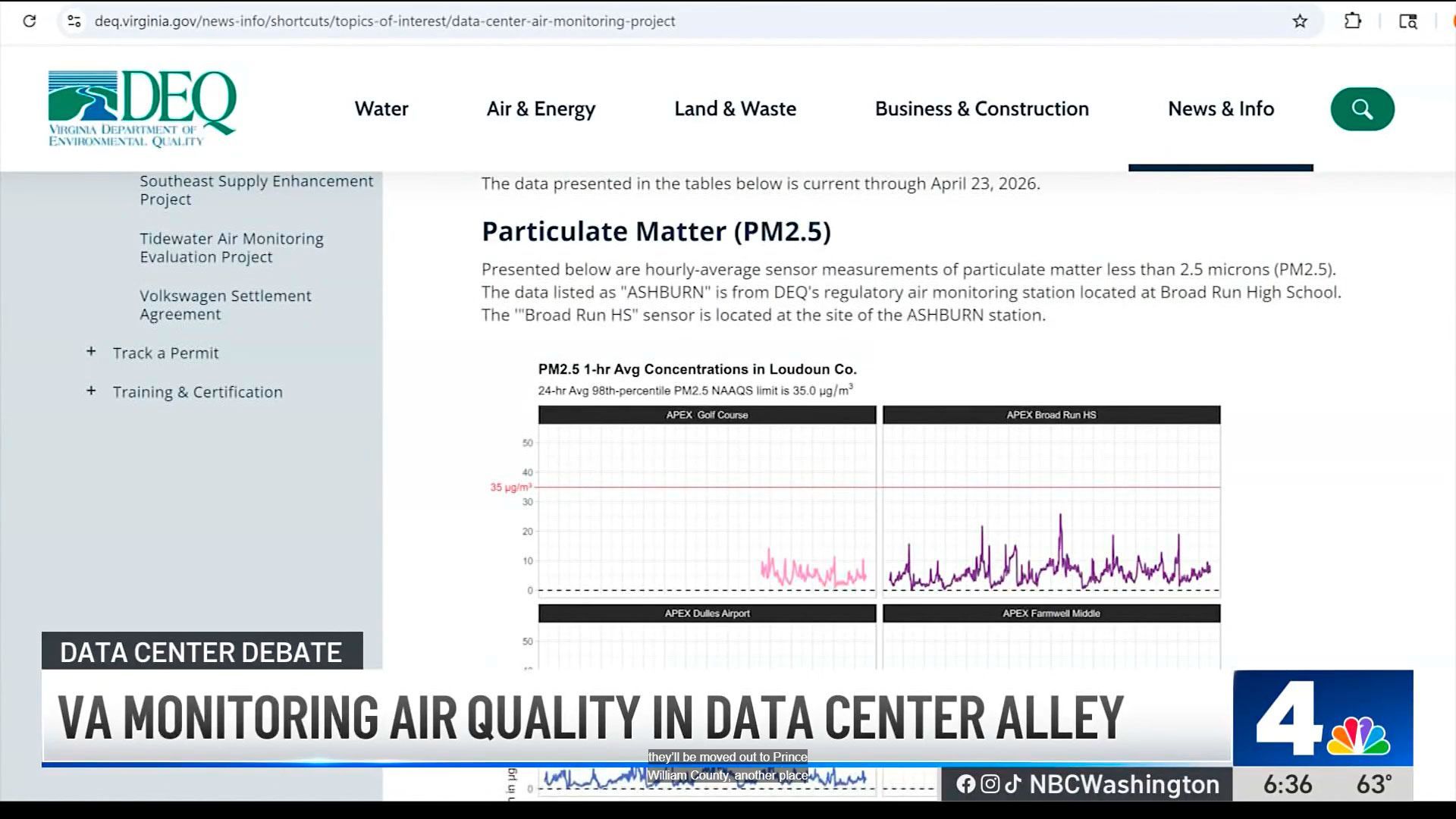
The objective went beyond meeting National Ambient Air Quality Standards (NAAQS) requirements. The DEQ needed its own continuous, technically sound data to determine whether existing permanent monitoring networks were sufficient or whether the new industrial context required expanding them.
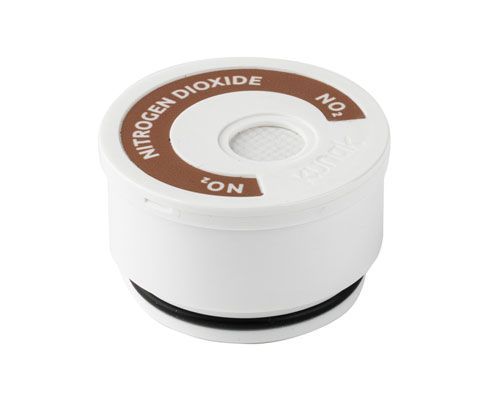
The question was specific: are communities exposed to elevated concentrations of CO, NO2, or PM2.5 from data center activity?
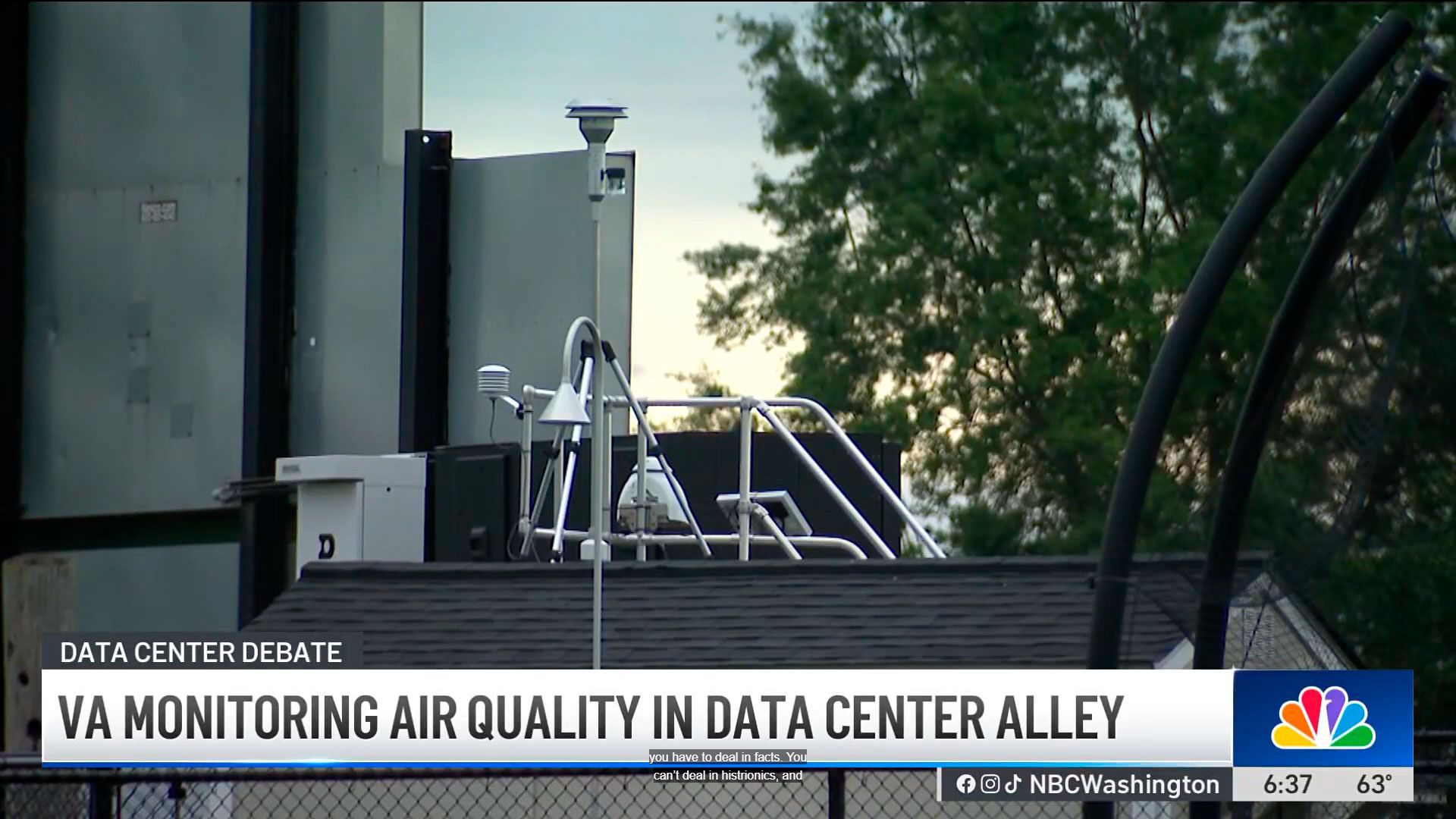
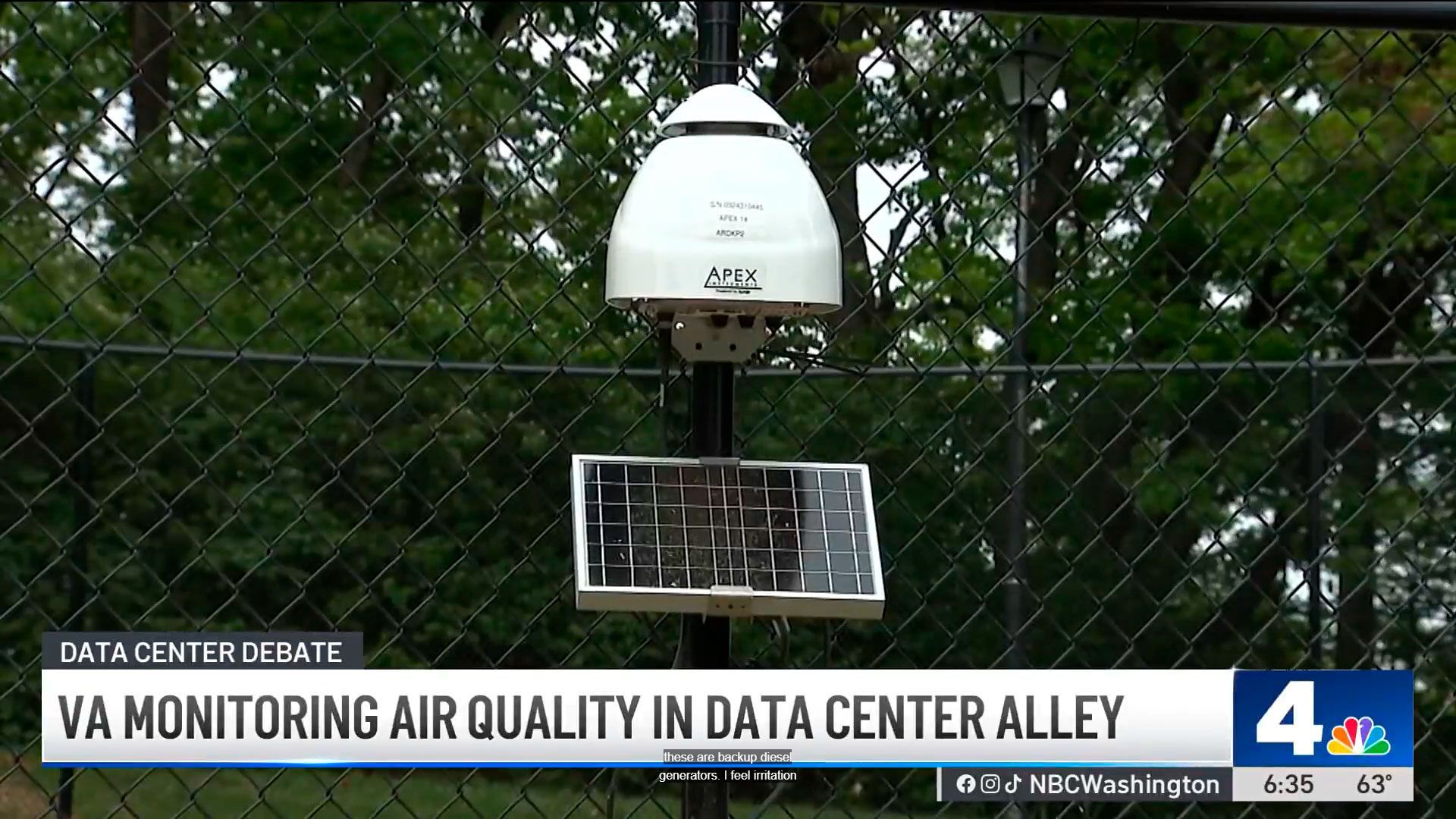
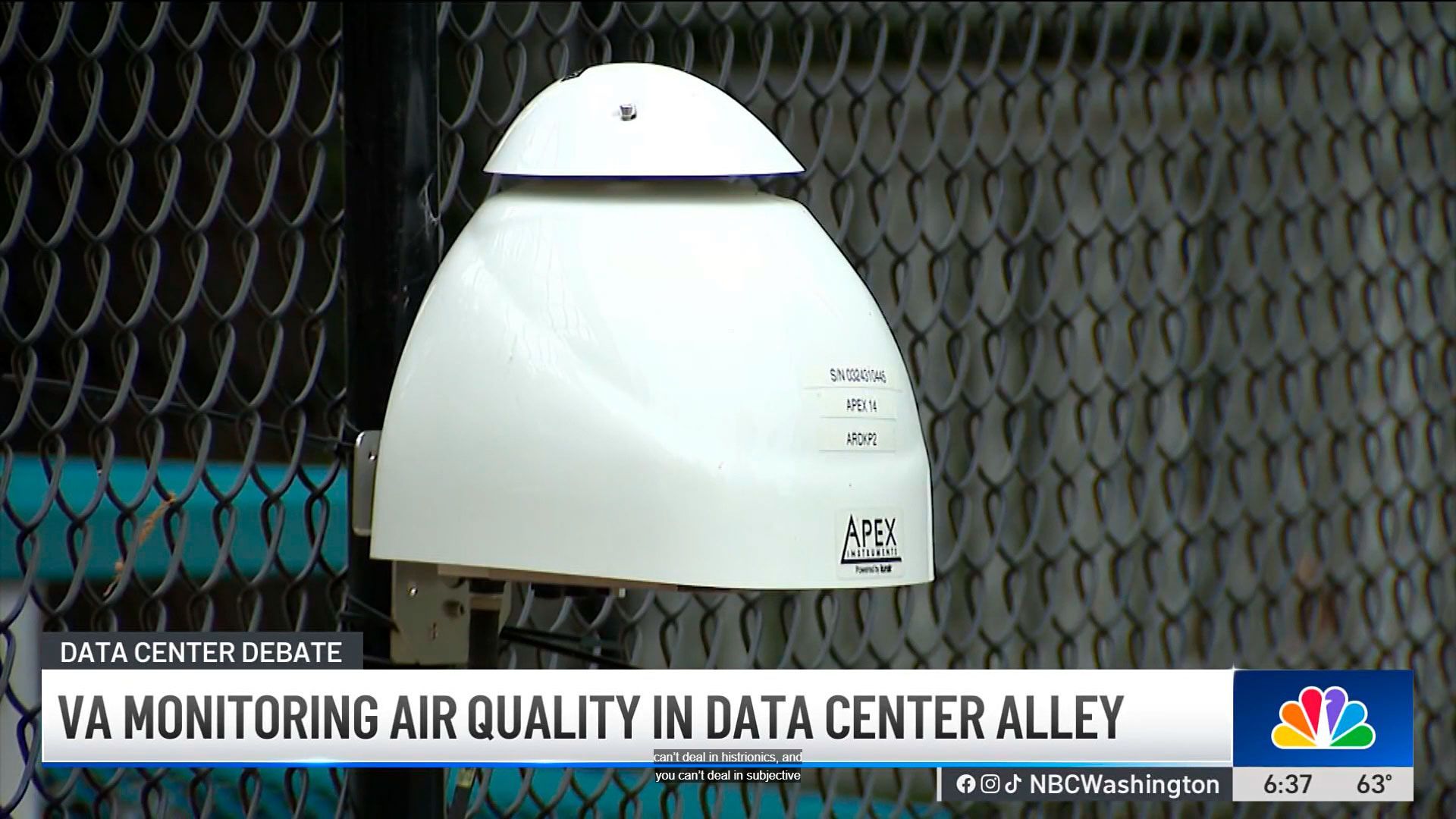
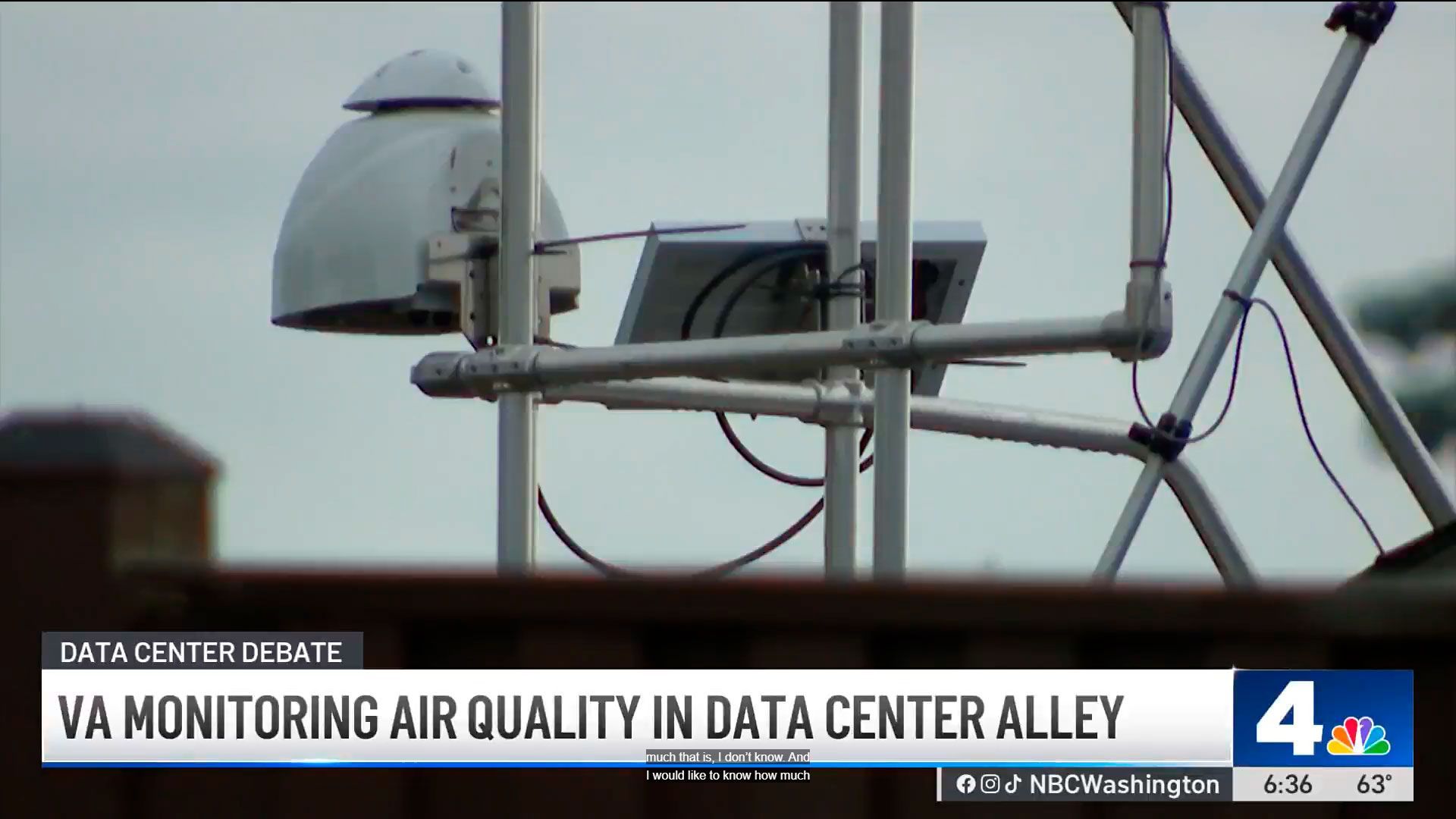
Answering it required a sensor network capable of covering a large territory across multiple sites, generating near-real-time data and enabling geospatial correlation of results.
The challenge: designing a flexible network for an unprecedented sector
Data centers are not a conventional emissions source. They have no stacks with known flow rates, nor continuous industrial processes that are easy to characterize. Their relevant emissions come primarily from diesel backup generators during periodic tests and power outages, and from natural gas turbines at larger facilities. This makes them intermittent sources that are difficult to attribute and highly variable over time.
The technical challenge was twofold. On one hand, sensors had to be installable in diverse locations, from industrial zones to residential areas, with and without access to grid power. On the other, data had to be comparable across sites and verifiable against the DEQ’s reference network for the results to carry regulatory weight.
The project also had an accountability dimension. Citizens had raised concerns and the agency needed objective data to communicate with rigor, not with estimates.