
Air monitoring in remediation projects involves the continuous measurement of atmospheric pollutants released during the cleanup of soils, groundwater and contaminated industrial sites. Activities such as excavation, soil vapour extraction (SVE) or chemical treatments can generate emissions of volatile organic compounds (VOCs), methane (CH4)Methane, known chemically as CH4, is a gas that is harmful to the atmosphere and to living beings because it has a high heat-trapping capacity. For this ...
Read more, hydrogen sulphide (H2S)Hydrogen sulphide (H2S), also known as hydrosulphuric acid or sewer gas, is a gas unmistakable due to its characteristic rotten egg smell, noticeable even ...
Read more and particulate matter (PM)Atmospheric particulate matter are microscopic elements suspended in the air, consisting of solid and liquid substances. They have a wide range of sizes an...
Read more. Real-time air monitoring systems enable the identification of emission sources, the protection of workers and nearby communities, the verification of remediation effectiveness and the assurance of environmental compliance.
To understand the scale of the challenge, consider the example of the Almadén cinnabar mine (Ciudad Real, Spain). When the world’s largest cinnabar mine (in operation for more than 2,000 years) permanently ceased metallurgical activity in 2003, the challenge went far beyond stopping pollution. It became a matter of managing the legacy of mercury dispersed across soil, water and air throughout an entire region.
Studies conducted by CIEMAT (Centre for Energy, Environmental and Technological Research) under Spain’s Ministry of Science, Innovation and Universities documented that gaseous emissions of elemental mercury (GEM) from waste dumps remained above recommended thresholds years after closure, although significantly reduced compared to the active production phase.
In response, a consortium including CIEMAT, MAYASA (Minas de Almadén y Arrayanes S.A.), UPV/EHU (University of the Basque Country) and the National Museum of Natural Sciences of the Spanish National Research Council (MNCN-CSIC) is currently developing MONIMER, an advanced real-time environmental mercury monitoring system that includes predictive models of contaminant mobility. In parallel, the LIFE HERMES European project is specifically focused on the reduction of mercury dispersion into the air during in situ soil stabilisation processes.
This example is universal. At any contaminated site, whether a former mine, a petrochemical facility or a closed landfill, active remediation mobilises contaminants that must be monitored in real time.
Air Quality Innovation in Just 1 Click
Stay informed about the air you breathe!
Subscribe to our newsletter to receive the latest updates on environmental monitoring technology, air quality studies, and more.
Environmental monitoring during remediation is the tool that ensures the intervention is a safe, traceable and verifiable process for regulators, nearby communities and investors. Occupational air monitoring in remediation, contaminated site emissions monitoring and environmental monitoring during soil remediation are three sides of the same challenge, all requiring continuous, georeferenced and real-time data.
In this article, we analyse why air qualityAir quality refers to the state of the air we breathe and its composition in terms of pollutants present in the atmosphere. It is considered good when poll...
Read more is a critical factor in any remediation project, which pollutants should be prioritised depending on the type of site, how to design an effective perimeter air monitoring during remediation network, what regulatory frameworks require, and the operational value that data provides beyond compliance.
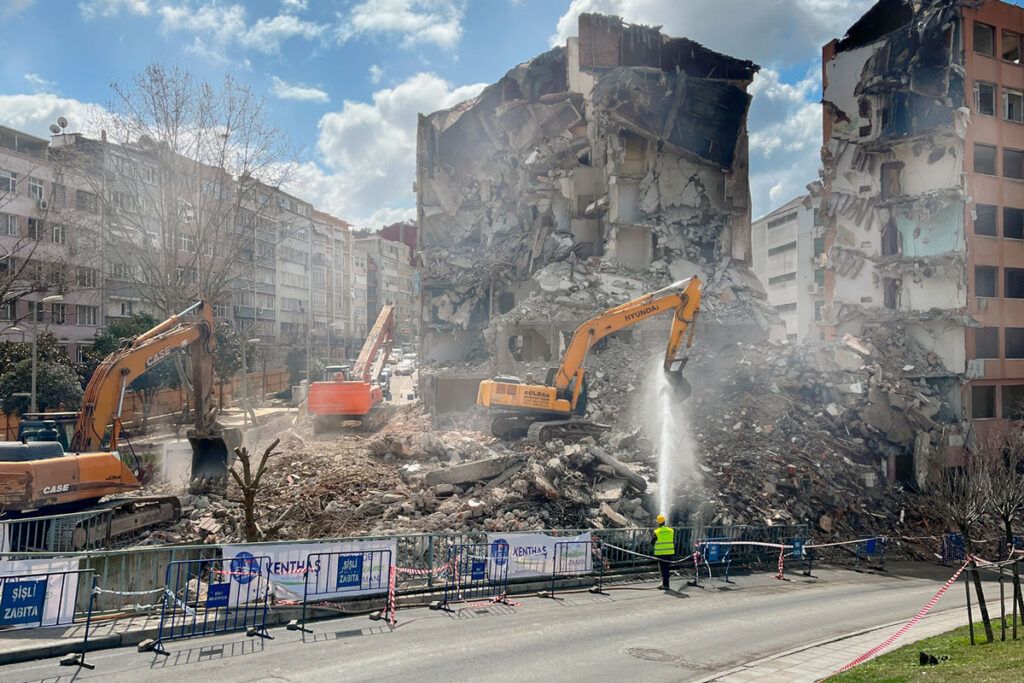
Military or mining sites in remediation projects, when explosives, mercury, arsenic or other inorganic contaminants are present, can be dispersed as dust during excavation.
What is air monitoring in remediation projects?
Air monitoring in remediation projects is the systematic and continuous measurement of atmospheric pollutants generated during the clean-up, treatment and recovery of contaminated sites. Its objective is twofold. On one hand, to protect the health of workers on site and nearby communities; on the other, to verify that the applied remediation techniques are effectively reducing the contaminant load without transferring it to the atmosphere.
Industrial facility emissions vs. environmental remediation projects
Although remediation site air monitoring shares instrumentation with industrial monitoring, it follows a different logic.
- Operating industrial facility: emission sources are known, stable and mostly channelled (stacks, vents, relief valves).
- Environmental remediation project: emissions are fugitive, intermittent and geographically dynamic. They depend on where excavation is taking place, which treatment technique is active and which meteorological conditions favour volatilisation or particle dispersion. This requires more flexible environmental monitoring systems, with a higher density of measurement points and real-time response capability to unplanned emission peaks.
Types of remediation sites
Contaminated site remediation covers a wide range of site types, each with its own atmospheric risk profile:
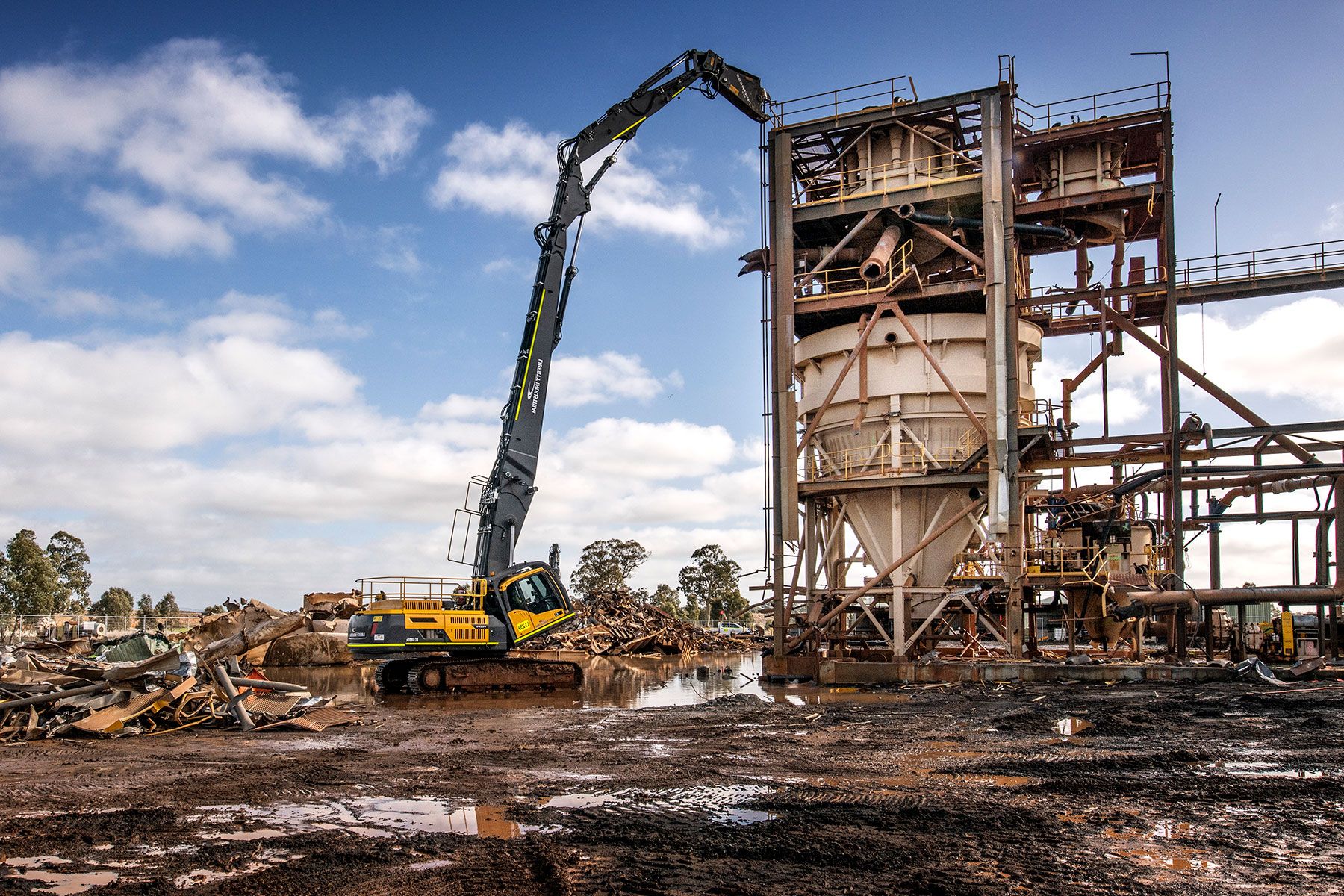
- Brownfields and decommissioned industrial sites: former factories, refineries, chemical or metallurgical plants where soil has accumulated decades of contamination from hydrocarbons, heavy metals or chlorinated solvents.
- Closed or capped landfills: with active biogas generation (methane, CO2, H2S) and risk of gas migration into inhabited areas.
- Military or mining sites: with explosives, mercury, arsenic or other inorganic contaminants that become airborne as dust during excavation.
- Port areas and sedimentary soils: containing persistent organic pollutants such as polychlorinated biphenyls (PCBs) and polycyclic aromatic hydrocarbons (PAHs), which volatilise when sediments are disturbed or exposed to air and sunlight.
Across all these environments, environmental monitoring during soil remediation should not begin once a problem is detected. It must be operational from day one, before any machinery moves the first cubic metre of soil.
Emissions and health protection during remediation
Emissions control during contaminated site remediation has a regulatory dimension, ensuring compliance with limits set by environmental authorities. However, its most immediate function is health protection. Pollutants released during excavation do not wait for laboratory results. Benzene, H2S or fine particulate matter act at the moment of exposure. For this reason, real-time remediation monitoring should not be seen as an optional technical upgrade, but as the mechanism that enables field teams to act with the right information, exactly when they need it.

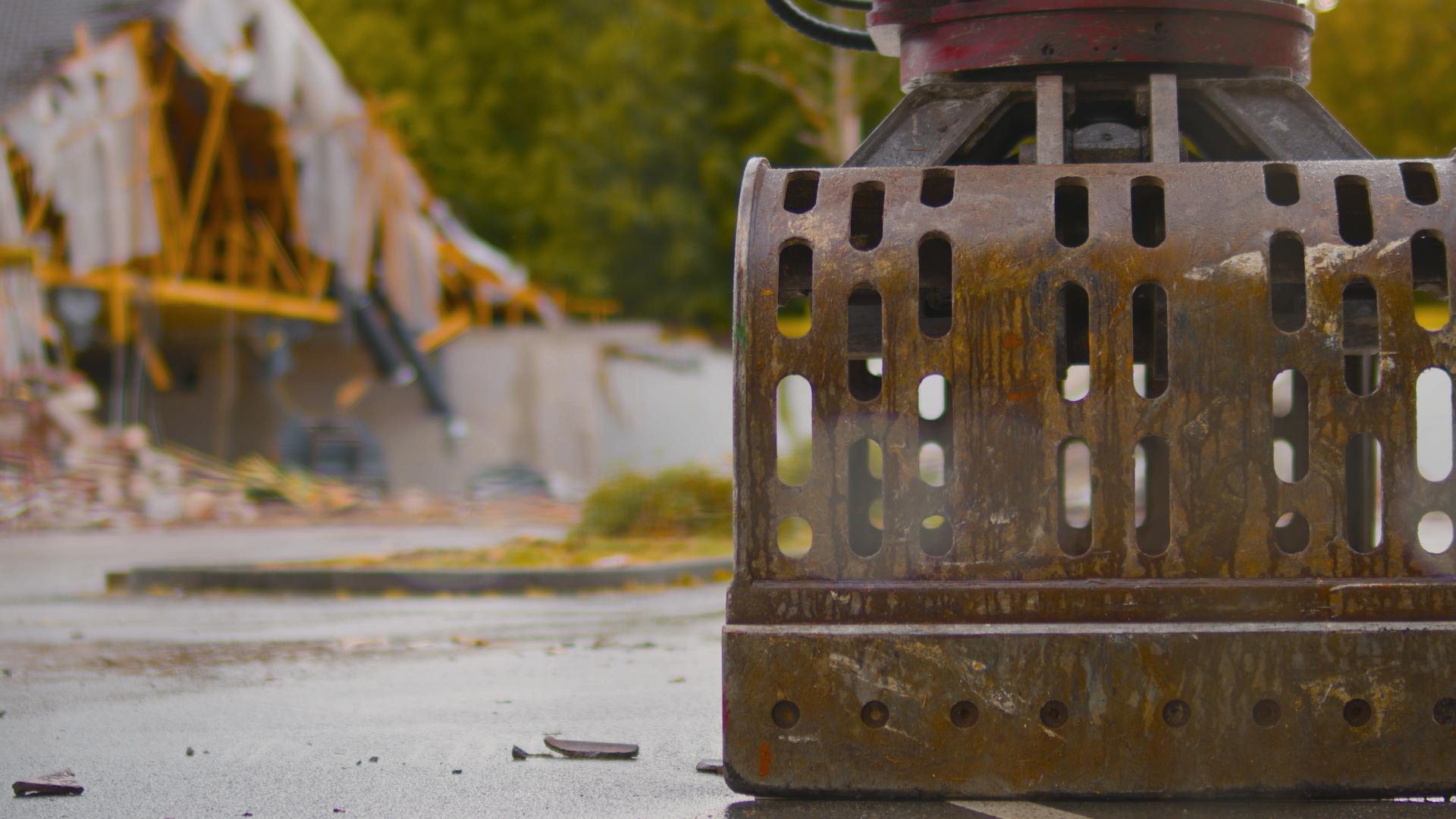
In former industrial sites, soil can accumulate decades of contamination from hydrocarbons, heavy metals or chlorinated solvents.
Air emission risks during remediation
One of the most common mistakes in environmental remediation planning is assuming that contamination remains confined within the soil. In practice, the opposite is true. Contamination exists in a dynamic equilibrium between the solid matrix, groundwater and the gaseous phase.
Any mechanical, thermal or chemical disturbance to this balance, which is precisely how remediation techniques operate, shifts that equilibrium towards the atmosphere.
Release of volatile organic compounds (VOCs)
VOCs represent the most common and underestimated atmospheric risk in remediation projects involving soils with a petrochemical, industrial or fuel storage legacy. Compounds such as benzene, toluene, ethylbenzene and xylenes, the BTEX group, have sufficient vapour pressure to rapidly volatilise when exposed to air during excavation. Measuring BTEX under these conditions cannot rely on 24-hour passive sampling. Concentration peaks occur within minutes, especially when opening trenches in highly contaminated zones or activating soil vapour extraction systems.
Emission control during excavation requires the use of sensors with response times below 60 seconds and alert thresholds set below occupational exposure limits (OELs). In the case of benzene, classified as a Group 1 carcinogen by the IARC (International Agency for Research on Cancer), the margin between detectable and hazardous concentrations is narrow. This makes VOC monitoring in remediation projects not only an environmental control measure but also a critical occupational air monitoring remediation tool.
Methane and hazardous gases in impacted sites
Former landfills, soils with high levels of decomposing organic matter and sites contaminated with organic industrial waste are active sources of potentially explosive and toxic gases. For example, methane generated by anaerobic degradation can accumulate at concentrations exceeding the lower explosive limit (LEL: 5% v/v in air) in trenches, basements or confined spaces near the remediation area.
Gas monitoring in remediation sites, particularly in former landfills, is often mandatory under regulatory frameworks during active intervention phases, as mechanical disturbance of the substrate can reactivate previously stabilised gas pockets.
Alongside methane, emissions from organically contaminated sites frequently include hydrogen sulphide (H2S), which can only be detected by smell at low concentrations and becomes undetectable at hazardous levels, and ammonia (NH3)Invisible yet powerful: ammonia (NH3) is a colourless gas which, although naturally present in the atmosphere in small amounts, can become an unwelcome ene...
Read more, both posing combined acute and chronic toxicity risks for workers.
In environmental remediation settings within mining or chemical industry sites, additional inorganic gases such as hydrogen chloride (HCl)Hydrogen chloride (HCl) is an inorganic compound that, under normal temperature and pressure conditions, appears as a colorless gas with a sharp, irritatin...
Read more and sulphur dioxide (SO2)Sulphur dioxide (SO2) is a colourless gas with a pungent odour that causes an irritating sensation similar to shortness of breath. Its origin is anthropoge...
Read more may be present. Measuring these requires electrochemical sensors integrated into multi-parameter stations such as Kunak AIR Pro. These sensors offer high sensitivity, operate in parts-per-million (ppm) ranges, provide response times in seconds, which is essential for on-site protection, are portable and easily integrated into portable and wearable devices, while remaining significantly more cost-effective.
Particulate matter during soil handling
Particulate matter is the most visible pollutant in any soil remediation project and, paradoxically, one of the least prioritised in monitoring plans. During excavation, screening, loading and transport of contaminated soils, particles of different sizes are generated, with very different toxicological profiles depending on the site: dust containing heavy metals (Pb, As, Cd) in former smelters or mining sites; asbestos fibres in demolition soils; particles containing PAHs in former coking plants or gasworks.
Contaminated dust control cannot rely solely on corrective measures such as water spraying or physical barriers. These measures reduce generation but do not eliminate fugitive emissions, especially under windy conditions. Perimeter air monitoring during remediation must include continuous monitoring of PM10 and PM2.5 at boundary points most exposed to external receptors, combined with real-time correlation of wind speed and direction data. This enables immediate identification of the activity causing emission peaks and allows action before the plume reaches the site boundary.
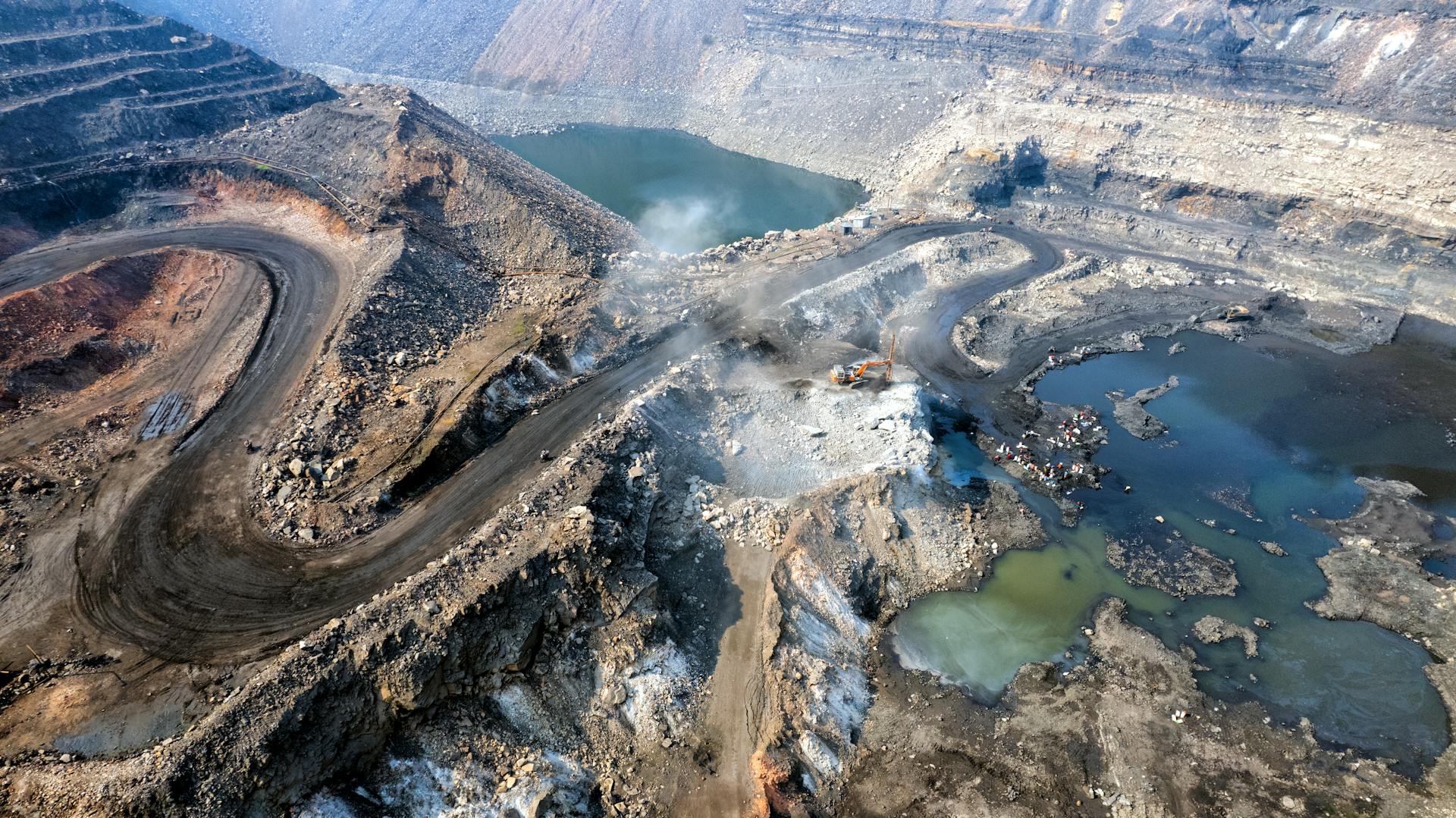
Contaminated site remediation covers a wide range of site types, each with its own atmospheric risk profile.
Regulatory framework and compliance requirements
Air monitoring in remediation projects is governed by an increasingly robust set of regulatory frameworks at European, national and international levels, defining who must monitor, what must be measured, how often and how results must be reported. Understanding this framework is not only a legal obligation, it is a competitive advantage for project developers aiming to deliver remediation projects without unexpected risks.
The Superfund programme of the United States Environmental Protection Agency (EPA), established under the CERCLA Act in 1980, is the global benchmark for the remediation of contaminated sites involving hazardous substances. The EPA assesses and prioritises sites through the Hazard Ranking System (HRS), which evaluates the risk of contaminant release into air, surface water and groundwater.
One of the most influential operational principles of this framework is the requirement to monitor air quality throughout the entire remediation lifecycle. The EPA promotes on-site air monitoring to ensure that hazardous contaminants are not released during soil vapour extraction or excavation activities.
Europe has recently taken a major regulatory step forward. The Directive (EU) 2025/2360 on soil monitoring and resilience, approved by the European Parliament on 23 October 2025, establishes the first common European legal framework specifically dedicated to soil protection.
The key implications of this Directive for remediation projects include:
- Mandatory monitoring: Member States must monitor soil health using a harmonised set of parameters (pH, organic carbon, priority contaminants and other descriptors defined in Annex I) and report results to the European Commission using comparable methodologies.
- Mandatory sustainable management: soil degradation and contamination must be addressed systematically through defined management practices.
- Transposition deadline: Member States have until the end of 2028 to implement the Directive into national legislation.
- Long-term objective: all EU soils must reach a healthy state by 2050.
Occupational exposure limits in remediation: the benchmark for field operations
Within the European framework, occupational exposure limits (OELs) are defined under the Council Directive 98/24/EC, which requires Member States to establish national exposure limits for chemical agents in the workplace.
The European Commission regularly publishes Indicative Occupational Exposure Limit Values (IOELVs), based on scientific assessments conducted by the Risk Assessment Committee (RAC) of the European Chemicals Agency (ECHA).
Each Member State must use these values as the minimum reference when defining national limits. They are expressed as time-weighted average concentrations over an 8-hour working day, with additional short-term exposure limits (STEL, typically 15 minutes) for substances with acute health effects.
In Spain, these limits are transposed and expanded through the Environmental Limit Values (VLA) published annually by the National Institute for Safety and Health at Work (INSST). The system defines two key thresholds:
- VLA-ED (Daily exposure): 8-hour time-weighted average that must not be exceeded.
- VLA-EC (Short-term exposure): limit for exposures up to 15 minutes, which must not be exceeded more than four times per day, with at least one-hour intervals.
Passive 8-hour sampling averages out peaks that may have exceeded short-term exposure limits multiple times without being recorded.
Legal responsibility and environmental reporting: CSRD and ESRS E2 requirements
For large project developers and industrial operators, soil remediation also carries a mandatory corporate reporting dimension. The ESRS E2 – Pollution standard, within the framework of the Corporate Sustainability Reporting Directive (CSRD), requires companies to identify, measure and transparently report impacts on air, water and soil pollution, as well as the policies implemented to manage them.
From a legal responsibility perspective, Spanish legislation, established under Law 7/2022 on waste and contaminated soils, applies the “polluter pays” principle and assigns responsibility for remediation, in order of priority, to the polluter, the land possessor and the non-possessing owner.

At contaminated sites, such as capped landfill areas, active remediation mobilises pollutants that must be monitored in real time.
Perimeter air monitoring in contaminated sites
Controlling what happens inside a remediation site is necessary, but not sufficient. Pollutants released during excavation or soil treatment do not respect site boundaries, they disperse with the wind, migrate as vapours and reach external receptors such as residents, schools, green areas and aquifers. Perimeter air monitoring during remediation is the surveillance system deployed at the site boundaries to detect this dispersion before it becomes a public health issue or a legal claim.
Perimeter monitoring consists of a network of measurement stations strategically distributed along the site boundary, oriented towards the most vulnerable external receptors. Unlike sensors installed within the site, which focus on occupational exposure and process control, perimeter systems measure immission, the actual concentration of pollutants that reach the surrounding environment under real conditions.
The parameters typically monitored at the perimeter of a remediation project include:
- PM10 and PM2.5: dust generated by excavation, screening and soil transport.
- Total VOCs (TVOC): early warning indicator of hydrocarbon volatilisation.
- H2S and NH3: low odour threshold gases with direct impact on community well-being.
- Methane (CH4): particularly relevant in landfills and organically contaminated soils.
- Meteorological data: wind speed and direction, temperature and relative humidity, essential to correlate concentration peaks with emission sources and dispersion patterns.
The distinction between source monitoring and perimeter monitoring is conceptually simple but operationally critical. Both systems are complementary and neither replaces the other:
| Source monitoring | Perimeter monitoring | |
| Where | At the emission point or near the worker. | At the external boundaries of the site. |
| What it measures | Emission, concentration at source. | Immission, concentration reaching the outside environment. |
| Purpose | Worker protection, process control. | Community protection, environmental compliance. |
| Who acts | On-site operational teams. | Environmental manager and regulatory authorities. |
| Response time | Seconds, individual alarm. | Minutes, external communication protocol. |
Brownfield air monitoring and remediation projects in industrial soils are often carried out in peri-urban environments, where sensitive receptors may be located just a few hundred metres away. In this context, perimeter monitoring goes beyond a technical function. It becomes a tool for environmental transparency, enabling affected communities to access objective data on the air they are breathing during remediation activities.
Real-time data visualisation platforms, accessible via web or mobile applications by authorities, residents and media, have proven to be effective tools for reducing social conflict in remediation projects.

In port areas, persistent organic compounds such as PCBs and PAHs can volatilise when sediments are disturbed or exposed to air and sunlight.
Continuous monitoring vs. spot sampling
For decades, manual sampling has been the only available method to assess air quality in contaminated environments. The process relied on a single point-in-time action, a technician visiting the site, collecting samples in sorbent tubes or Tedlar bags, sending them to a laboratory and receiving results days later. In active remediation projects, this approach is not just insufficient, it is structurally incompatible with the nature of the risk it aims to control.
Spot sampling provides a snapshot of air quality at a specific moment and location. In a remediation project, that snapshot can differ radically from conditions two hours earlier or two hours later. Fugitive emissions during excavation or soil vapour extraction are intermittent, dependent on mechanical activity, soil temperature and prevailing meteorological conditions. Its main limitations are:
- Insufficient temporal resolution: an 8-hour sample averages concentrations that may have exceeded short-term exposure limits multiple times during the day without recording each individual peak.
- Result latency: the time between sample collection and laboratory reporting ranges from 24 hours to several days, making any operational response impossible in real time.
- Limited spatial coverage: each sample represents a single point; capturing actual dispersion towards the perimeter would require a simultaneous sampling network that is not economically viable on a continuous basis.
- Inability to correlate cause and effect: without simultaneous, georeferenced meteorological data, it is impossible to identify which specific activity generated a pollutant peak.
- Selection bias: sampling is planned in advance and typically conducted under normal conditions, missing the most critical events, those that are unexpected.
Continuous monitoring, used as a surveillance system in remediation processes, structurally resolves each of these limitations. A well-designed sensor network generates records with time resolutions between 1 and 15 minutes, continuously throughout the entire project, across multiple simultaneous locations and with integrated meteorological data. The operational advantages are immediate:
- Full visibility of emission profiles: capturing real variability instead of averages that hide peaks.
- Automatic correlation with site activity: by combining concentration data with operational logs and wind data, it is possible to identify within minutes which equipment and location generated a specific emission.
- Continuous data traceability: the complete dataset is available as objective evidence for inspections, claims or regulatory procedures.
- Operational optimisation: emission patterns revealed by the data enable adjustment of work shifts, excavation rates and control systems to minimise emissions without reducing project performance.
Continuous monitoring systems allow the configuration of multi-level alerts that trigger graduated response protocols:
- Level 1, early warning: concentration above precautionary threshold, automatic notification to the environmental manager.
- Level 2, operational alert: concentration approaching short-term exposure limits, temporary suspension of the emission-generating activity and activation of corrective measures.
- Level 3, emergency alarm: perimeter concentration exceeds WHO guideline values, external communication protocol, notification to authorities and, where necessary, alert to affected communities.
From a legal perspective, continuous monitoring provides value beyond prevention. It is the mechanism that enables operators to demonstrate due diligence. The sanctioning framework under Law 7/2022 and regional contaminated land regulations предусматри significant penalties for operators generating emissions exceeding established limits. However, the severity of those penalties, and in many cases the possibility of mitigation, depends largely on whether the operator had an adequate monitoring system in place, detected the issue and responded promptly.
An operator able to demonstrate, with continuous and traceable data, that monitoring systems were functioning, that the response was immediate and that corrective actions were implemented before the situation impacted the perimeter is in a fundamentally different position before regulators compared to one relying solely on periodic sampling conducted under normal conditions.
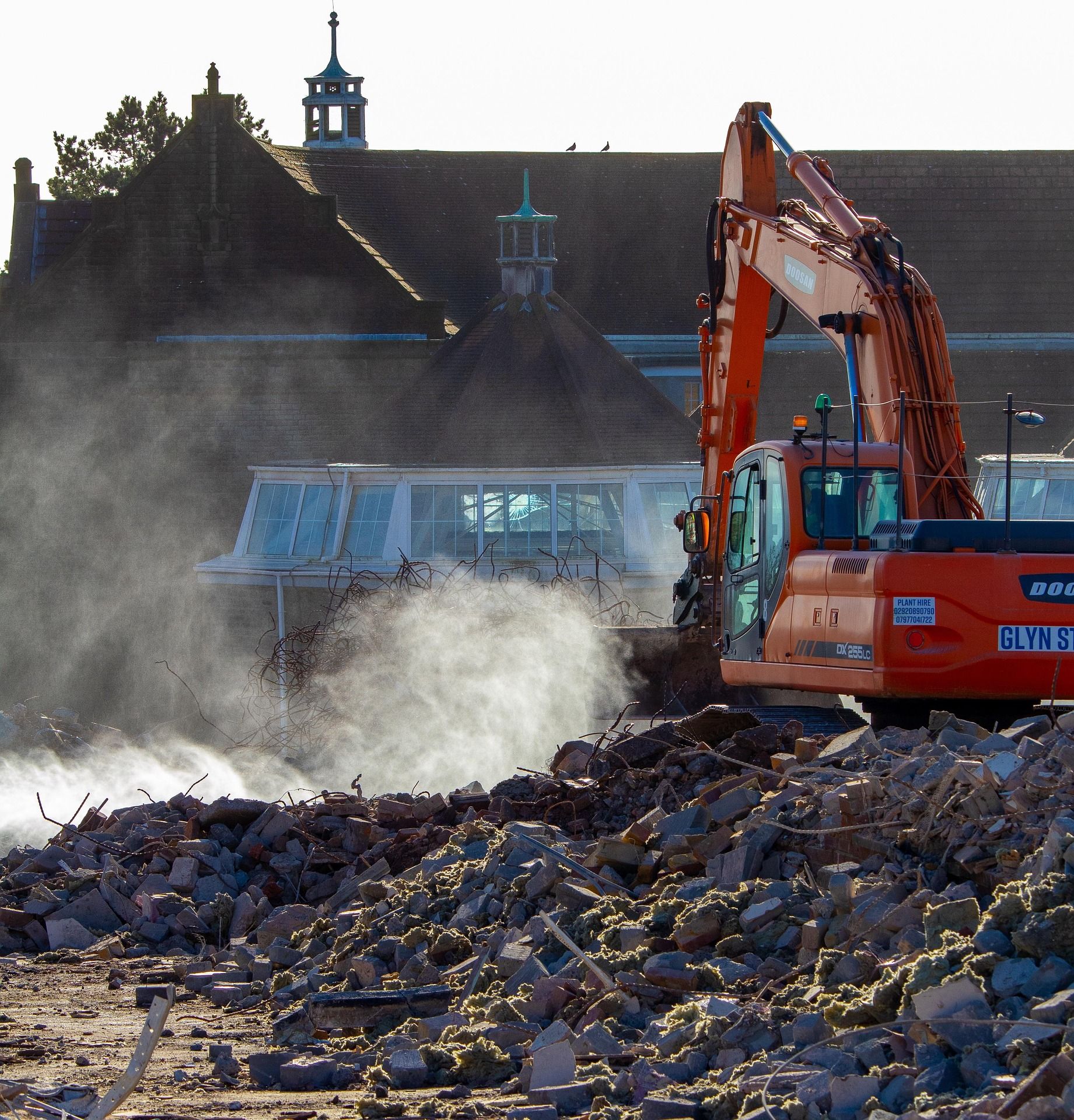
Environmental monitoring in remediation projects ensures that interventions are safe, traceable and demonstrable to authorities, nearby communities and investors.
Real-time sensor networks for remediation projects
Technological progress in recent years has radically changed deployment in remediation projects. Connected compact sensor networks, with real-time data transmission and remote management through cloud platforms, now make it possible to cover complex sites with a density of measurement points and deployment agility that were previously inaccessible for most projects.
A real-time monitoring network for remediation is structured around three layers that work in an integrated way:
- Field layer: multiparameter sensors distributed across key points of the site (perimeter, active work zones and process points), capable of measuring multiple pollutants and meteorological variables simultaneously. Connectivity is provided through multiband 2G/3G/4G cellular networks, ensuring coverage in almost any site, or through Ethernet and Modbus RTU for integration into facilities with local network infrastructure.
- Communication layer: continuous data transmission to the cloud server through secure protocols, without the need for local IT infrastructure. In temporary sites, as is the case in most remediation projects, not depending on fixed infrastructure is a critical operational advantage.
- Management and analysis layer: cloud platforms that centralise data and enable real-time visualisation and analysis of the entire network, with dashboards configurable by user profile, automatic report export and access from any device.
Kunak AIR Pro and AIR Lite devices offer 2G/3G/4G, Ethernet, Wi-Fi and Modbus connectivity, with automatic real-time data transmission to Kunak Cloud. Autonomous operation with a solar panel enables continuous 24/7 operation without mains power.
This IoT architecture model eliminates the need for constant physical presence on site to access data, reduces network operating costs and enables the scaling of measurement points with minimal additional investment.
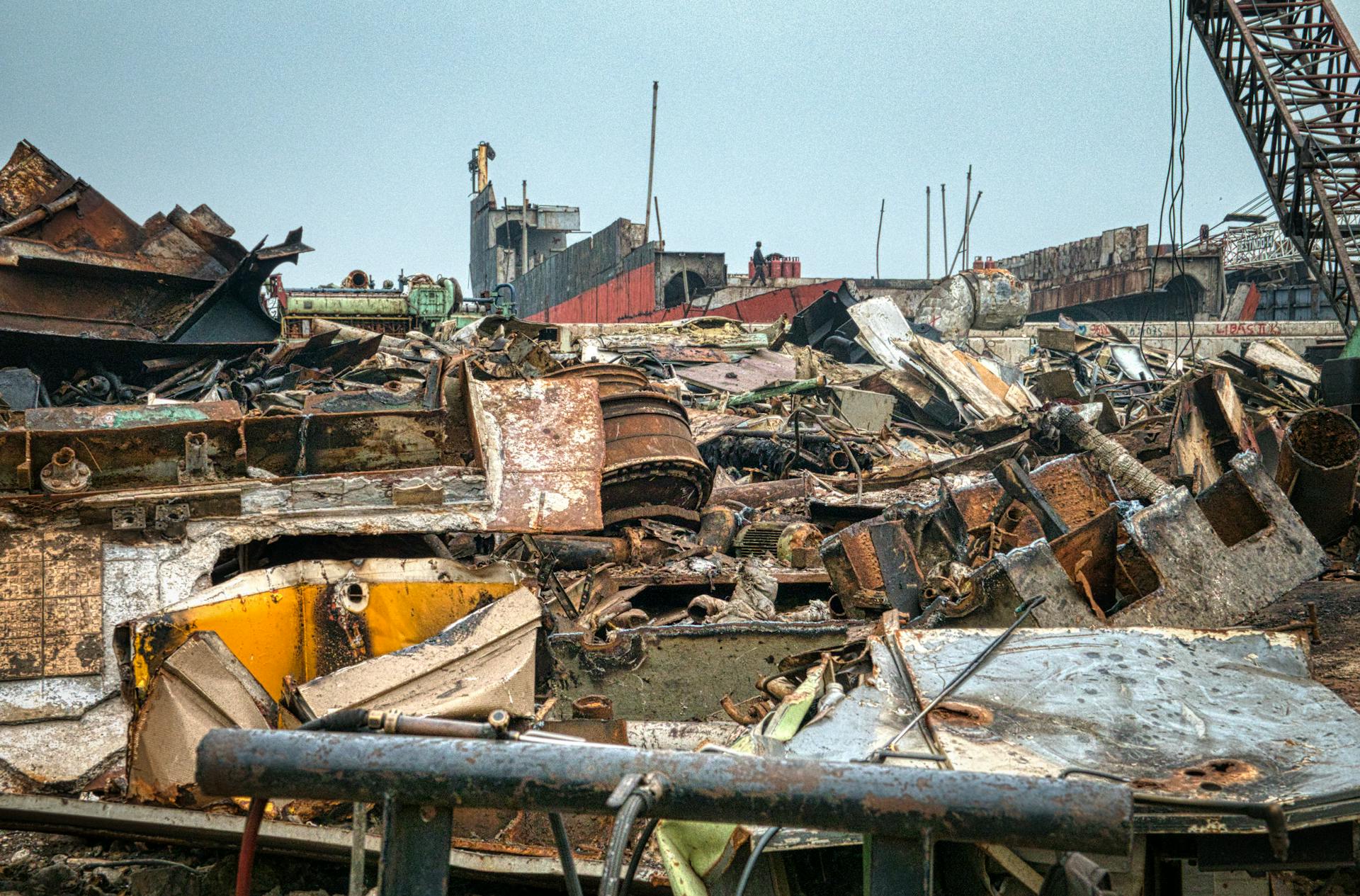
Environmental monitoring in remediation projects should not begin only when a problem is detected. It must be operational from the first day of intervention.
Regulatory framework for environmental monitoring in remediation projects in Spain and Latin America
Air monitoring during remediation projects is not only a matter of environmental best practice, in most jurisdictions it is an explicit regulatory requirement. Both in Spain and across key Latin American countries, environmental legislation establishes increasing obligations related to contaminated land management, air quality protection and occupational safety during remediation activities. Understanding this framework in detail is the first step to designing a remediation air monitoring plan that not only complies, but also protects.
The EU Soil Strategy for 2030 sets out a framework of measures for soil protection, restoration and sustainable use, proposing both voluntary and legally binding actions. It aims to grant soils the same level of legal protection as water, the marine environment and air within the EU.
Applicable regulations in Spain
In Spain, contaminated land management and remediation activities are governed by a multi-level regulatory framework combining national, European and regional legislation:
- Law 7/2022 on waste and contaminated soils for a circular economy: establishes the general framework for the declaration, remediation and management of contaminated land, regulates operator responsibility and applies the polluter pays principle. Title VIII (Articles 98 to 103) is the direct reference for any remediation project.
- Royal Decree 9/2005: defines potentially soil-contaminating activities and the criteria and standards for declaring land as contaminated.
- Law 34/2007 on air quality and atmospheric protection: regulates atmospheric emissions and control obligations for diffuse sources and air-polluting activities, including fugitive emissions generated during excavation.
- Law 31/1995 on Occupational Risk Prevention and Royal Decree 374/2001 on health protection against chemical agents: establish employer obligations to assess, measure and control worker exposure to airborne contaminants during remediation operations.
- Law 26/2007 on Environmental Liability: establishes an administrative framework for the prevention, avoidance and remediation of environmental damage, with a liability period of up to 30 years from the occurrence of damage.
- Regional regulations: regions such as the Basque Country, Catalonia or Madrid have their own contaminated land legislation with additional environmental monitoring requirements during remediation works.
Regulatory framework in Latin America
In Latin America, the regulatory landscape varies significantly between countries, but converges on common obligations regarding contaminated site management, emission control and occupational health protection. The regional trend is towards more stringent frameworks aligned with international standards.
Mexico
Mexico has one of the most developed frameworks in the region:
- General Law for the Prevention and Integral Management of Waste (LGPGIR): defines remediation activities, hazardous waste management and legal responsibilities for all project stakeholders.
- NOM-138-SEMARNAT/SSA1-2012: regulates maximum permissible hydrocarbon levels in soils and remediation criteria, particularly relevant in petrochemical and fuel storage projects.
- NOM-052-SEMARNAT-2005: establishes the characteristics of hazardous waste, identification procedures and specifications, essential to determine whether contaminated soil must be classified as hazardous waste.
- NOM-133-SEMARNAT-2015: defines environmental protection criteria for the management of polychlorinated biphenyls (PCBs).
- NOM-147-SEMARNAT/SSA1-2004: establishes criteria for the characterisation and determination of remediation levels for soils contaminated by heavy metals (As, Ba, Cd, hexavalent Cr, Hg, Pb and others).
- National Programme for the Remediation of Contaminated Sites: aims to identify, address and remediate contaminated sites in Mexico to protect human health and the environment, focusing on updating inventories, promoting remediation actions and strengthening the regulatory framework.
Colombia
Colombia enforces air quality standards defined by the Ministry of Environment and Sustainable Development, with Resolution 2254 of 2017 as the reference framework for air quality and environmental monitoring requirements in remediation projects, particularly for emission control in contaminated sites.
Chile
Chile manages contaminated land through the Environmental Impact Assessment System (SEIA), under the framework of Law 19.300 on General Environmental Bases. The Ministry of the Environment is currently developing a primary environmental quality standard for soils that will harmonise intervention and environmental monitoring criteria for contaminated sites.
Peru
Peru applies Environmental Quality Standards (ECA) for air and soil, established through Supreme Decrees, including environmental monitoring obligations in contaminated land remediation projects subject to the National Environmental Impact Assessment System (SEIA).
In Peru, the regulatory framework is based on a hierarchical structure: the Ministry of the Environment (MINAM) defines environmental policies and standards, while the Environmental Assessment and Enforcement Agency (OEFA) supervises and enforces compliance.
In many countries, remediation projects must submit periodic environmental monitoring reports, making continuous monitoring an essential tool to ensure traceability, transparency and regulatory compliance.
Companies leading in sustainability understand that environmental monitoring is not just a legal requirement, but the foundation of a broader environmental and ESG strategy capable of anticipating risks, protecting business continuity and building trust with stakeholders.
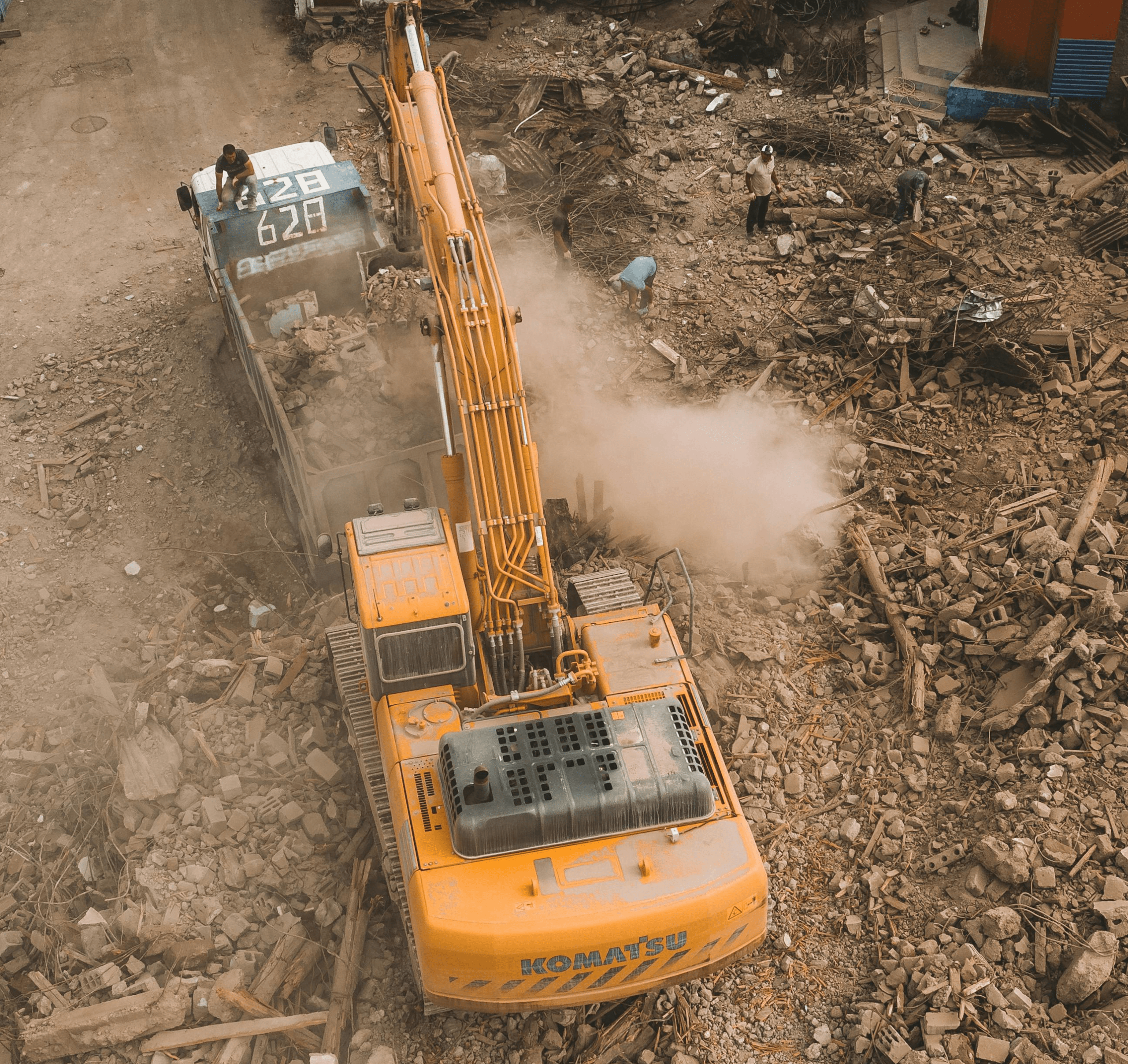
Occupational exposure control in remediation, environmental monitoring in contaminated land and emission tracking in polluted soils are three sides of the same problem.
Importance of regulatory compliance in remediation projects
The regulatory framework described is not a set of recommendations. It is a system of obligations with real consequences for operators who fail to comply. In remediation projects, where emissions are inherently variable and unpredictable, the risk of occasional non-compliance exists even with the best intentions. The difference between a managed incident and a serious penalty almost always lies in the quality of the environmental monitoring system deployed.
Failure to meet environmental requirements in remediation projects can lead to consequences of varying nature and severity:
- Administrative penalties: fines proportional to the damage caused and the operator’s conduct, reaching up to €2 million in Spain for very serious offences under Law 26/2007 on Environmental Liability, with equivalent penalties in Mexico, Chile and Peru under their respective sanctioning frameworks.
- Temporary suspension of activities: authorities may order the immediate halt of operations until compliance is demonstrated, with significant economic and reputational impact on project timelines and budgets.
- Rejection of environmental certifications: documented non-compliance may block access to certifications such as ISO 14001, EMAS or others commonly required for public tenders and green financing.
- Civil or criminal liability: in cases of serious environmental or public health damage, liability may extend to individuals responsible for operational decisions, beyond the legal entity promoting the project. In Spain, environmental offences under the Criminal Code may carry prison sentences of up to four years in the most serious cases.
- Loss of institutional and social trust: reputational damage with authorities, investors, insurers and affected communities has impacts beyond the current project and can limit the operator’s ability to obtain future permits.
Therefore, implementing continuous and perimeter air monitoring does not guarantee that threshold exceedances will never occur, this is inherent to remediation activities, but it provides objective evidence of due diligence. It demonstrates that the operator had the means to detect deviations, activated them properly and responded with the required speed. This evidence, based on continuous, georeferenced and traceable data, is what distinguishes a serious penalty from a resolved incident.
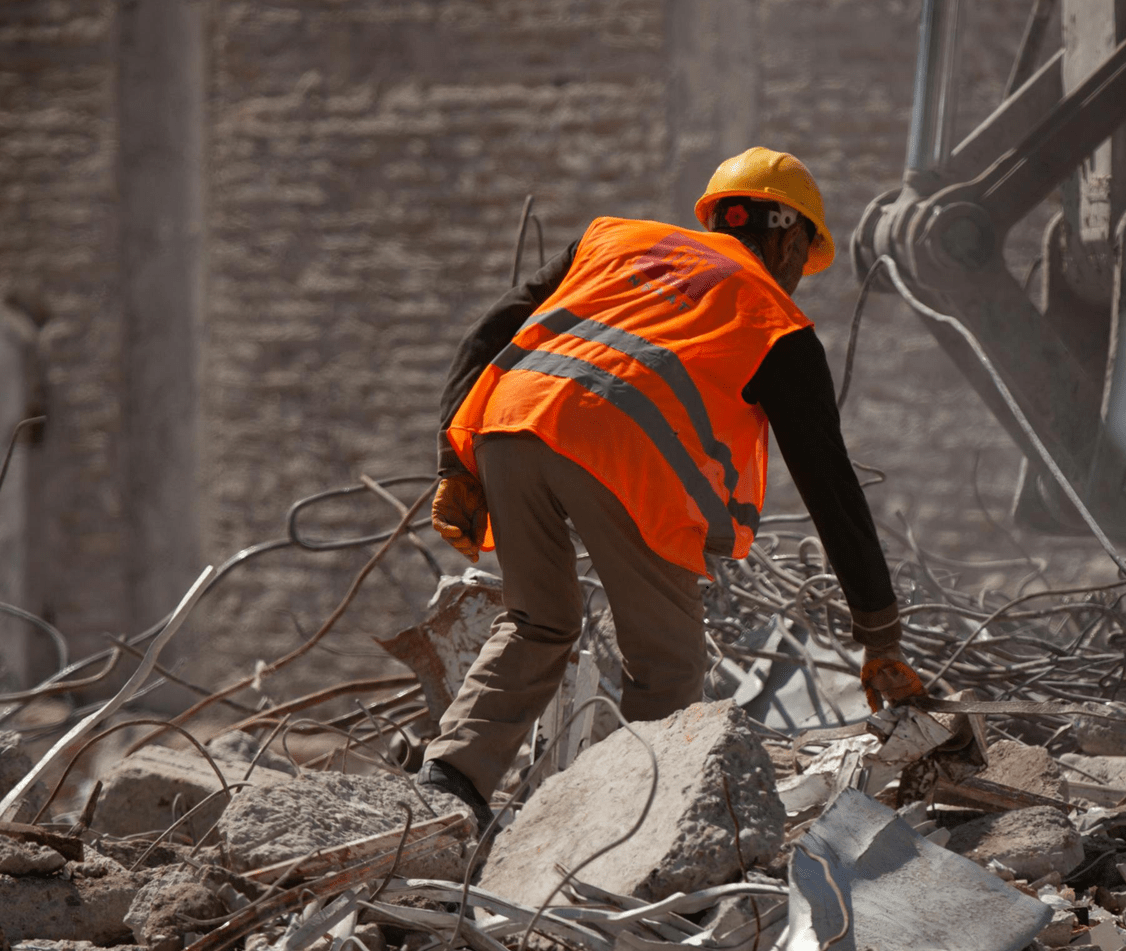
Real-time air monitoring systems allow identification of emission sources, protection of workers and nearby communities, verification of remediation effectiveness and assurance of environmental compliance.
Frequently asked questions about remediation air monitoring
Why is air monitoring important during a remediation project?
During contaminated soil remediation operations (excavation, soil vapour extraction, chemical or biological treatments), contaminants trapped in the soil matrix are mobilised and volatilised into the atmosphere. Volatile organic compounds such as benzene, toxic gases such as H2S or particles loaded with heavy metals can be released within minutes, posing risks to both on-site workers and nearby communities.
Real-time remediation monitoring allows these emissions to be detected immediately, protection protocols to be activated before exposure thresholds are exceeded, and environmental performance to be documented for regulatory authorities. Without continuous data, air risk management in remediation is reactive and incomplete.
What pollutants are typically monitored during remediation?
Priority pollutants depend on site history, but the most common in remediation site air monitoring include: total VOCs and aromatic hydrocarbons (BTEX) such as benzene, toluene, ethylbenzene and xylenes in petrochemical sites, hydrogen sulphide (H2S) and ammonia (NH3) in landfills and organic soils, methane (CH4) in decomposing waste sites, nitrogen dioxide (NO2) and sulphur dioxide (SO2) in industrial environments, and particulate matter PM2.5 and PM10 generated by excavation and soil handling. In mining sites, additional parameters such as elemental mercury vapours may be required.
A well-designed network combines multiparameter sensors with meteorological data to correlate concentration peaks with emission sources.
How does continuous monitoring reduce costs?
Continuous monitoring reduces costs in three main ways:
- Avoiding administrative penalties: by detecting exceedances before they reach the perimeter and enabling immediate corrective action, while documenting due diligence.
- Preventing unplanned shutdowns: identifying the exact source of an emission peak within minutes, instead of hours or days, allowing targeted intervention without halting the entire operation.
- Shortening project closure timelines: continuous, statistically robust datasets demonstrating stabilisation of emissions below target levels significantly reduce administrative validation times. Monitoring costs are consistently lower than managing without data.
How does Kunak technology support environmental compliance?
Kunak AIR systems provide real-time multiparameter measurement with continuous data transmission to Kunak Cloud, generating traceable, georeferenced data with the temporal resolution required for compliance with environmental monitoring plans.
Interchangeable cartridges allow each station to be configured according to site-specific pollutant profiles (VOCs, inorganic gases, particles), offering the flexibility required in dynamic remediation projects where active work zones shift over time. Data export in standard formats facilitates regulatory reporting and integration with environmental and ESG management systems, including indicators required under ESRS E2 within the CSRD framework.
Can monitoring verify remediation success?
Yes. Continuous air monitoring is one of the most reliable tools to verify that a remediation project has achieved its objectives. As remediation progresses and contaminant loads decrease, measured concentrations at monitoring points, both at source and perimeter, should show a progressive and sustained decline.
When concentrations stabilise below regulatory limits over a sufficiently long period, there is technical evidence to support project closure. This documented traceability, built on continuous data from start to completion, not only confirms remediation success but also reduces future liability by clearly defining site conditions at the end of the intervention.
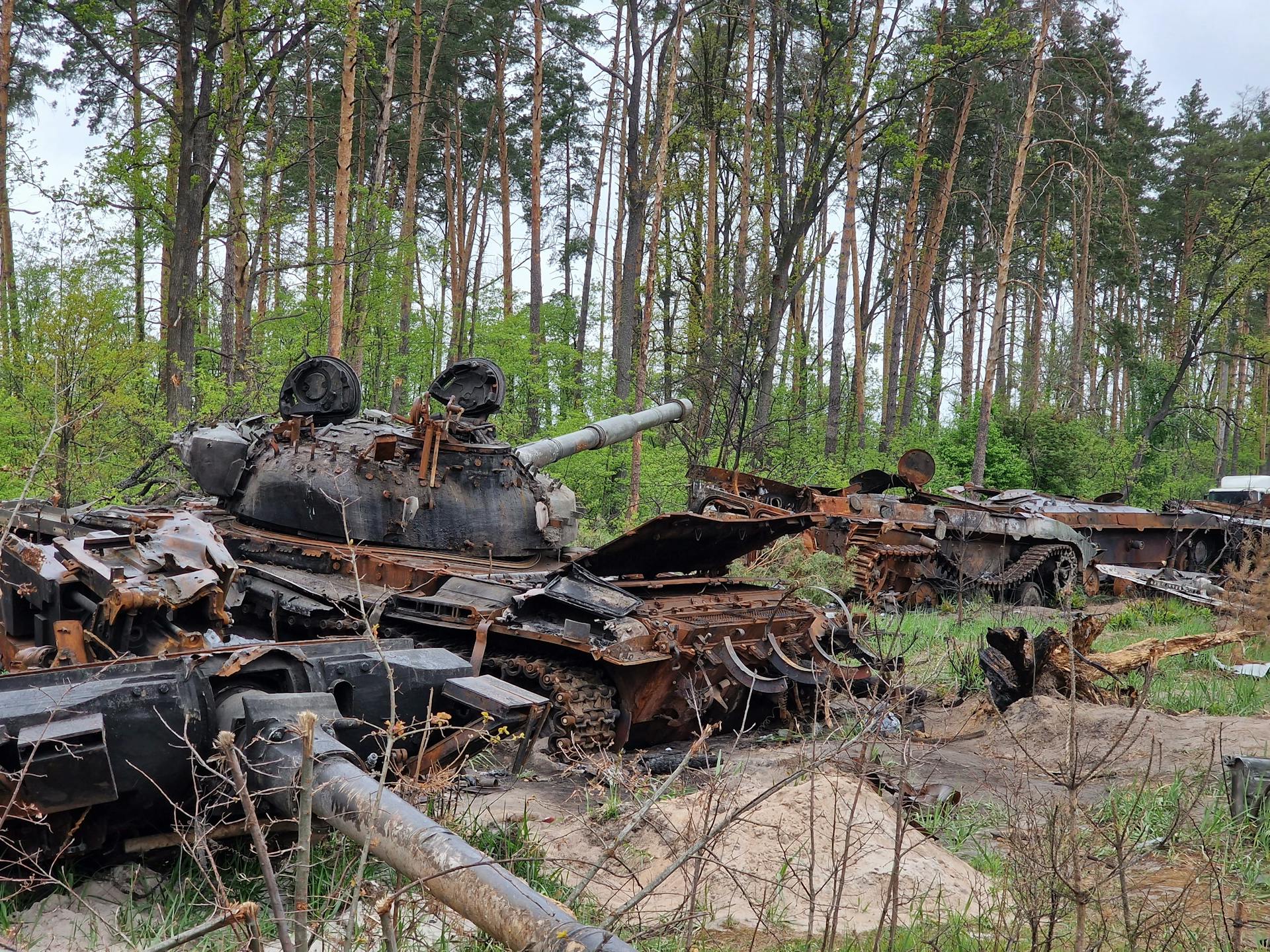
Emission control during soil remediation has a regulatory dimension to ensure compliance with limits set by environmental authorities.
Conclusion: without data there is no remediation, air monitoring as a guarantee of success
Remediating contaminated land is an act of responsibility towards the environment, the people who live there and future generations. But responsibility is not fulfilled by intention alone, it is fulfilled by demonstrating, with objective and continuous data, that the intervention was carried out safely, that emissions were controlled at all times and that the site reached the condition stated in official documentation.
Airborne risks in remediation projects are real, diverse and temporally unpredictable. None of these risks can be managed through spot sampling sent to a laboratory. They require continuous instrumental presence, with sufficient temporal resolution to capture what happens during remediation activities without interruption.
Real-time sensor networks, deployed in a three-layer architecture (source, perimeter and process), transform remediation into a controlled, evidence-based process. They protect workers with data instead of estimates, demonstrate regulatory compliance, shorten technical closure timelines through robust datasets and integrate environmental performance into corporate sustainability reporting.
Ultimately, in remediation as in any complex environmental process, what is not measured cannot be managed. And what cannot be managed cannot be guaranteed.
References
- Li, X., Ding, D., Xie, W., Wang, M., Kong, L., Jiang, D. and Deng, S. (2023). Spatiotemporal variations and source analysis of VOCs in the environmental air of a typical pesticide remediation site. Front. Environ. Sci. 11:1272836. https://www.frontiersin.org/journals/environmental-science/articles/10.3389/fenvs.2023.1272836/full
- Liu, Y. et al. (2025). Volatile Organic Compound Emissions from Polluted and Natural Soils: Influences of Environmental Factors. ACS ES&T Air Vol 2/Issue 3. https://pubs.acs.org/doi/full/10.1021/acsestair.4c00282
- An, J., Baek, D.J., Hong, J., Choi, E., Kim, I. (2022). Continuous VOCs Monitoring in Saturated and Unsaturated Zones Using Thermal Desorber and Gas Chromatography: System Development and Field Application. Int J Environ Res Public Health. 2022 Mar 14;19(6):3400. https://pmc.ncbi.nlm.nih.gov/articles/PMC8950982/
- Wang, H., Yan, Z., Zhang, Z., Jiang, K., Yu, J., Yang, Y., Yang, B., Shu, J., Yu, Z., Wei, Z. (2023). Real-time emission characteristics, health risks and olfactory effects of VOCs released from soil disturbance during the remediation of an abandoned chemical pesticide industrial site. Environ Sci Pollut Res Int. 2023 Sep;30(41):93617-93628. https://pubmed.ncbi.nlm.nih.gov/37516703/
- Seinfeld, J. H., & Pandis, S. N. (2016). Atmospheric Chemistry and Physics (3rd ed.).
- European Commission. (2021). EU Soil Strategy for 2030. Brussels: European Commission. https://www.cde.ual.es/wp-content/uploads/2021/12/KH0321465ENN.en_.pdf
- World Health Organization (WHO). (2021). WHO global air quality guidelines. Geneva: WHO. https://www.who.int/publications/i/item/9789240034228