Need
Wastewater treatment plants generate gaseous emissions associated with different treatment stages, particularly during pretreatment, digestion and sludge management. Among these compounds, hydrogen sulfide (H2S) is one of the main causes of odor nuisance, even at low concentrations.
In the case of Tiaki Wai, the proximity of the WWTP to residential areas made it essential to obtain objective data on odor episodes. Management based on complaints or occasional inspections did not allow precise identification of peak sources or their actual impact on the surrounding area.
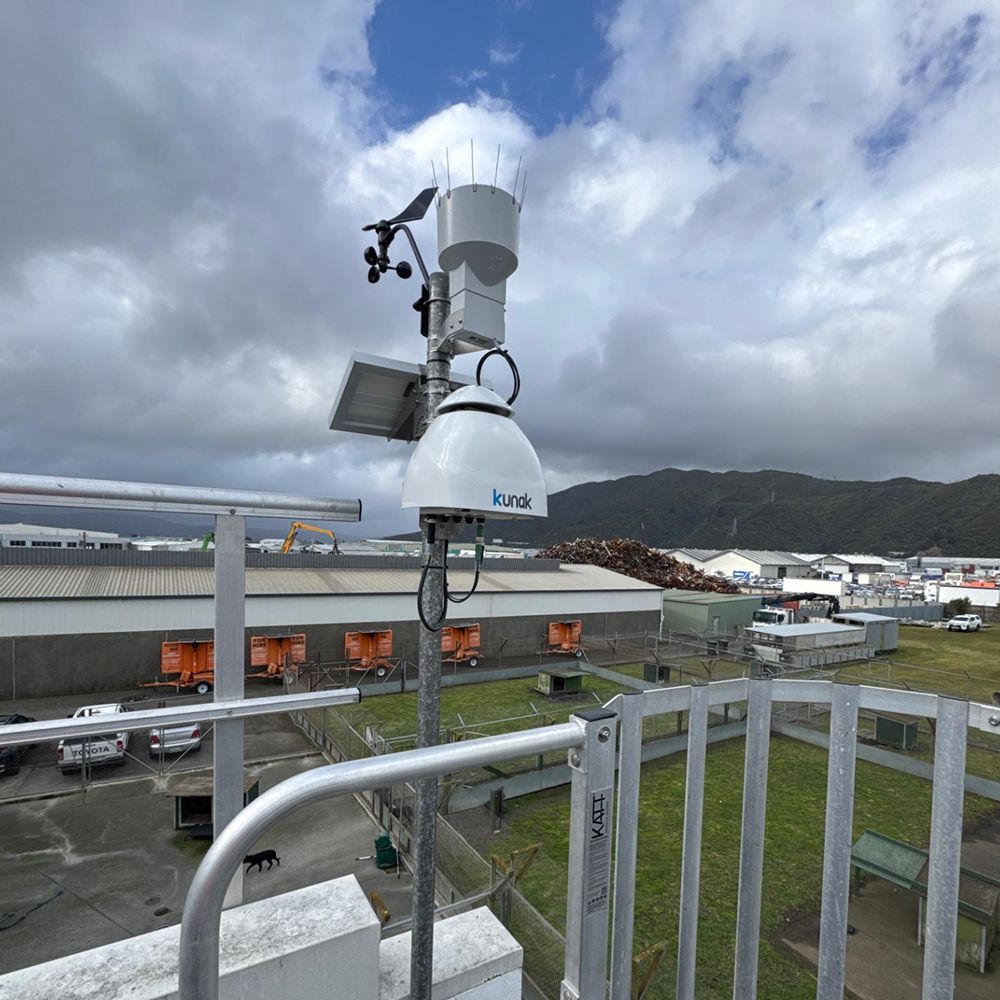
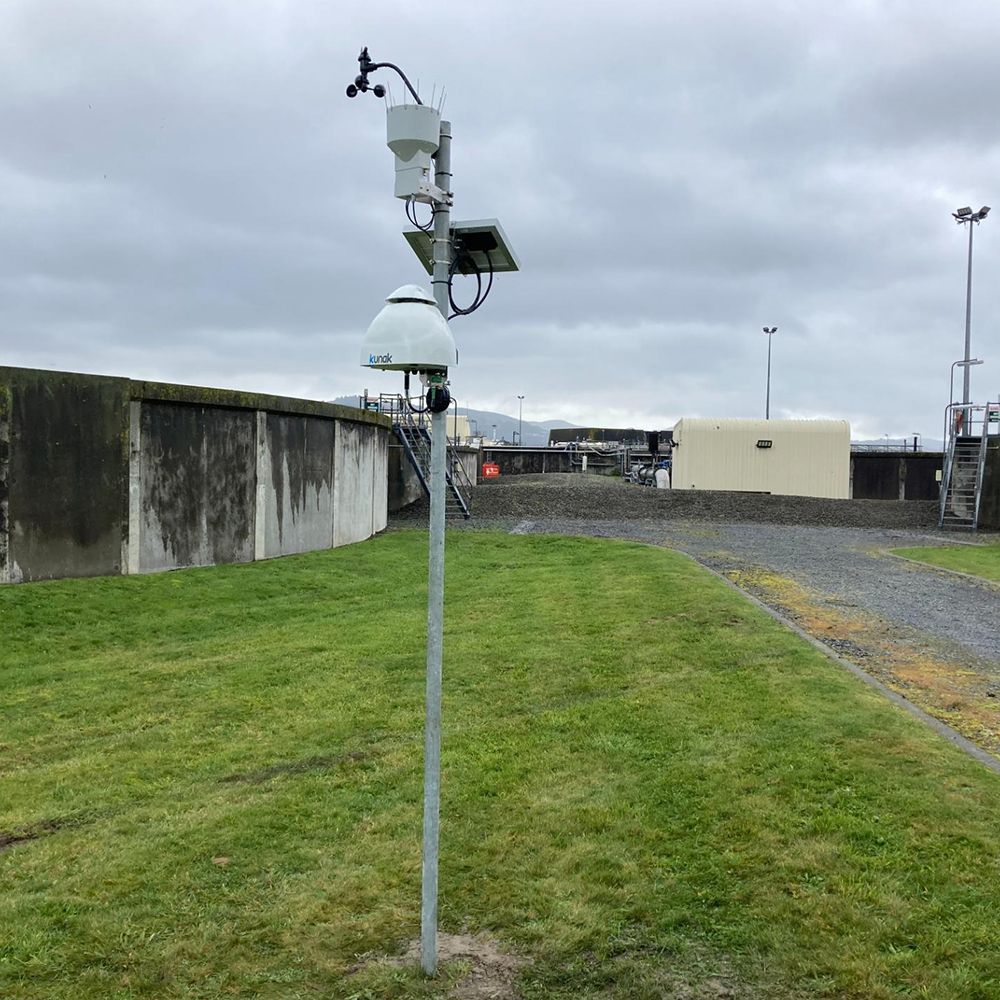
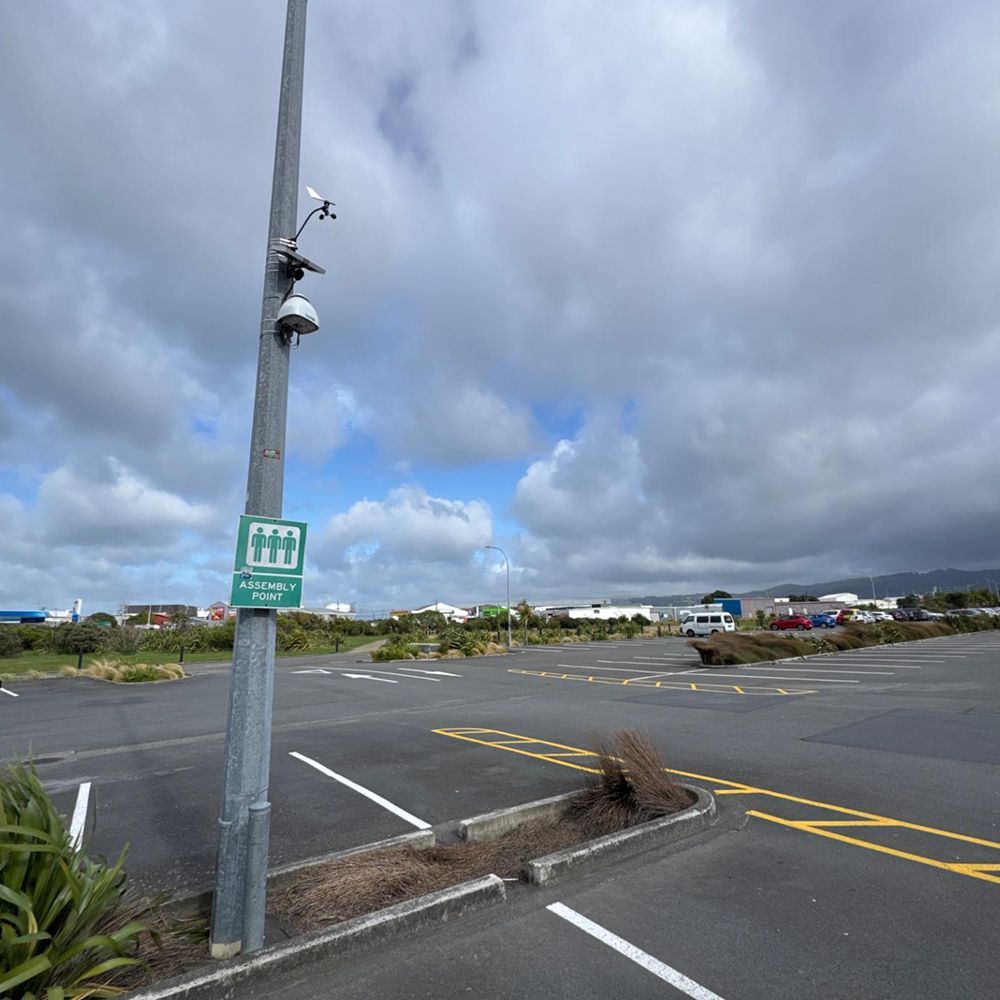
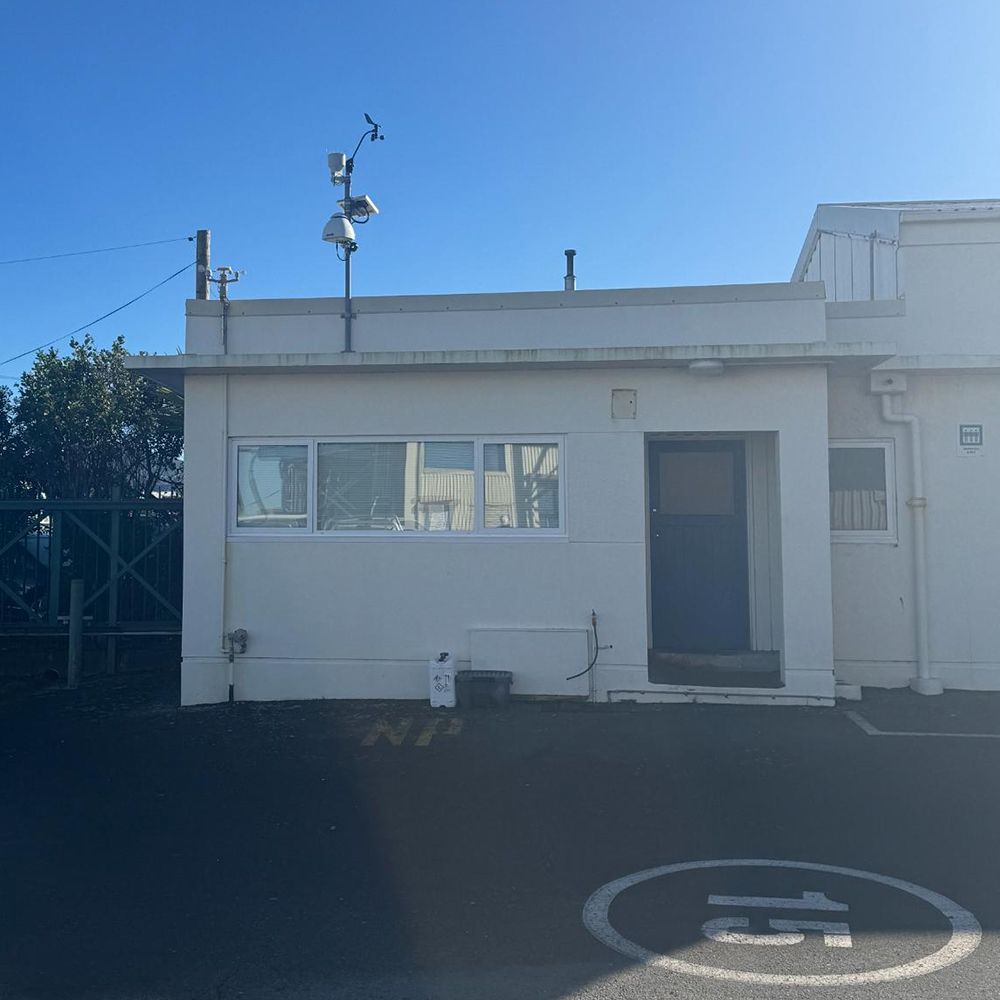
The organisation required continuous, comparable and traceable data to answer three key questions: which process generates emissions, under what conditions they occur, and how they affect the community. To achieve this, a distributed environmental monitoring network was deployed, integrating H2S concentrations with meteorological variables.