Petrochemical spills are accidental or uncontrolled releases of oil, fuels, feedstocks or petroleum-derived chemicals from tanks, pipelines, process equipment or loading and unloading operations. As well as contaminating soil and water, their volatile fractions can evaporate and release volatile organic compounds (VOCs), including volatile monoaromatic hydrocarbons (BTEX), which affect air qualityAir quality refers to the state of the air we breathe and its composition in terms of pollutants present in the atmosphere. It is considered good when poll...
Read more. Managing them combines containment and remediation with atmospheric monitoring, meteorology and dispersion analysis to detect episodes, assess their extent and verify corrective measures.
When we think of a petrochemical spill, the image that usually comes to mind is a black slick spreading across the sea or a pool of fuel on the ground of an industrial site. This perception is not wrong, but it is incomplete. What often goes unnoticed is that a significant share of the spilled product does not remain in liquid form: it evaporates, enters the atmosphere and becomes an air pollution episode that can travel several kilometres downwind of the site.
This article explains what petrochemical spills are, how they differ from leaks and fugitive emissions, what consequences they have for each environmental compartment and, in particular detail, how their atmospheric component can be detected, tracked and managed using continuous monitoring systems.
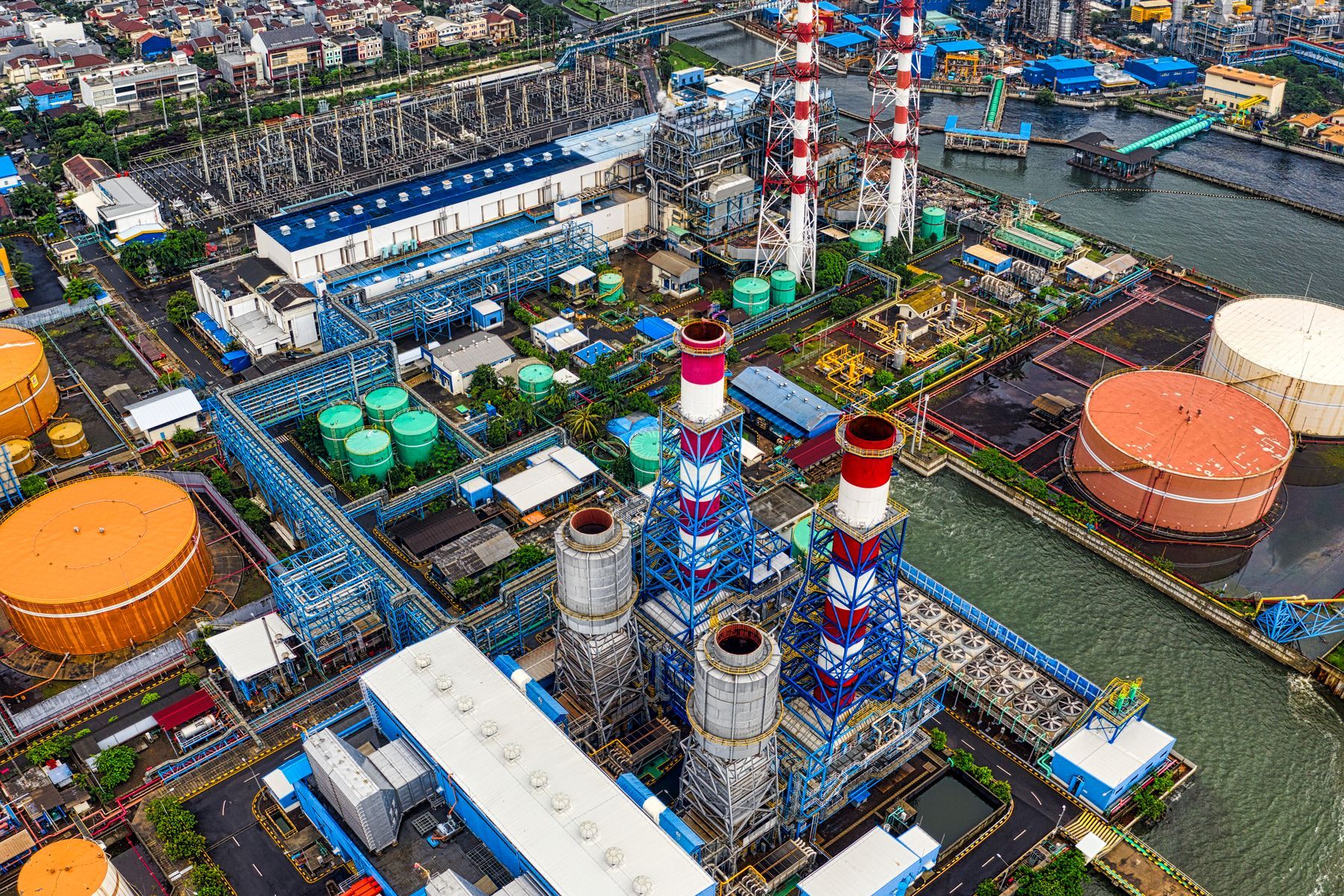
A single petrochemical failure or incident can cause a spill, a leak and a fugitive emission.
What petrochemical spills are
A petrochemical spill occurs when a petroleum-derived product or a petrochemical feedstock escapes unexpectedly from the system that was meant to contain it. It is a loss of containment involving substances that are normally in liquid form, although some fractions can quickly turn into gas once exposed to atmospheric conditions.
Air Quality Innovation in Just 1 Click
Stay informed about the air you breathe!
Subscribe to our newsletter to receive the latest updates on environmental monitoring technology, air quality studies, and more.
Petrochemical spills are not limited to the major disasters that make the headlines. They can also occur on a smaller scale within a facility, a storage terminal, a refinery, a transfer area or during maintenance work. In every case the pattern is the same: the product escapes its intended enclosure and reaches surfaces, soil, water or drainage systems.
Substances that can be involved in this type of episode, typical of the petrochemical and refining industries, include:
- Crude oil and its fractions.
- Petrol, diesel and other fuels.
- Naphthas and kerosenes.
- Organic solvents.
- Basic petrochemical feedstocks.
- Intermediate or finished products from the petroleum-derived chemical industry.
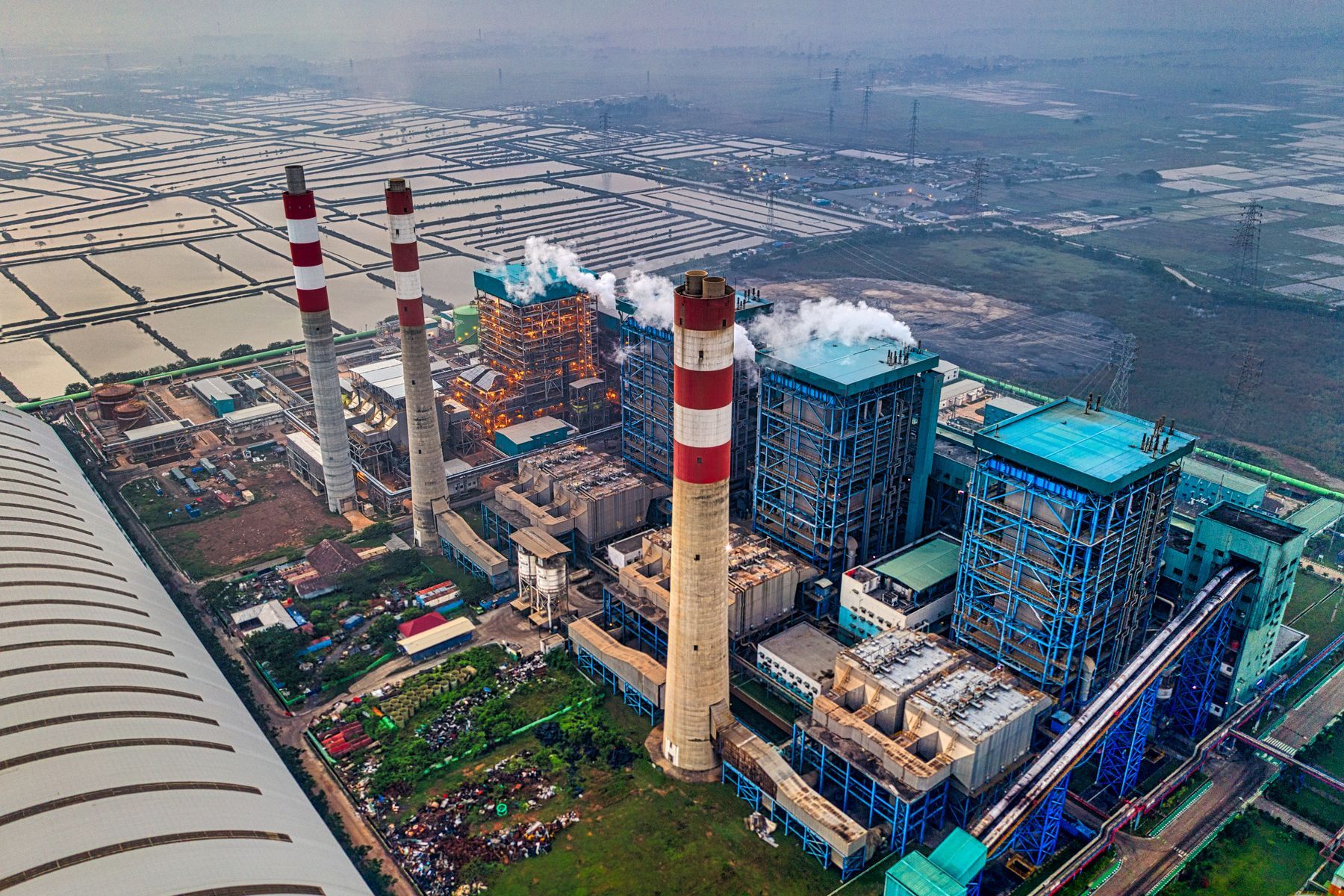
A spill is not only a soil and water problem. When the spilled product contains volatile fractions, the loss of containment itself also becomes a source of atmospheric emissions.
Difference between a spill, a leak and a fugitive emission
To understand the phenomenon properly, it is essential not to confuse three concepts that often appear together but describe different situations: spill, leak and fugitive emission. A single failure or incident can cause all three, but each has its own characteristics and affects a different environmental compartment.
| Concept | Definition | Affected compartment | Example |
|---|---|---|---|
| Spill | Loss of containment of a substance, usually a liquid, that reaches a surface, soil, water or a drainage system. | Soil and water (surface water or groundwater). | Overfilling of a petrol tank that leaves a pool on the ground of the facility. |
| Leak | Unintended escape through a pipe, tank, valve, connection, seal or other component. It can be liquid or gaseous. | Can lead to a spill (liquid) or an emission (gas). | Small continuous loss through a faulty seal on a process pump. |
| Fugitive emission | Non-ducted atmospheric release of gases or vapours from equipment, processes or losses of containment. | Atmosphere. | Benzene evaporating from the surface of a recent petrol spill. |
This distinction is particularly relevant because it shows that a spill is not only a soil and water problem. When the spilled product contains volatile fractions, the loss of containment itself also becomes a source of atmospheric emissionsAtmospheric emissions are pollutants emitted into the air, mainly as a result of human activities such as industry, transport by combustion vehicles and en...
Read more. It is precisely at this interface between spills and air quality that continuous monitoring is most useful.
A spill can affect soil and water and, as it evaporates, also become a source of air pollution.
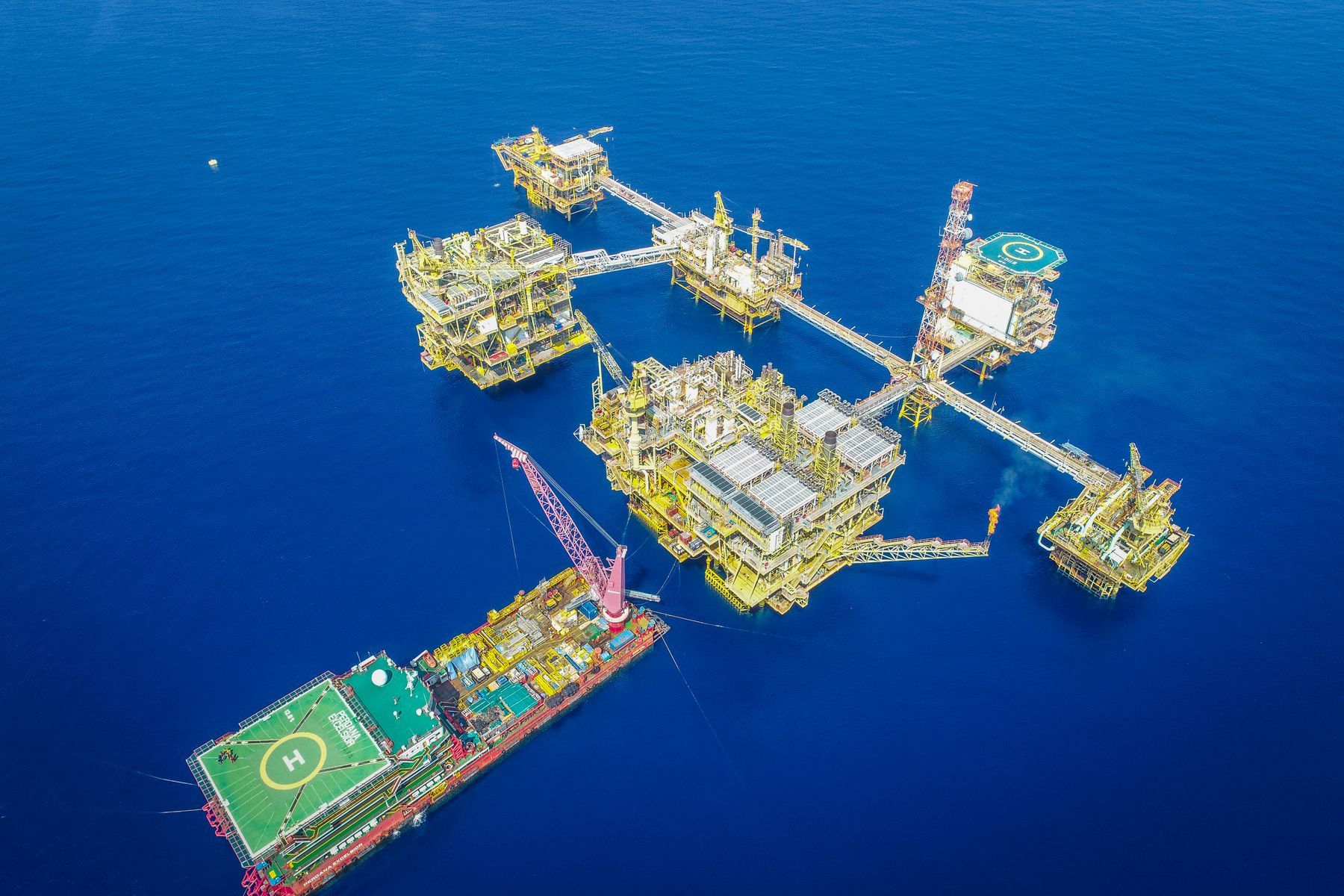
A spill can affect soil and water and, as it evaporates, also become a source of air pollution.
How petrochemical spills occur
Petrochemical spills can originate at almost any point in the hydrocarbon handling chain. Although each facility has its own specific risks, the most common sources fall into four main categories.
Tanks and storage systems
Storage tanks are one of the most vulnerable points in petrochemical and refining facilities. Incidents can be caused by overfilling during receipt operations, deterioration or corrosion of the tank walls, structural failure, problems with connections or shortcomings in cathodic protection systems. A documented case in France recorded the estimated release of 600-800 tonnes of petrol at a petrochemical site after a drain valve was left open during a transfer operation. The response included atmospheric measurements of total VOCs and benzene, as well as groundwater monitoring.
Pipelines and process equipment
The lines that carry products between process units, pumps, heat exchangers and reactors are also potential sources of spills. Ruptures caused by internal or external corrosion, loss of tightness at flanges and connections, gasket and seal failures or problems in pumping systems can cause leaks that, if liquid, end up as spills.
Loading, unloading and transfer operations
Product transfers between tanks, road tankers, rail wagons, ships or lorries carry a high risk. Worn hoses, poorly connected loading arms, coupling system failures or handling errors can cause large releases in a very short time.
Operational and maintenance incidents
Many petrochemical spills are not caused by mechanical failure but by human error. Incorrect valve opening, poorly executed procedures, failures during maintenance work or abnormal situations not covered by protocols can lead to losses of containment ranging from small quantities to larger episodes.
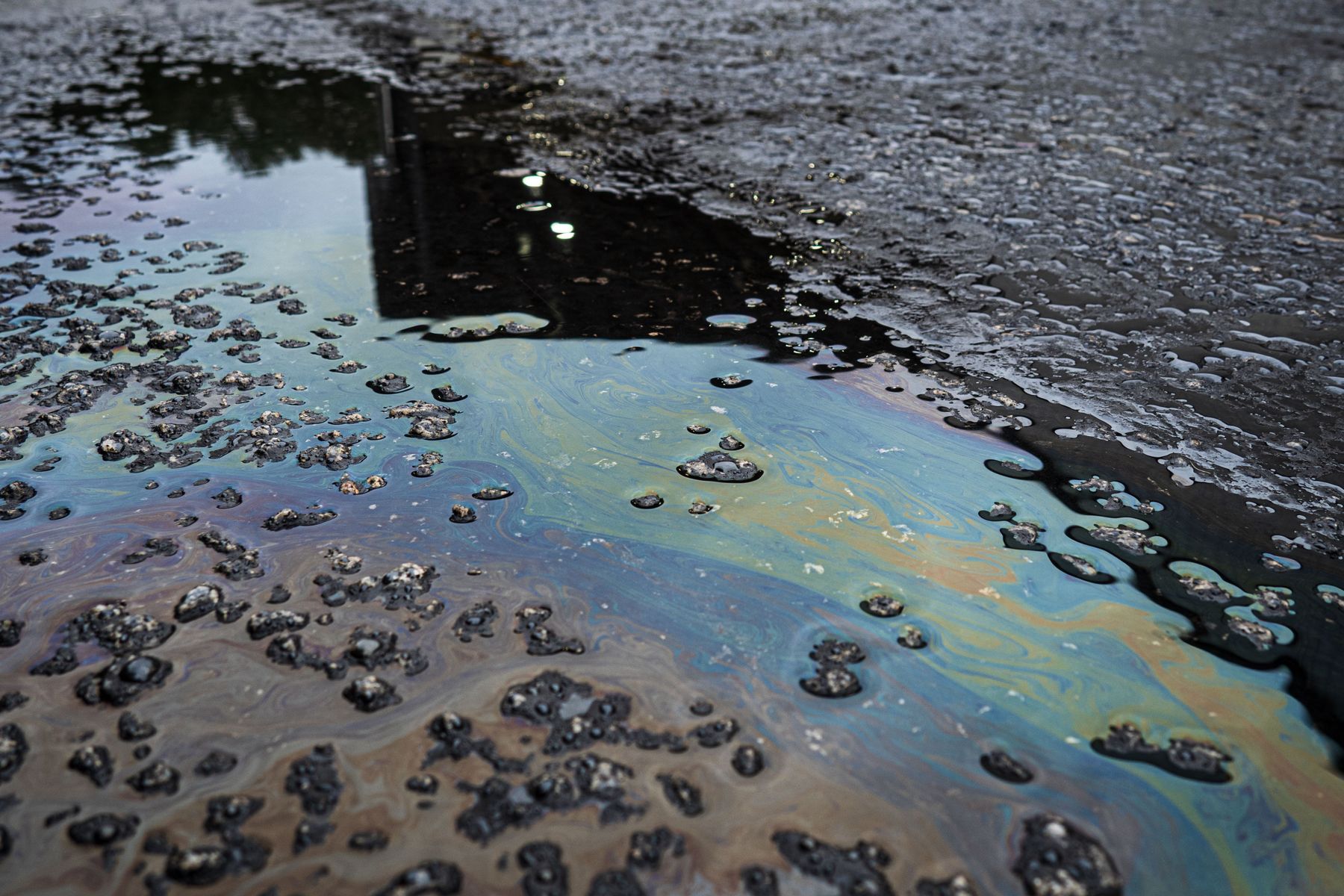
Product transfers between tanks, road tankers, rail wagons, ships or lorries carry a high risk of petrochemical spills.
What happens after a petrochemical spill
Once hydrocarbons leave their container, they follow different pathways depending on their physical and chemical properties and the environmental conditions at the time. Two main pathways of environmental impact are usually distinguished.
Soil and water contamination
The heavier liquid fractions tend to remain on the ground or seep into deeper layers of the subsoil. Depending on the permeability of the ground and the amount of product spilled, they can reach groundwater and create contamination plumes that persist for years. If the spill occurs near drainage systems, rivers or coastal areas, the product can travel quickly and affect aquatic ecosystems.
Evaporation and air pollution
The most volatile components of the spilled product begin to turn into gas almost instantly from the exposed surface. Studies of the Deepwater Horizon spill showed that the evaporation of hydrocarbons from the oil that reached the surface was a major source of atmospheric emissions, and that these compounds subsequently contributed to the formation of secondary pollutants.
The rate and extent of evaporation depend on several factors:
- Product composition: petrol and naphthas, rich in light fractions, evaporate much faster than heavy oils or dense crude.
- Volatility of each component: compounds such as benzene or toluene pass into the atmosphere very easily.
- Ambient temperature: the higher the temperature, the higher the vapour pressure and the faster the evaporation.
- Exposed surface area: a spill spread in a thin film evaporates much faster than the same volume collected in a deep pool.
- Weather conditions: wind renews the air above the surface and speeds up evaporation, while humidity and atmospheric stability alter dispersion.
- Time elapsed: as the most volatile fractions disappear, the evaporation rate gradually decreases.
The result is an air pollution plume that moves with the wind direction and can reach significant VOC concentrations even at some distance from the release point.
The amount of vapour released depends on the product, the temperature, the exposed surface area and the weather conditions.
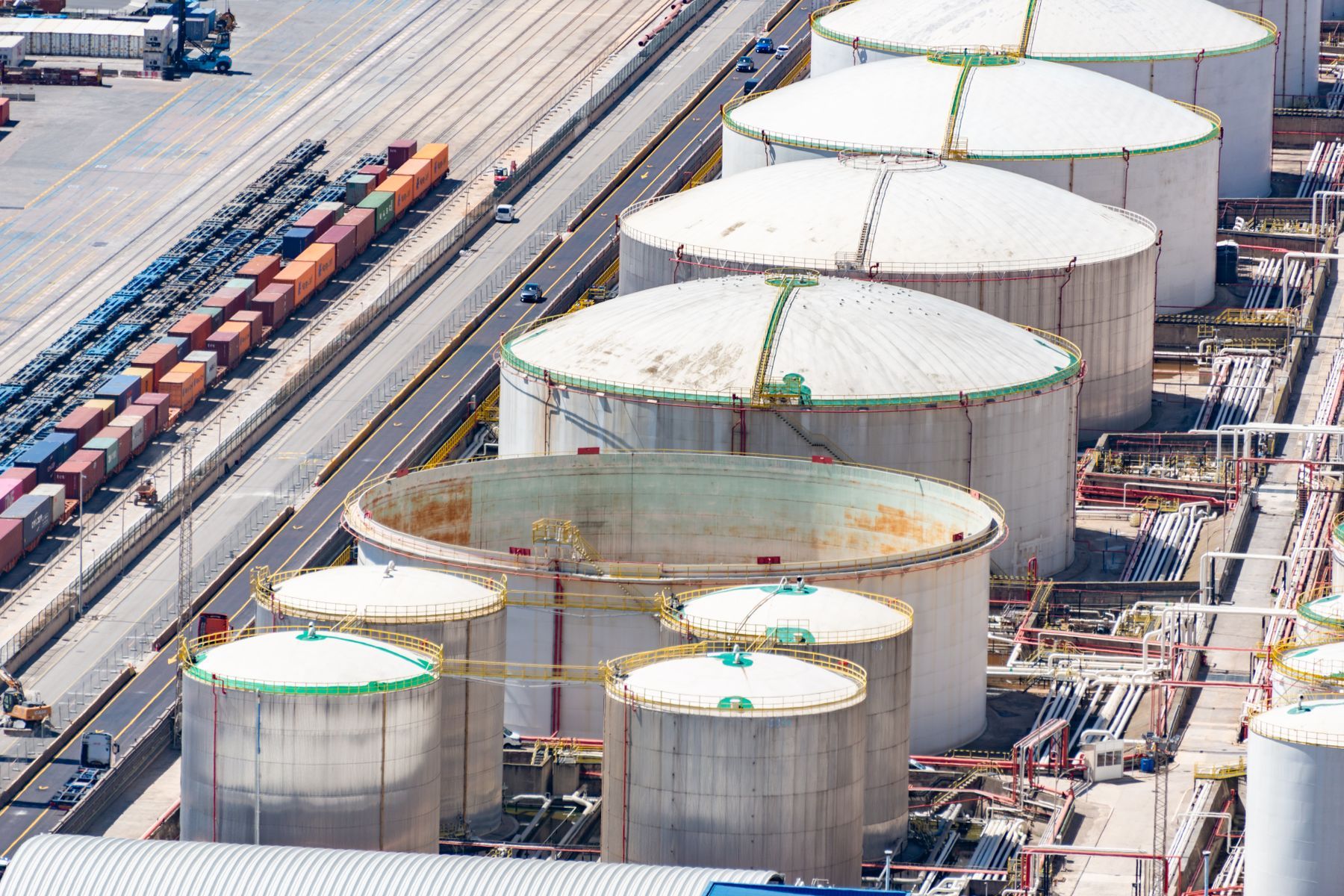
Managing the volatile fractions of petrochemical spills combines containment and remediation with atmospheric monitoring, meteorology and dispersion analysis to detect episodes, assess their extent and verify corrective measures.
Which pollutants can appear in the air
The profile of air pollutantsAir pollution caused by atmospheric contaminants is one of the most critical and complex environmental problems we face today, both because of its global r...
Read more associated with a hydrocarbon spill depends mainly on the product released. There is no universal list valid for every case, but there is a set of parameters that are particularly relevant.
| Parameter | Why it can be relevant |
|---|---|
| VOCs / TVOC | General indicator of organic vapours from volatile products. It allows the presence of a plume to be detected and its evolution over time to be tracked. |
| BTEX | Benzene, toluene, ethylbenzene and xylenes are characteristic components of fuels, naphthas and oil. Benzene, in particular, is a compound of priority health concern. |
| NMHC | Non-methane hydrocarbons. Useful for characterising hydrocarbon emissions at petrochemical and refining facilities. |
| H2S | Hydrogen sulphide. Relevant in spills of crude oils or streams containing sulphur compounds. |
| CH4 | Methane. Mainly relevant in the oil and gas sector, gas processing and certain gaseous losses. |
| PM, CO and SO2 | Particulate matter, carbon monoxide and sulphur dioxide. They can appear if the incident leads to a fire or combustion of the spilled product. |
A total VOC reading can indicate the presence of vapours, but on its own it does not determine the benzene concentration.
Characterisation must take a technical distinction into account: TVOC measurement using a photoionisation detector (PID) is not equivalent to the specific benzene concentration. A PID responds to a wide range of organic compounds, so its reading is an overall indicator, not a selective measurement of an individual compound. Determining concentrations of benzene or other specific components requires complementary analytical techniques.
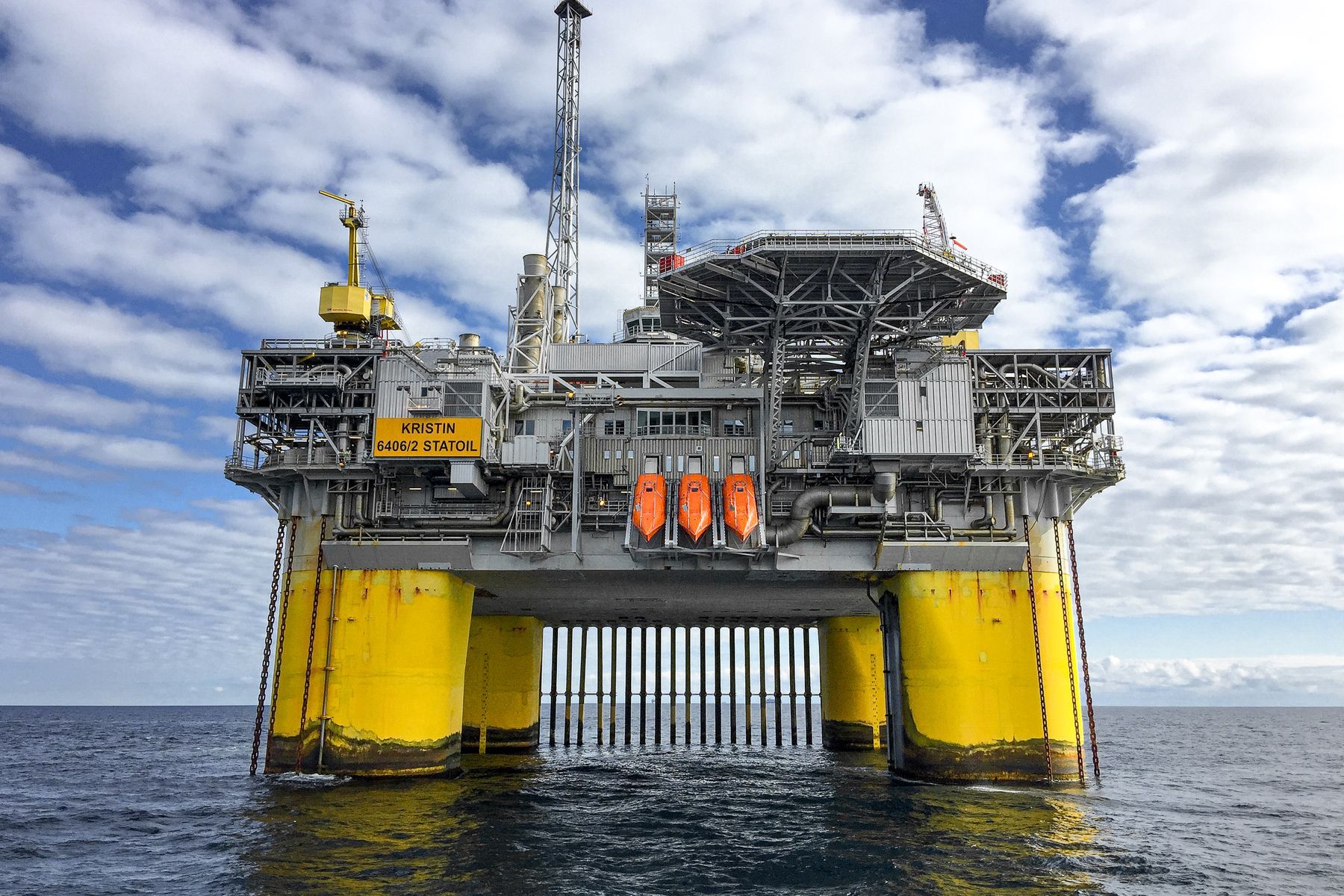
Petrochemical spills can originate at almost any point in the hydrocarbon handling chain.
Environmental and operational risks of a spill
Petrochemical spills have impacts that go beyond immediate environmental damage and affect four interconnected dimensions.
Environment
Contamination of soil, surface water and groundwater can disrupt ecosystems, affect biodiversity and cause environmental losses that take years to remediate. In addition, persistent compounds can accumulate in the food chain and cause long-term effects.
Air quality
The evaporation and dispersion of volatile substances alters the composition of the air around the incident. Depending on the size of the spill and the weather conditions, VOC and BTEX concentrations can exceed reference values and cause pollution episodes that affect areas near the facility.
Exposure of workers and nearby communities
Scientific evidence indicates that workers located downwind and close to oil spills may experience higher exposure to volatile hydrocarbons, including benzene.
Industrial operations
From a business perspective, a petrochemical spill means a direct loss of product, possible shutdown of production processes, the need to investigate the incident and implement containment and remediation measures, and the obligation to demonstrate to authorities and stakeholders that the episode is under control and that environmental conditions have returned to normal.
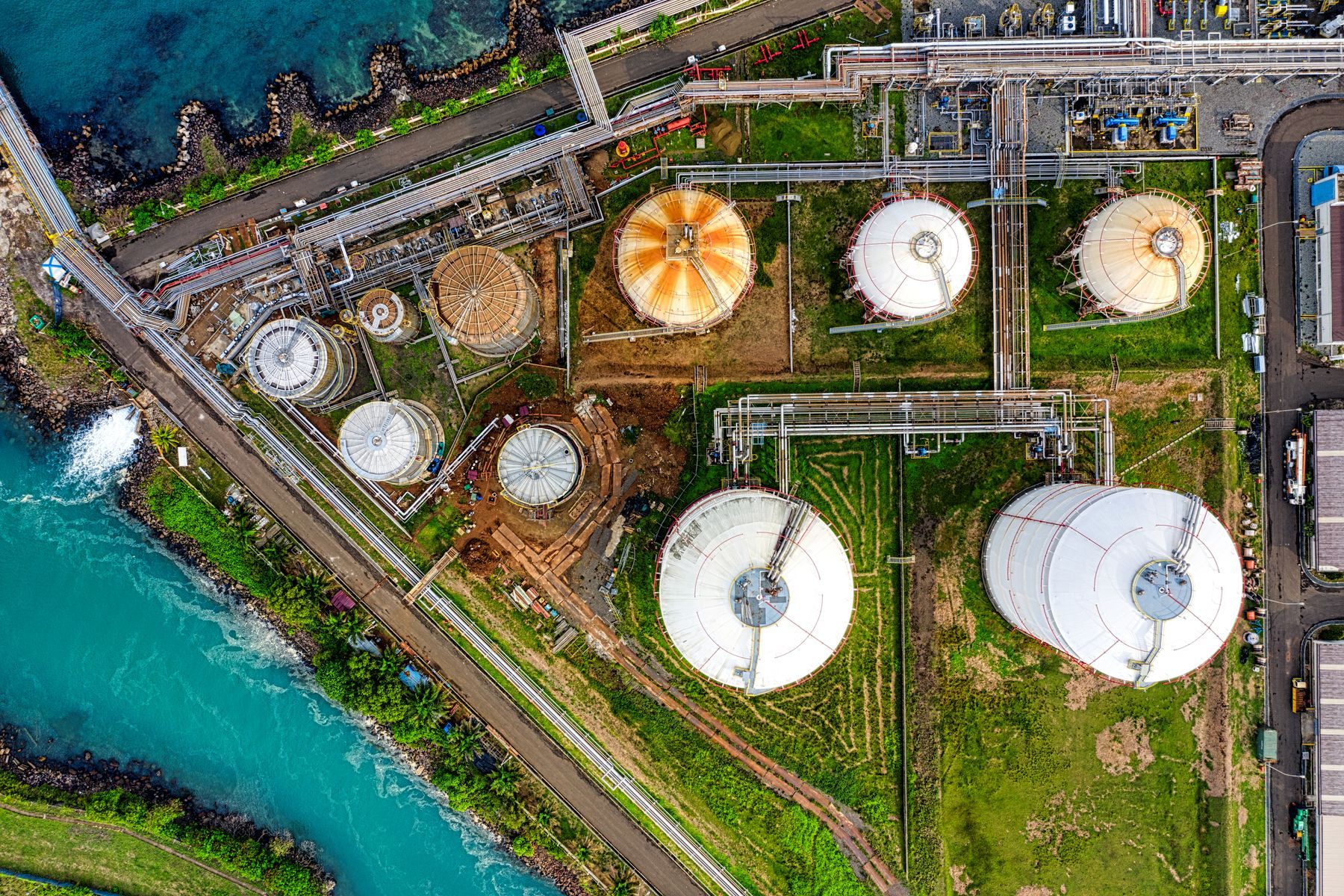
The loss of containment in a petrochemical spill involves substances that are normally in liquid form, although some fractions can quickly turn into gas once exposed to atmospheric conditions.
How petrochemical spills are detected and monitored
No single technology can address every dimension of a petrochemical spill. Effective management requires combining methods suited to each affected compartment: soil, water and air.
Detecting the spilled product in liquid form
Visual inspections, level or pressure sensors in tanks and pipelines, hydrocarbon detection systems for soil and water, thermal imaging cameras, analytical sampling of soil and water and other specific environmental engineering methods are used to identify and characterise the spilled product.
Atmospheric monitoring systems do not detect the spilled liquid directly. Their role is to observe the atmospheric consequence of that loss of containment: the vapours that enter the air.
Detecting leaks and associated emissions
To identify leaks from individual components and fugitive emissions, industry has several complementary tools:
- Portable detectors and on-site measuring equipment.
- Photoionisation detectors (PID) for rapid VOC detection.
- OGI (optical gas imaging) cameras, which make gas plumes invisible to the human eye visible.
- LDAR programmes (leak detection and repair) for inspecting and repairing leaks.
- Active and passive sampling followed by laboratory analysis.
- Open-path or light-beam optical systems.
- Continuous sensor networks for air pollutants.
The EN 17628:2022 standard sets out a framework for detecting, identifying and quantifying diffuse VOC emissions using various techniques in sectors such as petrochemicals, refining and chemicals, and complements EN 15446:2008, which focuses on individual leaks within LDAR programmes.
Continuous atmospheric monitoring
What sets continuous monitoring apart is that it does not only inspect a single component or a specific point in the facility, but continuously observes what is happening in the air around a facility or in the vicinity of an incident. This capacity for temporal and spatial observation makes these networks a complementary tool for dealing with spills and leaks.
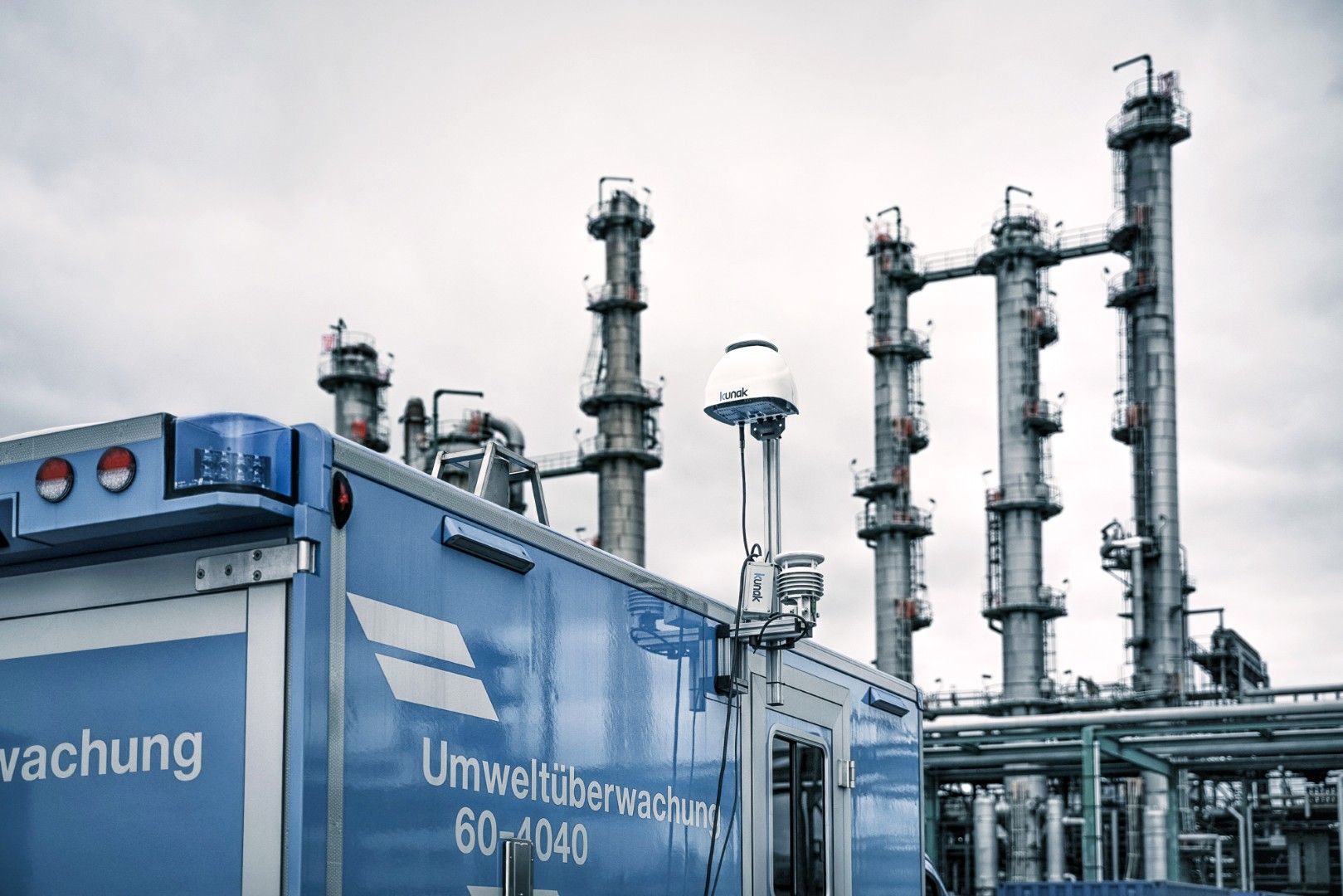
Air quality monitoring by Kunak at the BASF petrochemical plant in Ludwigshafen (Germany).
How continuous monitoring helps with spills and leaks
A continuous monitoring network does not replace process safety systems, liquid detectors, LDAR programmes or OGI inspections. But it provides a set of capabilities that are particularly valuable for managing the atmospheric dimension of a spill.
Detecting anomalies against normal levels
A permanently installed network makes it possible to establish a baseline of the usual concentrations of each pollutant. When an unplanned release occurs, concentrations rise above that baseline and the system can generate alerts automatically.
Knowing when an episode starts and how long it lasts
Unlike one-off sampling campaigns, which provide isolated snapshots in time, continuous monitoring offers enough temporal resolution to study the start, evolution and end of an episode. This information is essential to understand the dynamics of the incident.
Relating concentrations to wind
Combining concentration data with simultaneous wind speed and direction measurements makes it possible to determine where the pollution plume is moving and identify likely areas or sources. The EPA has shown with fenceline monitoring systems that this combination can provide information on the direction of emission sources and speed up leak investigations.
That is why it is advisable to speak of a “probable source” or “probable area of origin” rather than make categorical statements. A high concentration at one point does not, on its own, allow the exact source to be attributed with certainty.
Concentration and wind help narrow down the probable origin of a plume, but a single reading does not identify the source with certainty.
Assessing the impact beyond the facility
With stations on the facility perimeter and at external receptor points, it is possible to compare concentrations and determine whether the episode remains confined to the facility or whether its atmospheric effects reach the surrounding area.
Verifying corrective measures
Once the spill has been contained or the leak repaired, continuous tracking makes it possible to check objectively whether concentrations return to their usual levels. This information is essential for closing the episode from an atmospheric perspective.
Continuous tracking makes it possible to see when an episode starts, how it evolves and whether concentrations return to their usual levels.
Generating a traceable record
The system automatically keeps a complete history that includes:
- Exact time the episode began.
- Maximum and average concentrations recorded.
- Wind direction and speed during the event.
- Evolution of concentrations over time.
- Alerts generated.
- Actions taken.
- Subsequent recovery of environmental conditions.
This record is useful both for immediate operational management and for later investigations, audits or communications with the authorities.
From detecting the spill to locating its origin
When a continuous monitoring network combines several measurement points, meteorological data and dispersion analysis tools, it can go beyond detecting a high concentration and help determine which area of the facility is the most likely source. In some cases, where a suitable methodology exists, it is also possible to estimate atmospheric emissions.
However, a critical distinction must be respected: quantifying an atmospheric emission does not mean calculating the volume of liquid spilled. An air quality station does not determine how many litres of product have been released. Its role is to measure the concentration of pollutants in the air at a given point and time.
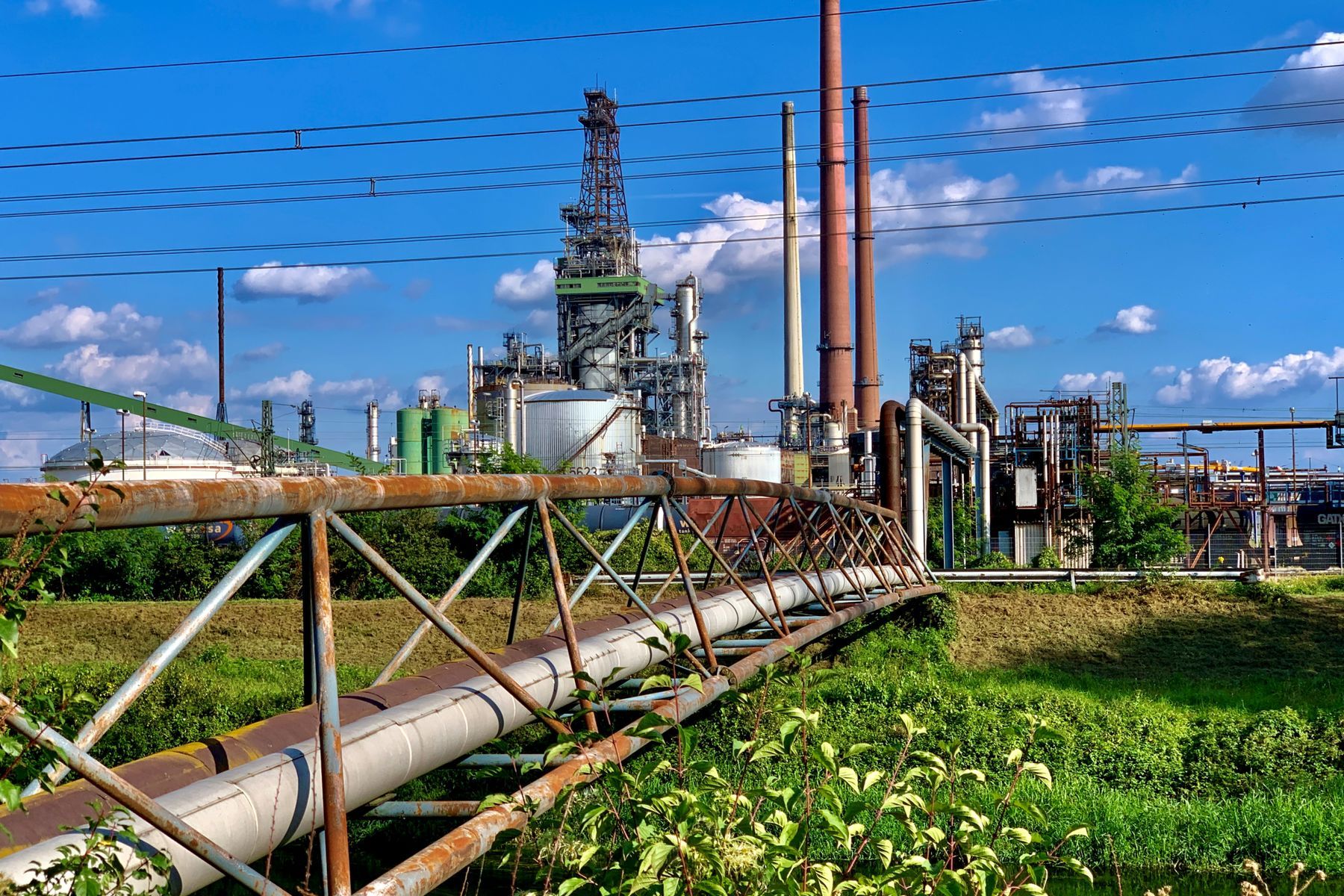
The lines that carry products between process units, pumps, heat exchangers and reactors are also potential sources of petrochemical spills.
Regulations and standards related to spills, leaks and emissions
The management of petrochemical spills and their atmospheric consequences falls within a set of European and international regulations and standards. The most relevant references are listed below.
Seveso III Directive
Directive 2012/18/EU addresses the prevention of major accidents at facilities handling dangerous substances and the limitation of their consequences for human health and the environment. Its definition of a major accident includes major emissions, fires or explosions resulting from uncontrolled developments. Not every petrochemical spill is a Seveso accident: the classification depends on the quantity and hazard of the substance released and the consequences caused.
EU Methane Regulation
Regulation (EU) 2024/1787 sets specific obligations for the energy sector on methane emissions reduction, with requirements for measurement, monitoring, reporting, verification and LDAR programmes. It applies to methane emissions from oil and gas activities, but it is not a general regulation on petrochemical spills.
Benzene fenceline monitoring
As an international reference, EPA Method 325 uses passive fenceline sampling of benzene at refineries over 14-day periods. The EPA itself states that this system is not designed to monitor emergency releases, as results are not available immediately. This limitation explains why continuous monitoring plays a complementary role by providing real-time data that make it possible to respond to acute episodes.
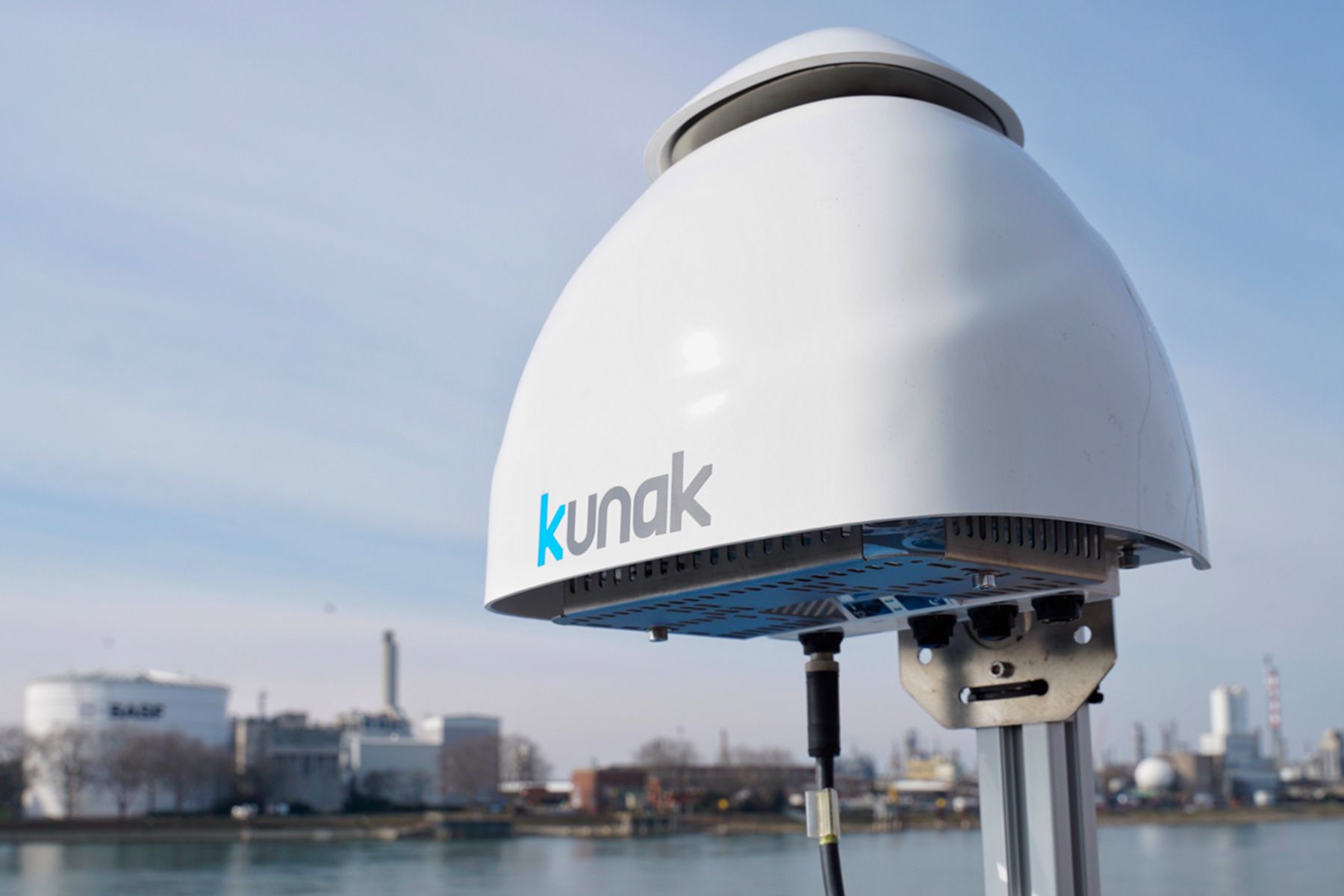
BASF SE in Ludwigshafen (Germany) is the world’s largest integrated chemical complex. Here, Kunak technology provides real-time data that improves regulatory compliance and environmental management at the plant.
Atmospheric monitoring of petrochemical incidents with sensor networks
Air quality sensorMeasuring air quality is essential for improving human and environmental health. Changes in the natural composition of the air we breathe are common in ind...
Read more networks, such as those developed by Kunak, make it possible to continuously monitor the air pollutants associated with leaks, evaporative emissions and incidents at petrochemical facilities. They do not detect the spilled liquid directly, but observe its consequence in the air.
Kunak’s approach for the oil and gas sector and the petrochemical industry is built on several pillars:
- Kunak AIR Pro: compact, robust multi-parameter monitoring station that can be adapted to the needs of each facility.
- Pollutant-specific configuration: ability to measure VOCs/NMHC, CH4, H2S and other relevant gases, as well as meteorological parameters.
- Multi-point network: deployment of several stations inside and along the perimeter of the facility for a complete spatial view.
- Kunak AIR Cloud: cloud platform that integrates data from all stations, offers real-time visualisations and temporal and spatial analysis, and generates automatic alerts.
- Configurable alerts: immediate notifications when concentrations exceed predefined thresholds.
- Temporal evolution and spatial analysis: tools to follow the trajectory of an episode and understand its dispersion.
- Data integration: ability to combine air quality data with meteorological information and data from other facility systems.
This approach complements the traditional response of the petrochemical industry. It does not replace spill detection techniques, process safety instrumentation, LDAR programmes, OGI inspections or laboratory analytical sampling, but it adds a layer of continuous information that moves the focus from discovering the incident to understanding what is happening in the air, where it may be coming from, how it is dispersing and when the situation returns to normal.
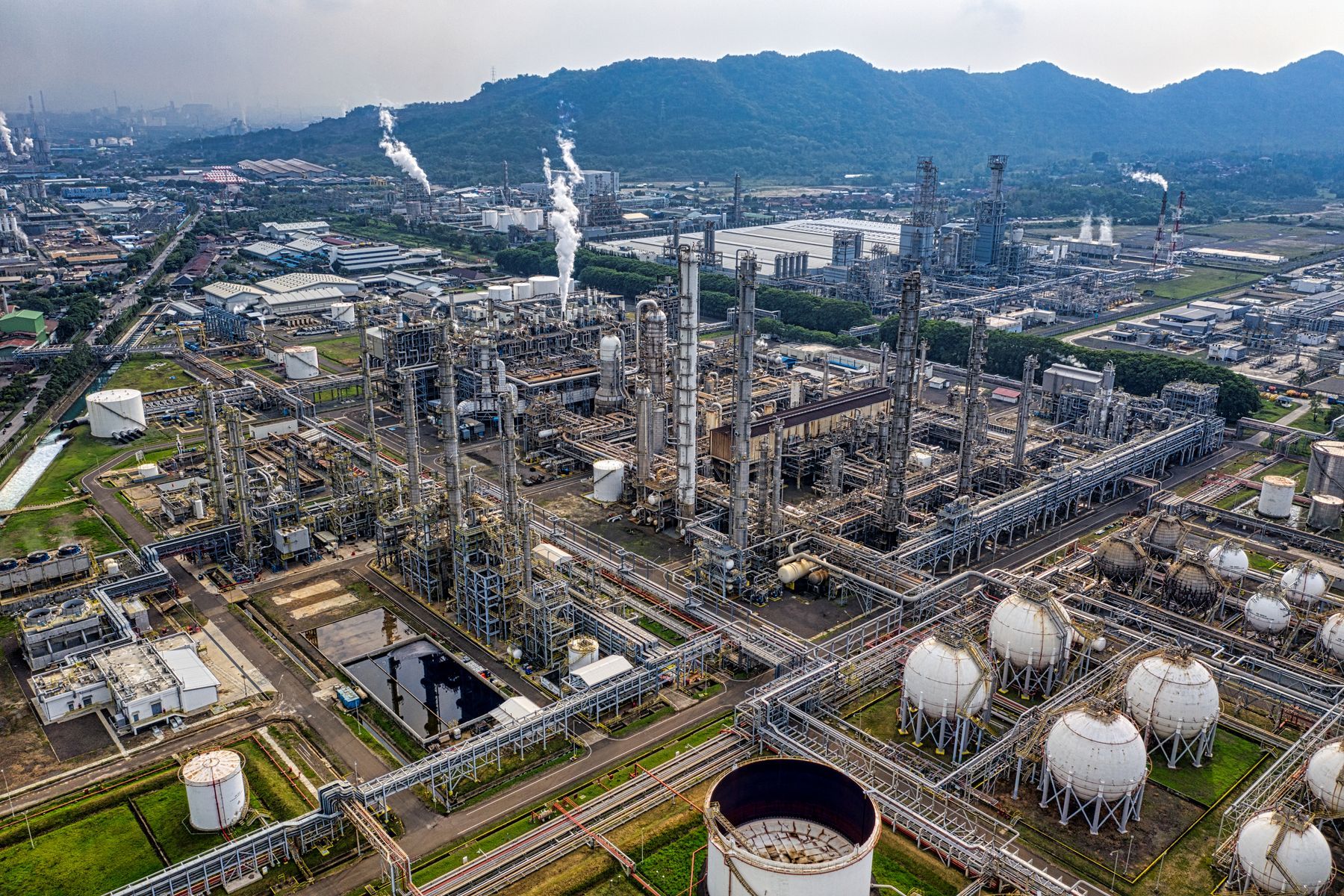
Petrochemical spills can also occur on a smaller scale within a facility, a storage terminal, a refinery, a transfer area or during maintenance work.
The atmospheric dimension of petrochemical spills
A petrochemical spill does not end with the liquid slick spreading over the ground or floating on the water. While the heavier fractions contaminate soil and water, the lighter ones evaporate and enter the atmosphere, turning a loss of containment into an air pollution episode. Its scale and reach depend on the product composition, the temperature, the exposed surface area and, above all, the weather conditions.
This atmospheric dimension, often sidelined in the immediate management of spills, affects air quality in nearby areas and is an exposure risk factor for workers and local communities.
Integrating continuous air monitoring into leak and spill response protocols makes it possible to detect anomalies against the baseline before they can be noticed by other means, to follow the evolution of the episode with a temporal resolution that one-off sampling cannot provide, and to combine concentration and wind data to understand where the plume is dispersing and guide the search for its probable origin. It also provides an objective, traceable record that can be used to verify the effectiveness of containment and remediation measures and to demonstrate to authorities and stakeholders that concentrations have returned to their usual levels.
In the petrochemical sector, where operational safety and environmental protection are central to the business, measuring and tracking the fraction of a spill that evaporates and disperses with the wind is part of comprehensive, data-driven management.
 How to choose an air quality sensor: criteria for getting your project right
 Tunnel air quality monitoring: sensors, ventilation and safety
 Fugitive emissions management: detection and control of industrial leaks
 Fenceline monitoring at industrial sites: continuous monitoring and emission detection
 Near-reference monitoring: advanced accuracy in air quality measurement