Case Study

Odor emissions control at Taiki Wai WWTP: continuous monitoring for preventive management

Tiaki Wai
Sector:

Need

Wastewater treatment plants generate gaseous emissions associated with different treatment stages, particularly during pretreatment, digestion and sludge management. Among these compounds, hydrogen sulfide (H2S) is one of the main causes of odor nuisance, even at low concentrations.

In the case of Tiaki Wai, the proximity of the WWTP to residential areas made it essential to obtain objective data on odor episodes. Management based on complaints or occasional inspections did not allow precise identification of peak sources or their actual impact on the surrounding area.

The organisation required continuous, comparable and traceable data to answer three key questions: which process generates emissions, under what conditions they occur, and how they affect the community. To achieve this, a distributed environmental monitoring network was deployed, integrating H2S concentrations with meteorological variables.
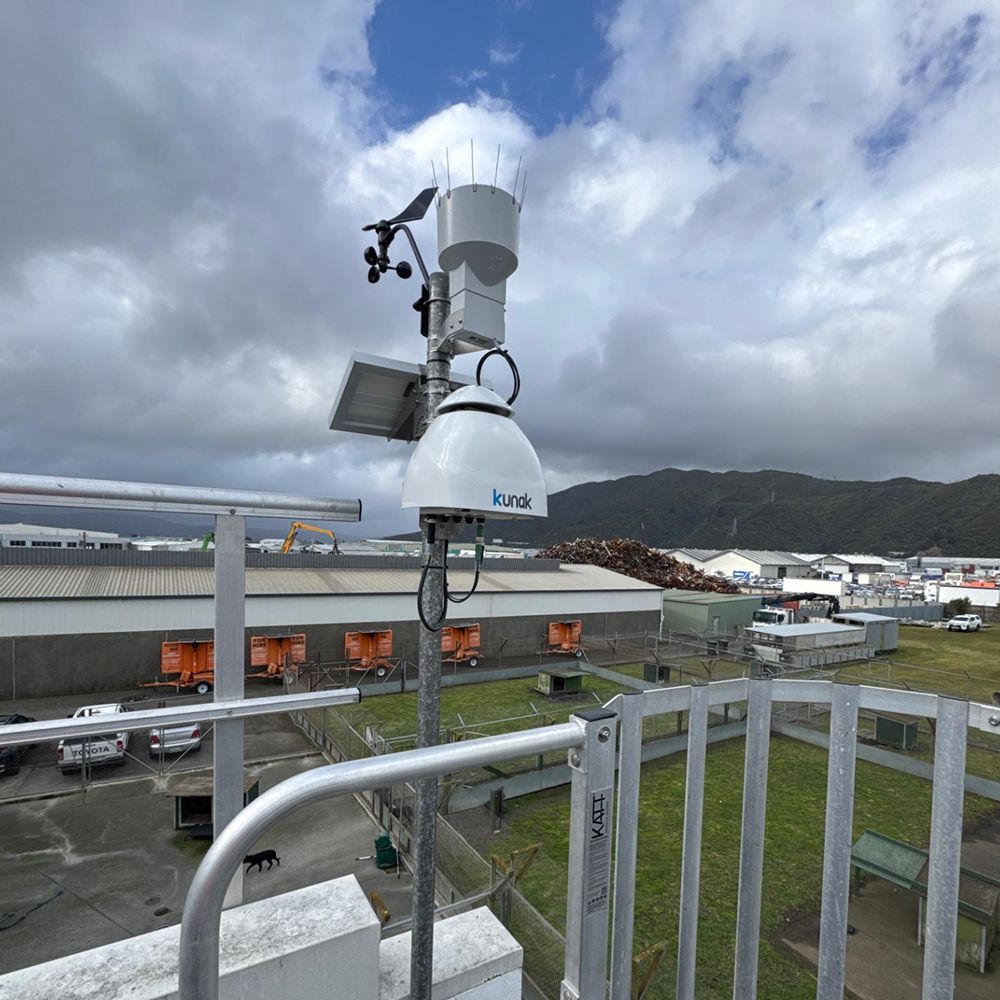
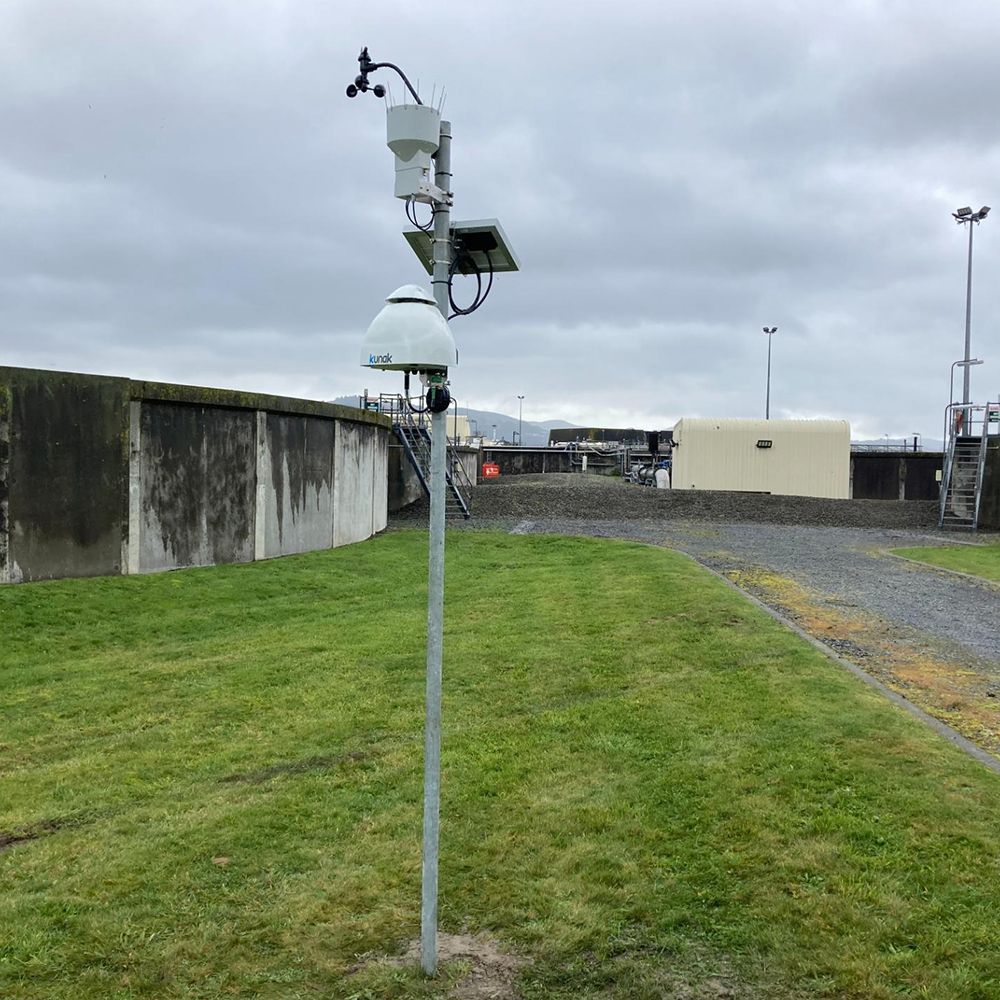
By combining continuous H2S monitoring with on site weather data, we can identify odor sources faster, anticipate high risk episodes, and take action before they affect nearby communities.
Odor emissions control at Wellington Water WWTP: continuous monitoring for preventive management - KunakOdor emissions control at Wellington Water WWTP: continuous monitoring for preventive management - KunakOdor emissions control at Wellington Water WWTP: continuous monitoring for preventive management - KunakOdor emissions control at Wellington Water WWTP: continuous monitoring for preventive management - Kunak

Solution

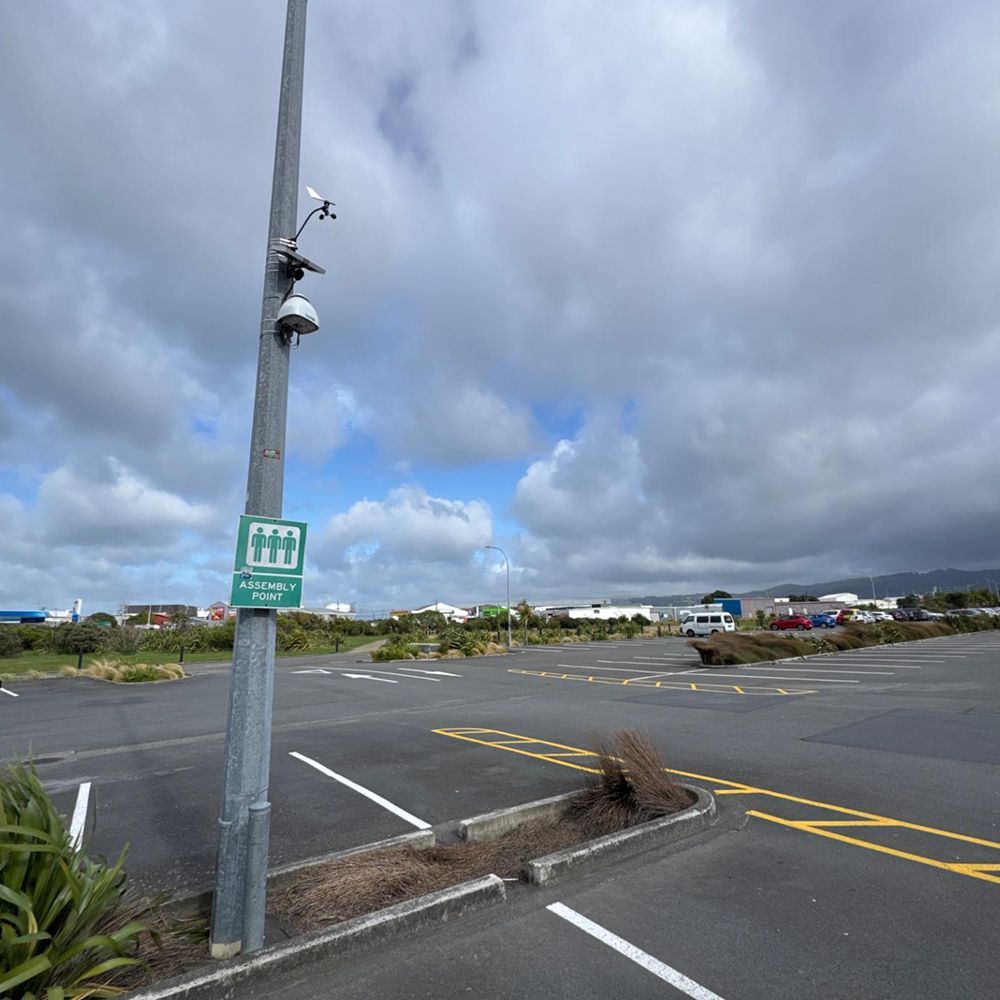
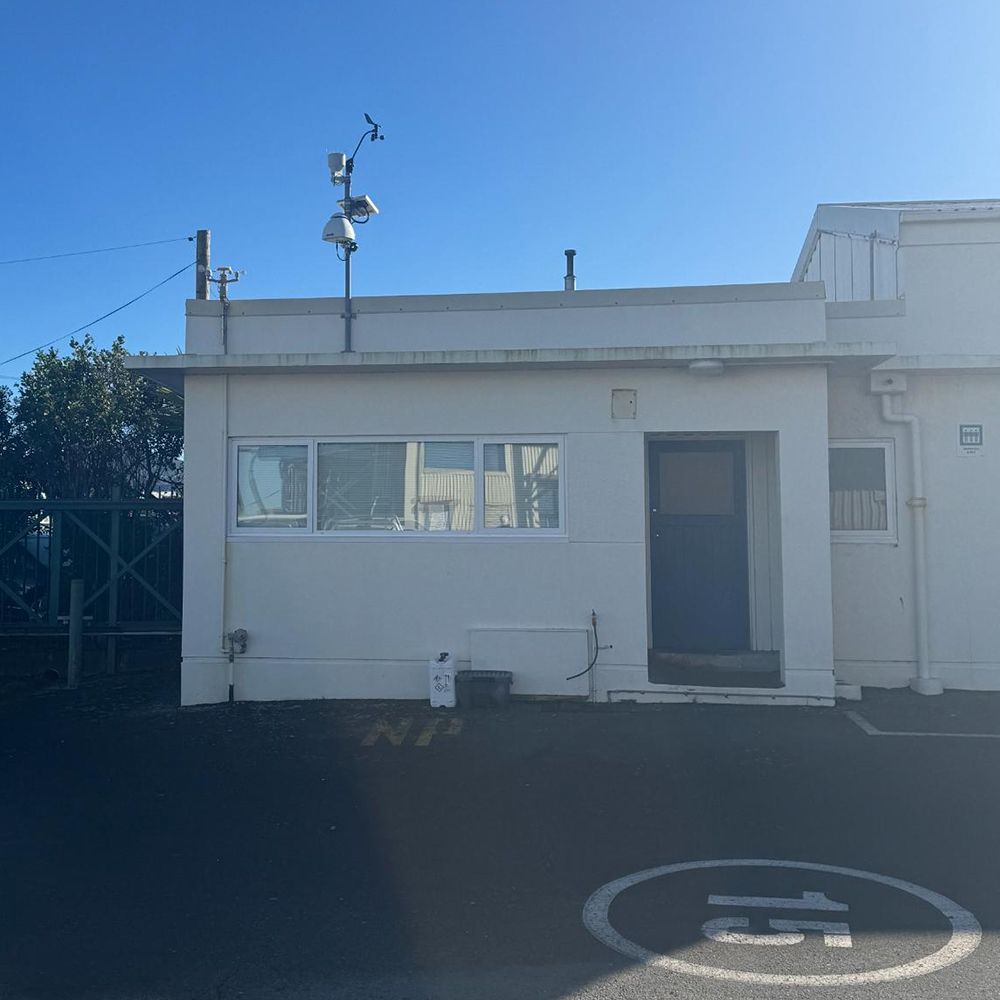
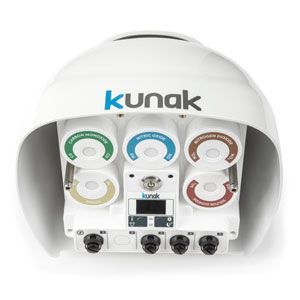
The solution initially involved, with the help of Applied Instruments, deploying five Kunak AIR Pro stations configured for continuous H2S monitoring, together with environmental variables such as temperature, humidity and atmospheric pressure. Each unit also includes an anemometer to record wind speed and direction, and a rain gauge to measure precipitation.

The network design followed a clear technical approach. Two stations were installed on the immediate perimeter of the WWTP, close to processes with potential gas generation. These locations enable detection of peaks linked to specific operations and provide an internal reference.

The remaining three stations were installed further away, in areas closer to the community. This configuration provides a direct view of real impact outside the facility and allows concentration comparisons between potential sources and receptor zones.

After validating measurement stability and operational usefulness, Tiaki Wai decided to expand the network with three additional stations. The current infrastructure includes five interconnected stations, improving spatial coverage and diagnostic capability.

The Tiaki Wai case demonstrates that effective odor management at a WWTP requires continuous monitoring and spatial visibility of impact. A distributed monitoring network enables a shift from reactive complaint-based management to a preventive strategy supported by objective data.

For other plants seeking to reduce community conflicts and strengthen environmental control, this approach offers a practical framework: measure, correlate and make decisions based on technical evidence.

Results

The network has enabled clearer identification of which processes are most likely to generate H2S-related odor episodes. With continuous data available, the technical team can correlate concentration peaks with specific operations, such as sludge handling or maintenance activities.

Integration with meteorological variables has been decisive. Joint analysis of concentrations and wind direction helps identify the prevailing trajectory of odor plumes during specific episodes. This makes it possible to distinguish between plant emissions and potential external sources.

Comparisons between perimeter and community stations provide an objective assessment of episode reach. The plant can determine whether an event remains confined to the immediate surroundings or extends into residential areas.

This information supports operational decisions such as adjusting chemical dosing, modifying task schedules or prioritising improvements in gas capture and treatment systems. It also strengthens response capability to community complaints or inspections, supported by traceable historical records.

Benefits

  • Accurate identification of H2S-generating processes.
  • Objective evaluation of real community impact.
  • Correlation between emissions and meteorological conditions.
  • Technical support to justify corrective actions.
  • Improved transparency and communication with stakeholders.
  • Historical database for trend analysis.
  • Network scalability aligned with plant development.

Project details

Customer: Tiaki Wai

User: Tiaki Wai

Location: Lower Hutt, New Zealand

Sector:

Year: 2026

Parameters:

  • H2S
  • Meteorological variables (temperature, humidity, pressure)
  • Wind speed and direction
  • Precipitation

Solutions

  • AIR ProProfessional air quality monitoring station
    Air quality monitor

    AIR Pro

    The most accurate air quality monitoring station

    SENSOR-BASED | BEST AVAILABLE ACCURACY

    Benefits

    • Multi-pollutant
    • Smart cartridge system
    • Fully autonomous
    • Real-time data
    • Proven accuracy
    See more
  • Hydrogen sulphideReliable real-time data on H2S
    Hydrogen-sulfide

    Hydrogen sulphide

    Reliable information about hydrogen sulphide

    GASPLUG TECHNOLOGY | PATENTED DESIGN

    Specs

    • Electrochemical
    • R2 >0.8
    • Range: 0-2,000 ppb (Type A) | 0-20 ppm (Type B)
    • Resolution: 1 ppb (Type A) | 0.01 ppm (Type B)
    • 24 months of operating life
    See more
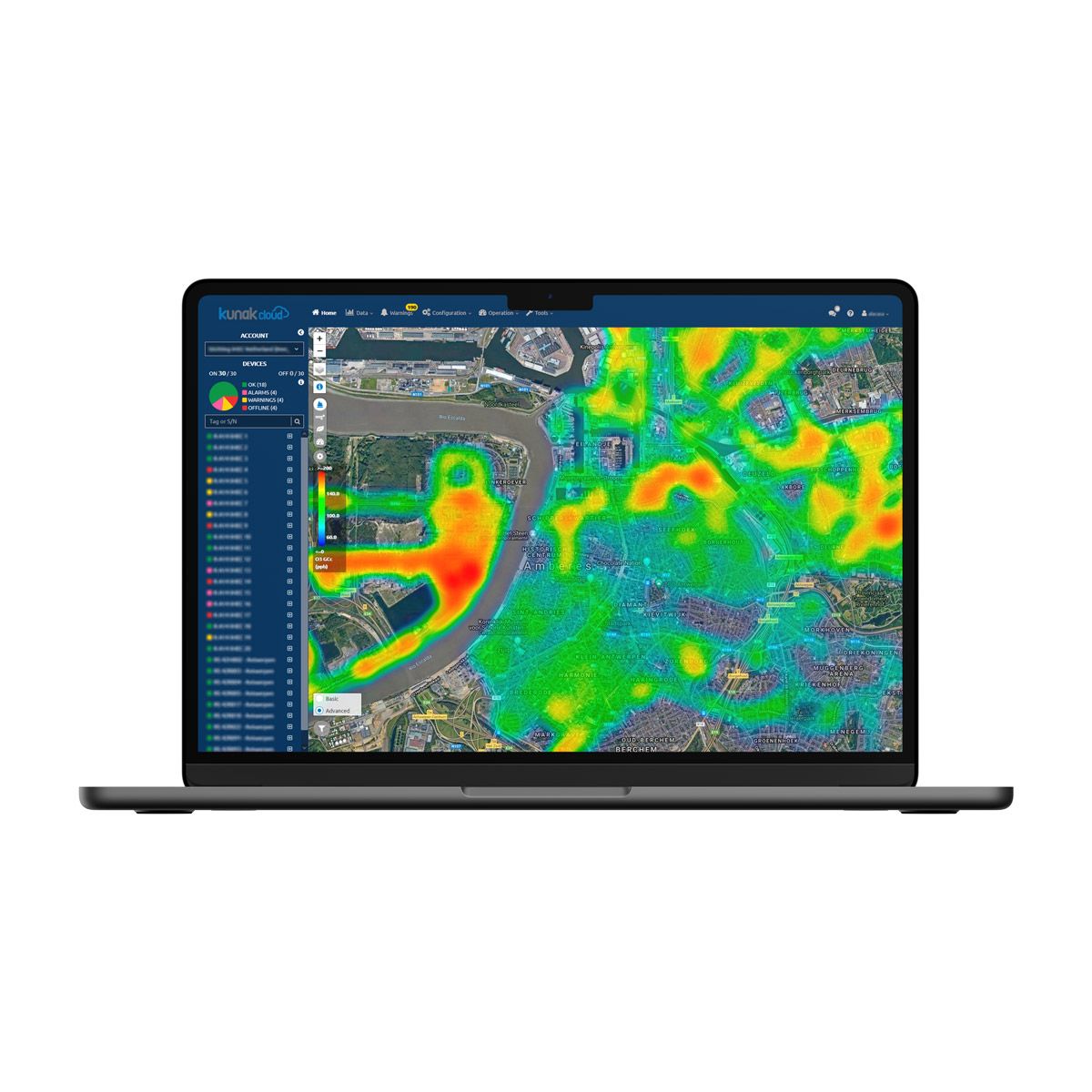
  • AIR CloudAir quality software
    Air quality software - Kunak AIR Cloud

    AIR Cloud

    Multipurpose air quality software for professionals

    REAL-TIME DATA | ALWAYS UPDATED

    Benefits

    • Secure and condifential
    • Air quality reporting
    • Advanced data analysis and visualisation
    • Reliable data guaranteed
    • Data sharing and integration
    See more
Air quality monitor

AIR Pro

The most accurate air quality monitoring station

SENSOR-BASED | BEST AVAILABLE ACCURACY

Benefits

  • Multi-pollutant
  • Smart cartridge system
  • Fully autonomous
  • Real-time data
  • Proven accuracy
See more
Hydrogen-sulfide

Hydrogen sulphide

Reliable information about hydrogen sulphide

GASPLUG TECHNOLOGY | PATENTED DESIGN

Specs

  • Electrochemical
  • R2 >0.8
  • Range: 0-2,000 ppb (Type A) | 0-20 ppm (Type B)
  • Resolution: 1 ppb (Type A) | 0.01 ppm (Type B)
  • 24 months of operating life
See more
Air quality software - Kunak AIR Cloud

AIR Cloud

Multipurpose air quality software for professionals

REAL-TIME DATA | ALWAYS UPDATED

Benefits

  • Secure and condifential
  • Air quality reporting
  • Advanced data analysis and visualisation
  • Reliable data guaranteed
  • Data sharing and integration
See more