Hydrogen chloride (HCl) is an inorganic compound that, under normal temperature and pressure conditions, appears as a colorless gas with a sharp, irritating odor. It is also extremely soluble in water. When dissolved, it forms hydrochloric acid, one of the most widely used strong acids in industry. Once released into the air through processes such as incineration or chemical and petrochemical operations, hydrogen chloride acts as an atmospheric pollutant, making its control imperative to protect public health and ecosystems.
The risks associated with hydrogen chloride are not hypothetical. In January 2020, in West Thurrock (Essex, United Kingdom), Industrial Chemicals Ltd experienced a collapse of inadequately maintained pipework that released 300,000 liters of hydrochloric acid into the open air. Within 60 seconds, security cameras recorded a dense cloud of HCl gas engulfing the local atmosphere. Authorities ordered the closure of schools in West Thurrock and Chafford Hundred and advised residents to keep doors and windows closed during the approximately 24 hours the incident lasted. In April 2025, after pleading guilty, the company was fined £2.5 million.
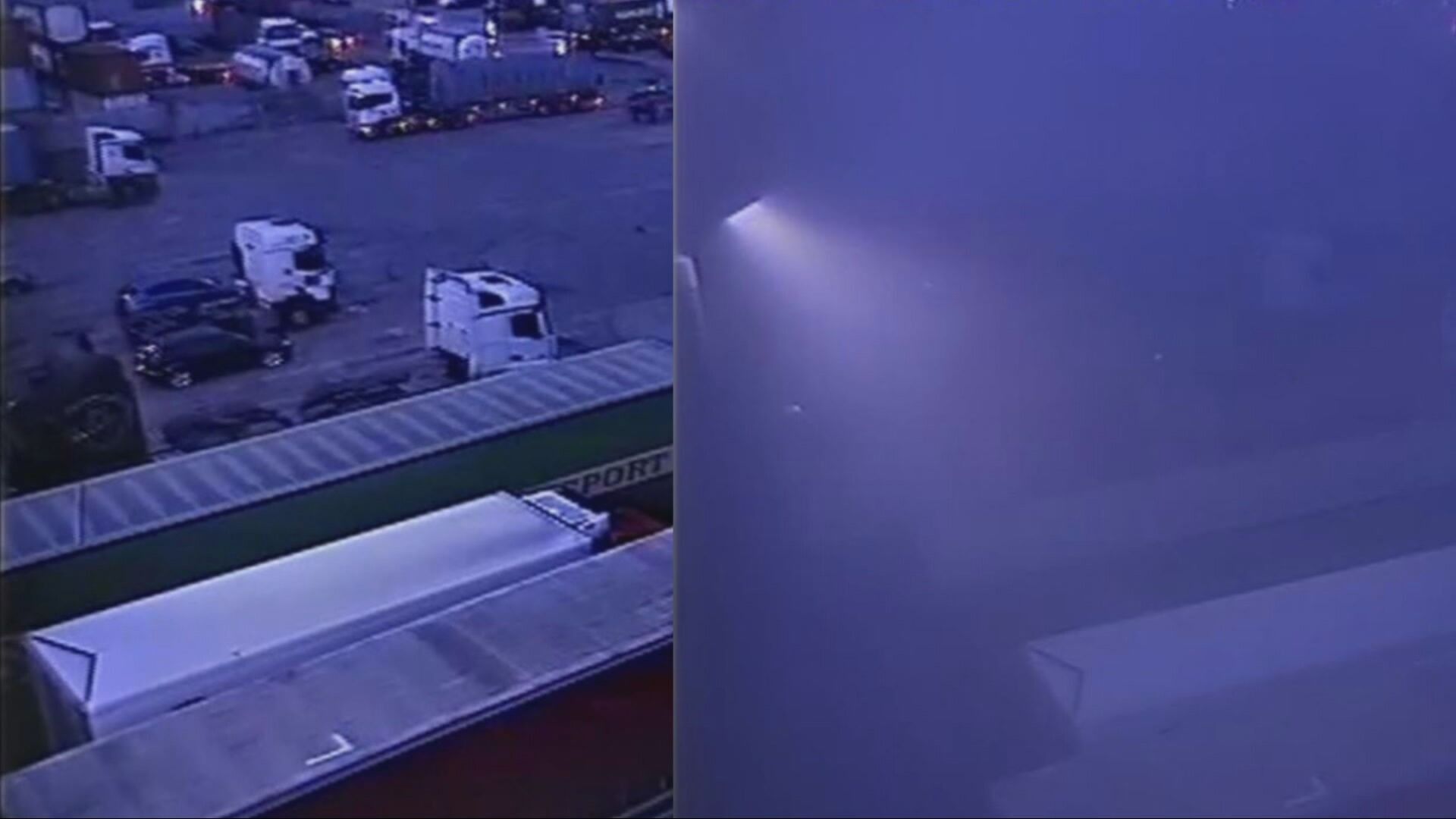
The HSE states that security camera footage showed a cloud of hydrogen chloride gas enveloping the atmosphere within 60 seconds. Credit: Health and Safety Executive.
In this article, we analyze the main characteristics that make HCl emissions such a hazardous pollutant once released into the air, the damage they cause to health and the environment, the primary industrial sources of hydrogen chloride emissions, HCl exposure limits and the existing regulatory framework, as well as monitoring technologies and available control solutions.
Hydrogen chloride (HCl) is an inorganic compound that, under normal temperature and pressure conditions, appears as a colorless gas with a sharp, irritating odor.
What is hydrogen chloride (HCl)?
Hydrogen chloride is a covalent combination of one hydrogen atom and one chlorine atom. Under normal temperature and pressure conditions, it appears as a colorless gas easily recognized by its pungent and strongly irritating odor, detectable by the human sense of smell at concentrations as low as 1 to 5 ppm.
Although gaseous HCl and hydrochloric acid are sometimes used interchangeably, it is important to distinguish between them. Hydrogen chloride refers to the molecule in its gaseous state (HCl gas), while hydrochloric acid is the aqueous solution formed when that gas dissolves in water. This distinction is relevant in environmental monitoring. In the atmosphere, gaseous HCl is measured as a primary pollutant, while its effects on moist surfaces, such as lungs, mucous membranes and vegetation, occur when it is present in acidic form.
Air Quality Innovation in Just 1 Click
Stay informed about the air you breathe!
Subscribe to our newsletter to receive the latest updates on environmental monitoring technology, air quality studies, and more.
Among its most distinctive properties, HCl features:
- High water solubility: it is one of the most soluble gases known (720 g/L at 20 °C), making it particularly aggressive upon contact with any moist surface, including the upper respiratory tract.
- Formation of acid mists: in the presence of ambient humidity, gaseous HCl reacts instantly with water vapor, generating hydrochloric acid aerosols that appear as dense white mists visible to the naked eye. These mists increase the exposure area and complicate containment during a leak, as the contaminant becomes an airborne aerosol rather than a pure gas.
- Atmospheric behavior: its density, greater than that of air, causes HCl to accumulate in low-lying areas, confined spaces and terrain depressions after a release. In open air, it contributes to acid rain, altering the pH of soils and water bodies. Under favorable wind conditions, it may be transported several kilometers from the emission source. Although its atmospheric lifetime is relatively short, from hours to a few days, this period is sufficient to cause significant damage.
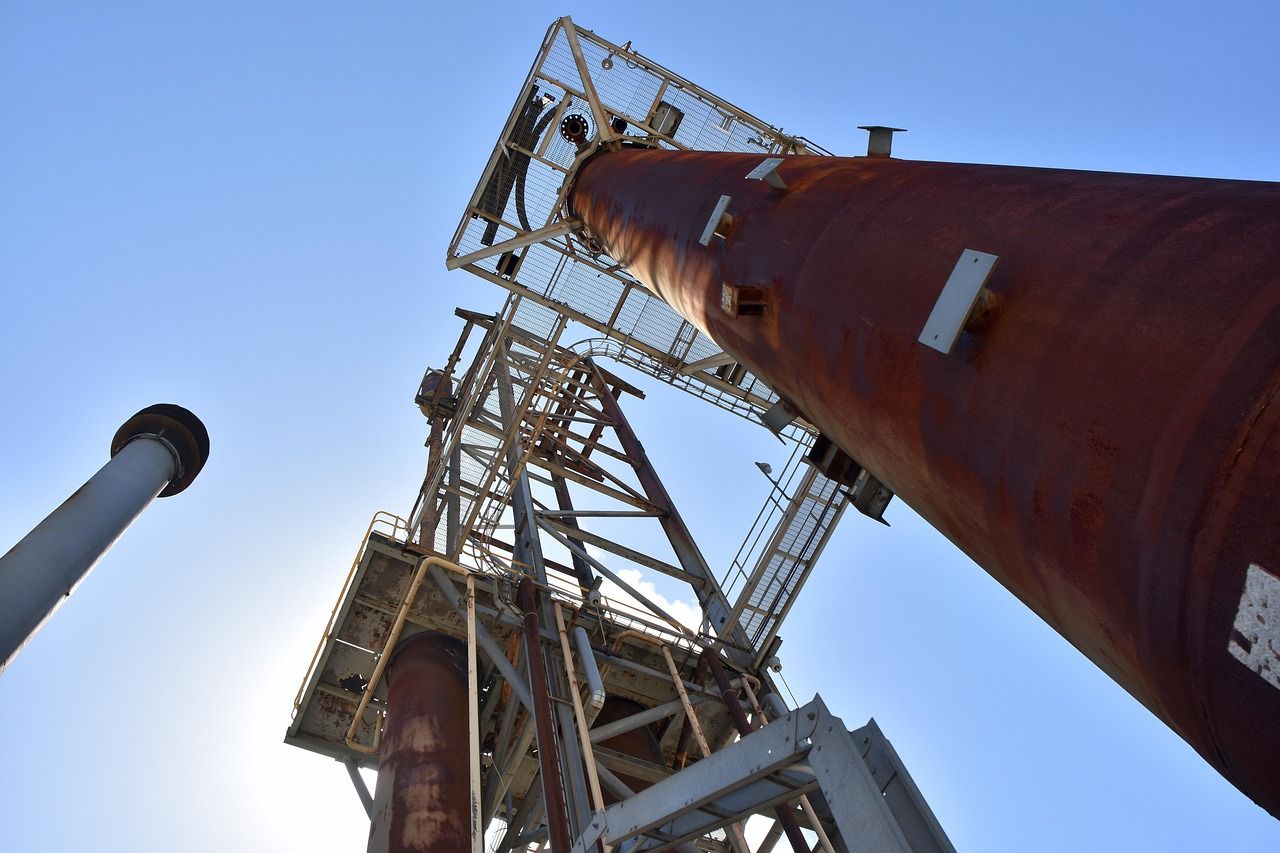
In refineries and petrochemical plants, HCl is associated with crude oil desalting and catalytic reforming processes, where chlorine from the catalyst is partially released during regeneration.
Sources and emissions of hydrogen chloride
HCl is one of the hydrogen halides most frequently reported in industrial emission inventories. Its origin is diverse, ranging from large controlled point sources to fugitive emissions that are more difficult to quantify. Two international technical references are commonly used to estimate and characterize these emissions: the EMEP/EEA Air Pollutant Emission Inventory Guidebook (2023 edition) and the EPA AP-42 emission factor compendium.
Industrial HCl emissions
Industry is the main anthropogenic source of atmospheric HCl emissions. Globally, total HCl emissions are estimated at approximately 2,354 Gg Cl per year, with industrial and energy activities as the dominant contributors.
The most significant industrial sources of HCl emissions include:
- Chemical and petrochemical industry: production of organochlorine compounds such as dichloromethane, trichloroethane and perchloroethylene, where HCl is generated as an unavoidable byproduct.
- Chlorinated plastics production (PVC): polyvinyl chloride contains approximately 57% chlorine by mass. During synthesis, particularly in vinyl chloride monomer (VCM) production, gaseous HCl streams are generated and must be captured, recycled or neutralized immediately.
- Combustion processes involving chlorinated compounds: burning materials containing organic or inorganic chlorine releases HCl in flue gases. This includes biomass with chlorine content, coal and fuel oil containing salts, as well as industrial cogeneration processes.
- Fertilizer and intermediate product manufacturing: processes such as phosphate synthesis or certain pesticide production involve reactions with hydrochloric acid, creating emission risks during loading, reaction or purging stages.
Incineration and waste management
Incineration is, by far, the primary and most regulated source of HCl emissions, particularly in Europe. The EMEP/EEA Guidebook 2023 identifies waste incineration plants as priority sources of hydrogen halides in emission inventories.
The three waste categories with the highest HCl generation potential are:
- Municipal solid waste (MSW): contains PVC, salted food waste and composite materials. When PVC is incinerated, chlorine is almost entirely converted into HCl. Modern plants equipped with flue gas treatment systems, including dry and wet scrubbers and lime filters, can neutralize these emissions, but older or poorly maintained facilities remain a risk.
- Hospital waste: includes PVC-based materials such as IV bags, tubing and gloves, whose combustion generates particularly high HCl concentrations. The European IED regulation requires continuous emission monitoring in these facilities.
- Chlorine-containing industrial waste: such as chlorinated solvents, chemical process sludge and organic synthesis byproducts. Incineration in specialized plants produces HCl emissions that can exceed regulatory limits if not properly controlled.
Fugitive emissions and uncontrolled processes
Beyond controlled stack emissions, HCl can also be released diffusely and unintentionally through failures in industrial equipment and infrastructure. These fugitive emissions, more difficult to quantify and manage, originate from:
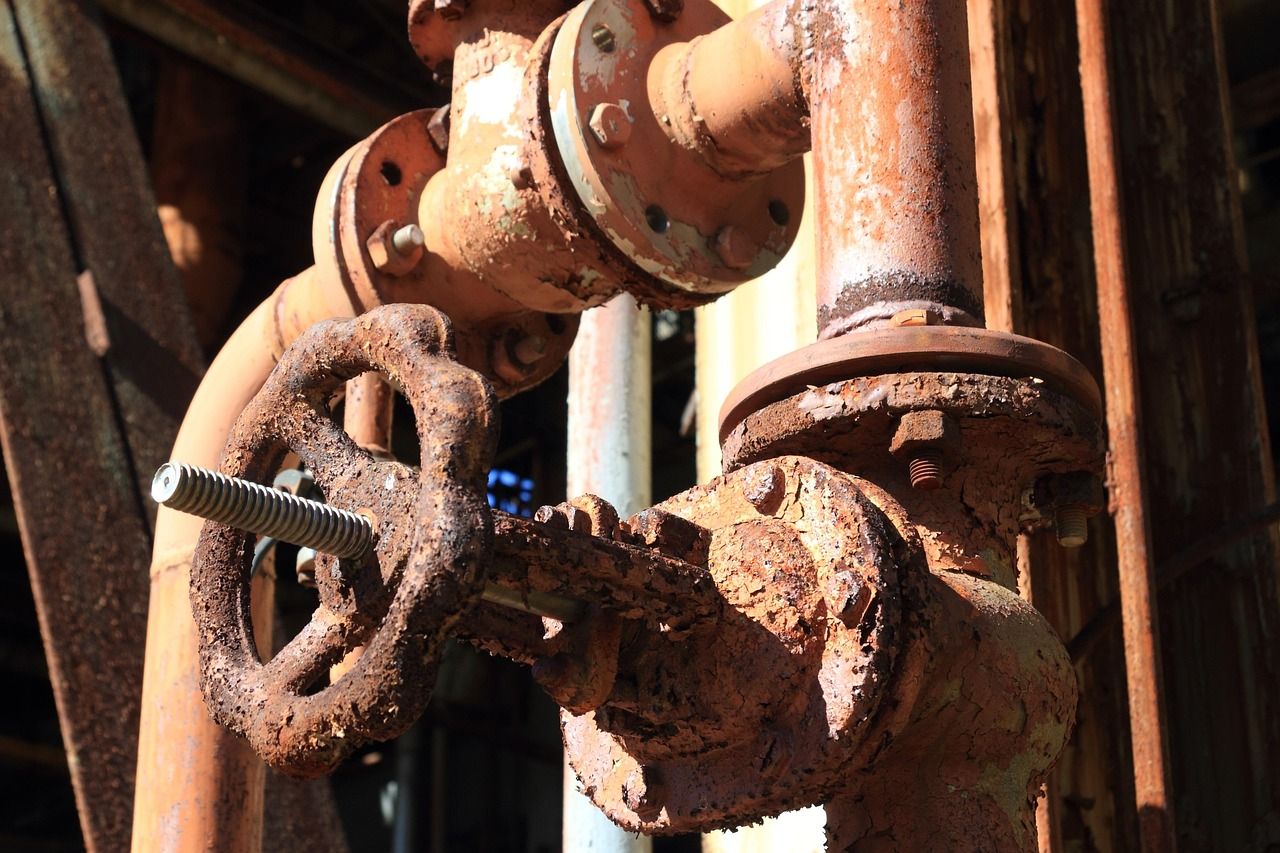
- Valves, flanges and gaskets: in installations handling liquid or gaseous HCl. Connection points are the most common leak vectors. Material fatigue, accelerated corrosion and repeated thermal cycles degrade sealing elements, leading to continuous low-intensity leaks with cumulative effects.
- Storage tanks and loading or unloading operations: where hydrochloric acid transfer operations, both in plants and logistics facilities, concentrate the risk of fugitive releases, particularly during uncontrolled venting or overpressure events.
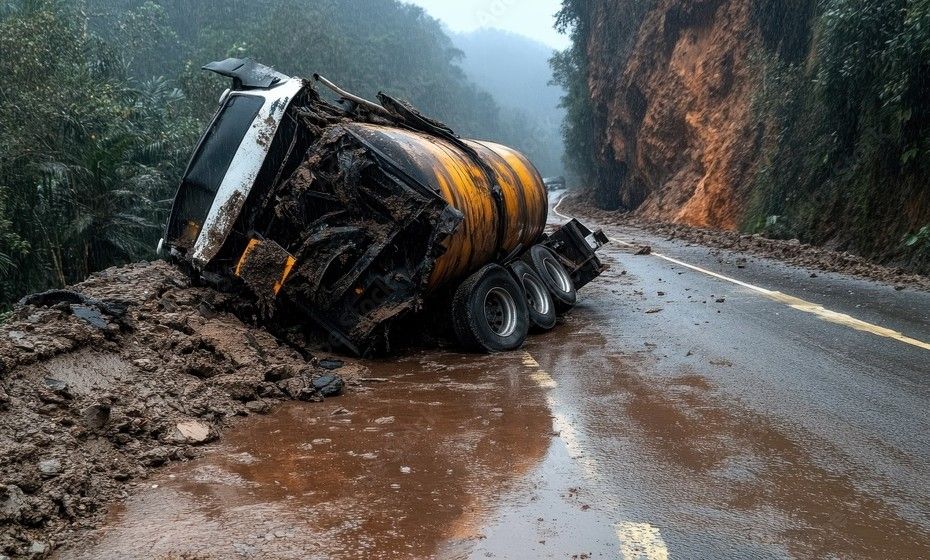
- Transportation: road or rail incidents involving bulk hydrochloric acid transport pose a risk of high-intensity point releases with potential impact on urban or peri-urban areas.
Gaseous hydrogen chloride is one of the precursors of acid rain. When it reacts with atmospheric water vapor, it forms hydrochloric acid that deposits on soils, water bodies and vegetation, acidifying the receiving environment.
Fugitive HCl emissions fall within the scope of LDAR (Leak Detection and Repair) programs, particularly in petrochemical facilities and waste treatment plants. Systematic hydrogen chloride emission detection, using electrochemical sensors, infrared spectrometry (FTIR) or optical gas imaging cameras, allows operators to identify leaks before they reach risk thresholds or exceed regulatory limits. Integrating HCl monitoring into a robust LDAR strategy is not merely good practice, it is a regulatory requirement in many European countries.
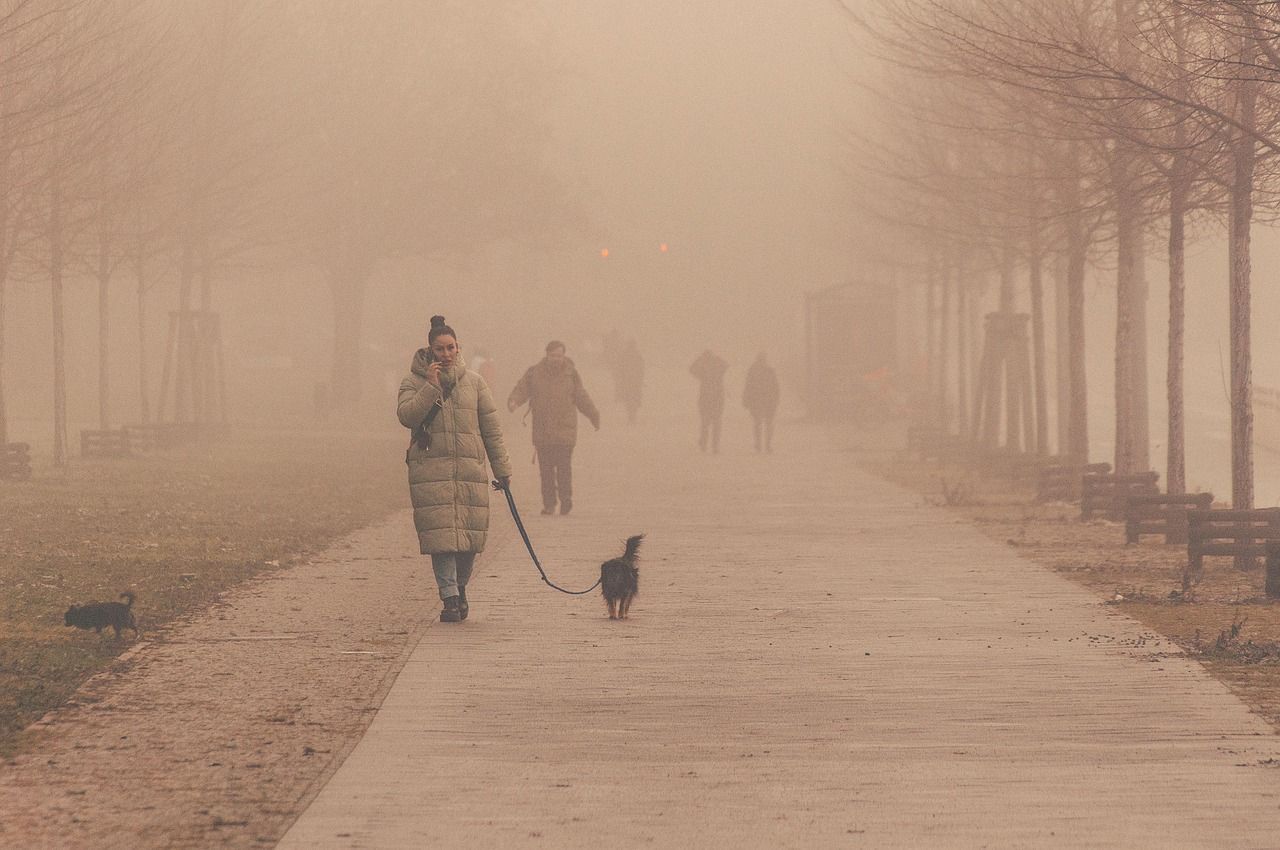
Gaseous HCl reacts with water vapor to form acidic aerosol mists, visible as dense white clouds that increase the exposure area.
Impacts of hydrogen chloride on health and the environment
It is a serious mistake to consider the presence of hydrogen chloride in the air as an abstract risk. Due to its high chemical reactivity, it becomes a dual environmental hazard.
Effects on human health
Hydrogen chloride has a destructive effect on living organisms. At air concentrations as low as 5 ppm, it causes severe irritation of biological tissues in the respiratory tract, eyes and mucous membranes. When its concentration in air exceeds 50 ppm, even brief exposure can be potentially fatal, leading to irreversible damage to the respiratory system.
The margin between tolerable exposure and real risk is very narrow, especially in occupational environments:
| Type of exposure | Concentration | Health effects | Reference |
| Acute | 1–5 ppm | Irritation of throat, nose and eyes; burning sensation in mucous membranes. | OSHA (Occupational Safety and Health Administration) / ATSDR (Agency for Toxic Substances and Disease Registry), U.S. |
| Acute | 5–10 ppm | Severe coughing, tearing and breathing difficulty. | OSHA |
| Acute | 35 ppm | IDLH threshold (NIOSH): risk of pulmonary edema and laryngeal spasm. | NIOSH (National Institute for Occupational Safety and Health), U.S. |
| Acute | > 50–100 ppm | Severe lung damage, acute respiratory failure; potentially fatal. | NIOSH / ATSDR |
| Chronic | Repeated subchronic | Dental erosion, chronic bronchitis, airway hypersensitivity, impaired lung function. | ATSDR |
| Chronic | Repeated subchronic | Gastrointestinal effects from ingestion of contaminated particles. | ATSDR Toxicological Profile HCl |
Under normal temperature and pressure conditions, hydrogen chloride appears as a colorless gas with a sharp, irritating odor, denser than air and prone to accumulating in low-lying areas and confined spaces in the event of an industrial leak.
Environmental impacts
Beyond the risk to human health, the presence of hydrogen chloride in the air triggers a chain of environmental effects that impact ecosystems, as well as soil and water quality, while also damaging infrastructure, causing:
- Acid deposition: gaseous HCl is one of the precursors of acid rain. When it reacts with atmospheric water vapor, it forms hydrochloric acid that deposits on soils, water bodies and vegetation, acidifying the receiving environment. Unlike SO2 or NOx, HCl produces acid deposition more directly and rapidly, without intermediate oxidation processes. This makes its impact particularly significant in areas close to emission sources.
- Local soil and water acidification: chronic HCl deposition lowers soil pH, affecting nutrient availability and reducing microbial activity. In sensitive aquatic ecosystems, it can trigger acidification episodes that harm aquatic life, altering the structure of macroinvertebrate and fish communities.
- Impact on vegetation: foliar exposure to gaseous HCl causes necrosis at leaf margins, reduces photosynthetic activity and, with prolonged exposure, leads to biomass loss in crops and forest stands located within the influence radius of industrial hydrogen chloride emission sources.
- Infrastructure corrosion: hydrochloric acid formed on moist surfaces actively attacks metals, concrete and construction materials. Industrial facilities located near HCl emission sources experience accelerated degradation of metal structures, electrical systems and protective coatings, resulting in increased maintenance costs and higher failure risk.
Hydrogen chloride is a pollutant of predominantly anthropogenic origin.
Exposure limits and applicable regulation
Hydrogen chloride is regulated in two complementary domains:
- Occupational: protecting workers within the facility.
- Environmental: limiting hydrogen chloride emissions to the outside and protecting the population and the environment.
Both regulatory frameworks are equally relevant when establishing any HCl air monitoring strategy.
Occupational exposure limits
HCl exposure limits in workplace environments are defined by several reference institutions. The values vary slightly depending on the methodological approach of each organization:
| Authority | Limit type | Value | Status |
| OSHA (U.S.) | PEL (Permissible Exposure Limit) | 5 ppm | Mandatory (legal) |
| NIOSH (U.S.) | REL (Recommended Exposure Limit) | 5 ppm | Recommended |
| NIOSH (U.S.) | IDLH (Immediately Dangerous to Life or Health) | 50 ppm | Emergency reference |
| ACGIH (U.S.) | TLV-C (Threshold Limit Value – Ceiling) | 2 ppm | Recommended (best practice) |
| EU-OSHA / Directive 2017/164/EU | OEL (Occupational Exposure Limit) | 8 mg/m³ (~5 ppm) | Mandatory in the EU |
The most restrictive value is the ACGIH TLV-C of 2 ppm, a scientifically recognized guideline without legal force, which should not be exceeded at any time during the working day. It is widely adopted as good practice in industrial hygiene.
In Europe, Directive 2017/164/EU establishes an occupational exposure limit of 8 mg/m³, harmonizing minimum requirements across Member States. In its 2025 revision, NIOSH reaffirmed the IDLH threshold at 50 ppm, a level above which exposure without adequate respiratory protection may be fatal.
Environmental regulation and emissions
Beyond the workplace, atmospheric HCl emissions are subject to specific regulatory frameworks in both the European Union and the United States:
Europe — Industrial Emissions Directive (IED, 2010/75/EU)
The IED is the central regulatory framework for industrial emission control in the EU. It requires high-impact installations to operate according to Best Available Techniques (BAT), whose reference values are defined in BREF documents. For waste incineration plants, Annex VI of the IED sets an HCl emission limit value of 10 mg/Nm³ as a daily average, with a maximum of 60 mg/Nm³ as a half-hourly average. The 2024 IED revision (Directive 2024/1785/EU) further strengthens continuous monitoring obligations for higher-risk installations.
United States — Clean Air Act (CAA)
HCl is classified as a hazardous air pollutant (HAP) under Section 112 of the Clean Air Act. NESHAP (National Emission Standards for Hazardous Air PollutantsAir pollution caused by atmospheric contaminants is one of the most critical and complex environmental problems we face today, both because of its global r...
Read more) establish specific emission limits for sectors such as incineration, chemical manufacturing and chlorinated product production, and require the use of EPA Method 26 as the official measurement procedure for stationary sources.
EPA Method 26
EPA Method 26 (Determination of Hydrogen Halide and Halogen Emissions from Stationary Sources – Non-Isokinetic Method) is the official analytical procedure for measuring hydrogen halide and halogen emissions from stationary sources.
Method 26 determines the concentrations of hydrogen halides (HCl, HBr and HF) and gaseous halogens (Cl2 and Br2) present in combustion or process gases. It is a non-isokinetic method, meaning the sampling velocity does not need to match the gas stream velocity, simplifying field application.
Method 26 is the reference standard required in numerous sector-specific regulations under the Code of Federal Regulations (40 CFR, Appendix A), including NESHAP standards for incinerators, cement plants, the chemical industry and combustion processes involving chlorinated materials. Its application ensures traceability and comparability of emission data across installations and measurement campaigns.
For its application, the sample is extracted from the duct using a heated probe (>120 °C to prevent condensation) and bubbled sequentially through two capture solutions:
- Dilute acidic solution (H2SO4): captures hydrogen halides (HCl, HBr, HF), which ionize to form Cl⁻, Br⁻ and F⁻.
- Alkaline solution (NaOH): captures gaseous halogens (Cl2, Br2), which hydrolyze and are quantified separately.
Halide ion concentrations in both solutions are subsequently analyzed by ion chromatography (IC), with an application range starting at 0.1 ppm.
When the source is equipped with a wet scrubber or emits HCl in the form of acidic particles (aerosols), Method 26A must be used instead of Method 26. Method 26A incorporates an isokinetic sampling train that captures both the gaseous and particulate fractions of the contaminant.

Hospital waste has one of the highest hydrogen chloride generation potentials due to PVC-based medical materials (IV bags, tubing, gloves), which produce particularly high concentrations when incinerated.
Why is HCl air monitoring important?
Monitoring HCl in air is both a regulatory obligation and a high-impact operational tool. In industrial facilities where hydrogen chloride is present, whether as a product, byproduct or potential contaminant, the ability to detect, quantify and record concentrations in real time marks the difference between proactive risk management and a reactive response to incidents that have already occurred.
Industrial sites located in peri-urban environments or near residential areas carry responsibilities that extend beyond the plant boundary. Fenceline monitoringAtmospheric conditions are essential to prevent damage to human health and to reduce the causes of increased mortality or serious effects of exposure to po...
Read more deploys sensor networks along the facility perimeter to detect whether HCl emissions exceed safe thresholds before reaching neighboring communities.
This approach is increasingly required by European environmental authorities under the revised IED framework. It allows companies to proactively demonstrate their commitment to ambient air qualityAir quality refers to the state of the air we breathe and its composition in terms of pollutants present in the atmosphere. It is considered good when poll...
Read more and to anticipate community complaints or regulatory interventions.
An abnormal increase in airborne HCl concentration, even below regulatory limits, may be the first indicator of an incipient process failure. Real-time hydrogen chloride detection acts as an indirect process sensor in such situations, alerting operators to deviations that, if uncorrected, could lead to limit exceedances, unplanned shutdowns or equipment damage. This diagnostic function turns HCl monitoring into an operational optimization tool, not merely a compliance mechanism.
Likewise, fugitive HCl emissions from valves, flanges, expansion joints and connections in installations handling hydrochloric acid often represent a cumulative emission volume that exceeds controlled stack sources, yet have historically been underestimated due to their diffuse and intermittent nature. LDAR (Leak Detection and Repair) programs address this issue systematically through continuous monitoring using hydrogen chloride sensors, electrochemical, FTIR or optical gas imaging, combined with periodic component inspections that identify active leaks, quantify them and prioritize repair.
As a result, HCl air monitoring is more than a compliance cost, it is an investment in safety, efficiency and corporate reputation. Each properly positioned sensor acts as a barrier against risk for workers, communities and the long-term success of industrial operations.
Technologies for hydrogen chloride detection
Selecting the appropriate hydrogen chloride air detection technology depends on the measurement objective, whether process control, regulatory compliance, occupational safety or perimeter environmental monitoring. In practice, modern industrial facilities combine complementary technologies to address all these aspects simultaneously.
Electrochemical sensors
Electrochemical sensors are the most widely used technology for detecting HCl in industrial environments, due to their balance of sensitivity, cost and operational robustness.
Their operation is based on hydrogen chloride gas diffusing through a permeable membrane to reach a three-electrode system immersed in an electrolyte.
Key advantages for industrial applications include:
- High sensitivity at low concentrations, with resolution down to 0.1 ppm and typical measurement ranges between 0 and 20 to 50 ppm.
- Compact size, enabling integration into portable devices and fixed multiparameter monitoring stations.
- Low power consumption, compatible with battery or solar-powered installations in remote locations.
- Linear response within the 0 to 50 ppm range, with strong long-term signal stability.
Thanks to these characteristics, electrochemical HCl sensors are used for leak detection in hydrochloric acid storage and transport, workplace monitoring in chemical and petrochemical plants, perimeter control in incineration facilities, and as interchangeable cartridges in multigas stations.
Continuous monitoring systems
Continuous hydrogen chloride air monitoring overcomes the limitations of manual spot sampling by providing uninterrupted real-time data. Modern systems integrate measurement hardware, connectivity and data analytics within a unified architecture including:
- Perimeter networks, where multiple monitoring stations are deployed along the industrial boundary to detect elevated HCl concentrations at the plant limit and to identify the emission source through triangulation and atmospheric dispersion modeling. This localization capability is especially valuable in complex facilities with multiple potential sources, where a single centralized system cannot discriminate between them.
- IoT platform integration, transmitting real-time data to cloud-based management platforms that enable concentration mapping, historical trend analysis, correlation with meteorological variables and automatic compliance reporting. IoT architecture ensures data accessibility from any device and integration with SCADA or DCS systems.
- Real-time alerts, configured with tiered alarm thresholds, for example, a first alert level near the TLV-C (2 ppm) and a second evacuation level near the IDLH (50 ppm), triggering automatic notifications to operators, safety managers and, where required, environmental authorities, minimizing incident response time.
Kunak AIR stations incorporate a dedicated HCl cartridge based on a high-resolution electrochemical sensor, capable of measuring from sub-ppm concentrations to elevated emergency levels. The modular smart cartridge architecture allows simultaneous measurement of up to five gases and particulate matter from a catalog of more than 20 pollutants, including HCl, HF, Cl2, NH3, H2S, SO2 and VOCs, making the station a comprehensive monitoring platform for facilities with complex emission profiles. Data are managed in real time through Kunak Cloud, ensuring full data traceability for environmental audits and LDAR programs.
Monitoring in compliance with EPA Method 26
A common mistake in HCl emission management is to consider continuous monitoring and EPA Method 26 as mutually exclusive. In reality, both approaches are complementary and address different needs within a robust compliance strategy:
| Criterion | EPA Method 26 (spot sampling) | CEMS / Sensors (continuous monitoring) |
| Frequency | Periodic campaigns (semiannual or annual) | 24/7 real time |
| Analytical precision | High, laboratory ion chromatography | Medium to high, depending on technology |
| Temporal representativeness | Limited, snapshot | Complete, continuous trend |
| Cost per measurement | High, equipment mobilization | Low, autonomous operation |
| Regulatory validity | Mandatory legal reference in many regulations | Accepted alternative under EPA Performance Specification 18 |
| Alert capability | None, delayed result | Immediate |
| Source localization | No | Yes, in multi-station networks |
In the United States, EPA Performance Specification 18 explicitly recognizes HCl CEMS as a valid alternative to Method 26 for demonstrating compliance at certain stationary sources, provided validation criteria are met.
In Europe, BAT conclusions for incineration processes require the installation of continuous HCl monitoring systems in plants above specific capacity thresholds, precisely because these systems can detect real-time deviations that spot sampling cannot capture.
Using Method 26 as an annual calibration and validation reference for continuous systems, while relying on continuous monitoring as the daily operational tool for control, alerting and documented evidence generation, maximizes both technical reliability and regulatory coverage.
The two main categories of hydrogen chloride emissions are the chemical industry and waste incineration.
Technical comparison: HCl vs HF in industrial emissions
Hydrogen chloride (HCl) and hydrogen fluoride (HF)Hydrogen fluoride (HF) is a highly useful yet dangerous chemical compound. Its colourless gaseous form is accompanied by a sharp odour and the ability to b...
Read more are the two most relevant hydrogen halides in terms of industrial air quality. They share a similar chemical nature, both are acidic gases, highly soluble in water and corrosive to biological tissues and infrastructure, yet they differ significantly in their toxicity profile, industrial origin sectors and monitoring requirements. Understanding these differences is essential for designing effective detection and compliance strategies.
| Characteristic | HCl — Hydrogen chloride | HF — Hydrogen fluoride |
| Chemical formula | HCl | HF |
| State at 20 °C | Colorless gas | Colorless gas (liquid below 19.5 °C) |
| Odor | Sharp, irritating | Sharp, irritating |
| Water solubility | Very high (~720 g/L) | Very high, forms hydrofluoric acid |
| Nature of risk | Irritant, corrosive to mucous membranes and metals | Extremely toxic, systemic dermal penetration, risk of fatal hypocalcemia |
| TLV-C (ACGIH) | 2 ppm | 0.5 ppm (more restrictive) |
| IDLH (NIOSH) | 50 ppm | 30 ppm |
| Origin sectors | Incineration, chemical industry, PVC, petrochemicals | Refineries (alkylation), aluminum industry, semiconductor manufacturing, glass production |
| Environmental impact | Acid deposition, local acidification | Fluorosis in soils and vegetation, bioaccumulation in fauna |
| Reference regulation (U.S.) | EPA Method 26 | EPA Method 26 / 26A |
| Reference regulation (EU) | IED, BAT Conclusions WI BREF | IED, BAT Conclusions, Directive 2017/164/EU |
| Continuous monitoring | CEMS NDIR/TDLAS, electrochemical sensors | CEMS TDLAS, dedicated electrochemical sensors |
| Integration in LDAR | Yes, leaks in hydrochloric acid installations | Yes, especially in refineries and alkylation plants |
Although both gases are hazardous, hydrogen fluoride presents a qualitatively different damage mechanism that increases the risk associated with exposure. While HCl primarily acts through local corrosive action, causing immediate and visible tissue damage upon contact, HF can penetrate the skin without immediate pain and reach the bloodstream. There, the fluoride ion binds calcium and magnesium, potentially causing systemic hypocalcemia and cardiac arrest even after relatively small dermal exposures. This difference explains why the HF TLV-C (0.5 ppm) is far more restrictive than the HCl TLV-C (2 ppm).
In industrial practice, sources emitting HCl often emit HF as well, particularly in waste incineration facilities and petrochemical processes. This simultaneous presence has two direct implications:
- Regulatory, EPA Method 26 measures HCl, HBr and HF simultaneously within a single sampling campaign, recognizing their common origin and integrated management as a family of hydrogen halides.
- Continuous monitoring, multivariable CEMS based on TDLAS can quantify HCl and HF within the same laser path by selecting specific wavelengths for each molecule, eliminating the need for separate systems.
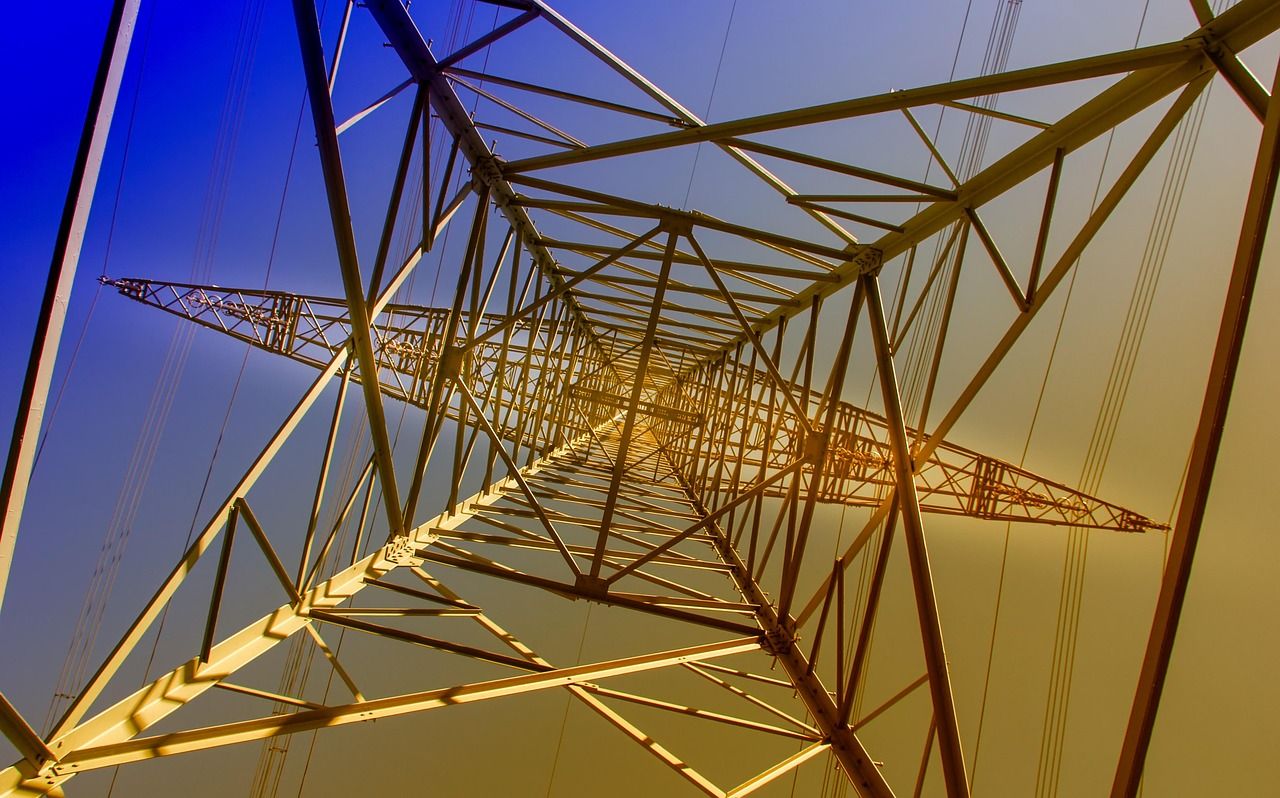
Hydrogen chloride is an acidic gas, highly soluble in water and corrosive to biological tissues and infrastructure.
Industrial sectors where HCl control is critical
Hydrogen chloride is not an atmospheric pollutant confined to a single industrial sector. Its presence extends across the entire heavy and process industry chain. In each sector, HCl appears with a specific origin profile, concentration range and regulatory framework that determines the appropriate monitoring strategy.
Hydrogen chloride control does not begin when the alarm sounds. It begins when the decision is made to monitor before the alarm becomes necessary.
Chemical industry
This sector is both a major producer and consumer of HCl. Hydrochloric acid production through direct synthesis, hydrogen combustion in chlorine, or as a byproduct of organic chlorination reactions generates high-concentration gas streams that must be captured, absorbed or neutralized prior to release. Hydrocarbon chlorination processes such as dichloromethane, chloroform or perchloroethylene synthesis produce HCl as an unavoidable coproduct. Fugitive emissions from piping networks, reactors and distillation columns represent a diffuse source of particular relevance within sector LDAR programs.
Petrochemical plants and refineries
In these facilities, HCl is mainly associated with crude oil desalting, catalytic reforming processes and hydrochloric acid alkylation systems. HCl-induced corrosion in atmospheric distillation equipment is one of the most frequent causes of unplanned shutdowns in refineries, making hydrogen chloride monitoring an asset integrity tool in addition to an environmental compliance requirement.
Waste incineration
This is the sector with the strictest HCl emission regulation in Europe. Municipal, hospital and industrial waste incineration plants are required to maintain HCl emissions below 10 mg/Nm³ as a daily average, with certified continuous monitoring systems under EN 14181. Variability in waste composition, particularly fluctuating PVC content, causes HCl concentrations in flue gases to vary significantly throughout the day, reinforcing the need for real-time detection systems that enable corrective action before regulatory non-compliance occurs.
Polymer production
Polyvinyl chloride (PVC) manufacturing involves the production of vinyl chloride monomer (VCM) from ethylene and chlorine, with HCl generated at multiple stages of the process. In many plants, recovered HCl is recirculated as a raw material or sold as a byproduct, adding a direct economic dimension to its control. Every kilogram of HCl emitted uncontrolled represents product not recovered. Production of chlorinated elastomers such as polychloroprene and chlorinated rubber follows a similar pattern, with diffuse emissions during synthesis and drying stages.
Hazardous waste treatment
Physicochemical hazardous waste treatment facilities frequently handle hydrochloric acid solutions in neutralization, precipitation and pH adjustment operations. Container opening, transfer and mixing operations involving acidic waste streams generate fugitive HCl emissions that are particularly difficult to characterize through spot sampling due to waste variability. Continuous perimeter monitoring is especially valuable here to detect emission episodes associated with specific operations and correlate them with plant activity logs.
Steel production with chemical treatments
In the steel industry, HCl is the reference pickling agent for cleaning cold-rolled steel, removing oxide scale before galvanizing, tin-plating or painting processes. Hot hydrochloric acid pickling lines generate HCl vapor emissions that must be captured using extraction hoods and treated in wet scrubbers before atmospheric release. Corrosion of production line equipment itself often serves as an indirect leak indicator that complements direct airborne HCl monitoring.
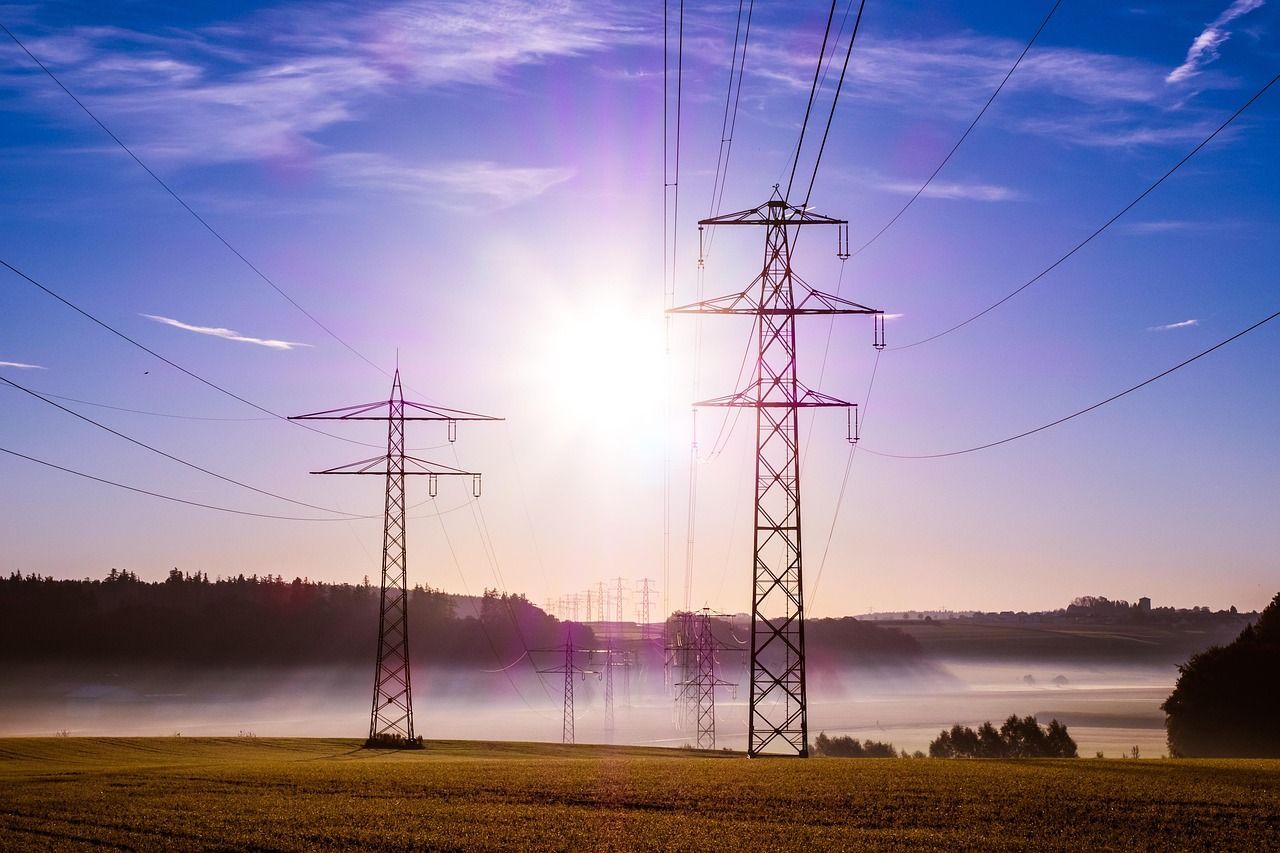
The hazardous nature of HCl lies in its ability to react immediately and aggressively with virtually any surface it contacts.
Frequently asked questions about hydrogen chloride (HCl)
What is hydrogen chloride and why is it dangerous?
Hydrogen chloride (HCl) is an inorganic chemical compound formed by one hydrogen atom and one chlorine atom. Under normal temperature and pressure conditions, it is a colorless gas with a sharp, irritating odor, denser than air, which tends to accumulate in low-lying areas and confined spaces in the event of an industrial leak. When dissolved in water, including the moisture in respiratory mucous membranes, it forms hydrochloric acid, one of the most corrosive strong acids known.
The hazard of HCl lies in its ability to react immediately and aggressively with virtually any surface it contacts. It attacks metals, causing accelerated corrosion, degrades concrete and construction materials, and destroys biological tissues upon contact.
In humid atmospheres, gaseous HCl reacts with water vapor to form acid aerosol mists, visible as dense white clouds, which increase the exposure area and complicate containment during a release.
What are the main sources of HCl emissions?
Hydrogen chloride is a pollutant of predominantly anthropogenic origin. Unlike other acidic gases such as SO2, its natural sources, volcanic eruptions or marine aerosols, represent a relatively minor share compared to the volume generated by industrial activity. The two main emission categories are the chemical industry and waste incineration, although its presence extends to other sectors with equally relevant risk profiles, such as the petrochemical industry.
The chemical industry is both a producer and emitter of HCl. Organic chlorination processes, including the synthesis of chlorinated solvents such as dichloromethane, trichloroethane or perchloroethylene, generate HCl as an unavoidable byproduct in each reaction cycle. PVC production is another major source. Vinyl chloride monomer (VCM), the precursor to PVC, is manufactured from ethylene and chlorine in a process where HCl is generated, recirculated and, in the event of failure or uncontrolled release, emitted to the atmosphere.
In refineries and petrochemical plants, HCl is associated with crude oil desalting and catalytic reforming processes, where chlorine from the catalyst is partially released during regeneration.
Incineration is the most strictly regulated HCl emission source in Europe, and for good reason. Combustion of waste containing chlorinated materials, particularly PVC, converts nearly all chlorine present into gaseous HCl. The EMEP/EEA Air Pollutant Emission Inventory Guidebook (2023) identifies waste incineration plants as a priority source of hydrogen halides in national emission inventories.
The three incineration waste streams with the highest potential for HCl generation are:
- Municipal solid waste, where chlorinated plastics, bags, packaging and PVC pipes are the primary contributors to HCl concentrations in flue gases.
- Hospital waste, including PVC medical materials such as IV bags, tubing and gloves, which generate particularly high concentrations when incinerated.
- Industrial waste containing chlorine, including chlorinated solvents, chemical process sludges and organic synthesis byproducts.
What does EPA Method 26 establish?
EPA Method 26, Determination of Hydrogen Halide and Halogen Emissions from Stationary Sources, Non-Isokinetic Method, is the official analytical procedure of the United States Environmental Protection Agency for the measurement of hydrogen halides and gaseous halogens in emissions from stationary sources. It is the technical reference required under numerous sectoral regulations within the Clean Air Act and the Code of Federal Regulations (40 CFR), including NESHAP standards for incinerators, chemical plants and combustion processes involving chlorinated materials.
Method 26 simultaneously quantifies two families of halogenated compounds in process or combustion gases:
- Hydrogen halides, HCl, HBr and HF.
- Gaseous halogens, Cl2 and Br2.
This multi-compound measurement capability within a single sampling campaign reflects the regulatory recognition that these pollutants share industrial origins and require integrated management as a chemical family.
Method 26 and continuous monitoring systems (CEMS) are not mutually exclusive, but complementary. Method 26 provides a high analytical precision snapshot measurement, validated by accredited laboratories, serving as the legal compliance reference and as a calibration and verification tool for CEMS.
What are the legal exposure limits for HCl?
HCl exposure limits are regulated in two complementary domains, the occupational field, protecting workers within the facility, and the environmental field, controlling external emissions to protect the public and the environment. Both frameworks operate in parallel and, in a properly managed installation, must be complied with simultaneously.
| Authority | Limit type | Value | Status |
| OSHA (U.S.) | PEL (Permissible Exposure Limit) | 5 ppm | Mandatory |
| NIOSH (U.S.) | REL (Recommended Exposure Limit) | 5 ppm | Recommended |
| NIOSH (U.S.) | IDLH (Immediately Dangerous to Life or Health) | 50 ppm | Emergency reference |
| ACGIH (U.S.) | TLV-C (Ceiling limit) | 2 ppm | Recommended best practice |
| EU-OSHA / Directive 2017/164/EU | OEL (Occupational Exposure Limit) | 8 mg/m³ (~5 ppm) | Mandatory in the EU |
The most restrictive value is the ACGIH TLV-C of 2 ppm, which, although not legally binding, is widely adopted as a best practice standard in international industrial hygiene. In the European Union, Directive 2017/164/EU sets a ceiling OEL of 8 mg/m³, equivalent to approximately 5 ppm, mandatory for all Member States.
A revealing fact highlights the narrow safety margin. Between the safe working TLV-C of 2 ppm and the emergency IDLH threshold of 50 ppm, there is only a factor of 25, a range that can be reached within seconds during an active leak.
Complying with HCl exposure limits is not a matter of intent, but of measurement capability. Without continuous and properly calibrated monitoring systems, it is impossible to demonstrate, to workers or authorities, that thresholds are respected at all times. In this sense, HCl monitoring is not the end of compliance, it is its starting point.
How is hydrogen chloride monitored in industrial environments?
Hydrogen chloride monitoring in industrial environments does not rely on a single technology or universal approach. The optimal strategy depends on the measurement objective, regulatory compliance, occupational safety, process control or perimeter surveillance, the facility characteristics and the HCl emission profile at each site. In practice, the most advanced facilities combine complementary technologies to address all these aspects simultaneously.
Electrochemical sensors
They represent the first detection line and are therefore the most widely used technology for field HCl detection, due to their balance between sensitivity, cost and operational robustness. Their working principle is based on HCl gas diffusion through a permeable membrane toward a three-electrode system, where an electrochemical reaction generates a current proportional to the concentration present. With resolutions down to 0.1 ppm and typical ranges from 0 to 50 ppm, they are suitable for workplace monitoring and perimeter leak detection.
Their compact format allows integration into fixed multiparameter stations, measuring HCl alongside other acidic gases such as HF, Cl2, SO2 or NH3, or into portable instruments for inspections and leak detection campaigns.
Continuous emission monitoring systems (CEMS)
For installations subject to the IED or NESHAP standards, continuous HCl stack monitoring using CEMS is often a regulatory requirement. These systems extract a continuous flue gas sample through a heated probe and analyze it in real time using high-precision technologies, including non-dispersive infrared spectroscopy (NDIR) and tunable diode laser spectroscopy (TDLAS).
CEMS generate a continuous, validated and auditable record that constitutes legally defensible evidence for environmental authorities and forms the basis for periodic compliance reporting.
Smart perimeter monitoring networks
Beyond controlled stack emission points, perimeter monitoring networks deploy multiple sensor stations along the facility boundary to detect HCl concentrations before they reach neighboring communities. Integration into IoT and cloud platforms enables real-time concentration mapping, correlation with meteorological data, triangulation-based source identification and tiered automatic alerts when thresholds are exceeded.
This approach transforms HCl monitoring from a periodic obligation into a continuous environmental intelligence tool, with fully traceable data accessible from any device for audit purposes.
LDAR programs: systematic control of fugitive emissions
For systematic control of fugitive HCl emissions from valves, flanges, joints, tanks and connections in facilities handling hydrochloric acid, LDAR programs provide a structured framework. These emission sources are often the most difficult to quantify and paradoxically among the most significant in cumulative volume. LDAR programs address this challenge through systematic inspection of all potential leak components, using portable HCl sensors, FTIR spectrometers or optical gas imaging cameras to locate, quantify and prioritize repair of active leaks.
Choosing between electrochemical sensors, CEMS or perimeter networks is not an either-or decision. Best practice consists of combining CEMS for regulatory stack compliance, perimeter electrochemical sensor networks for continuous environmental surveillance and portable instruments within LDAR programs for fugitive emission control. This three-level architecture comprehensively covers all HCl emission vectors within a complex industrial facility.
Conclusion: the strategic role of HCl control in modern industry
HCl is not a marginal risk or a secondary air pollutant. It is an acidic gas widely present in process industries, capable of causing serious harm to people, the environment and industrial assets within extremely narrow concentration margins.
However, the perspective has shifted. Hydrogen chloride is no longer merely a compliance cost to avoid penalties. The reactive approach is obsolete and, under increasing regulatory pressure, insufficient and non-competitive. HCl control has become a strategic management tool.
Leading organizations in sectors where hydrogen chloride is used or generated treat its monitoring as an investment that reduces operational risks, early detection of leaks and process deviations prevents unplanned shutdowns, equipment damage and safety incidents, provides protection against sanctions, optimizes processes by converting real-time data into operational intelligence that identifies inefficiencies and adjusts abatement systems, protects workers and nearby communities and strengthens corporate reputation.
Continuous monitoring solutions are no longer the exclusive domain of large facilities equipped with stack CEMS.
Today, modular and cost-efficient platforms such as Kunak AIR enable deployment of intelligent HCl detection networks, and of the entire hydrogen halide family, at a fraction of historical costs, with auditable cloud-based data and seamless integration into existing environmental management systems.
 Remediation air monitoring: real-time emissions control and compliance
 PM10 measurement in coarse particle environments: why sensor technology matters
 Urban traffic emissions monitoring: advanced air quality control for sustainable mobility
 LDAR: smart detection and repair of industrial leaks
 Ultrafine particles (UFP): the invisible pollutant threatening air quality