Oxygen (O2) is the most critical safety parameter to measure in industrial environments involving confined spaces, combustion processes, biogas generation or waste treatment. Its normal concentration in ambient air is 20.9%, but any deviation (deficiency or enrichment) can create oxygen-deficient or explosive atmospheres within seconds.
Continuous measurement of O2 in industrial processes, using electrochemical sensors and multiparameter stations, is now an operational and regulatory requirement in facilities subject to regulations such as the ATEX Explosive Atmospheres Directives (2014/34/EU and 1999/92/EC), the Industrial Emissions Directive 2010/75/EU (IED), or confined space standards from Spain’s National Institute for Safety and Health at Work (INSST). This article explains what oxygen is, how it behaves in industrial environments, and which monitoring technologies ensure safe atmospheres and efficient processes.
Dangerous oxygen levels are not theoretical. They occur when that 20.9% concentration in ambient air disappears and no one is measuring it.
In 2005, at the Valero refinery in Delaware City (Delaware, USA), oxygen levels dropped below 1% inside a reactor during a nitrogen purge. Within seconds, two workers died from asphyxiation inside. The first entered to retrieve adhesive tape, the second attempted to rescue him. There was no warning inside the reactor about oxygen-deficient atmospheres, nor any pre-entry atmospheric measurement. The outcome, without an industrial oxygen detector, was fatal, as confirmed by the official investigation of the U.S. Chemical Safety Board (CSB).
Oxygen does not warn when it is missing. This makes it one of the most critical and underestimated parameters in industrial environments. A drop of just a few percentage points from normal ambient levels completely changes the risk scenario. Below 19.5%, the space becomes oxygen-deficient according to OSHA standards; above 23.5%, ignition risk increases sharply.
Air Quality Innovation in Just 1 Click
Stay informed about the air you breathe!
Subscribe to our newsletter to receive the latest updates on environmental monitoring technology, air quality studies, and more.
The solution lies in multiparameter stations that enable real-time O2 monitoring through traceable and reliable data. In industrial processes such as combustion, biogas production or municipal solid waste treatment, real-time O2 monitoring is not a technical option, it is essential to operate safely and efficiently.
What is oxygen (O2)?
O2 is not just another gas, it is the ultimate oxidiser. It is responsible for combustion and for engines functioning. O2 is the dominant oxidising agent in terrestrial chemistry and a critical control parameter in any industrial process involving combustion, controlled atmospheres or confined space operations. Understanding O2 at a physicochemical level allows correct interpretation of what an industrial oxygen sensor measures, enabling informed operational decisions.
Physical and chemical properties of O2
Oxygen exists as a diatomic gas (O2 molecule), colourless, odourless and tasteless under normal conditions. Each oxygen atom contains 8 protons and, in its neutral state, 8 electrons, giving it atomic number 8 in the periodic table.
It is the third most abundant element in the universe and the most abundant in Earth’s crust. Its high electronegativity makes it the dominant oxidising agent in terrestrial chemistry, as it is capable of reacting with almost all known elements and their compounds. In these reactions, it releases energy as heat (combustion) or gradually degrades materials, causing oxidation and environmental corrosion. It is also a critical control parameter in any industrial combustion process, representing a risk factor that must be measured and monitored precisely.
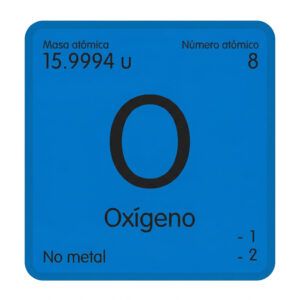
O2 is the dominant oxidising agent in terrestrial chemistry and a critical control parameter in any industrial process involving combustion, controlled atmospheres or confined space work.
Natural concentration in the atmosphere
In dry air at sea level, O2 represents 20.95% by volume. This is the well-known “20.9%” used as a universal reference in industrial safety. The remaining 78% is mainly nitrogen, with traces of argon, CO2 and other gases.
By volume, dry air in Earth’s atmosphere contains approximately 78.08% nitrogen, 20.95% oxygen and 0.93% argon. NASA Science.
This balance, however, is not stable in confined or industrial environments. In confined spaces, fermentation chambers, purged reactors or areas with active oxidation processes, O2 concentration can deviate significantly from this reference value (either deficiency or enrichment) without any human sense detecting it.
That is precisely the trap. “Normal” air has no smell, no colour, and no noticeable taste difference when oxygen is missing. The only way to know the oxygen concentration in a space is to measure it.
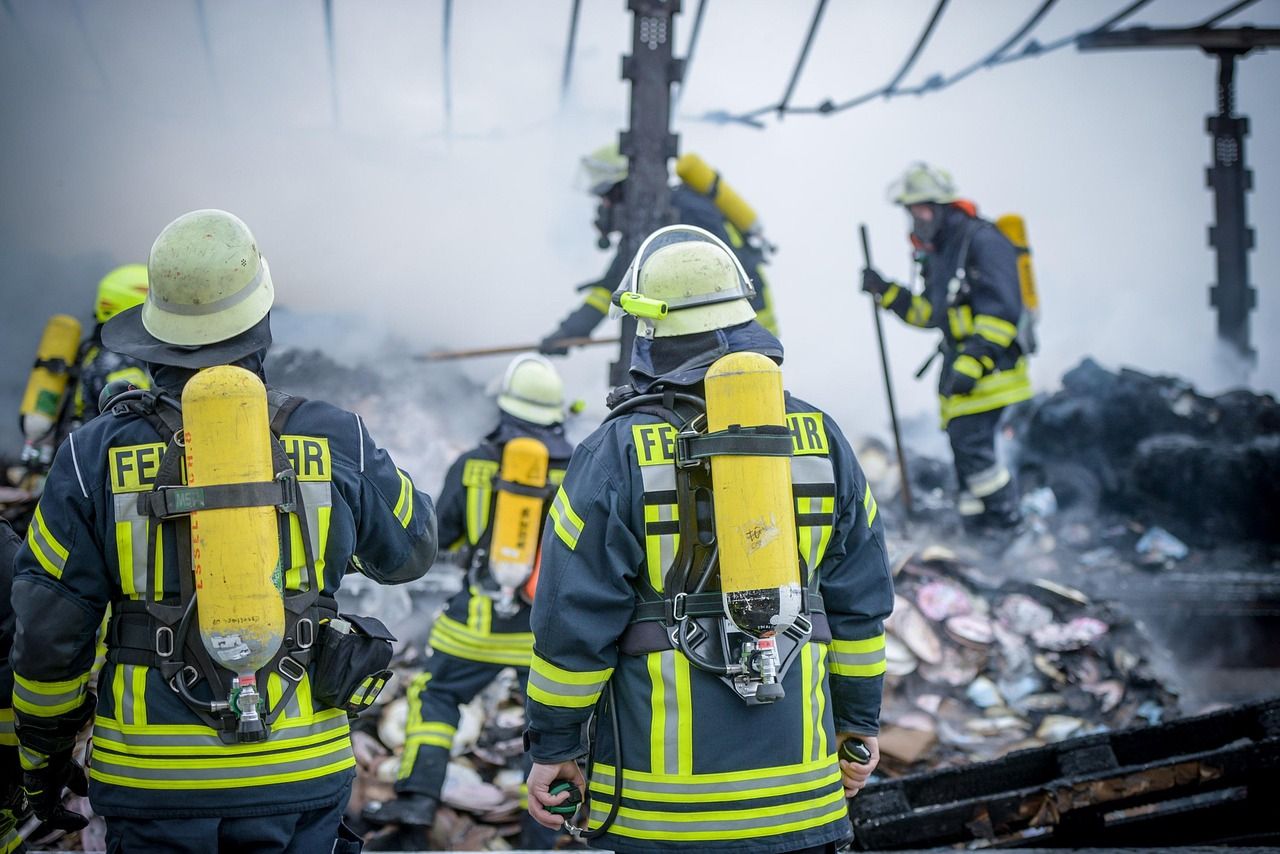
Oxygen measurement is part of perimeter environmental monitoring in industrial facilities at risk of inert or flammable gas leaks.
Why measuring oxygen in industrial environments is critical
Oxygen is the only gas whose absence or excess are equally dangerous. Most hazardous industrial gases have toxicity thresholds, characteristic odours or detectable signals. O2 does not. There is no sensory warning when it is missing or excessive. That is why oxygen measurement in confined spaces is not an additional safety layer, it is the only way to know what is in the air before it is too late.
Risk of oxygen-deficient atmospheres
The OSHA 29 CFR 1910.146 standard defines an oxygen-deficient atmosphere as any space with O2 concentration below 19.5% by volume. However, the legal threshold is not the same as the safety threshold. From 19.5%, early physiological symptoms (fatigue, dizziness, reduced concentration) may appear, compromising self-evacuation capability.
The most common causes of industrial oxygen deficiency are displacement by inert gases (nitrogen, argon, CO2) during purging processes, or consumption by biological processes such as fermentation and aerobic decomposition.
Risk of oxygen enrichment
The danger is not only from deficiency. Above 23.5% by volume, OSHA defines the atmosphere as oxygen-enriched, and conditions change dramatically. In such environments, the autoignition temperature of materials decreases, materials burn intensely, and any ignition source, however small, can trigger a rapidly spreading fire. Clothing, hair and equipment contaminated with grease or oil become active fuel. No flame is needed, a static spark is enough.
Leaks in medical, cryogenic or industrial oxygen systems are the most common cause of oxygen enrichment in confined spaces, and all are imperceptible without environmental oxygen monitoring.
Safety in confined spaces
Confined spaces combine two amplified risks: limited ventilation, gas accumulation from internal processes, and restricted access that hinders evacuation. According to the INSST (Technical Note NTP 223), these are high-risk environments where oxygen deficiency is a leading cause of fatality.
A confined space is any space with limited entry and exit openings and unfavourable natural ventilation, where toxic or flammable contaminants may accumulate, or where an oxygen-deficient atmosphere may occur, and which is not designed for continuous worker occupancy.
The most critical environments in industrial facilities include:
- Tanks and reactors: nitrogen or argon purging can deplete O2 to lethal levels within seconds.
- Sewer networks: organic matter decomposition consumes oxygen while generating CO2 and H2S.
- Biogas digesters: continuous CH4 and CO2 production displaces O2 in maintenance access areas.
- Technical chambers and underground galleries: poor or absent ventilation promotes accumulation of gases heavier than air.
In all these environments, continuous O2 measurement before and during entry is not optional. Environmental oxygen monitoring is the first requirement of any safe work procedure in confined spaces under current European and Spanish regulations.
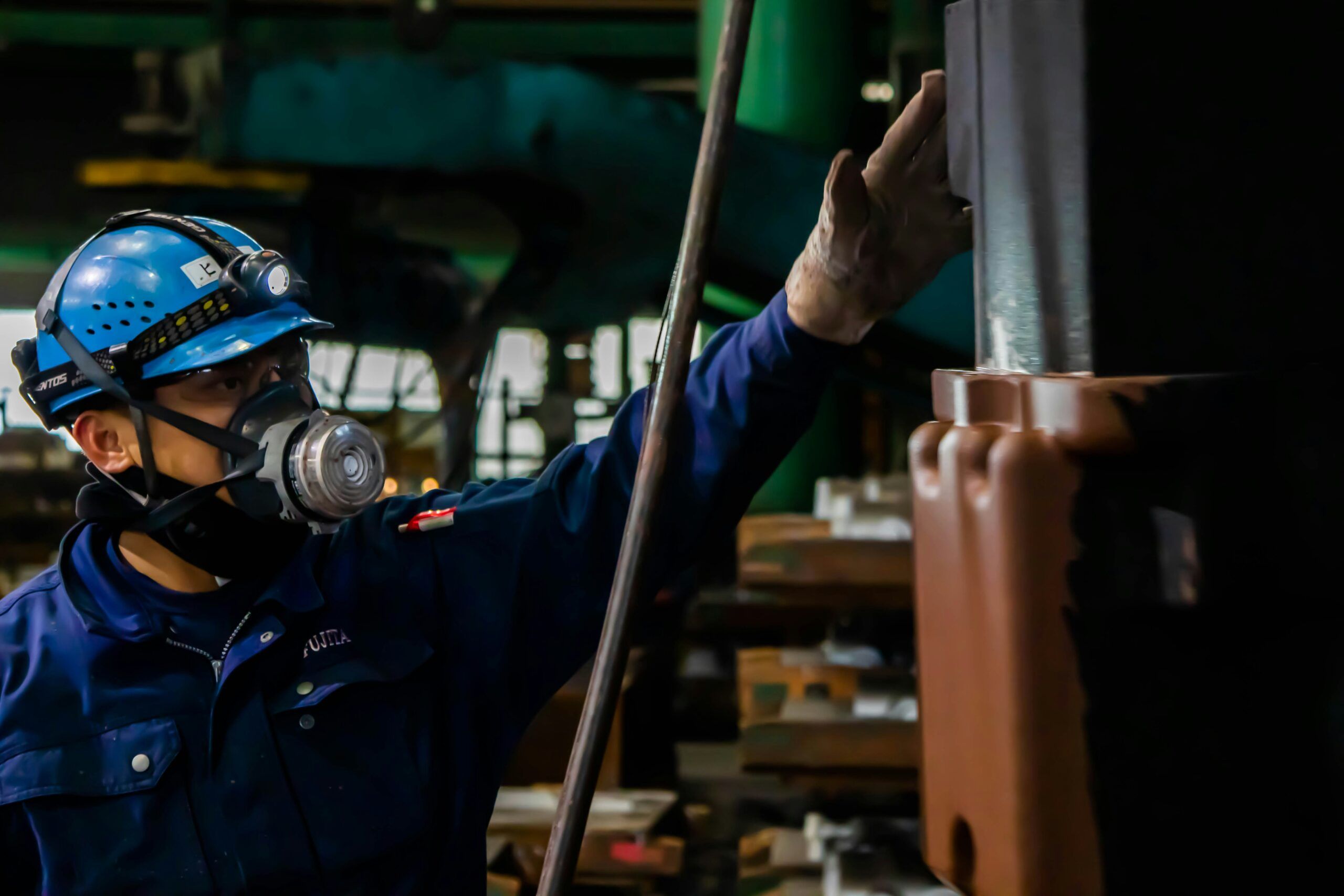
Safety limits for oxygen in ambient air are based on physiological thresholds defined in international regulations after decades of research on acute hypoxia effects in workers.
Dangerous oxygen levels and regulatory limits
Safety limits for oxygen in ambient air have not been set arbitrarily. They reflect physiological thresholds codified in international regulations after decades of research into the effects of acute hypoxia in workers. Understanding them is a prerequisite for correctly calibrating alarm systems and defining response protocols in any industrial plant.
Definition of an oxygen-deficient atmosphere
The most widely used international regulatory reference is OSHA 29 CFR 1910.146, which defines an oxygen-deficient atmosphere as any space with an ambient O2 concentration below 19.5% by volume at sea level. Above 23.5%, the atmosphere is considered oxygen-enriched, with a high risk of fire and spontaneous ignition. The safe operating range is therefore defined between these two thresholds: 19.5% to 23.5%.
However, it is important to note that the 19.5% limit does not mean the absence of risk. It is the point at which regulations require action to be taken. Physiological effects begin to appear before this threshold is crossed, especially in workers performing strenuous physical effort or remaining under prolonged exposure.
International reference values
The main regulatory bodies agree on the core thresholds, although with slight differences in how they are applied:
| Organisation | Deficiency limit | Enrichment limit | Reference document |
|---|---|---|---|
| OSHA (USA) | < 19.5% | > 23.5% | 29 CFR 1910.146 |
| NIOSH (USA) | < 19.5% | > 23.5% | NIOSH pocket guide |
| IDLH OSHA | < 16.0% | , | 29 CFR 1910.134 |
| EIGA (Europe) | < 19.5% | > 23.5% | DOC 044 |
| AS/NZS 2865 (Australia) | < 19.5% | > 23.5% | Confined spaces standard |
This convergence across regulatory bodies is not accidental. They all take as their reference the partial pressure of O2 in the pulmonary alveoli (approximately 100 mmHg), below which haemoglobin desaturation begins and the first symptoms of hypoxia appear.
With regard to standards specific to O2 concentration in confined spaces, EN 50271 and EN 60079-29-2 are available, European standards for gas detectors and equipment used in potentially explosive atmospheres.
Physiological effects by concentration
A drop in O2 does not produce linear effects, there are critical thresholds at which the ability to self-evacuate is lost before the worker is even aware of the danger. This is why continuous oxygen measurement in confined spaces and an early warning alarm system are irreplaceable.
| O2 concentration | Physiological effects |
|---|---|
| 20.9% | Normal concentration in air |
| ≥ 19.5% | No observable adverse effects |
| < 17.0% | Reduced night vision, increased heart rate, fatigue under exertion |
| < 16.0% | Dizziness, increased reaction time, first signs of anoxia |
| < 15.0% | Cognitive impairment, loss of coordination, severely impaired judgement |
| < 12.0% | Loss of muscular control, possible permanent heart or brain damage |
| < 10.0% | Inability to move, nausea, loss of consciousness |
| < 6.0% | Gasping respiration, convulsions, death within 5 to 8 minutes |
In light of these levels, the most relevant figure from an operational point of view is the 15 to 16% threshold. This is the concentration below which the worker can no longer make correct decisions or evacuate unaided, yet may not perceive any clear bodily warning signs. This is the definitive technical argument for continuous ambient oxygen monitoring.
By the time the body gives a warning, it is already too late to act.
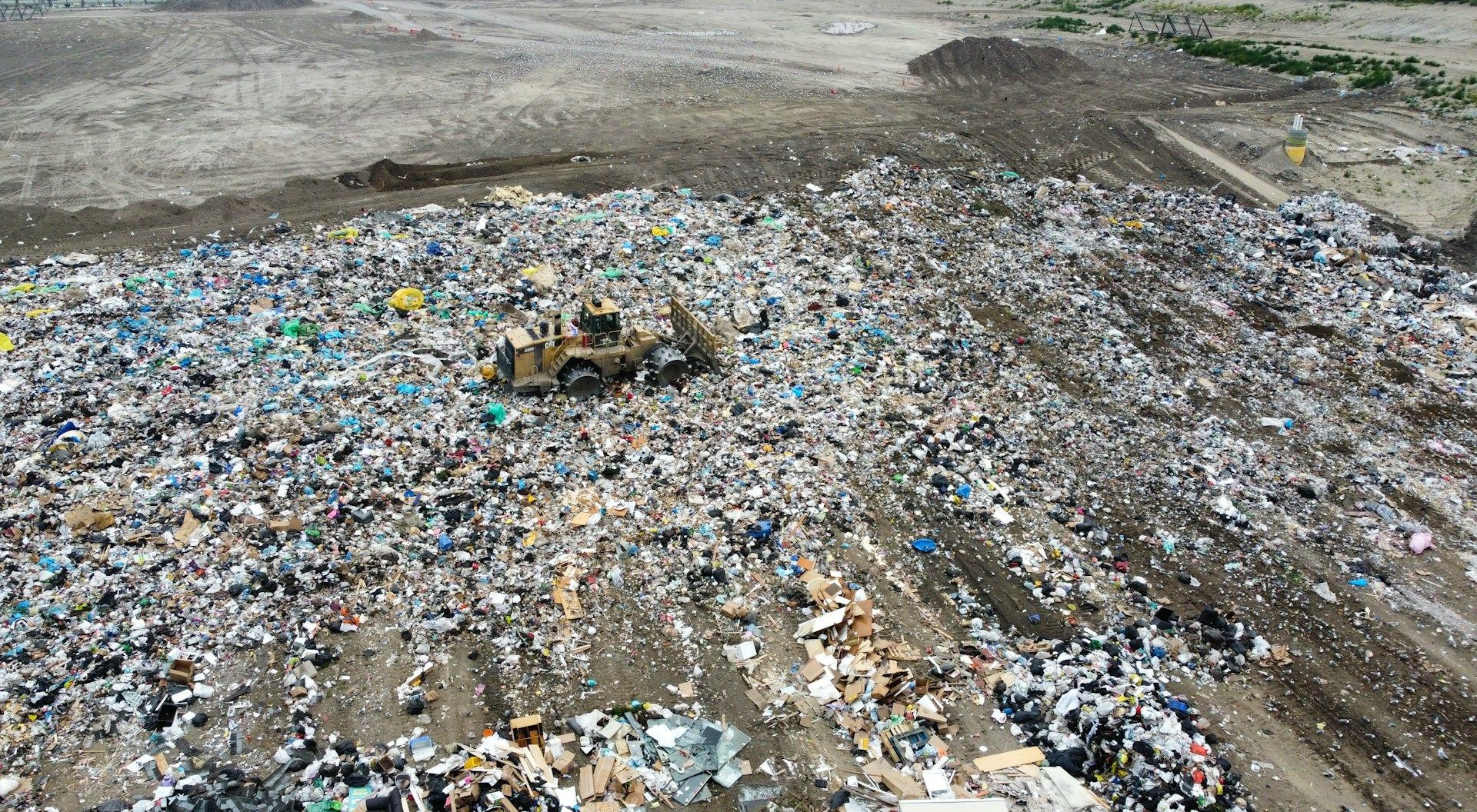
Ambient oxygen monitoring is the first requirement of any safe work procedure in a confined space under current European and Spanish regulations.
Applications of oxygen measurement with multiparameter stations
Spot measurement of oxygen in ambient air using a portable detector before entering a confined space has, for decades, been the operational standard in industry. But this measure is no longer sufficient. Modern industrial processes require continuous, traceable data correlated with other parameters. For example, an isolated O2 value does not explain whether the deficiency is due to a nitrogen purge, active biological fermentation, or a leak in an inert gas line.
Multiparameter stations such as Kunak AIR Pro and AIR Lite make it possible to monitor ambient oxygen together with other relevant gases (CO2, CH4, H2S, VOCs) in real time, providing traceable data and configurable alerts by threshold. This advanced control radically changes both response capability and the quality of operational diagnosis.
Oxygen measurement in confined spaces
This is the most critical and most regulated application. Before entering a confined space, whether a tank, chamber, gallery, digester, etc., regulations require verification that the ambient O2 concentration is between 19.5% and 23.5%. But verification before entry does not eliminate the risk during the job, as an active process may reduce the oxygen present within minutes while the worker is still inside.
Continuous ambient oxygen monitoring through multiparameter stations addresses exactly this scenario. The system not only alerts if oxygen drops below the threshold, but also records the time trend and allows a gradual decline to be detected before it reaches the critical limit.
Oxygen control in biogas plants
In industrial biogas facilities, oxygen is the silent enemy of the process. Methanogenic bacteria, responsible for methane production, are strictly anaerobic. This means that any presence of oxygen, even in trace amounts, inhibits their activity and reduces digester performance. An increase in oxygen in biogas is also a direct sign of a structural leak in the digester or air ingress into pumps and compressors. Continuous monitoring of O2 together with CH4 and CO2 makes it possible to detect these anomalies in real time, without manual sampling or delayed laboratory analysis.
Industrial combustion optimisation
In combustion processes, industrial furnaces, boilers and burners, control of excess air is the determining factor for achieving energy efficiency and emissions control.
Excess oxygen in flue gases indicates surplus air that has been heated without contributing to combustion, with the resulting energy loss. Insufficient O2 indicates incomplete combustion, CO formation and the emission of unburned hydrocarbons.
Monitoring in landfills and waste treatment
In active landfills and municipal solid waste treatment plants, oxygen is a key indicator of the state of biological degradation. During the initial aerobic decomposition phase, oxygen is rapidly consumed. As the process moves towards anaerobic conditions, biogas containing CH4 and CO2 is generated, displacing the residual O2.
In composting plants, continuous O2 monitoring داخل piles makes it possible to optimise the aeration strategy in real time, reducing energy consumption and avoiding both anaerobic conditions and overheating, with response times of less than 2 seconds.
The integration of O2 with other parameters such as CH4, H2S and temperature in a single multiparameter monitoring station provides a complete process diagnosis without the need for multiple independent devices.
Environmental surveillance in industrial plants
Beyond confined spaces and production processes, oxygen measurement forms part of perimeter environmental surveillance in industrial facilities with a risk of inert or flammable gas leaks. A localised drop in O2 outside a reactor or near a nitrogen line is an early warning signal of a leak before levels reach dangerous thresholds in work areas.
In these situations, Kunak AIR Pro and AIR Lite act as continuous multiparameter surveillance stations. They integrate O2 measurement with other relevant gases (CO, NO2, H2S, VOCs) in a single connected device, with real-time data accessible from a cloud platform and automatic alert capability for configurable thresholds. Data traceability and integration into SCADA systems or reporting platforms turn ambient oxygen monitoring into an operational asset, not merely a compliance requirement.
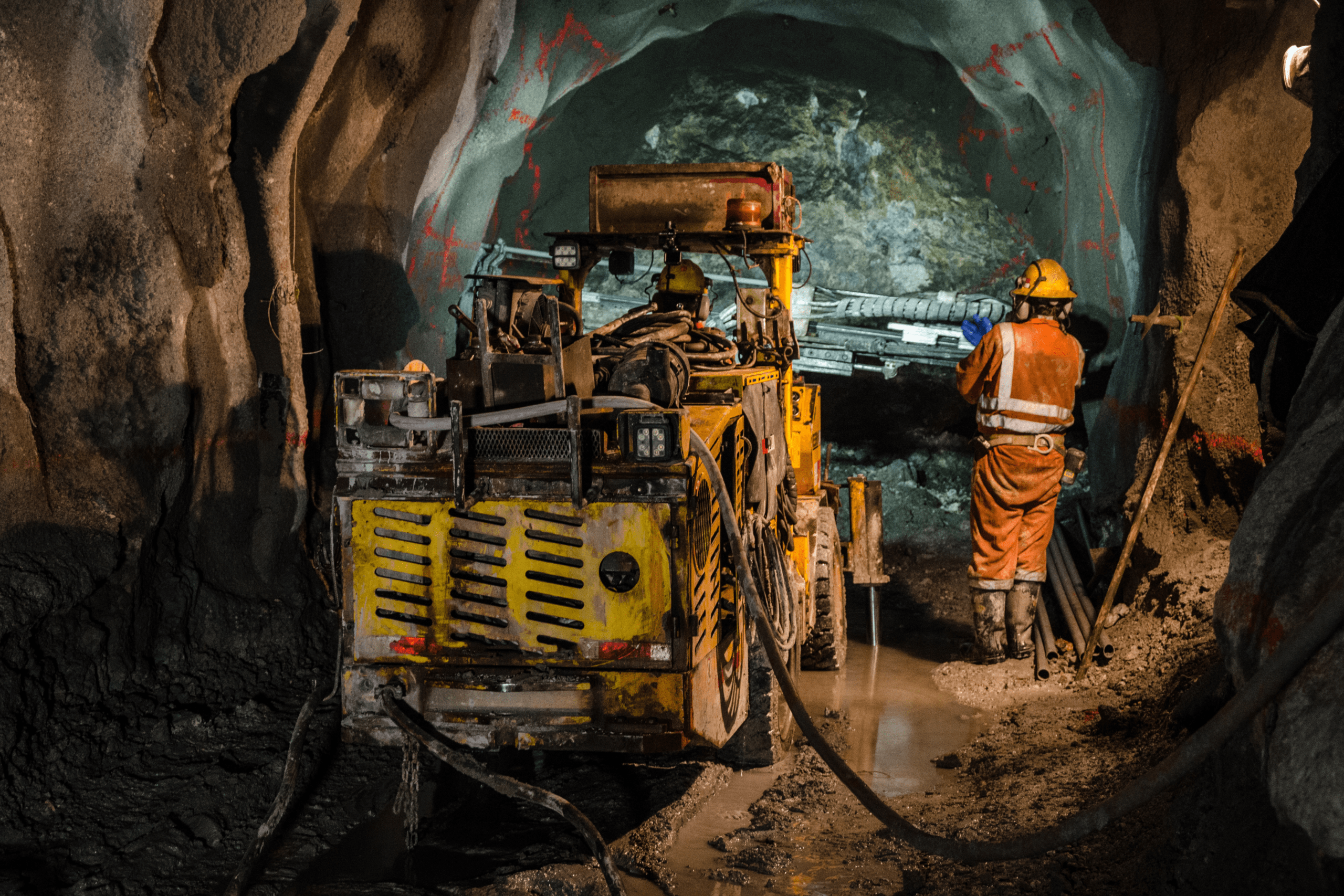
Oxygen in confined spaces can create oxygen-deficient or explosive atmospheres within seconds.
Environmental surveillance in underground mines
Underground mines are one of the harshest environments for oxygen management. Methane accumulation, here described in the source as a gas lighter than air, displaces oxygen in poorly ventilated areas, especially in roof cavities and working faces. The MSHA (Mine Safety and Health Administration) explicitly warns that the consequences of entering an oxygen-deficient atmosphere can be so immediate that withdrawal to a safe area becomes impossible.
Underground mines are the industrial environment where continuous monitoring of O2, together with CH4 and CO, through multiparameter monitoring stations goes beyond operational improvement. It is the only reliable early warning mechanism before the atmosphere reaches lethal ambient oxygen concentrations. Mining regulations require continuous gas measurement at active faces, but integrating all parameters into a single connected device, with data accessible in real time from the surface, provides a level of supervision and response capability that individual portable detectors cannot match.
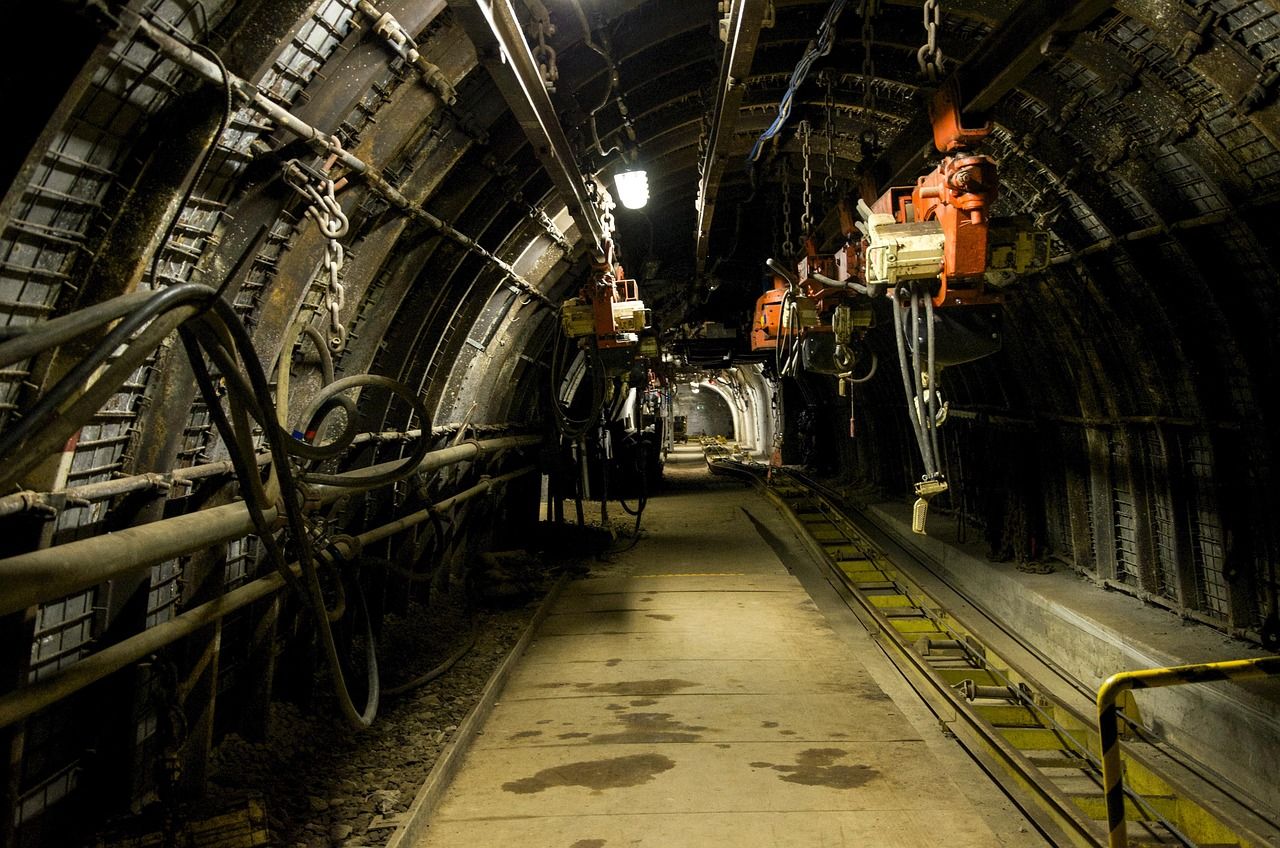
Continuous O2 measurement in industrial processes, using electrochemical sensors and multiparameter stations, is now an operational and regulatory requirement.
Environmental surveillance in tunnels
In road and railway tunnels, the oxygen issue has a double dimension. It affects the safety of maintenance personnel working inside, exposed to atmospheres with combustion gas accumulation, CO and NOx, and at the same time affects air qualityAir quality refers to the state of the air we breathe and its composition in terms of pollutants present in the atmosphere. It is considered good when poll...
Read more for users during congestion or incidents involving prolonged vehicle stoppages.
The European reference standard for air quality measurement in road tunnels is ISO 23431:2021 (Measurement of Road Tunnel Air Quality), which is the official ISO reference for measuring CO, NO, NO2 and visibility in tunnels.
In addition, the European standard EN 50545-2 (CENELEC) is in the process of adoption. It establishes the functional and testing requirements for gas sensors installed in car parks and road tunnels, including extreme temperature conditions, accumulated contamination and long-term drift.
During maintenance, inspection or emergency response work inside the tunnel, O2 measurement becomes a personal safety parameter equivalent to that of any confined space: limited ventilation, possible accumulation of dense gases and restricted evacuation access. Integrating O2 with CO, NO2 and particulate matter in a multiparameter station also makes it possible to correlate air quality with the condition of the ventilation system, optimising its operation and reducing the associated energy consumption.
Oxygen measurement technology in environmental stations
Not all ambient oxygen data are the same. A value may be accurate, traceable and comparable with reference measurements, or it may be a reading distorted by interference, sensor drift or uncompensated environmental conditions. In industrial applications where a fraction of a percentage point can make the difference between a safe atmosphere and an oxygen-deficient zone, data quality is more than a technical detail, it is the core of the system.
Electrochemical sensors for O2
The operating principle of an electrochemical oxygen sensor is based on its simplicity: the O2 present in the gas sample is reduced at the cell cathode, generating an electrical current proportional to its concentration. No moving parts, no light sources, no complex reference systems. That simplicity is precisely what has made them the dominant technology for O2 measurement in industrial environmental stations. They combine all the advantages: fast response (under 15 seconds in standard configurations), low power consumption, compact format and manageable operating cost compared with alternatives such as paramagnetic or zirconia sensors, which are reserved for high-precision in-line process applications.
Their most relevant limitation in complex industrial environments is cross-interference. Certain gases such as CO, NO, H2S or Cl2 can generate signals that distort the oxygen reading if the sensor does not include specific filters for the gas matrix of the process. Selecting the right sensor for each application, with certification specific to the environmental conditions, is the first critical decision in the design of any O2 monitoring system.
Interference correction and data traceability
Installing an ambient oxygen sensor is not enough. Operationally useful oxygen data are data that have been corrected for temperature, relative humidity and possible interference from other gases present in the same atmosphere. The most robust current approaches combine physical filters in the sensor itself with multivariable correction algorithms that use data from the other channels in the same station to refine the signal. This strategy, inherent to multiparameter stations, is a structural advantage over standalone sensors. Information from CO2, CH4 or VOCs measured simultaneously actively improves the quality of the O2 data obtained.
The next level of requirement is traceability. Data are traceable when they can be linked to an unbroken chain of comparisons with certified reference standards, with quantified uncertainty at each step. Without traceability, ambient oxygen data may be operationally useful to trigger an alarm on site, but they are not valid for a regulatory report, environmental audit or procedures involving legal liability.
Integration into real-time monitoring networks
The real strength of a multiparameter station such as Kunak AIR Pro and AIR Lite does not lie in the individual sensor. It lies in the integration of multiple parameters into a single connected device, with data accessible in real time from a cloud platform and with the capacity to correlate variables. In industrial monitoring networks, this makes it possible to detect patterns that an isolated sensor would never identify. For example, a gradual drop in O2 correlated with a rise in CH4 points to a leak in a digester; the same drop correlated with CO2 may indicate active fermentation in a poorly ventilated space.
For the data generated by these independent sensor networks to be recognised as valid, comparable with reference measurements, auditable and of regulatory value, they must meet requirements for documentation, traceability and methodological transparency precisely described in the Data Generating Process (DGP) framework. Without that level of rigour, a sensor network produces data that are neither comparable across networks nor auditable, and its operational value is limited to local alarms.
A recent framework for evaluating the quality of data generated by independent sensors is the one proposed by Diez et al. (2025), which establishes a Data Generating Process (DGP) classification to distinguish Independent Sensor Measurements (ISM) from other data products, placing the focus on transparency, traceability and comparability with reference measurements as essential requirements for their regulatory and scientific validity.
Diez et al. (2025) define a DGP framework that distinguishes independent measurements and establishes transparency, traceability and comparability as validity criteria.
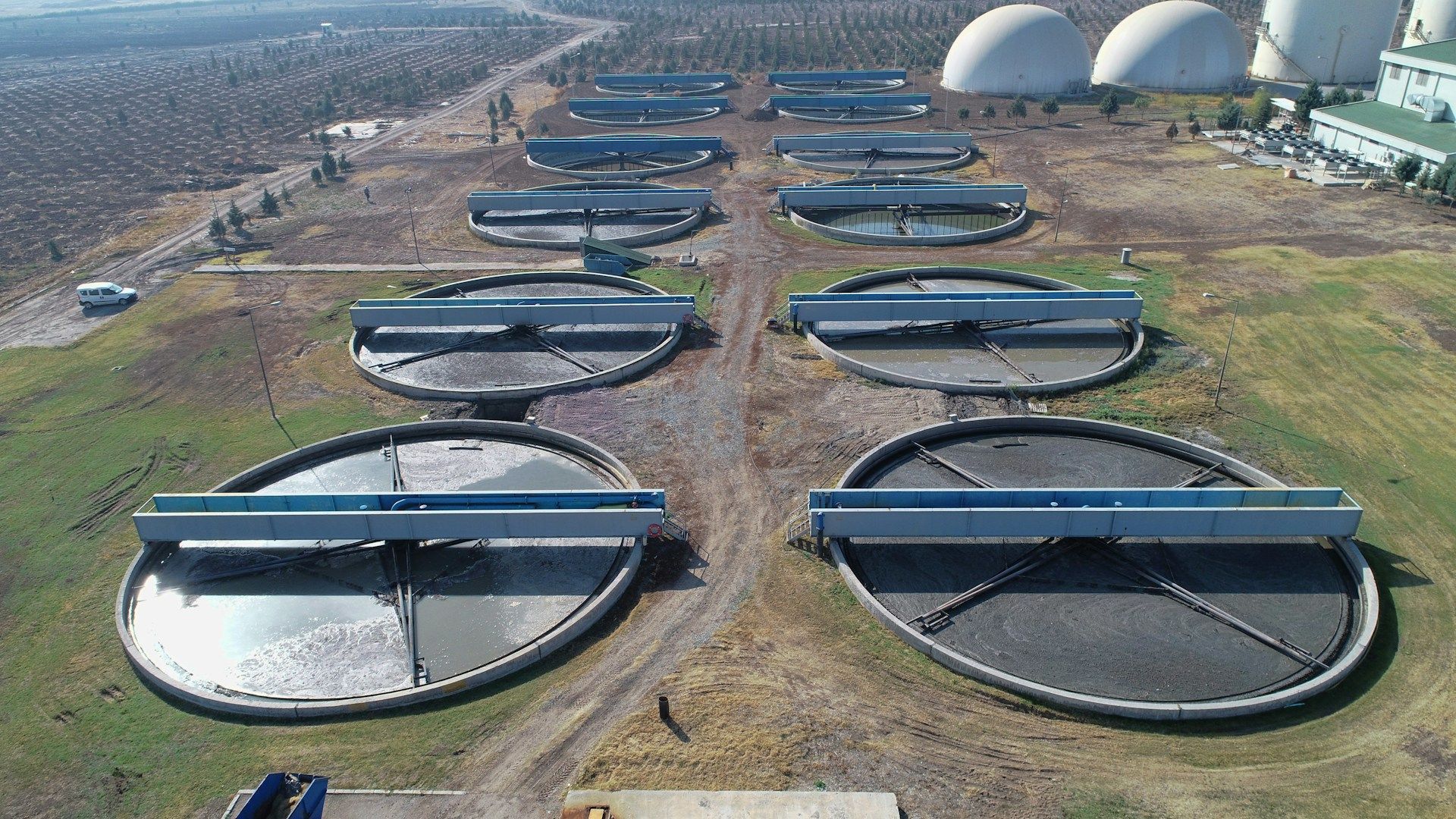
Oxygen is the only gas whose absence or excess are equally dangerous.
Frequently asked questions about oxygen measurement
What is the normal oxygen level in air?
The concentration of oxygen in dry air at sea level is 20.95% by volume, commonly rounded to 20.9% in technical and regulatory documents. This value corresponds to clean, uncontaminated air conditions and is the universal reference used to calibrate ambient oxygen sensors and define alarm thresholds in industrial environments.
At what percentage does oxygen become dangerous?
Two critical thresholds have been established: below 19.5% the atmosphere is considered oxygen-deficient and requires immediate action; above 23.5% it is considered oxygen-enriched, with a high risk of ignition and fire spread. Outside that range, any work in the affected space requires respiratory protection and active emergency protocols.
Why is it mandatory to measure O2 in confined spaces?
Because oxygen does not produce any sensory warning when it is missing. An atmosphere with 14% oxygen smells, looks and feels exactly the same as normal air, until the worker loses coordination and can no longer evacuate unassisted. Continuous ambient oxygen measurement is the only reliable detection mechanism before entry and throughout the entire time spent in the space.
How does an electrochemical oxygen sensor work?
An electrochemical oxygen sensor works like a small fuel cell. Inside it, three electrodes immersed in electrolyte are separated from the outside by a gas-permeable membrane. When oxygen passes through that membrane and reaches the cathode, it is electrochemically reduced. The reaction generates an electrical current proportional to the O2 concentration. The system converts that into a percentage-by-volume value transmitted in real time.
Its field reliability depends on three factors:
- Temperature: it affects reaction speed and requires thermal compensation.
- Humidity: it alters membrane permeability.
- Electrolyte lifetime: it is progressively consumed and requires periodic calibration.
A well-maintained and calibrated sensor is especially sensitive to low oxygen concentrations, which is exactly the most critical scenario in confined spaces.
The main operational advantage of this technology, besides its robustness and low cost, is that the sensor actively consumes O2 during measurement, which makes it especially sensitive at low concentrations, mirroring the most critical industrial scenario in confined spaces and oxygen-deficient atmospheres.
Can a multiparameter station measure oxygen together with other gases?
Multiparameter stations such as Kunak AIR Pro and AIR Lite not only measure oxygen, they contextualise it. A drop in oxygen correlated at the same time with an increase in CH4 points to a leak in a digester; the same drop together with CO2 may indicate active fermentation. That real-time correlation turns an alarm into a diagnosis, and a diagnosis into an informed operational decision.
Conclusion: from sensor to traceable data, this is how a safe atmosphere is controlled
Oxygen measurement in industrial environments is not an additional safety layer activated when everything else fails. It is the most basic and most critical control parameter in any industrial process involving confined spaces, combustion, fermentation or the handling of inert gases. And yet it remains the most underestimated, because oxygen is an invisible, odourless and silent gas until the damage is already done.
Detecting in time an oxygen-deficient atmosphere, below 19.5%, or an oxygen-enriched one, above 23.5%, prevents serious accidents and also makes it possible to comply with the most demanding international regulatory frameworks. In addition, it turns ambient oxygen control into an argument for operational efficiency, through fewer unplanned shutdowns, optimised combustion processes and digesters operating under ideal conditions.
Integrating ambient oxygen measurement into multiparameter stations such as Kunak AIR Pro and AIR Lite adds industrial environment analysis, a dimension that a standalone sensor can never provide. An oxygen value correlated in real time with CH4, CO2, H2S or VOCs is more than an alarm, it is a diagnosis.
A diagnosis based on traceable, continuous and auditable data is exactly what distinguishes a reactive industrial operation from an intelligent one.
20.9% does not manage itself. It must be monitored, understood and controlled, before it stops being there.
 PM10 measurement in coarse particle environments: why sensor technology matters
 Urban traffic emissions monitoring: advanced air quality control for sustainable mobility
 LDAR: smart detection and repair of industrial leaks
 Ultrafine particles (UFP): the invisible pollutant threatening air quality
 Impact of agriculture and livestock farming on air quality: management of agricultural and livestock emissions