
LDAR (Leak Detection and Repair) systems are advanced technical programs designed to detect industrial fugitive emissions. Their purpose is to identify and repair invisible losses of gases or vapours in critical industries such as the chemical, petrochemical and energy sectors. These leaks typically originate from valves, flanges, tanks or process equipment. Even when small, they can result in plant performance degradation, product loss causing economic damage, safety risks (fires and explosions) and environmental penalties due to increased atmospheric emissionsAtmospheric emissions are pollutants emitted into the air, mainly as a result of human activities such as industry, transport by combustion vehicles and en...
Read more that exceed applicable regulatory limits.
These systems are based on methodologies such as EPA Method 26 for the measurement of hydrogen halides and halogens. They deliver tangible value by combining regulatory compliance, operational cost reduction and improved industrial safety through continuous and predictive monitoring.
In this article, we analyse why LDAR systems are essential for modern industry, which industrial sectors are legally required to implement a full LDAR program, the regulatory framework involved and the continuous monitoring technologies with advanced sensors used to detect fugitive emissions.
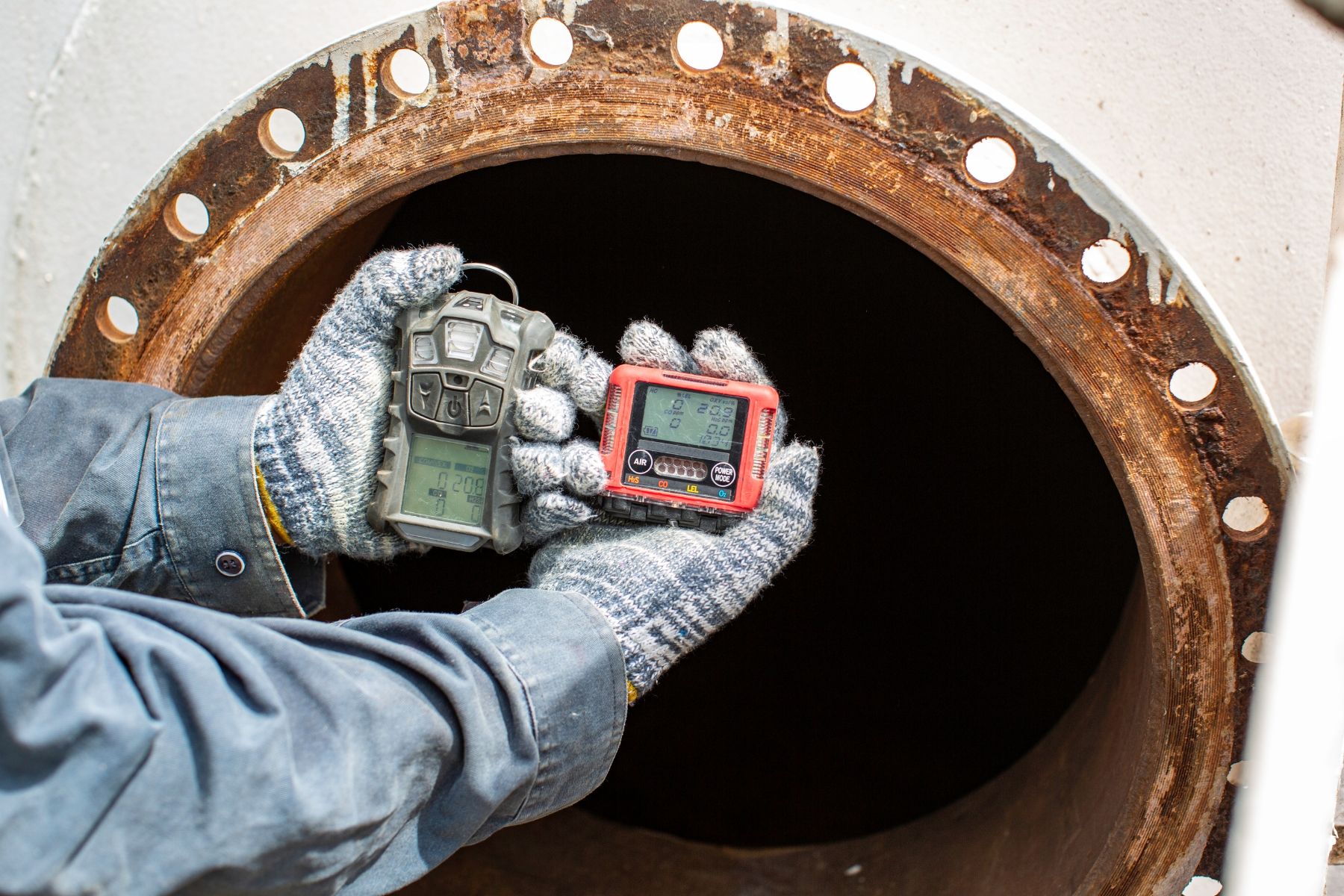
Industrial sensors for LDAR systems operate according to the compound to be detected, the required sensitivity, and the conditions of the environment being analysed.
What is an LDAR system and why is it key in modern industry?
An LDAR system is a technical and management program structured to locate, quantify and repair industrial fugitive emissions. System traceability makes it possible to demonstrate, with objective evidence, that each leak has been measured, corrected and verified.
In critical industries such as the chemical, petrochemical and energy sectors, its implementation is essential because it transforms a diffuse and invisible problem distributed across hundreds of simultaneous process points into a controlled and traceable management cycle. This enables equipment prioritisation, product loss reduction, operational risk mitigation and support for regulatory compliance and ESG commitments.
For fully compliant facilities, LDAR programs with three inspections per year reduced detected emission sources by 51 percent in practice, compared to 67.7 percent predicted in simulations. Wilde, S. E., Tyner, D. R., & Johnson, M. R. (2025).
LDAR definition (Leak Detection and Repair)
LDAR (Leak Detection and Repair) is a structured program designed to detect, quantify and repair leaks of gases or volatile organic compounds in industrial facilities. It focuses on fugitive emissions, meaning emissions that do not exit through a stack or controlled outlet, but instead escape diffusely through valves, flanges, pumps, compressors or seals exposed to pressure, wear or corrosion.
Although each leak may be small, their cumulative impact can be significant from environmental, economic and safety perspectives.
An effective LDAR program includes:
- An inventory of potentially emitting components
- Periodic or continuous monitoring
- Leak thresholds defined according to regulations
- Repair within established deadlines and subsequent verification
- Full documentary traceability for audits and inspections
Its application is supported by international regulatory frameworks such as the Clean Air Act (40 CFR Part 60 and 63) in the United States, EPA technical guidance (EPA-305-D-07-001), the Industrial Emissions Directive 2010/75/EU, BREF Best Available Techniques documents and UNE-EN 15446 in Europe.
Today, LDAR is evolving from periodic inspections toward continuous monitoring and digital integration models, strengthening compliance and enabling preventive management of fugitive emissions.
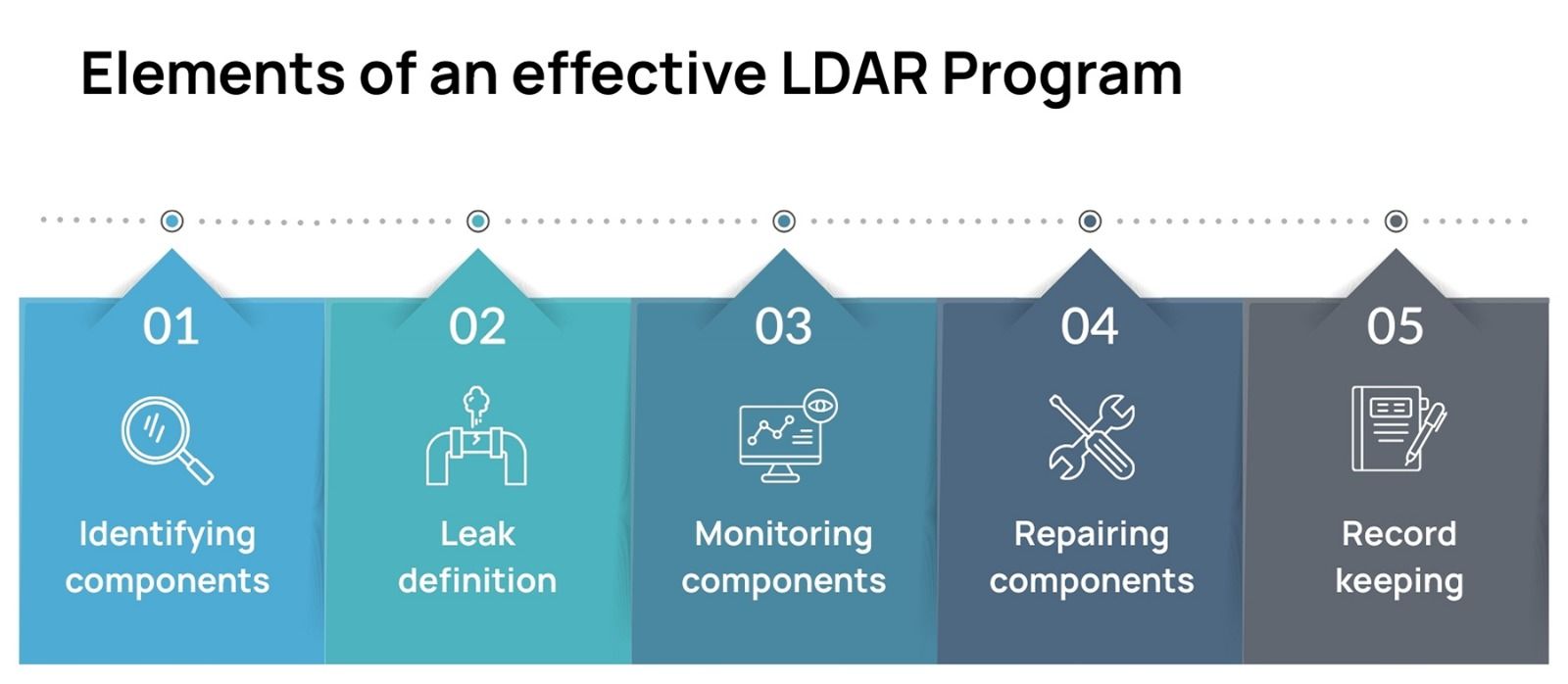
Elements of an effective LDAR program.
Elements of an LDAR system
The systematic LDAR approach is the most effective method compared to isolated actions because it transforms a diffuse problem, leaks dispersed across hundreds or thousands of points in an industrial process, into a controlled, repeatable and auditable management cycle. To achieve this, an LDAR system integrates five elements that must operate in a coordinated manner:
Inventory of potentially emitting components (LDAR points)
The starting point is knowing exactly what exists and where it is located. The inventory records all components susceptible to leakage: type of equipment, location, service, fluid, pressure, temperature, material and accessibility. Without a robust and updated inventory, there is no real LDAR, only random inspections. This inventory becomes the operational database of the program: each LDAR point has a unique identifier, inspection history, repair records and verification results.
Detection methodology
There is no single valid method, the choice depends on the compound, the required sensitivity, the inspection frequency and the budget. The main approaches are:
- Portable instrumentation (PID photoionization detectors, electrochemical analyzers, NDIR): allow measurement of concentration at the leak point with high sensitivity and form the basis of regulated methodologies such as EPA Method 21 for VOCs or EPA Method 26 for hydrogen halides and halogens.
- Optical gas imaging (OGI/gas thermographic cameras): allow visualization of the leak in real time and coverage of large areas in less time, especially useful for preselecting critical points or inspecting hard to access areas.
- Continuous monitoring: at high risk or highly critical points where fixed sensors with real time alarms, integrated into the plant control system, DCS or SCADA, allow detection of anomalies between periodic inspections.
Intervention criteria
Detecting a leak is not enough, the LDAR system must precisely establish when to intervene and within what timeframe. This involves:
- Leak thresholds: measured concentration, in ppm or mg/m³, above which a component is declared leaking and enters mandatory repair.
- Criticality: not all points carry the same weight, criticality combines compound risk, toxicity and flammability, estimated leak magnitude and the relevance of the equipment to process continuity.
- Maximum repair deadlines: once a leak is declared, the program establishes differentiated time limits according to criticality, for example immediate repair, within 15 days or during the next scheduled shutdown.
Repair and verification
Repair without verification does not close the cycle. After each intervention, a retest is carried out using the same detection method, confirming leak elimination and recorded as objective evidence. This step is essential in regulatory and compliance audits, as it demonstrates that the corrective action was effective, not merely executed.
Data management
LDAR generates large volumes of data that are only useful if properly structured and analyzed. Data management includes:
- Continuous recording of inspections, measurements, interventions and verifications, with full traceability per LDAR point.
- Operational KPIs: active leak rate, average repair time, points with recurrent leaks, repair effectiveness.
- Trend and root cause analysis: identifying patterns, valve types with higher failure rates, process areas with higher incidence, operating conditions associated with leaks, to move from reactive to predictive management.
- Internal and external audit: structured records demonstrate program compliance before environmental authorities, insurers or within sustainability reporting frameworks.
The strength of LDAR lies precisely in the fact that these five elements reinforce each other: the inventory improves with each inspection, criteria are refined using historical data and KPI management transforms the program into a continuous improvement tool, not merely a compliance mechanism.
An LDAR program in an Italian refinery reduced the number of leaking components by 12% and VOC emissions by 23% after a maintenance campaign. Lotrecchiano, N. et al. (2025).

A network of fixed sensors with real time data transmission turns each critical LDAR inventory point into a permanent monitoring point.
Critical equipment inspected under an LDAR system
Although the scope of fugitive emissions depends directly on the industrial process in question, fluid composition, pressure, temperature and operating cycles, the typical critical equipment to include in an LDAR program are:
Valves
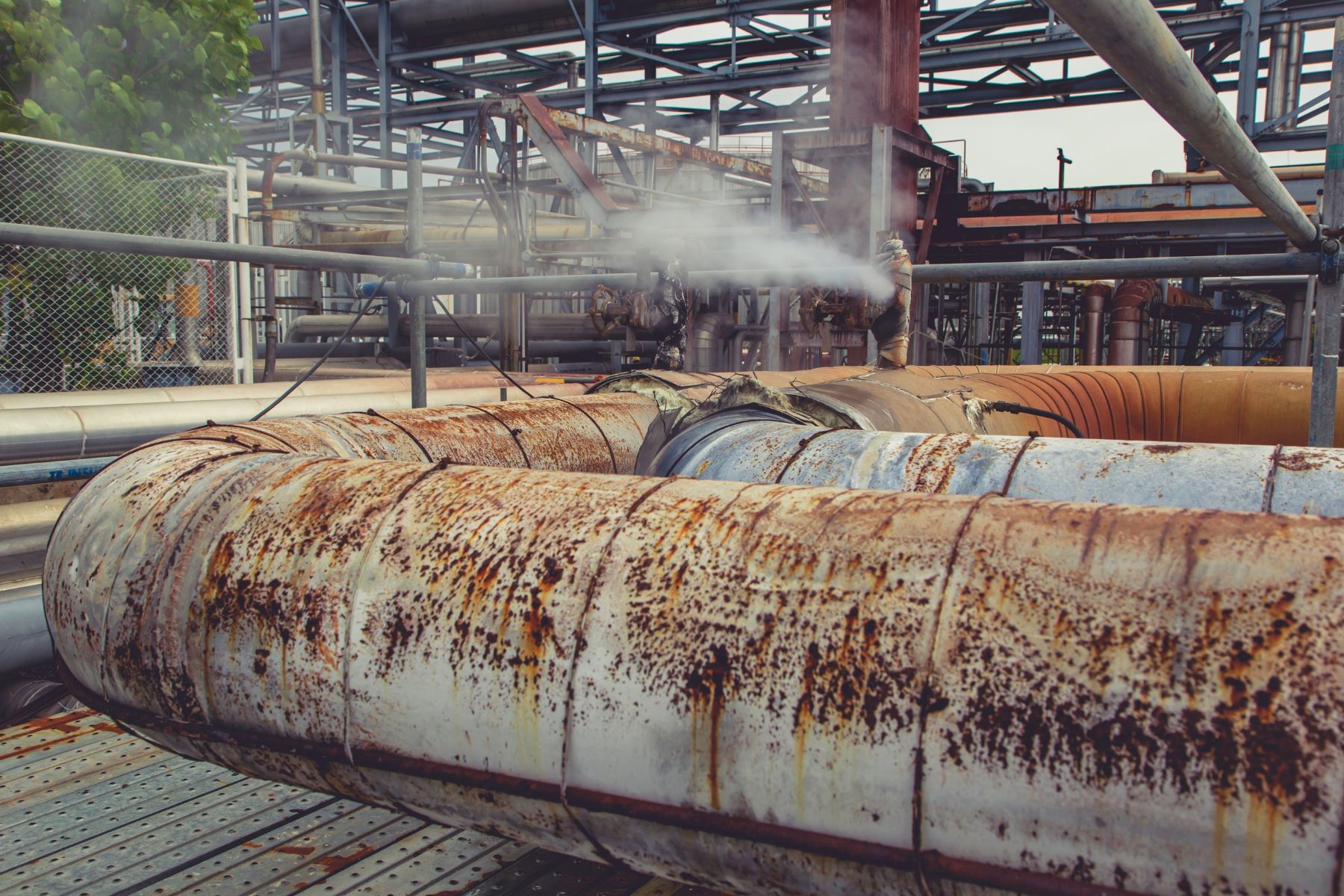
The most numerous components in any process installation and therefore those with the greatest statistical weight in the LDAR inventory. Priority leak areas are the stem packings, wear from opening and closing cycles, temperature and differential pressure, and the in line connections, threads and flanged joints of the valve itself. Mechanical fatigue accumulated through frequent operation and regime changes makes control and regulating valves particularly susceptible to progressive leaks that, without monitoring, go unnoticed until significant.
Flanges and joints
Gaskets, bolting and alignment are critical elements. Flanges are sensitive to three main degradation mechanisms: vibration transmitted by the process or nearby machinery, which loosens the assembly, gasket settling after commissioning or shutdowns, reducing sealing force, and thermal cycles, differential expansion and contraction between materials that deteriorate the gasket. A poorly aligned flange during assembly, common in large diameter units, can generate a diffuse leak from first start up.
Tanks
Storage tanks present multiple potential emission points not always the focus of conventional inspections: breathers and pressure vacuum valves, which may operate inadvertently outside their design range, floating roof seals, where wear of primary or secondary seals is a significant source of VOC emissions, manways and accessories, deteriorated gaskets and poor closures, and bottom and side connections, subject to hydrostatic pressure and corrosion risk.
Pumps
Pumps combine three conditions that favor leakage: continuous mechanical friction, temperature gradients and high maintenance intervention frequency. The most critical points are mechanical seals, whose degradation may be gradual and difficult to detect visually until leakage becomes evident, packing glands, requiring periodic adjustment, and drains and vents, which in some processes are manually managed and may remain open or poorly sealed.
Overall, an optimally designed LDAR system does not rely solely on inspection, it must:
- Decide where to focus resources based on criticality and leak probability.
- Select the method according to compound, accessibility and required sensitivity.
- Define frequency based on history, operating regime and regulatory requirements.
- Establish when to repair according to thresholds and deadlines by criticality.
- Demonstrate leak elimination through verification with objective evidence and auditable records.
Only when these five axes are aligned does LDAR cease to be a reactive compliance program and become an operational management and continuous improvement tool.
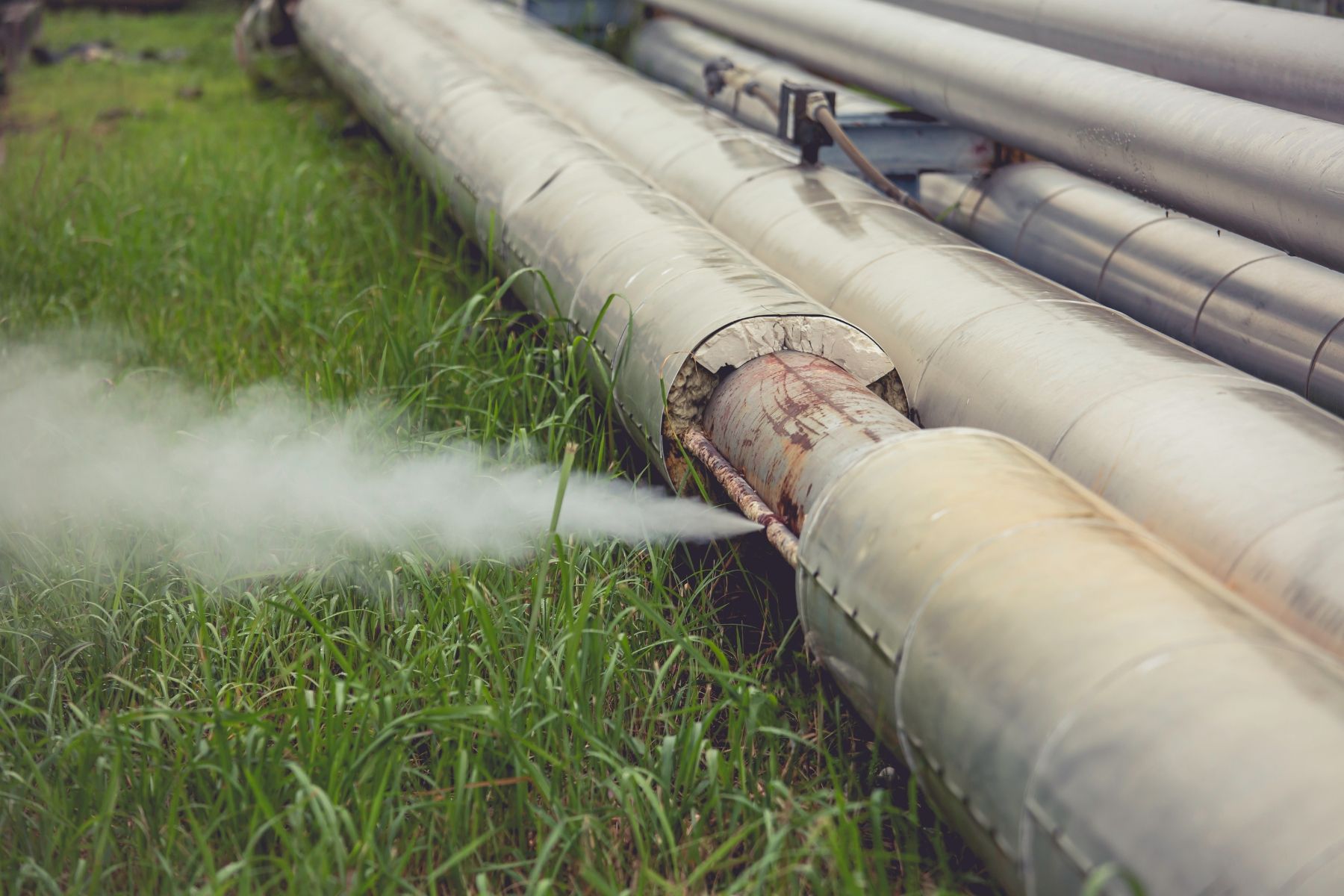
Continuous monitoring generates a stream of historical data that, analyzed with statistical tools, allows identification of degradation patterns before they materialize into leaks.
Impact of leaks on costs and safety
Industrial fugitive emissions are neither minor nor isolated. Their impact extends across four dimensions that, combined, justify the implementation of a structured LDAR system.
Product loss
This is a cost that does not appear on the invoice. Each leak represents product that has already been purchased, processed and energized, and does not reach its destination. It is lost as vapor or gas into the air, without recoverable value. In processes involving high value raw materials or intermediates, halogenated solvents, specialty gases, light hydrocarbons, even small leaks at multiple points accumulate significant economic losses throughout the year.
Operational risks
A leak not detected in time moves from invisible to critical. It may escalate from a minor anomaly to a serious process incident. The main risk vectors are:
- Flammable or explosive atmospheres: vapor accumulation below the olfactory threshold in confined spaces or areas with ignition sources is one of the most dangerous scenarios in the chemical and petrochemical industries.
- Toxic or corrosive exposure: workers chronically exposed to low concentrations of compounds such as ammonia, chlorine, hydrogen halides or benzene accumulate health risks, even without perceiving alarming odors, and equipment also suffers accelerated degradation due to corrosion.
- Recurrence due to unresolved root cause: a poorly repaired leak, inadequate gasket, insufficient tightening, uncorrected vibration, reappears within weeks. Without root cause analysis, maintenance remains permanently reactive.
Considering all these factors, the real value of LDAR lies in the transition to early detection, prioritization by criticality and documented closure of the corrective cycle.
Fines and penalties
Industrial fugitive emissions are increasingly regulated within global and sectoral frameworks, including refining, organic chemical and large combustion plant regulations that establish obligations for control, monitoring and maintenance of emitting equipment.
An LDAR program with solid and consistent records turns compliance into something demonstrable through an updated inventory, inspections performed at the established frequency, repairs executed within deadlines and documented verifications.
This body of evidence substantially reduces the risk of non compliance in regulatory inspections and facilitates defense against sanctions.
Impact on ESG
Fugitive emissions directly affect environmental indicators required by frameworks such as the CSRD (Corporate Sustainability Reporting Directive) or the EMAS scheme for VOC emissions and specific pollutants, and when processes include methane or other greenhouse gasesGreenhouse gases (GHGs) are natural and anthropogenic gases that trap heat in the Earth's atmosphere, regulating the planet’s temperature. However, when ...
Read more, the installation’s climate footprint. A well implemented LDAR program provides three high value ESG assets:
- Transparency: traceable, auditable and time comparable data supporting sustainability reports with real evidence.
- Quantifiable reduction: leak rate, number of active points and temporal evolution are concrete KPIs demonstrating real environmental improvement beyond statements of intent.
- Operational governance: defined procedures, assigned responsibilities and KPI monitoring reinforce credibility before auditors, industrial clients, insurers and financial institutions applying ESG criteria.
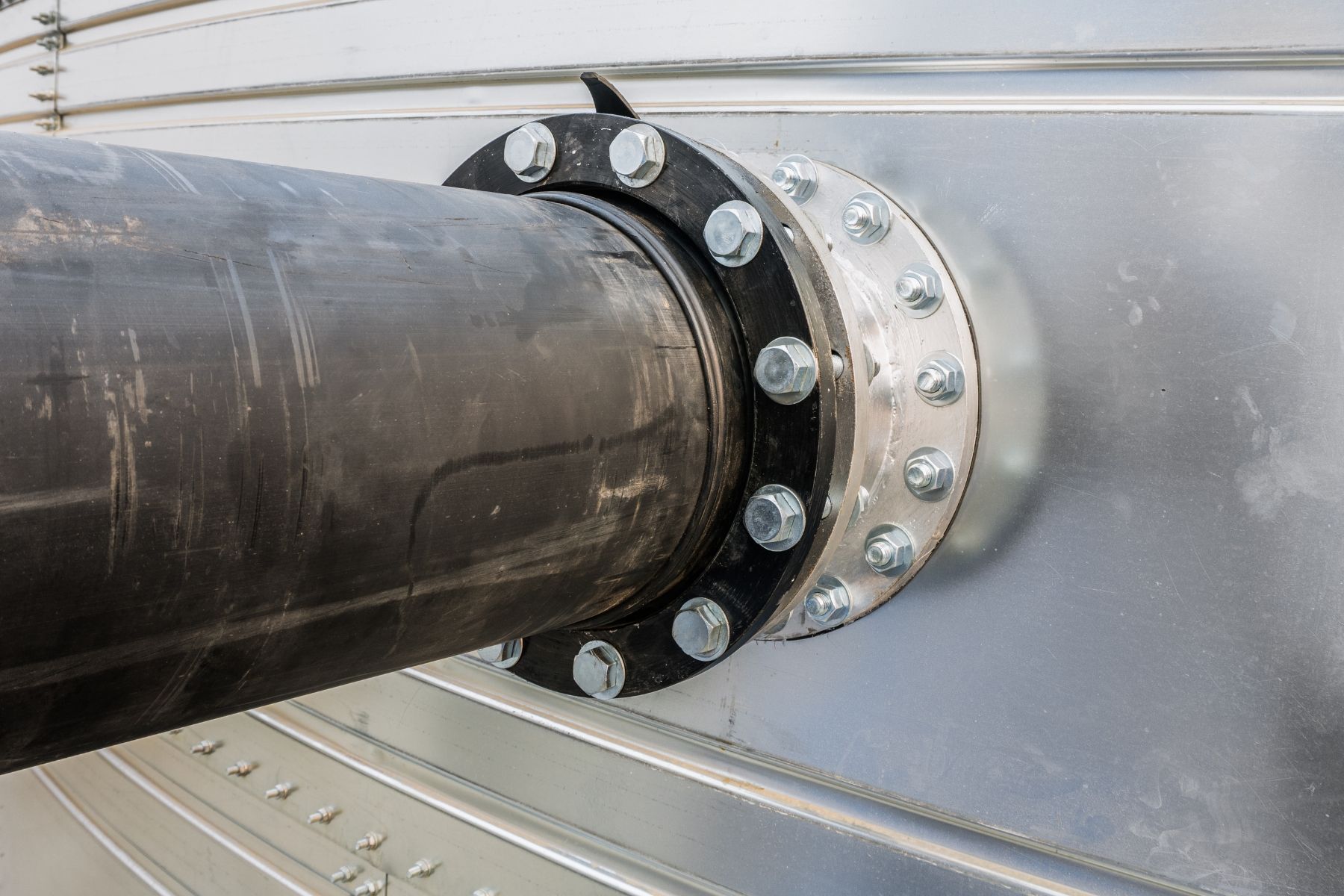
The major shift in LDAR systems lies in moving from periodic sampling to continuous surveillance in real time.
Regulatory framework: LDAR and environmental compliance
LDAR regulation in the United States and Europe
LDAR regulation originated and has developed most extensively in the United States, where the Clean Air Act (CAA) establishes the core legal framework for controlling industrial fugitive emissions. Under this framework, the EPA has developed specific standards that require the implementation of LDAR programs in industrial facilities handling volatile organic compounds and hazardous air pollutantsAir pollution caused by atmospheric contaminants is one of the most critical and complex environmental problems we face today, both because of its global r...
Read more (HAP/VHAP).
- NSPS (New Source Performance Standards): performance standards for new stationary sources, with sector-specific LDAR requirements (refining, organic chemicals, natural gas distribution, etc.).
- NESHAP (National Emission Standards for Hazardous Air Pollutants): emission standards for hazardous pollutants, including monitoring obligations, inspection frequency, leak thresholds and repair deadlines depending on component type and compound.
- RCRA (Resource Conservation and Recovery Act), Parts 264 and 265 of 40 CFR Part 60 (U.S. Code of Federal Regulations, Title 40 — Protection of Environment), establishing equipment leak standards for hazardous waste treatment, storage and disposal facilities.
- SIPs (State Implementation Plans): many states incorporate federal LDAR requirements by reference or establish stricter obligations depending on their air qualityAir quality refers to the state of the air we breathe and its composition in terms of pollutants present in the atmosphere. It is considered good when poll...
Read more objectives.
The EPA estimates that implementing an LDAR program in refineries can reduce equipment leak emissions by up to 63 percent, and by up to 56 percent in chemical plants. These figures position LDAR not only as a regulatory obligation, but as one of the most cost-effective emission reduction measures available in the process industry.
In Europe, the equivalent framework is primarily structured through the Industrial Emissions Directive (IED, Directive 2010/75/EU), revised by Directive 2024/1785/EU, and sector-specific Best Available Techniques (BAT/BREF) reference documents, which define fugitive emission management and control requirements for installations operating under an Integrated Environmental Permit.
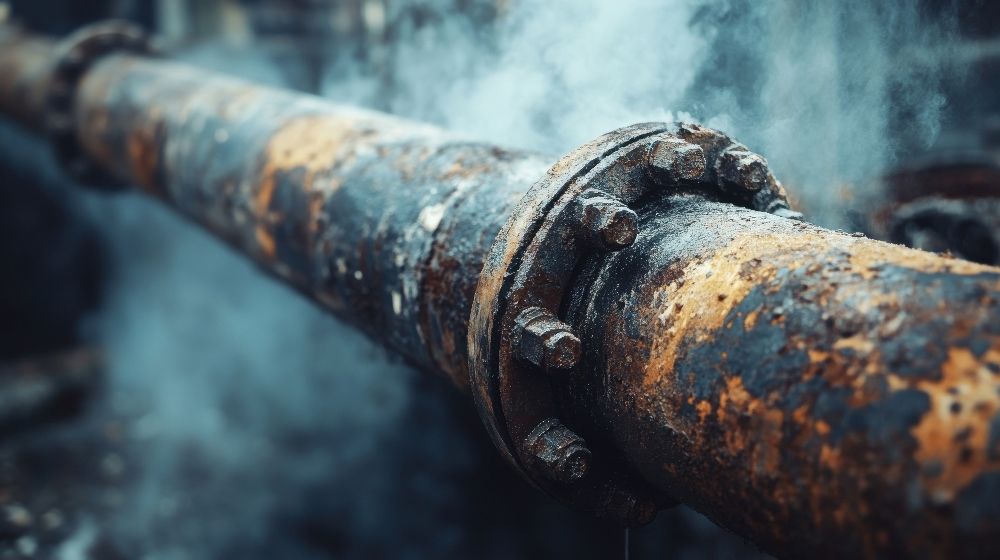
Each active leak represents a product that has already been purchased, processed, and energised, which is then dissipated into the environment with no recoverable value.
EPA Method 26 and hydrogen halide emissions
EPA Method 26 (Determination of Hydrogen Halide and Halogen Emissions from Stationary Sources — Non-isokinetic Method) is the reference methodology for measuring emissions of hydrogen halides (HX), specifically HCl (hydrogen chloride), HBr (hydrogen bromide) and HF (hydrogen fluoride), as well as molecular halogens (X2), mainly Cl2 (chlorine) and Br2 (bromine), from industrial stationary sources.
Method 26 is a non-isokinetic method, suitable for sources that do not emit significant acidic particulate matter. When the source is controlled by a wet scrubber or emits acid halide particulates, Method 26A (the isokinetic variant) must be used, incorporating particulate capture in the sampling train.
The relevance of Method 26 for the chemical and petrochemical industries lies in processes that generate or handle halogenated compounds, including chlorine synthesis and derivatives, inorganic and organic fluoride production, HF-catalysed processes such as alkylation in refining, incineration of halogenated waste or treatment of combustion gases containing chlorine. When integrated into an LDAR program as a quantification method for stationary source leaks and as a post-repair verification tool, it provides reference analytical evidence valid for regulatory inspections and compliance audits.
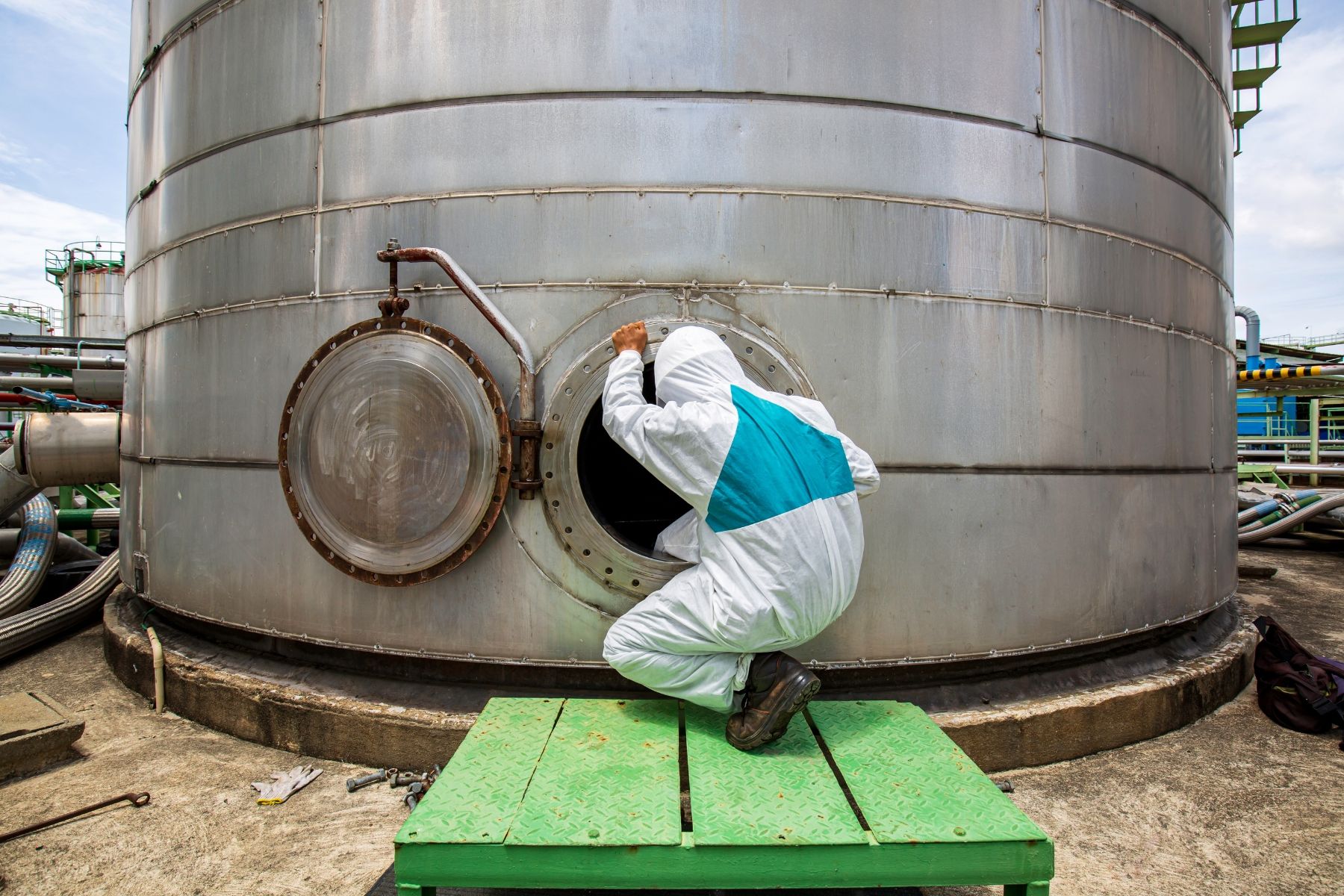
Unplanned stoppages are one of the most costly events in the process industry.
How do modern LDAR systems work?
LDAR systems have undergone a profound operational transformation over the past decade. The traditional model, based on periodic inspection campaigns using portable instruments, technicians moving point by point and paper or spreadsheet records, has a clear structural limitation: between two consecutive inspections, a leak may remain active for days, weeks or months without being detected. This blind interval represents accumulated product loss, continued exposure and unmanaged operational risk.
From manual inspections to continuous monitoring
The major shift consists of moving from periodic sampling to continuous surveillance. This transition does not eliminate periodic inspections required by regulation, but complements them with permanent detection strategies that reduce the time between leak occurrence and identification from weeks to minutes.
IoT sensors for industrial gas detection
IoT-connected gas sensors integrated at critical installation points continuously monitor gas presence, pressure and temperature fluctuations, and send real-time automatic alerts to field teams, enabling proactive response beyond the capabilities of periodic inspection models.
Depending on the compound, required sensitivity and environmental conditions, industrial LDAR sensors operate based on two main principles:
- Electrochemical sensors: operate through gas reaction at an electrode in the presence of an electrolyte, generating a current proportional to gas concentration. Suitable for toxic gases such as HF, HCl, Cl2, NH3, H2S or CO. Their advantage is high selectivity, while limitations include electrode lifespan (1 to 3 years) and sensitivity to temperature and humidity variations.
- Optical sensors (NDIR, TDLAS, OGI): based on infrared or visible radiation absorption by gases. NDIR sensors are widely used for CH4, CO2 and VOCs. TDLAS offers high selectivity and sensitivity for gases such as HF or CH4. OGI cameras enable visual detection of leaks across large areas without direct contact. Optical sensors typically provide greater long-term stability and lower drift, though at higher cost.
The combination of both principles, optical for area scanning and electrochemical for point quantification, is the most efficient approach in complex installations, as it leverages the advantages of each technology at the stage of the LDAR cycle where it performs best. In addition, the architecture of an advanced LDAR system is not based on isolated sensors, but on distributed networks where each node communicates with a central platform through wireless communication protocols adapted to industrial environments:
- 2G, 3G and 4G mobile networks: provide higher transmission speed and wide coverage in industrial environments with cellular access. 4G/LTE enables real time data transmission with low latency, suitable for immediate alert systems and the transfer of dense time series; 2G/3G, although with lower capacity, remains a functional option in areas with basic mobile infrastructure and moderate transmission requirements.
- Wi-Fi (IEEE 802.11): offers high transfer speed and low latency within the installation’s coverage perimeter, without data tariff costs. It is the most efficient option for dense sensor networks indoors or in process areas with their own network infrastructure; its limitation is reduced range and the need for pre existing or specifically deployed access point infrastructure.
- Industrial protocols (Modbus, HART, OPC-UA): for direct integration with plant control systems (DCS/SCADA), allowing leak sensor data to become part of the installation’s operational dashboard in real time.
- LoRaWAN: long range and low power consumption; ideal for large scale installations such as refineries or tank farms, with battery powered nodes operating for years. Its limitations are reduced bandwidth, suitable only for light data transmission, and higher latency, making it a less suitable protocol when real time response to critical alerts is required.
- NB-IoT / LTE-M: low power mobile communication; useful when coverage is required in areas without dedicated Wi-Fi infrastructure. Its main drawback is that it depends on the mobile operator’s coverage, may involve recurring data costs and presents transmission speed limitations that restrict the volume of transferable information.
With a network architecture, industrial leak detection becomes a continuous data process in which each sensor’s concentration values are time stamped, compared against predefined thresholds and generate automatic alerts when exceeded, while feeding trend analyses that allow identification of equipment with progressive degradation before the leak becomes significant. The result is a system that not only detects but also predicts and prioritizes, transforming LDAR into a tool for integrated predictive maintenance.
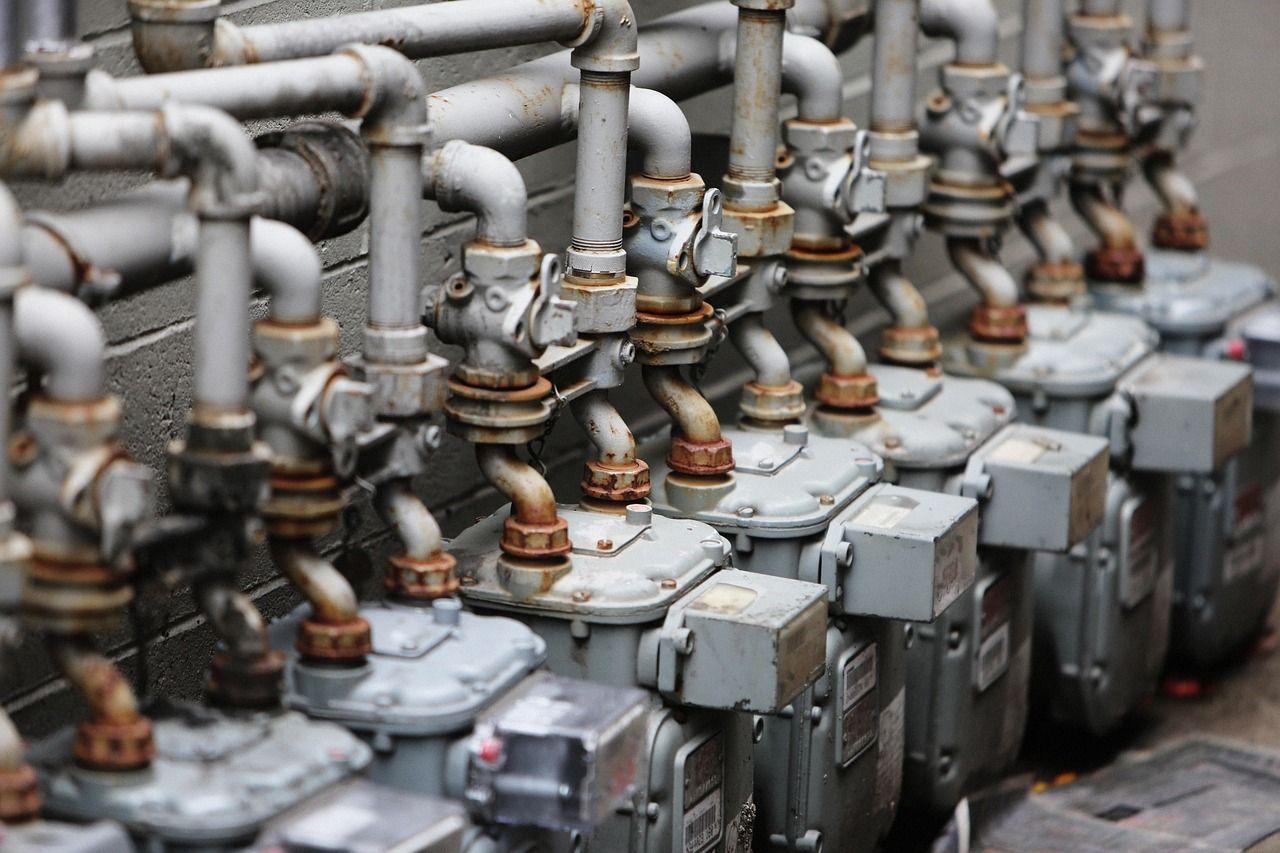
An LDAR system with continuous detection minimizes the lifetime of each active leak, the amount of product emitted and the associated compensation energy.
Continuous monitoring and predictive maintenance
Continuous monitoring represents the most significant qualitative leap in the evolution of LDAR programs. It marks the shift from a system that detects leaks only during inspections to one that permanently monitors and generates alerts the moment an anomaly appears. This change is not only technological, it is operational, redefining the role of LDAR within plant management.
Early detection of fugitive emissions
The interval between two periodic inspections is structurally a period of invisibility. Any leak that emerges between inspection campaigns remains active during that time, continuously emitting and accumulating losses until the next inspection identifies it. In facilities with quarterly or semi-annual inspection cycles, common in many basic LDAR programs, this may mean weeks or months of unmanaged continuous emissions.
Continuous monitoring eliminates that interval. A network of fixed sensors with real-time data transmission turns each critical LDAR inventory point into a permanent surveillance node. Any concentration variation above a defined threshold triggers an automatic, time-stamped and location-specific alert, enabling field teams to respond in minutes rather than days. Early detection has direct and measurable impact: the shorter the time between leak onset and repair, the lower the emitted product volume, the lower the cumulative worker exposure and the lower the risk of escalation into a process incident.
From a regulatory compliance perspective, continuous monitoring provides an additional layer of evidence that periodic campaign-based programs cannot deliver. Continuous concentration records per point, with full time traceability, demonstrate not only that inspections were carried out as scheduled, but also that the facility remained under active uninterrupted surveillance.
Reduction of operating costs
Continuous monitoring generates a historical data stream that, when analysed using statistical tools, enables the identification of degradation patterns before they materialise into leaks. A sensor that records a rising concentration trend at a specific point, even if still below the alarm threshold, signals component deterioration. Acting within that window, in a planned and resource-prepared manner, is what distinguishes predictive maintenance from corrective maintenance. Intervention occurs before failure, not after.
Unplanned shutdowns are among the most costly events in the process industry. They combine production losses, mobilisation of emergency maintenance resources, potential damage to secondary equipment and, in some cases, regulatory notification obligations. An LDAR program supported by continuous monitoring and predictive maintenance reduces the frequency of such events because it anticipates failures before they become critical. Historical sensor network data also enables more precise scheduling of preventive maintenance cycles, adjusting inspection and replacement frequencies to the actual service life of each component under its specific operating conditions, rather than relying on generic catalogue intervals.
Leaks generate two types of energy losses that are often not explicitly accounted for:
- Direct product loss, which incorporates the energy invested in extraction, transport and processing.
- Indirect process compensation loss, where active leaks force the system to work harder to maintain operating conditions, higher compression pressure, additional reactant input, increased consumption of utilities such as steam, cooling water or electricity to sustain temperatures and pressures that deviate from their design point.
An LDAR program with early detection reduces both dimensions by minimising the active life of each leak, reducing the amount of emitted product and the associated compensation energy consumption. In large-scale facilities, where even small inefficiencies multiply across process volume, the cumulative impact on financial performance can be significant and directly attributable to LDAR as an effective operational tool.

In sectors such as the chemical industry, LDAR takes on an additional dimension of occupational safety.
Sector-specific applications of LDAR
LDAR systems do not have a uniform sectoral scope, since each industry presents a different combination of compounds, point density, regulatory criticality and risk profile. These factors determine how the LDAR program is designed and implemented. However, five sectoral applications are particularly relevant:
Oil refineries
Refineries concentrate the highest number of LDAR points per installation, including valves, flanges, pumps, compressors and vent systems, and handle a wide range of regulated compounds such as VOCs, HAPs, benzene, toluene and light hydrocarbons.
Petrochemical industry
This industry shares the equipment inventory complexity of refining while adding the diversity of intermediate compounds, many of them highly toxic or flammable. LDAR programs in this sector must adapt to specific process compounds, olefins, aromatics, halogenated solvents, amines or organic acids, each with its own regulatory thresholds, detection methods and differentiated repair timelines.
Chemical industry
In this sector, LDAR takes on an additional occupational safety dimension, as many process compounds, such as hydrochloric acid, hydrogen fluoride, chlorine, ammonia or ethylene oxide, have very low occupational exposure limits and acute toxic effects at concentrations that are not always detectable by smell. Integration of LDAR with industrial hygiene programs, including occupational exposure monitoring, chemical risk mapping and ATEX hazardous atmosphere management, is considered best practice. Early detection is both an environmental requirement and a measure to protect worker health.
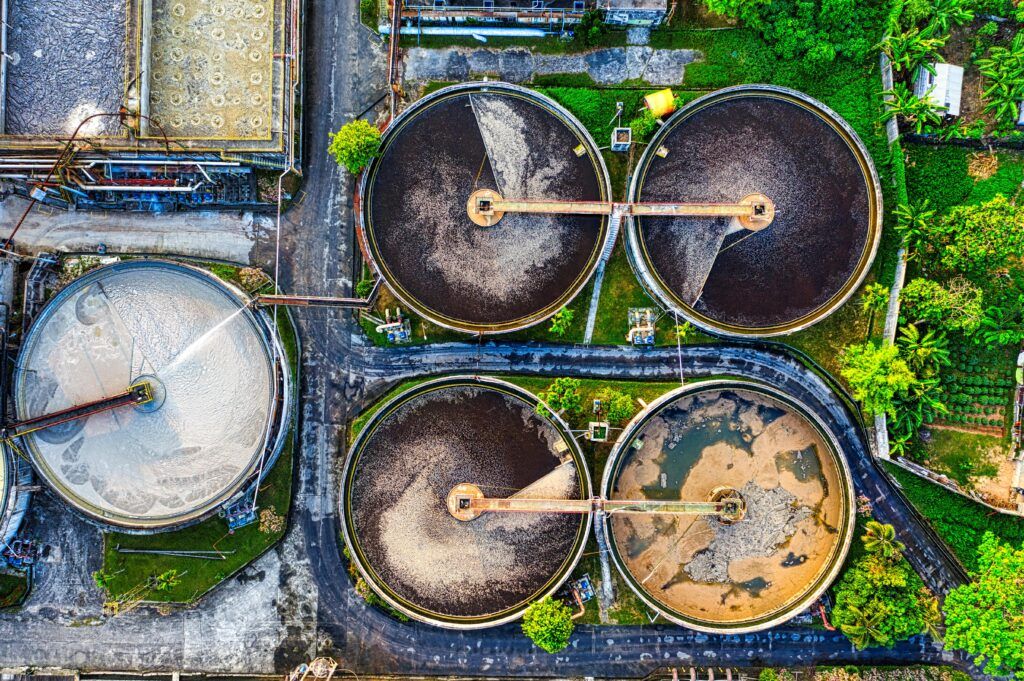
Wastewater treatment plants
Although less visible than in petrochemical sectors, LDAR implementation in industrial and municipal wastewater treatment plants is gaining increasing relevance. Anaerobic digestion processes generate CH4 and H2S at diffuse emission points such as digester covers, seals, valves and biogas pipelines. In plants receiving effluents from chemical or petrochemical industries, VOCs and halogenated compounds may also be present. LDAR in these facilities combines explosion risk reduction with biogas recovery as an energy resource, aligning with circular economy and ESG sustainability objectives.
Gas storage and transport (midstream)
The storage and transport sector for natural gas, LPG and liquid hydrocarbons is highly relevant from a climate perspective. It is estimated that more than 2 percent of gas entering the network may be lost as fugitive emissions before reaching end users. Critical points include compressors, metering and regulation stations, pipeline valves, large-diameter flanges and tank seals. A well-implemented LDAR program can reduce fugitive methane emissions in these facilities by more than 90 percent, with direct impact on the operator’s climate footprint and regulatory compliance.

Non-compliance in environmental inspections generates direct and indirect costs.
Technological solutions for advanced LDAR programs
Implementing an optimal LDAR program requires a platform that combines multi-parameter analytical capability, industrial-grade robustness and continuous connectivity, as provided by Kunak AIR solutions. These air quality monitoringControlling air quality is an essential task in order to enjoy optimal environmental conditions for healthy human development and to keep the environment i...
Read more systems are specifically designed to meet such requirements, featuring a modular design that allows adaptation to the specific needs of each industrial installation or process.
Smart sensor networks
The monitoring stations are built on a patented plug and play smart cartridge system that enables the simultaneous selection and combination of multiple gases from a range of more than 20 measurable pollutants. The configuration of monitored contaminants can be changed without disconnecting the equipment. Available gases cover the most relevant compounds in industrial LDAR programs, including:
- Toxic inorganic gases: HCl, HF, NH3, H2S, Cl2
- Combustion and process gases: CO, CO2, NO, NO2, NOx, SO2
- Hydrocarbons and organics: CH4, VOCs
- Oxidants: O3
Detection is carried out using high-resolution sensors, complemented by a 24-channel optical particle sensor (PM1, PM2.5, PM4, PM10, TSP and TPC) certified under MCERTS for PM10 and PM2.5 and KOTITI Grade 1 for PM2.5. Integrated temperature, humidity and atmospheric pressure sensors enable real-time correction of gas cross-interference. This configuration positions the system as a near-reference solution, suitable for generating valid evidence in environmental audits and LDAR programs requiring traceability.
For industrial suitability, the equipment operates within a temperature range of -40 °C to 60 °C, humidity from 0 to 100 percent RH, and features IP65 protection, making it suitable for outdoor installation, process areas and dusty or wet environments. Data communication is supported via integrated eSIM, Wi-Fi or Modbus RTU, enabling both direct integration into industrial networks (DCS or SCADA) and autonomous deployment in remote locations powered by solar energy.
Analysis and visualisation platform
Kunak AIR sensor networks are complemented by the Kunak AIR Cloud platform, a web-based environmental data management and analysis software designed to support the full operational cycle of an LDAR program, from real-time visualisation to compliance reporting.
Key LDAR functionalities are grouped into four areas:
- Geolocation and spatial visualisation: each network sensor is geolocated on a map with its operational status and latest real-time measurements. The heatmap layer highlights areas of higher emission concentration, facilitating inspection prioritisation and leak source identification. Pollution roses help determine emission origin and associate it with specific plant processes.
- Automatic alert system: configurable concentration thresholds by gas and device, with real-time notifications when defined limits are exceeded. Alerts can be differentiated by compound, device and LDAR point criticality.
- Advanced data analysis: integration of OpenAir statistical tools, including pollution roses, temporal variation analysis, wind plots and basic statistics, enabling identification of emission sources and patterns linked to meteorological conditions, operating shifts or maintenance periods.
- Maintenance and traceability management (CMMS): the computerised maintenance module records all interventions on network devices, including calibrations, replacements and field inspections, with timestamps and user identification, generating the documentary evidence required for LDAR audits.
The platform also enables integration of external data sources, including meteorological data, reference network data and LDAR inventory points, strengthening analysis capabilities and enabling automatic generation of customised reports at both individual device and full network levels. This level of integration makes Kunak Cloud the digital backbone of the LDAR program, where field data are transformed into operational decisions, compliance evidence and auditable ESG metrics.
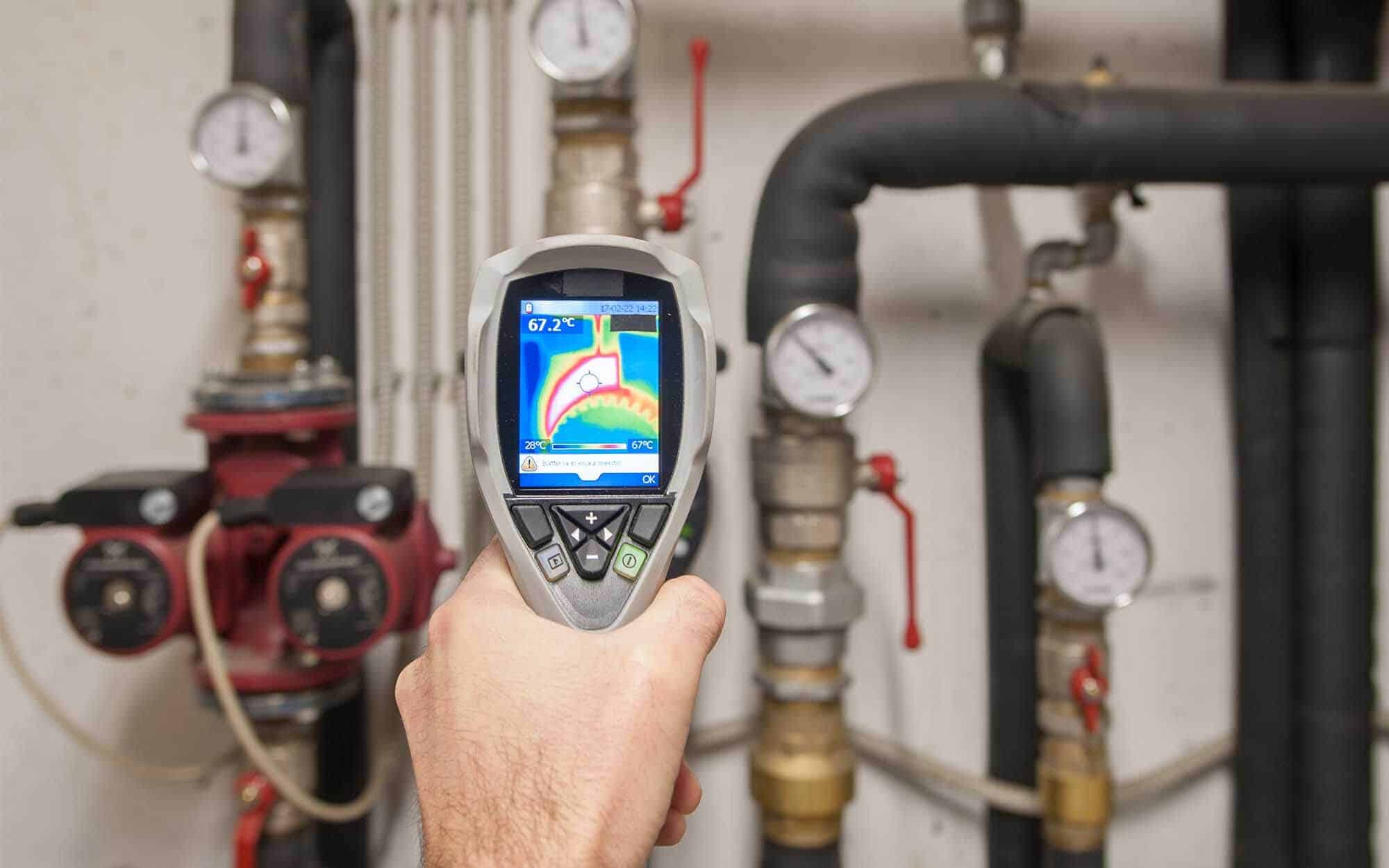
An LDAR with historical data and trend analysis allows you to identify the components with the highest recurring leak rate.
Frequently asked questions about LDAR
What is LDAR and why is it important?
LDAR (Leak Detection and Repair) is a technical and management program designed to identify, quantify and repair industrial fugitive emissions, leaks of gases or vapours escaping uncontrollably from process components such as valves, flanges, pumps, compressors or tanks.
Its importance, directly linked to efficiency, safety and sustainability, lies in the fact that these leaks are by definition invisible to the naked eye and can remain active for weeks or months without detection through conventional inspection methods. A well-implemented LDAR program delivers value across four dimensions: economic, safety, regulatory compliance and corporate ESG accountability.
How is EPA Method 26 related to LDAR?
EPA Method 26 (Determination of Hydrogen Halide and Halogen Emissions from Stationary Sources) is the reference methodology for measuring emissions of hydrogen halides (HCl, HF, HBr) and molecular halogens (Cl2, Br2) from industrial stationary sources. Its relationship with LDAR is direct in sectors handling halogenated compounds, such as chlorine production, fluoride synthesis, HF alkylation or halogenated waste incineration.
Within an LDAR program, it fulfils two complementary roles: quantifying fugitive emissions of halogenated compounds with regulatory validity, and post-repair verification to confirm effective leak elimination, closing the cycle with traceable and auditable evidence.
When acid halide particulates are present, the isokinetic variant, Method 26A, is applied. In essence, Method 26 is not an LDAR program itself, but the reference measurement tool that provides regulatory validity to LDAR programs in halogen-related industries.
Which gases can be monitored with LDAR sensors?
Modern LDAR programs cover a broad spectrum of compounds, adapted to the chemical profile of each industrial process. Gas selection determines detection technology and network configuration.
- Volatile organic compounds (VOCs), including light hydrocarbons, aromatics such as benzene, toluene and xylene, solvents and olefins, detected using PID or NDIR sensors.
- Combustion and process gases, such as CO, CO2, NO, NO2 and SO2.
- Gaseous hydrocarbons, including CH4 and other light alkanes.
- Hydrogen halides and halogens, including HCl, HF, HBr and Cl2, particularly relevant in chemical industries.
- Toxic inorganic gases, such as NH3 and H2S.
Detection technology varies by compound. Electrochemical sensors are suitable for toxic inorganic gases at ppb levels, NDIR or TDLAS optical sensors for VOCs, CH4 and CO2, and OGI cameras for real-time area screening. Advanced LDAR programs combine multiple technologies to effectively cover all relevant compounds.
How does LDAR reduce operating costs?
A well implemented LDAR program reduces economic costs through three channels that, combined, justify the investment regardless of regulatory compliance requirements.
- Recovery of lost product. Every active leak represents product that has already been purchased, processed and energized, and that dissipates into the environment without recoverable value. In facilities handling high value raw materials or intermediates, such as specialty gases, halogenated solvents or light hydrocarbons, the cumulative cost of multiple small leaks can be economically significant on an annual basis. Systematically identifying and repairing them turns LDAR directly into product savings.
- Maintenance optimization. An LDAR program supported by historical data and trend analysis makes it possible to identify components with the highest recurrent leak rates, seal or gasket types with the highest failure index and operating conditions associated with greater incidence. This information transforms maintenance from reactive to predictive: intervention takes place where and when data indicates it is necessary, rather than indiscriminately, reducing unplanned maintenance hours and material consumption.
- Reduction of regulatory and reputational costs. Non compliance findings in environmental inspections, outdated inventories, missed inspections or overdue repairs, generate direct costs such as fines and mandatory corrective actions, and indirect costs such as reputational damage and increased future regulatory scrutiny. An LDAR program with consistent and traceable records substantially reduces this risk, turning the program into a preventive compliance asset rather than a reactive management cost.
What technologies does Kunak use for LDAR?
Kunak integrates two complementary technological components into its solutions, field hardware and a management platform, covering the full cycle of a modern LDAR program with detection, recording, analysis and traceability.
Kunak AIR multiparameter stations feature a modular architecture based on interchangeable smart cartridges that allow simultaneous measurement of up to 5 gases and particulate matter from a range of more than 20 pollutants. Gases relevant for LDAR that can be monitored include HCl, HF, NH3, H2S, Cl2, CO, CO2, NO2, SO2, CH4 and VOCs, using high resolution sensors complemented by optical particle sensors. Their IP65 protection rating, operating range from -40 °C to 60 °C and communication via integrated eSIM, Wi-Fi or Modbus RTU make them suitable for outdoor installation and demanding industrial environments. Certifications and validations by leading air quality institutions and experts position them as a near reference grade solution, suitable for generating auditable evidence in LDAR programs with regulatory requirements.
Sensor network data are managed through the Kunak Cloud platform, which provides key functionalities for operating an LDAR program:
- Real time visualization with geolocation of each sensor point and heat maps to identify areas with higher concentration levels.
- Automatic alerts configurable by gas, device, threshold and criticality, with immediate notification to field teams.
- Advanced statistical analysis (OpenAir) to identify temporal and spatial emission patterns.
- CMMS module for traceable recording of calibrations, maintenance and interventions, generating the documentary evidence required in regulatory audits.
The combination of both solutions turns Kunak monitoring networks into the technological backbone of an LDAR program based on continuous monitoring, early detection and auditable data management.
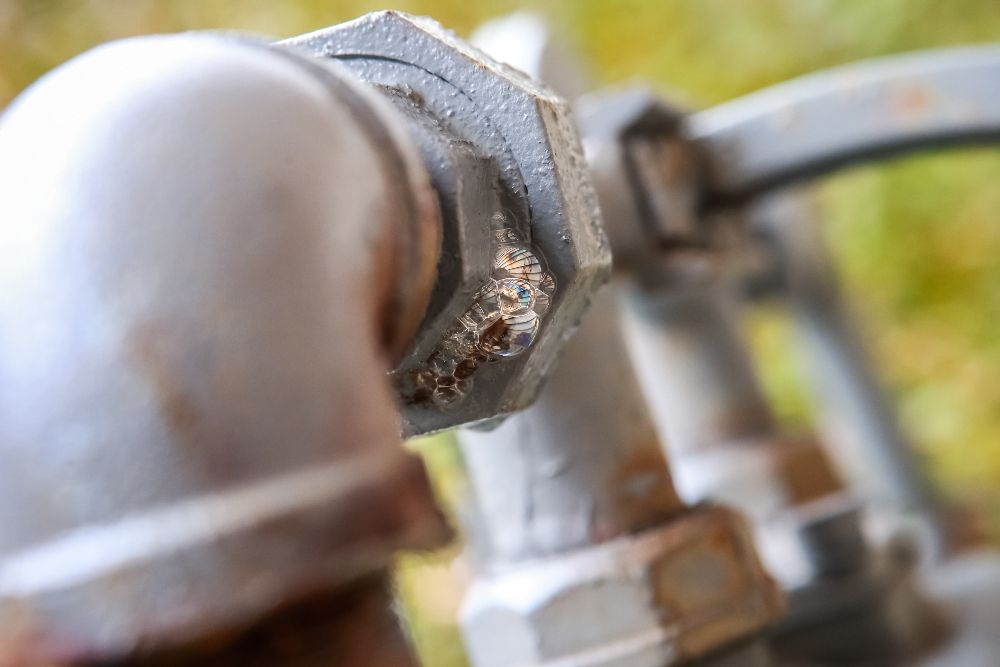
A well implemented LDAR program reduces economic costs through three channels.
Conclusion: LDAR, from reactive inspection to predictive control
For decades, LDAR programs for the detection and repair of industrial leaks were designed with a single objective: compliance. Through periodic inspections, manual records, timely repairs and archived documentation, a functional but fundamentally reactive cycle was established. It responded to what had already occurred, without real anticipation capacity or systematic learning.
However, increasing regulatory requirements, decarbonisation targets and ESG business criteria now demand verifiable and auditable data. At the same time, operational efficiency pressures in a context of tight margins and high energy costs add further constraints. Under these conditions, a reactive LDAR approach is no longer sufficient, nor competitive.
The transformation of LDAR has arrived through the integration of multi-parameter IoT sensor networks, cloud-based analytics platforms with geolocation and real-time alerts. Supported by statistical diagnostic tools, LDAR programs are shifting from isolated inspection campaigns to continuous surveillance, from late detection to early identification, and from corrective maintenance to data-driven predictive maintenance.
The reduction of industrial fugitive emissions achieved by a well-designed and properly instrumented LDAR program simultaneously generates economic savings, through recovered product, avoided compensation energy and prevented fines, improved process safety, through early detection of hazardous atmospheres and reduced chronic occupational exposure, and a measurable ESG asset, supported by traceable data, verifiable KPIs and quantified reductions of VOCs, HAPs and greenhouse gases. These three dimensions of value converge within a single LDAR program, driven by a shared data infrastructure and technological backbone.
Modern industry should not question whether to implement LDAR, but at what level of operational intelligence to implement it, considering network density, analytical capability, integration with existing management systems and the capacity to continuously and audibly demonstrate program effectiveness. In doing so, organisations activate a lever for efficiency, safety and competitive differentiation.
References
- Lotrecchiano N., Pecci A., Zappimbulso N., Ilacqua M.A., Ferranti F. (2025). Efficacy of the Leak Detection and Repair Program in the Italian Industrial Plants, Chemical Engineering Transactions, 116, 823-828. https://www.cetjournal.it/index.php/cet/article/view/CET25116138
- Wilde, S. E., Tyner, D. R., & Johnson, M. R. (2025). The Efficacy of Methane Leak Detection and Repair (LDAR) Programs in Practice. ACS ES & T Air, 2(11), 2527–2536. https://doi.org/10.1021/acsestair.5c00195
- Jinbo, Z., Ming, C. (2018). Leak Detection and Repair (LDAR) Standard Review for Self-Inspection and Management for VOC Emission in China’s Traditional Energy. Journal of Environmental Protection, Vol. 9 No. 11, 2018. https://www.scirp.org/journal/paperinformation?paperid=87916
- Ke J, Li S, Zhao D. (2020). The application of leak detection and repair program in VOCs control in China’s petroleum refineries. J Air Waste Manag Assoc. 2020 Sep;70(9):862-875. https://pubmed.ncbi.nlm.nih.gov/32663111/