Case Study

Brazil’s first Low Emission District (LED) in Rio de Janeiro to improve air quality and urban health

Municipal Secretary for the Environment and Climate (SMAC)
Sector:

Need

Rio de Janeiro is moving towards a new stage of climate leadership with the creation of the first Low Emission District (LED) in Brazil, an initiative aimed at reducing air pollution and transforming the city centre into a healthier, safer, and more sustainable environment.

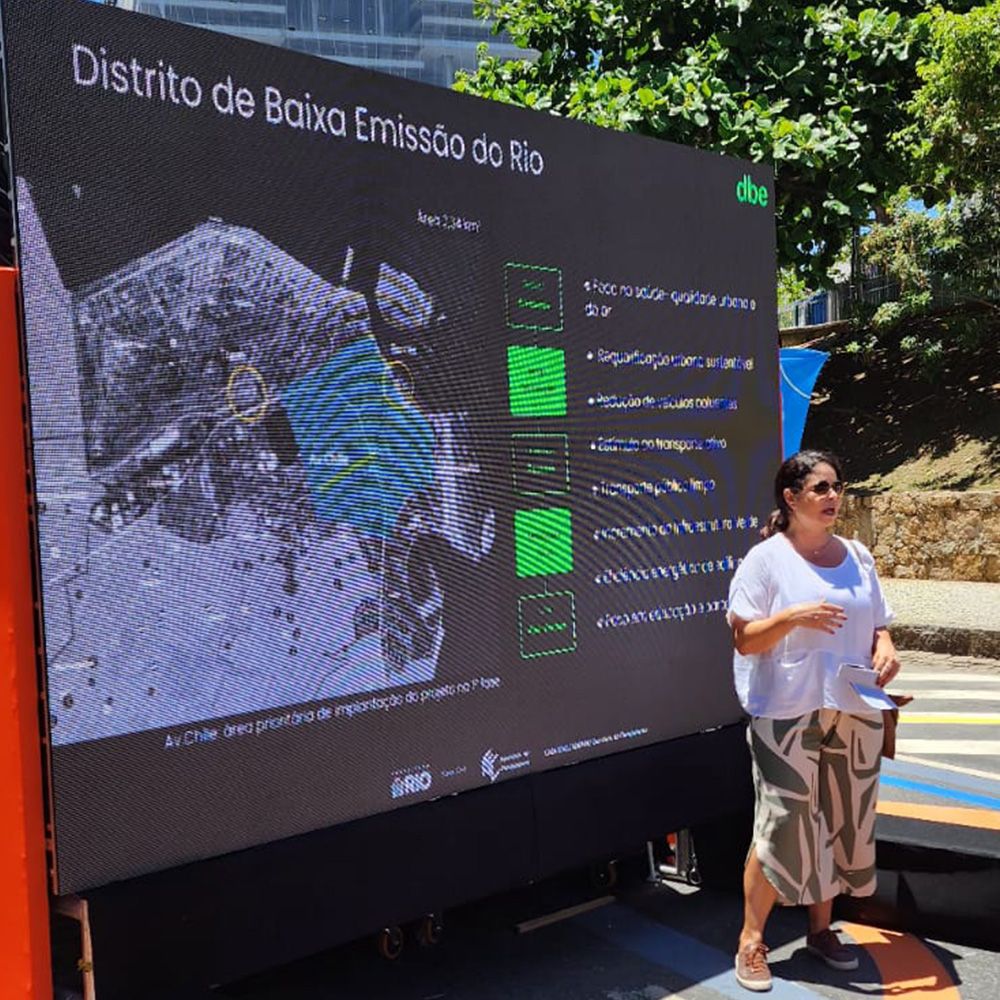
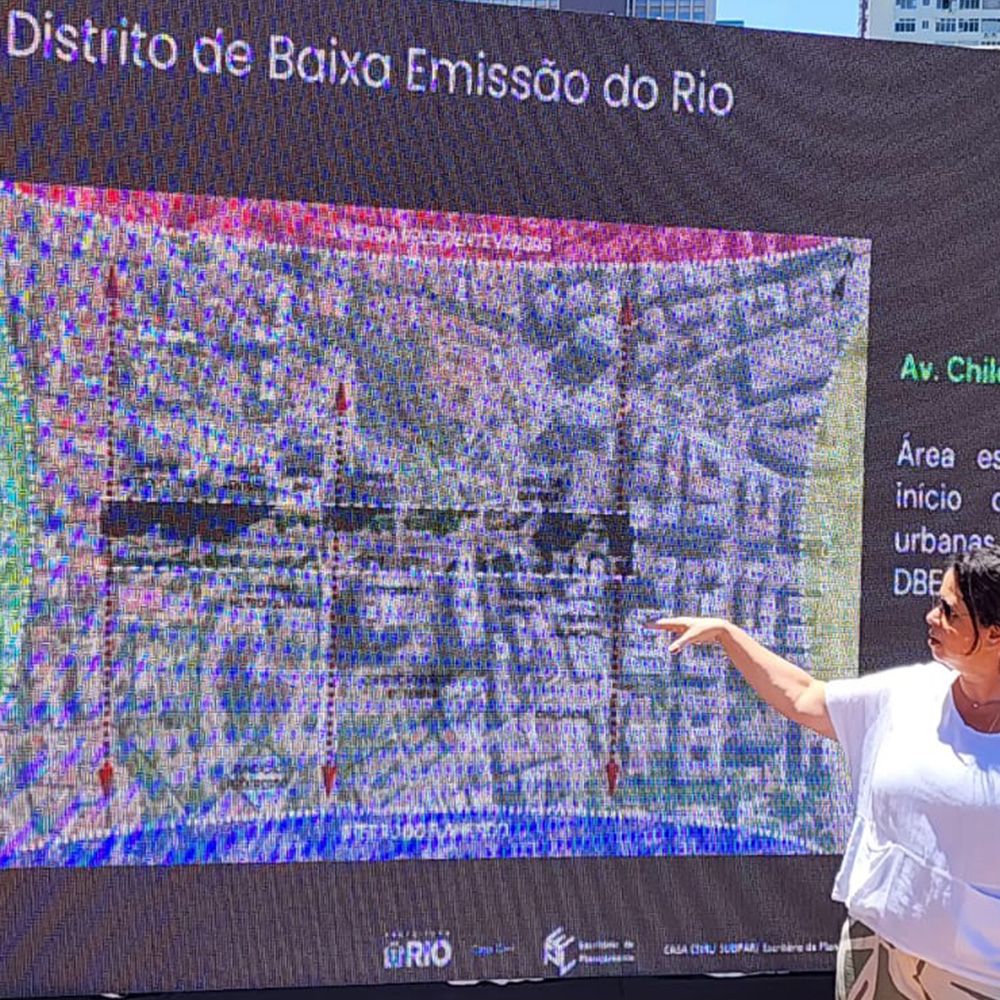
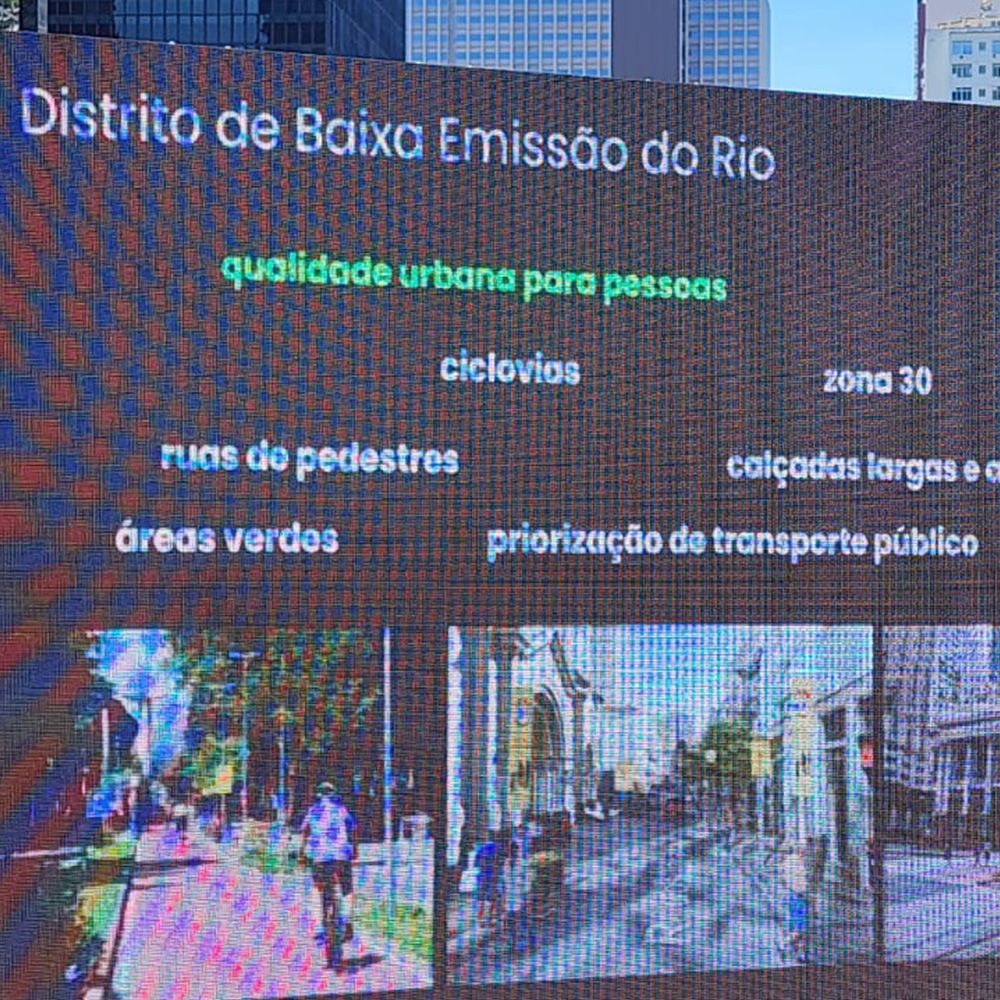
The project will connect the northern and southern areas of the city and includes the expansion of green spaces, the creation of cycle lanes, the prioritisation of pedestrian mobility, and a firm commitment to the use of electric vehicles. Its implementation will take place in phases until 2030, covering 2.3 km² of Rio’s historic core.

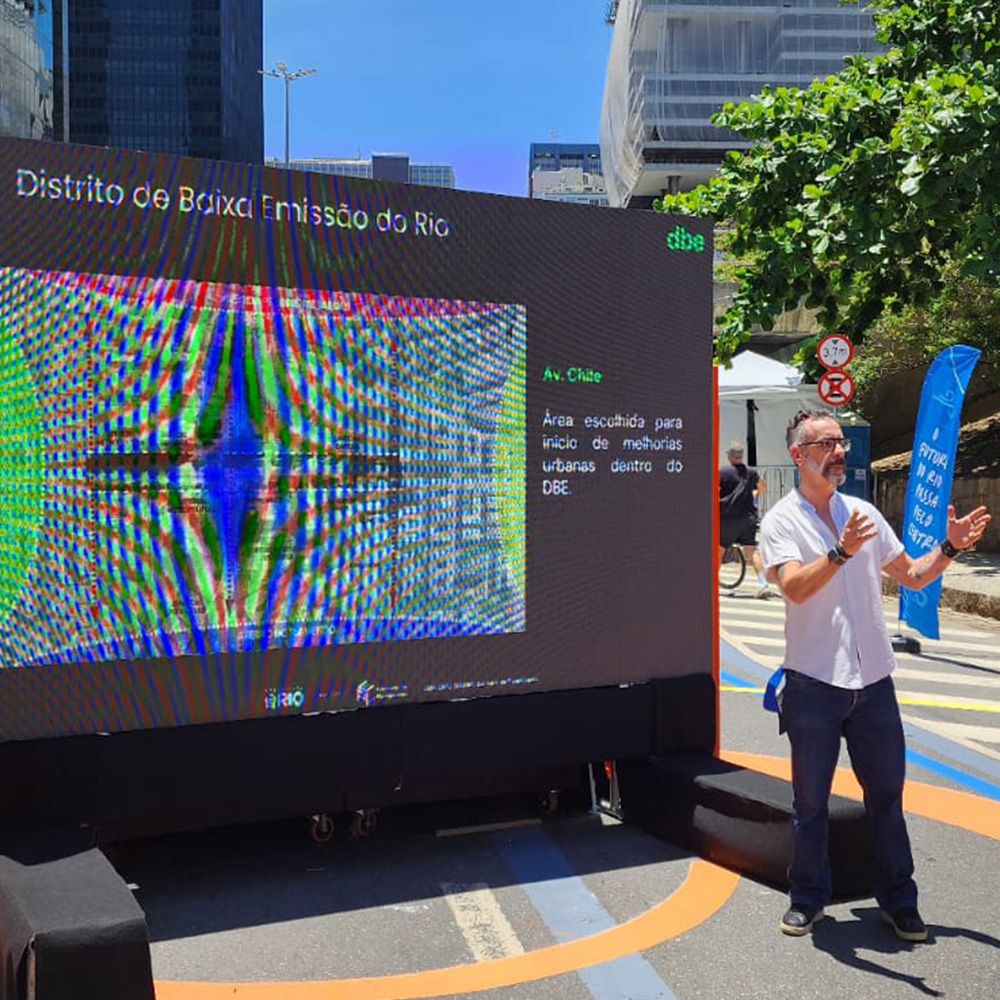
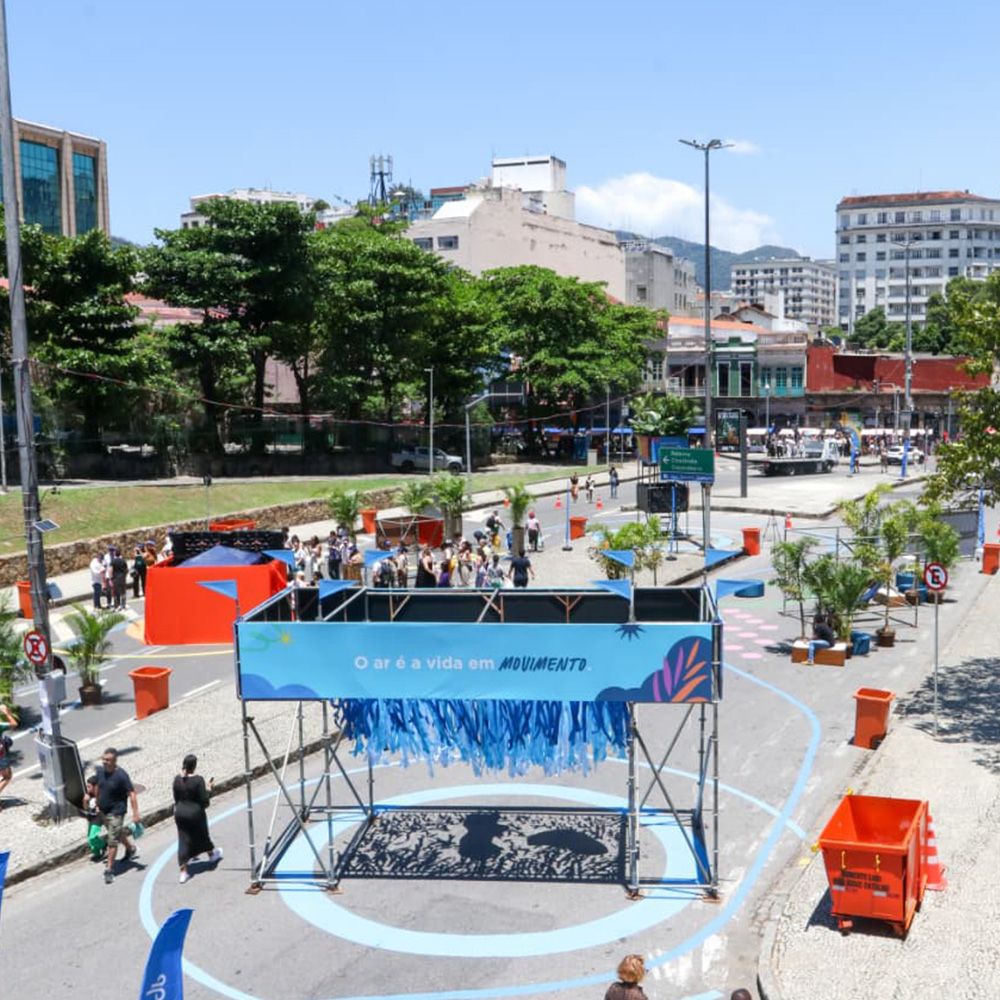
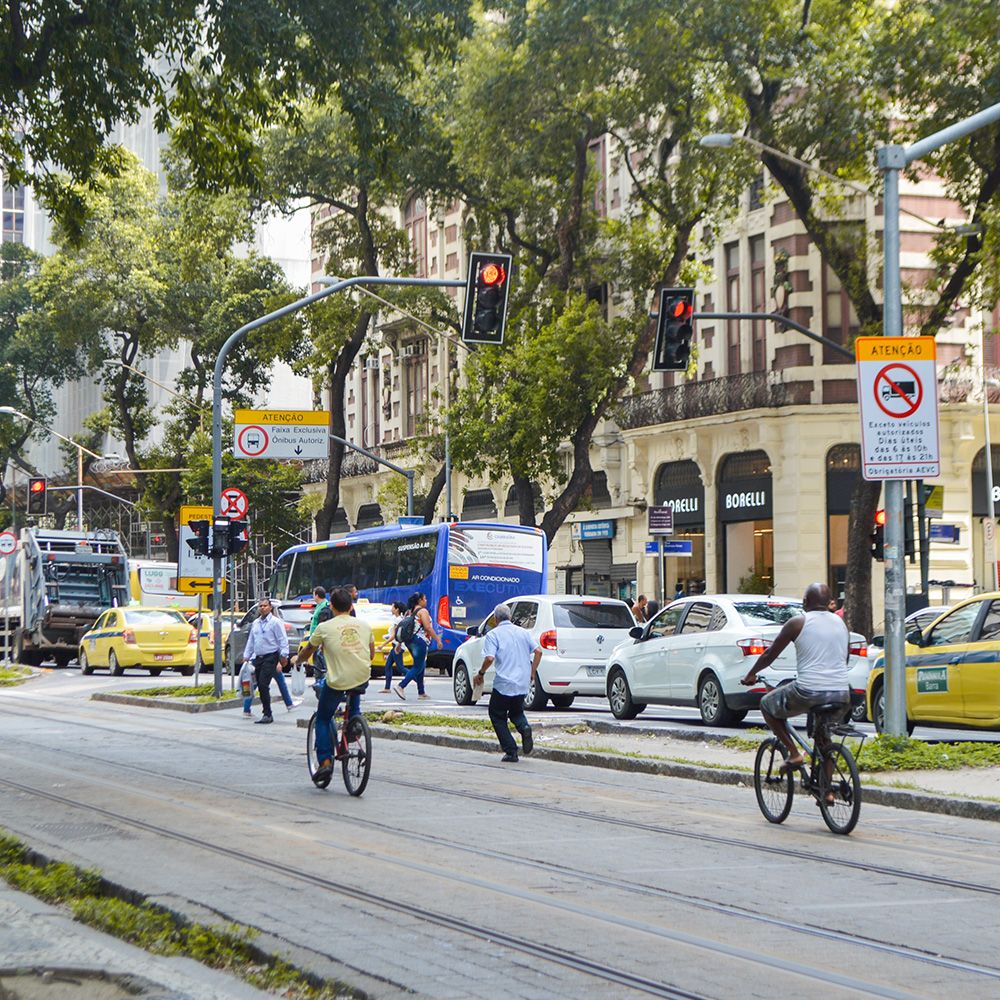
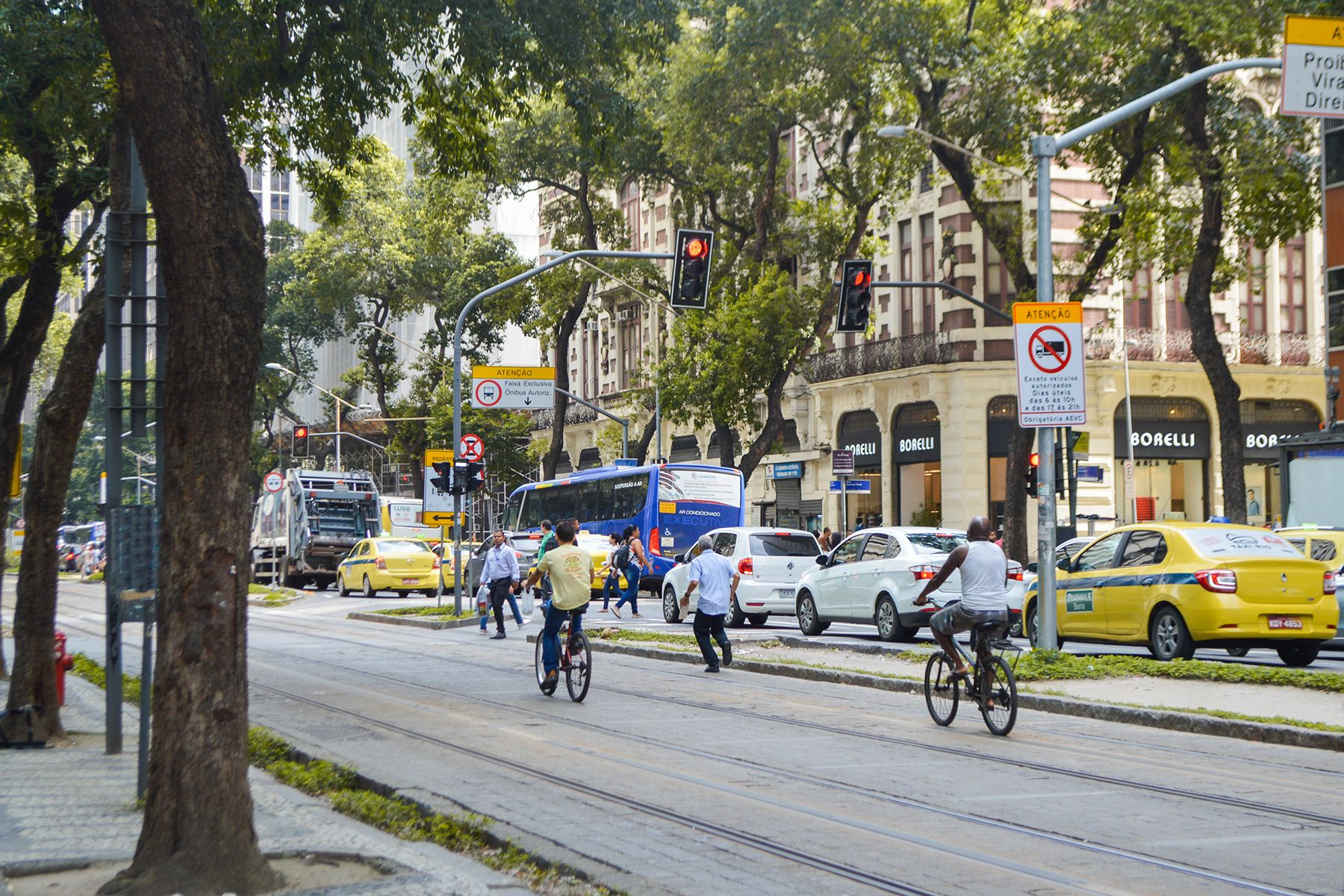
The Festival Respira Rio, held on 1 November 2025 along Avenida República do Chile, gave citizens the chance to experience for the first time what this new urban model will look like. The avenue, transformed with trees, urban art, green areas, and citizen participation spaces, became a life-size preview of the future Low Emission District (LED), the first of its kind in the country.

The event, organised by Breathe Cities and the Prefeitura do Rio, took place on the eve of the C40 World Mayors Summit and the COP30 Local Leaders Forum, consolidating Rio’s position as an international example of how cities can lead climate solutions at a local level.

Rio is an active member of C40 Cities, a global network of cities committed to reducing emissions and building climate resilience. Cities such as London, Paris, Barcelona, Johannesburg, Melbourne, Tokyo, and Lagos share with Rio a common vision based on data-driven urban policies, technological innovation, and institutional collaboration. The network plays a key role in accelerating initiatives such as the LED, driving the transition towards more sustainable, inclusive, and healthier urban environments.

Rio’s main challenge is to tackle air pollution through accurate and accessible data. Achieving this requires a continuous monitoring network capable of identifying critical areas, assessing public policies, and protecting the most exposed communities.

The city is also advancing with the electrification of public transport, with the first electric buses set to arrive in 2026. The integration of these mobility policies with a robust monitoring network makes the LED a strategic project for urban health.

Within this framework, the need arose to deploy a robust environmental sensor infrastructure that is traceable to international standards and capable of operating in complex urban environments.

Eduardo Paes, Mayor of Rio de Janeiro:
“With this initiative, Rio is showing leadership in the fight against air pollution. We are creating the country’s first Low Emission District and expanding air quality monitoring, which will improve the health and quality of life of all Cariocas.”
Distrito de bajas emisiones en Rio de Janeiro - Río de Janeiro crea el primer distrito de baja emisión de Brasil con monitoreo avanzado del aire para mejorar la salud y la sostenibilidad urbana.Distrito de bajas emisiones en Rio de Janeiro - Río de Janeiro crea el primer distrito de baja emisión de Brasil con monitoreo avanzado del aire para mejorar la salud y la sostenibilidad urbana.Distrito de bajas emisiones en Rio de Janeiro - Río de Janeiro crea el primer distrito de baja emisión de Brasil con monitoreo avanzado del aire para mejorar la salud y la sostenibilidad urbana.Distrito de bajas emisiones en Rio de Janeiro - Río de Janeiro crea el primer distrito de baja emisión de Brasil con monitoreo avanzado del aire para mejorar la salud y la sostenibilidad urbana.Distrito de bajas emisiones en Rio de Janeiro - Río de Janeiro crea el primer distrito de baja emisión de Brasil con monitoreo avanzado del aire para mejorar la salud y la sostenibilidad urbana.Distrito de bajas emisiones en Rio de Janeiro - Río de Janeiro crea el primer distrito de baja emisión de Brasil con monitoreo avanzado del aire para mejorar la salud y la sostenibilidad urbana.Distrito de bajas emisiones en Rio de Janeiro - Río de Janeiro crea el primer distrito de baja emisión de Brasil con monitoreo avanzado del aire para mejorar la salud y la sostenibilidad urbana.Distrito de bajas emisiones en Rio de Janeiro - Río de Janeiro crea el primer distrito de baja emisión de Brasil con monitoreo avanzado del aire para mejorar la salud y la sostenibilidad urbana.Distrito de bajas emisiones en Rio de Janeiro - Río de Janeiro crea el primer distrito de baja emisión de Brasil con monitoreo avanzado del aire para mejorar la salud y la sostenibilidad urbana.Distrito de bajas emisiones en Rio de Janeiro - Río de Janeiro crea el primer distrito de baja emisión de Brasil con monitoreo avanzado del aire para mejorar la salud y la sostenibilidad urbana.Distrito de bajas emisiones en Rio de Janeiro - Río de Janeiro crea el primer distrito de baja emisión de Brasil con monitoreo avanzado del aire para mejorar la salud y la sostenibilidad urbana.Distrito de bajas emisiones en Rio de Janeiro - Río de Janeiro crea el primer distrito de baja emisión de Brasil con monitoreo avanzado del aire para mejorar la salud y la sostenibilidad urbana.Distrito de bajas emisiones en Rio de Janeiro - Río de Janeiro crea el primer distrito de baja emisión de Brasil con monitoreo avanzado del aire para mejorar la salud y la sostenibilidad urbana.Distrito de bajas emisiones en Rio de Janeiro - Río de Janeiro crea el primer distrito de baja emisión de Brasil con monitoreo avanzado del aire para mejorar la salud y la sostenibilidad urbana.Distrito de bajas emisiones en Rio de Janeiro - Río de Janeiro crea el primer distrito de baja emisión de Brasil con monitoreo avanzado del aire para mejorar la salud y la sostenibilidad urbana.

Solution

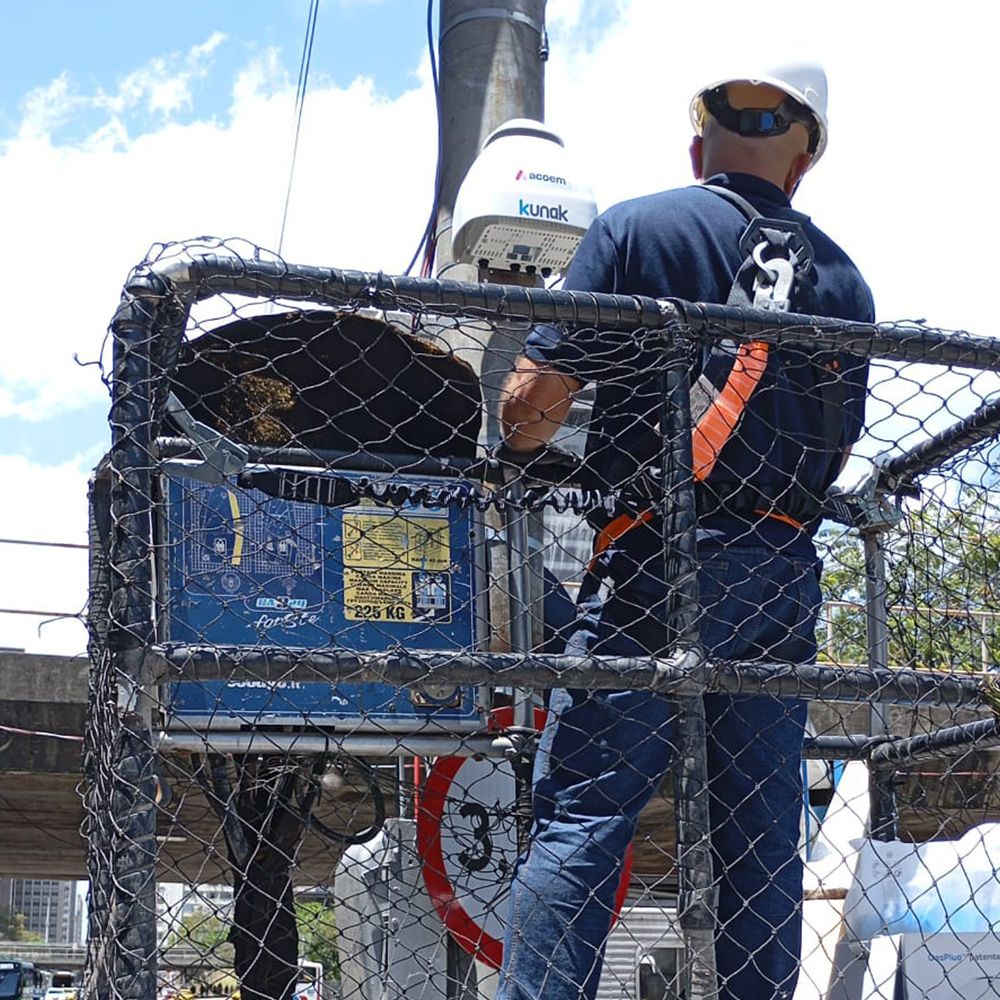
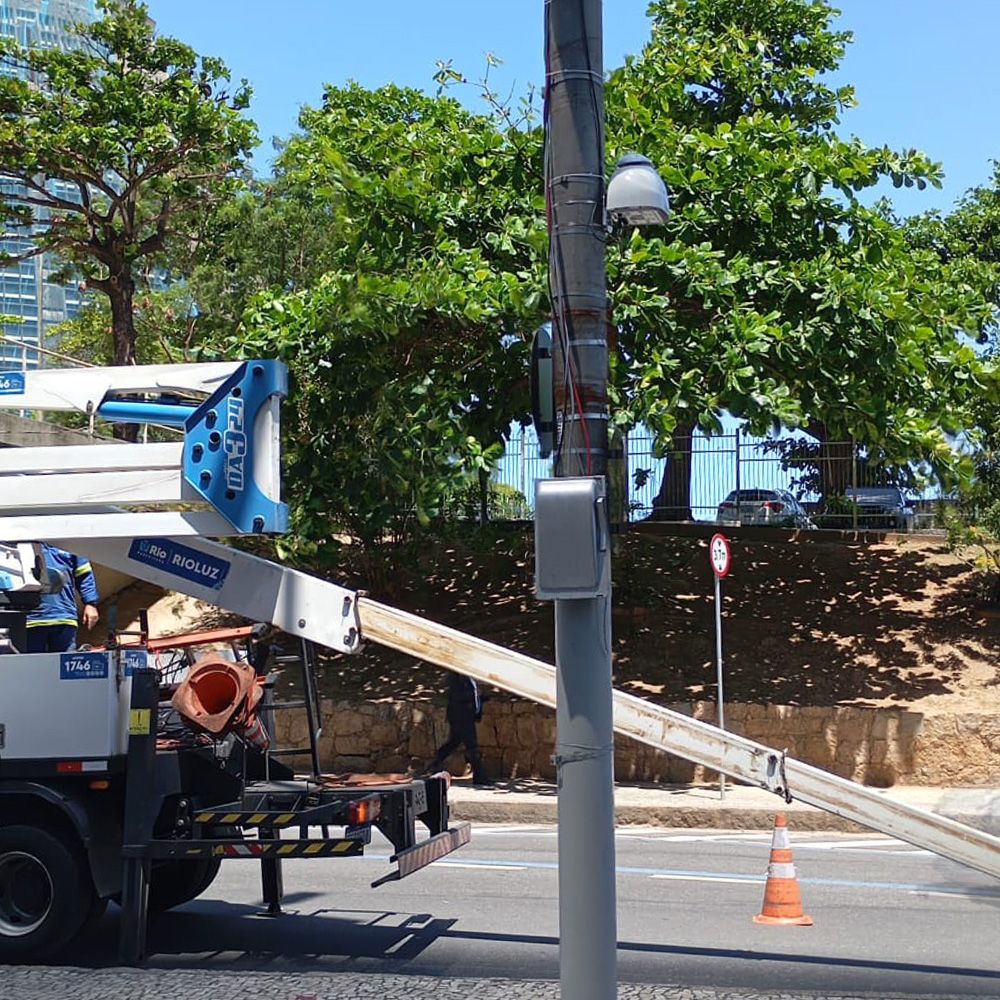
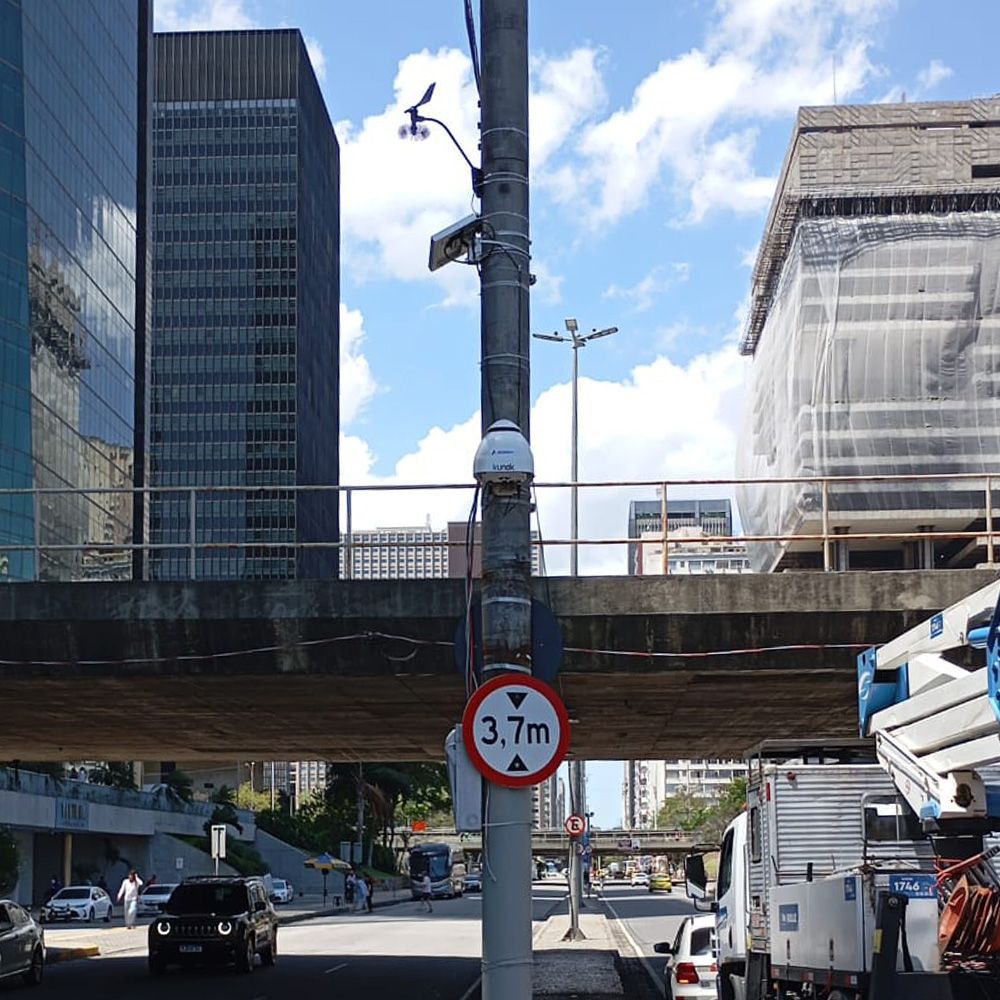
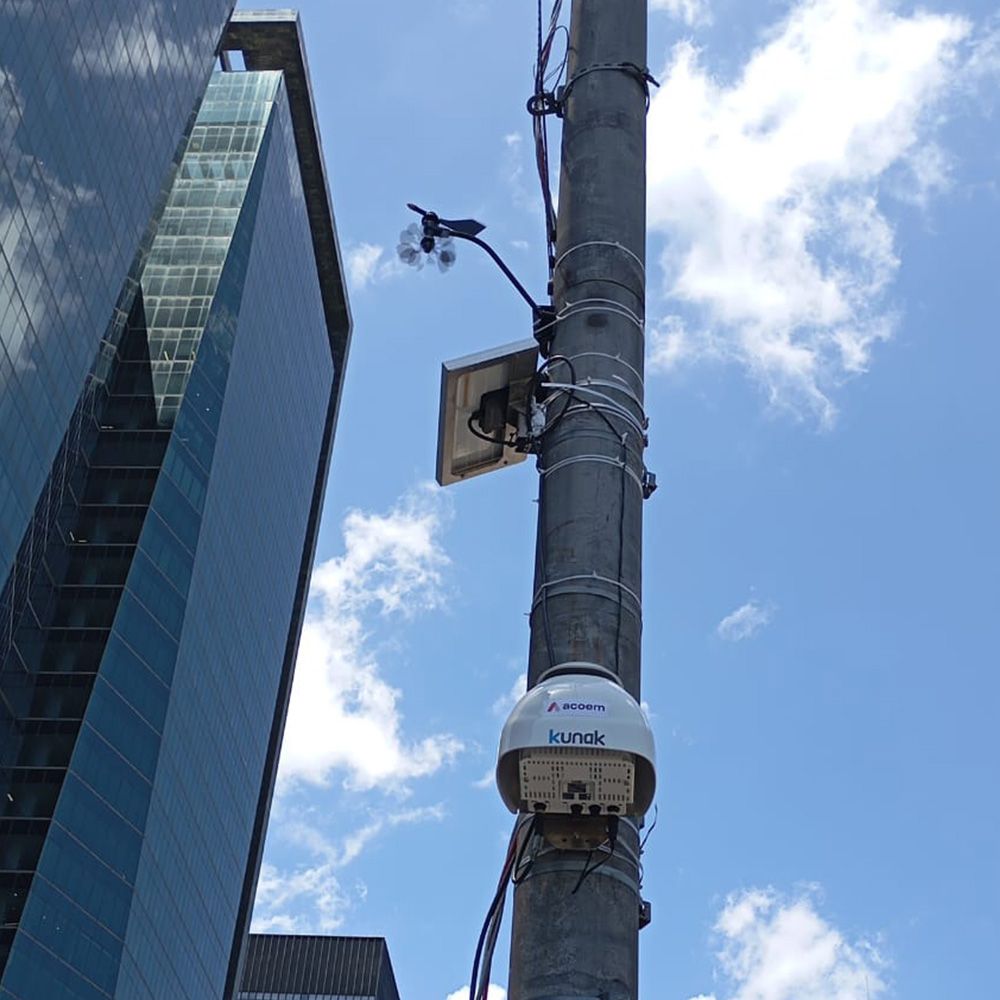
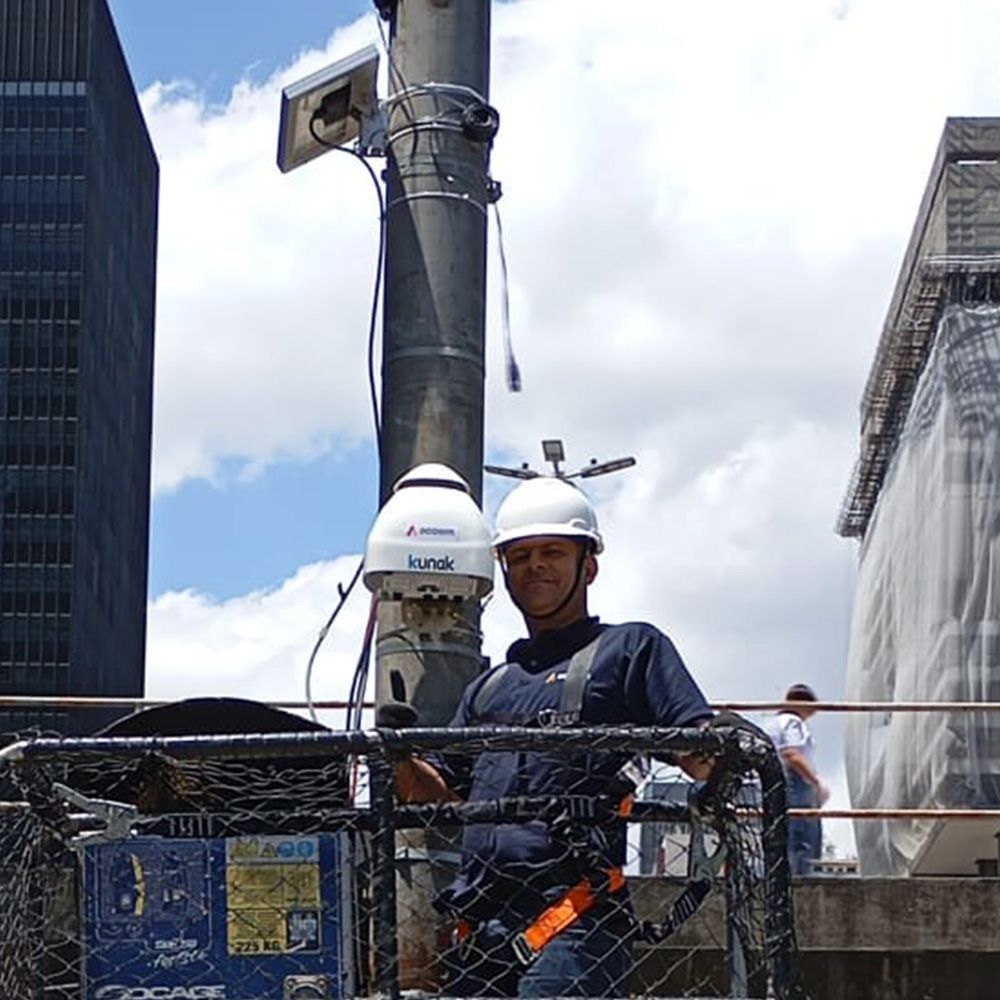
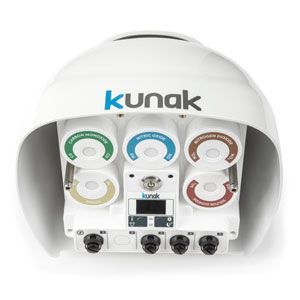
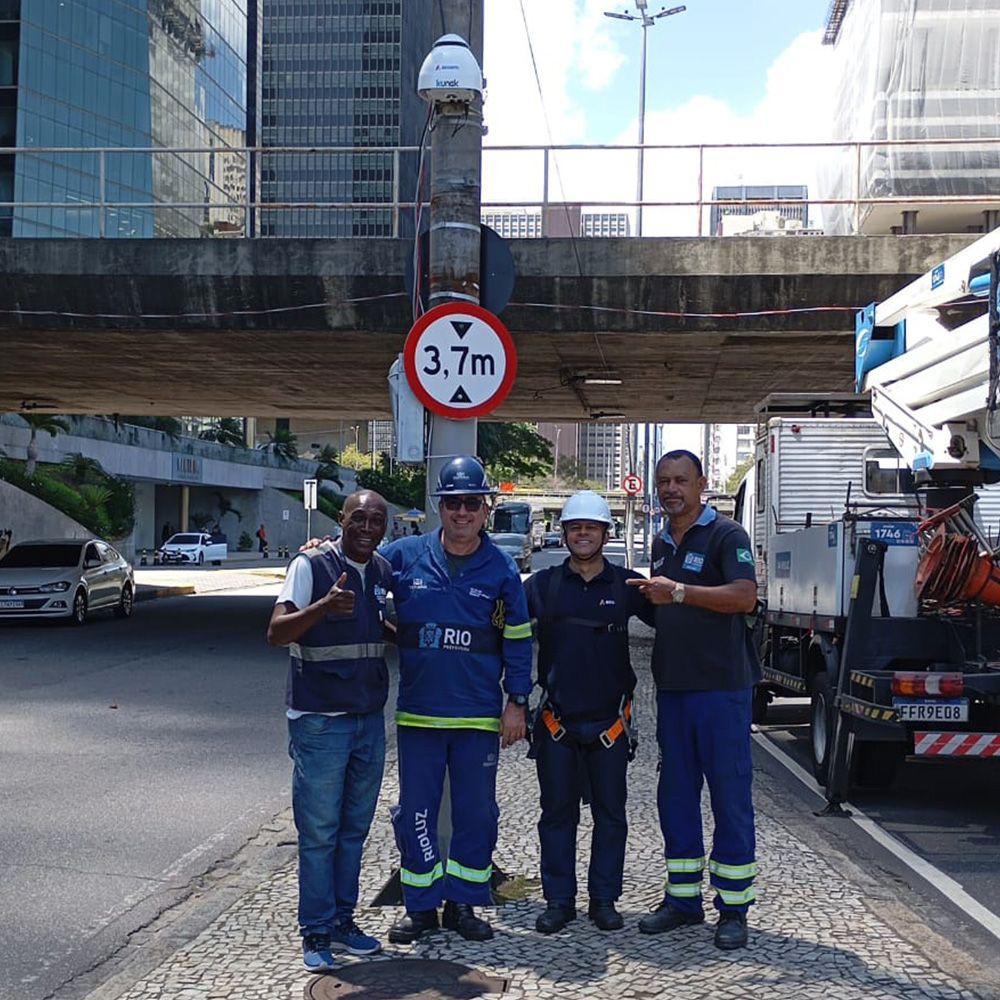
Rio’s strategy is based on a simple principle: Without data, there is no effective climate action. To achieve this, a network of 10 Kunak AIR Pro air quality stations was deployed, supplied, installed, and maintained by Acoem Brazil.

  • 9 permanent stations acquired by the Secretaria Municipal do Ambiente e Clima (SMAC) as part of the main Low Emission District project.
  • 1 additional temporary station installed on Avenida República do Chile for two weeks during the Festival Respira Rio.

The Kunak AIR Pro stations stand out for their near-reference precision, remote calibration capability, continuous connectivity, and the reliability required for public health projects. Their deployment expands coverage and improves the spatial resolution of data, which is essential for densely populated areas with variable pollution patterns.

Equipped with high-precision sensors, these stations provide traceable data comparable to international standards, enabling a continuous assessment of public policy effectiveness and faster responses to pollution episodes.

The project is part of the Breathe Cities initiative, which aims to reduce pollution and emissions by 30% by 2030 compared to 2019 levels. According to the initiative’s estimates, these measures could:

  • Prevent 55,000 premature deaths
  • Reduce 111,000 new childhood asthma cases
  • Avoid 394 megatonnes of CO₂ equivalent
  • Save 147 billion USD in healthcare costs

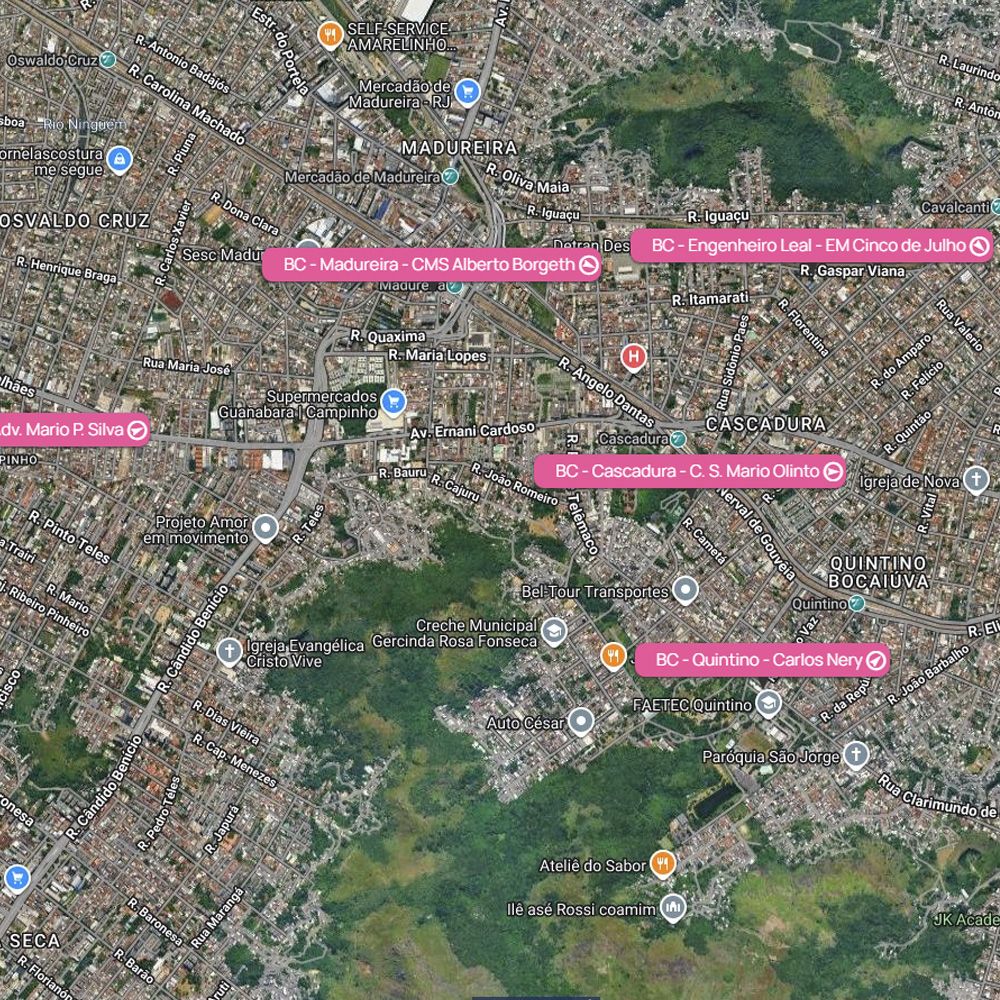
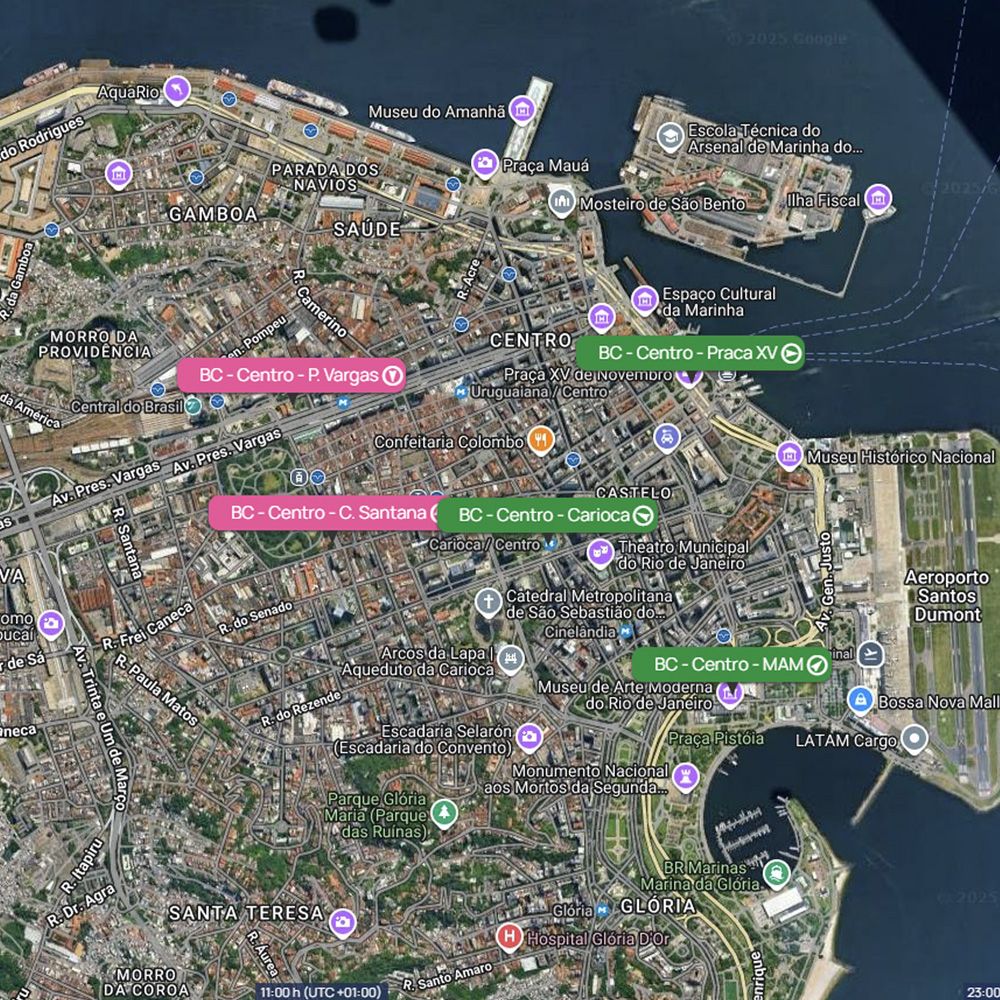
The ten stations were installed at strategic points across the city to provide a representative and diverse reading of the urban environment.

No. Location Type of site
1 Campinho – CF Mario P. Silva Public medical centre
2 Cascadura – CMS Mário Olinto de Oliveira Public medical centre
3 Centro – EM C. Salles Public school
4 Centro – Museu de Arte Moderna Modern art museum
5 Centro – Praça XV Public square
6 Centro – Av. Chile – Festival Respira Rio DBE event – temporary unit
7 Engenheiro Leal – EM Cinco de Julho Public school
8 Madureira – CMS Alberto B. Public medical centre
9 Madureira – Parque Madureira Public park
10 Presidente Vargas – EM Rivadávia Corrêa Public school

This network will make it possible to assess air quality trends in central Rio, identify improvements, detect critical episodes, and guide mobility and public space measures within the Low Emission District.

Results

The creation of the Low Emission District (LED) marks a turning point in Brazil’s urban planning. The deployment of the Kunak AIR Pro stations has enabled the city to:

  • Reduce pollutant emissions in the city centre.
  • Make urban planning decisions based on reliable indicators.
  • Increase public awareness about pollution and its effects on health.
  • Promote sustainable policies with a positive impact on mobility, wellbeing, and urban resilience.
  • Plan a safer, healthier, and more attractive urban centre.

This project turns Rio into an urban climate innovation laboratory within the global C40 Cities network. The cities in this network include some of the world’s most influential urban centres — such as Amsterdam, London, Paris, Tokyo, Sydney, Johannesburg, Lagos, and Seoul. Rio’s inclusion strengthens its role as a global city committed to a zero-emission future.

During the Festival Respira Rio, educational activities, workshops, and public consultations were organised to raise awareness among citizens about air quality and gather feedback on the future Low Emission District (LED). This participatory process strengthens the connection between technology, community, and public policy.

Leonora Bedoya, Commercial and Business Manager at Acoem Brazil:

“The greatest legacy of this project is the improvement of public health and the creation of a more sustainable and resilient urban environment. Accurate air quality monitoring is a key pillar of proactive climate management. We are proud to support Rio on its path towards a cleaner and healthier future.”

Thanks to this collaboration, the future Rio LED will become an urban laboratory for climate innovation, where real-time environmental data will make it possible to:

  • Reduce pollutant emissions in the city centre.
  • Optimise urban decisions based on reliable indicators.
  • Increase public awareness about pollution and its health impacts.
  • Promote sustainable policies that positively impact mobility, wellbeing, and resilience.

The Low Emission District of Rio de Janeiro represents a pioneering model of urban transformation driven by data, science, and citizen participation. Through the Festival Respira Rio, the city has demonstrated that combining environmental monitoring technology, sustainable policies, and community engagement can lead to concrete actions to improve air quality and public health.

This project reinforces Acoem Brazil’s leadership in developing technological solutions for urban environmental management and establishes Rio de Janeiro as a Latin American benchmark for climate innovation.

The journey that began on Avenida Chile lays the foundation for a new generation of cities that are more sustainable, safe, and healthy, where breathing clean air ceases to be a privilege and becomes a universal right.

Rio thus opens the door for other cities in the region to develop their own low-emission zones, integrating advanced air quality monitoring as a key tool for climate action and improved quality of life.

Project details

Customer: Municipal Secretary for the Environment and Climate (SMAC)

User: Río de Janeiro City Hall

Location: Rio de Janeiro, Brazil

Sector:

Year: 2025

Parameters:

The network of deployed stations provides hyperlocal, real-time data on:

  • Particulate matter: PM10 and PM2.5, TSP (Total Suspended Particles) and TPC (Total Particle Count).
  • Meteorological conditions: wind speed and direction, temperature, humidity, pressure, and dew point.

Solutions

  • AIR ProProfessional air quality monitoring station
    Air quality monitor

    AIR Pro

    The most accurate air quality monitoring station

    SENSOR-BASED | BEST AVAILABLE ACCURACY

    Benefits

    • Multi-pollutant
    • Smart cartridge system
    • Fully autonomous
    • Real-time data
    • Proven accuracy
    See more
  • Particulate MatterReliable real-time data on suspended particles

    Particulate Matter

    Reliable information about particulate matter

    GASPLUG TECHNOLOGY | PATENTED DESIGN

    Specs

    • Optical particle counter
    • Up to R2 >0.9
    • Range: 0-1,000 | 0-2,000 | 0-10,000 ppb
    • Resolution: 1 μg/m3
    • 24 months of operating life
    See more
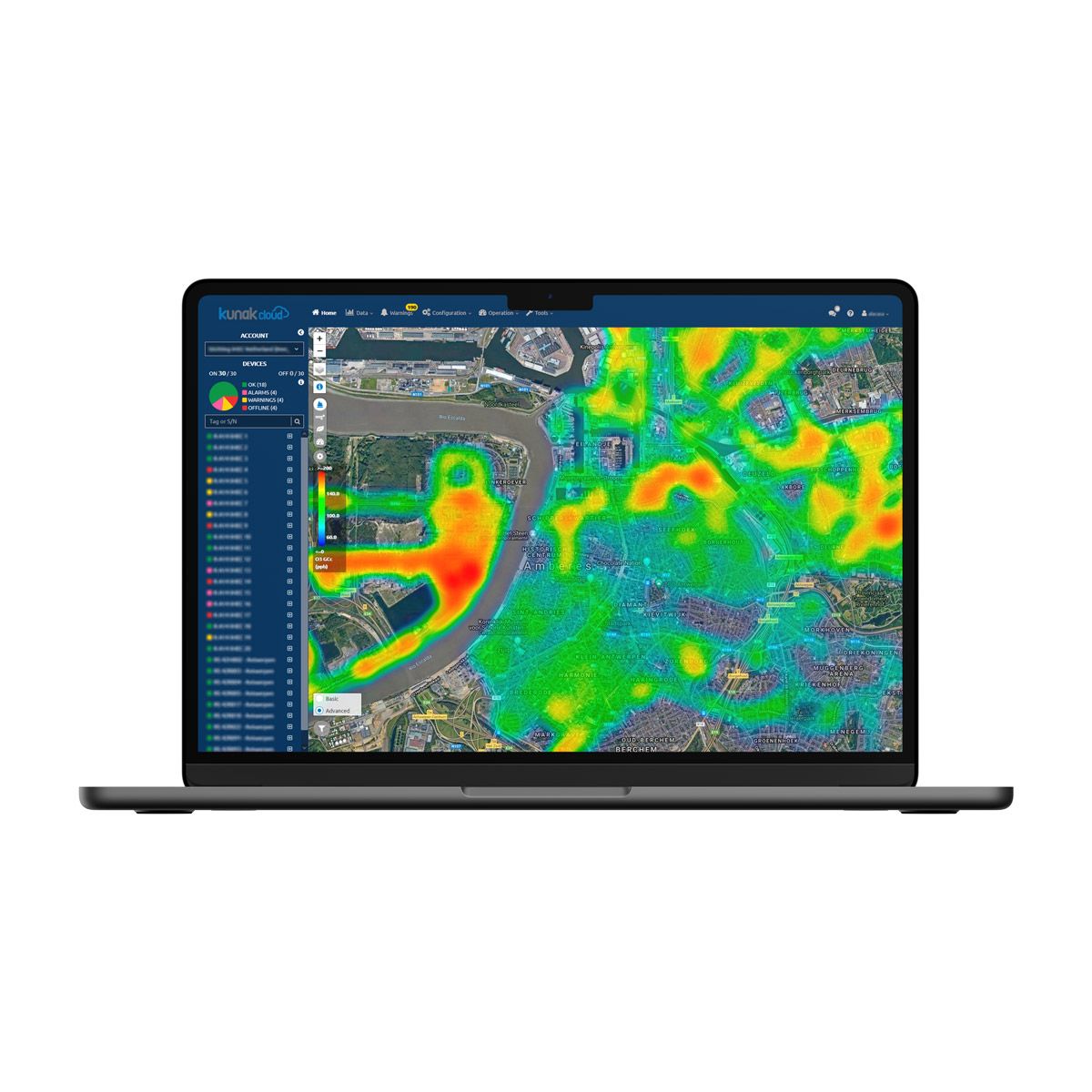
  • AIR CloudAir quality software
    Air quality software - Kunak AIR Cloud

    AIR Cloud

    Multipurpose air quality software for professionals

    REAL-TIME DATA | ALWAYS UPDATED

    Benefits

    • Secure and condifential
    • Air quality reporting
    • Advanced data analysis and visualisation
    • Reliable data guaranteed
    • Data sharing and integration
    See more
Air quality monitor

AIR Pro

The most accurate air quality monitoring station

SENSOR-BASED | BEST AVAILABLE ACCURACY

Benefits

  • Multi-pollutant
  • Smart cartridge system
  • Fully autonomous
  • Real-time data
  • Proven accuracy
See more

Particulate Matter

Reliable information about particulate matter

GASPLUG TECHNOLOGY | PATENTED DESIGN

Specs

  • Optical particle counter
  • Up to R2 >0.9
  • Range: 0-1,000 | 0-2,000 | 0-10,000 ppb
  • Resolution: 1 μg/m3
  • 24 months of operating life
See more
Air quality software - Kunak AIR Cloud

AIR Cloud

Multipurpose air quality software for professionals

REAL-TIME DATA | ALWAYS UPDATED

Benefits

  • Secure and condifential
  • Air quality reporting
  • Advanced data analysis and visualisation
  • Reliable data guaranteed
  • Data sharing and integration
See more