Need
The Turrialba Volcano, rising to an altitude of 3,340 metres, is one of the most challenging environments on Earth for conducting atmospheric measurements. Its extreme conditions—including low pressure, variable winds and constant volcanic gas emissions—make the use of traditional instruments particularly difficult.
Since the late 1990s, researchers from the National University of Costa Rica have closely monitored Turrialba’s activity to understand its eruptive processes and the impact of fumaroles and degassing on nearby communities.
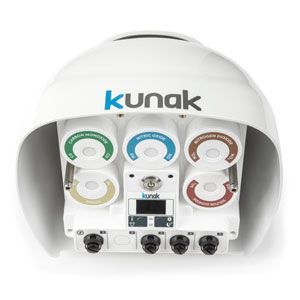
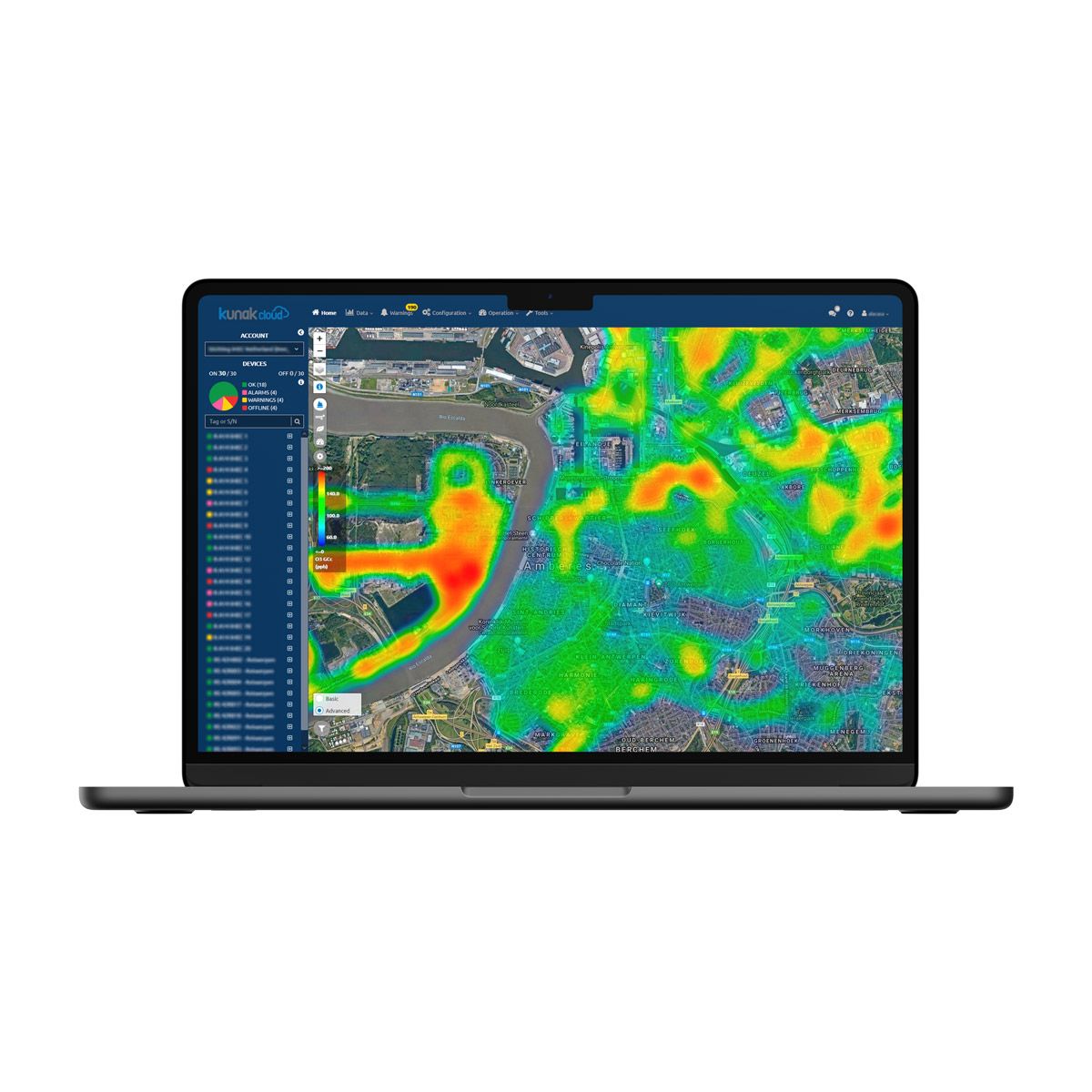
In 2022, the Atmospheric Chemistry Laboratory (LAQAT-UNA) and Atmospheric Analytical Services launched an international collaboration aimed at analysing in real time the composition of the air at the volcano’s summit, integrating advanced technology for scientific, educational and public-safety purposes.
Since the eruptive period between 1998 and 2008, researchers at the National University have conducted continuous monitoring of fumarole activity, temperature, degassing and seismic events around the Turrialba volcanic region. New data-collection stations and innovative approaches to measuring air quality around degassing volcanoes are now supporting these ongoing observations in Costa Rica’s national volcanic parks.