Need
Asunción, the capital of Paraguay, has experienced sustained urban growth in recent years, accompanied by an increase in vehicle traffic and greater industrial activity in its metropolitan area. This development, while economically positive, has increased pressure on urban air quality.
In this context, having continuous and reliable environmental data became an institutional priority. Without representative and up-to-date information, it is difficult to design effective public policies, activate protocols during pollution episodes or assess the real impact of the measures implemented.
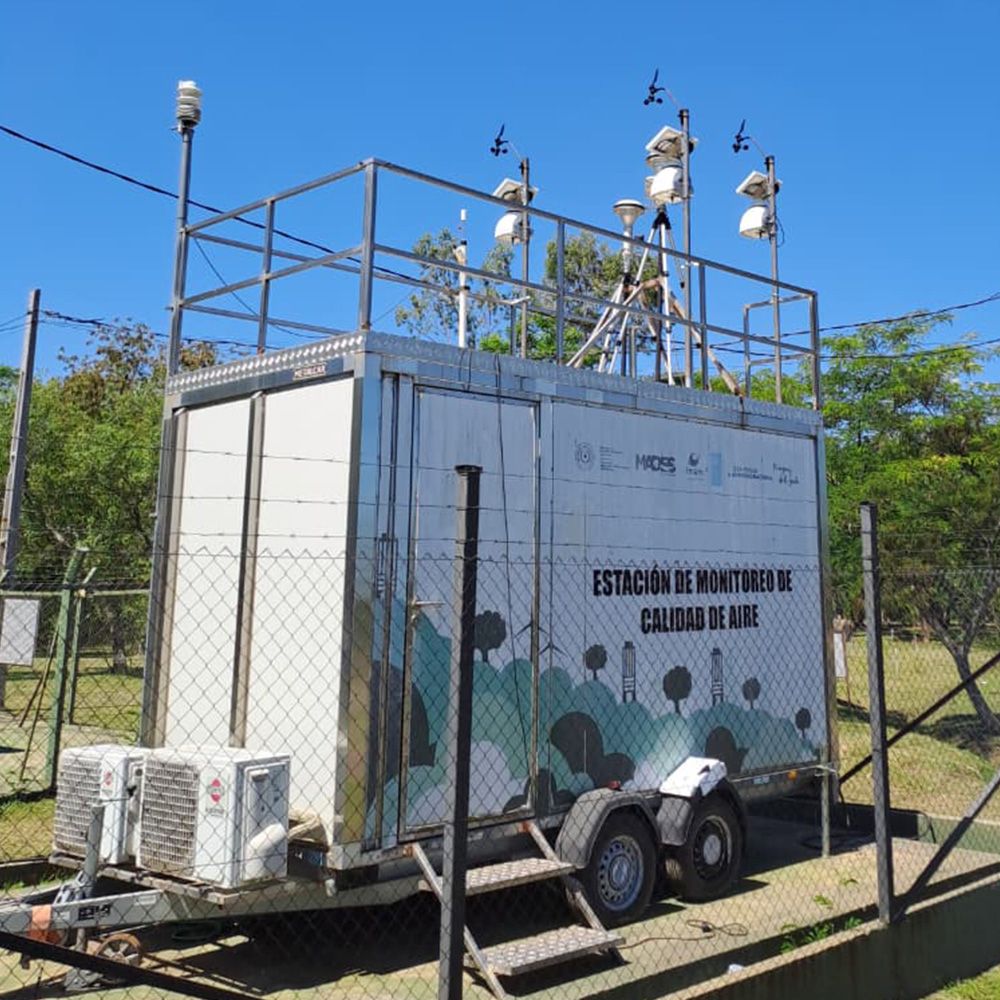
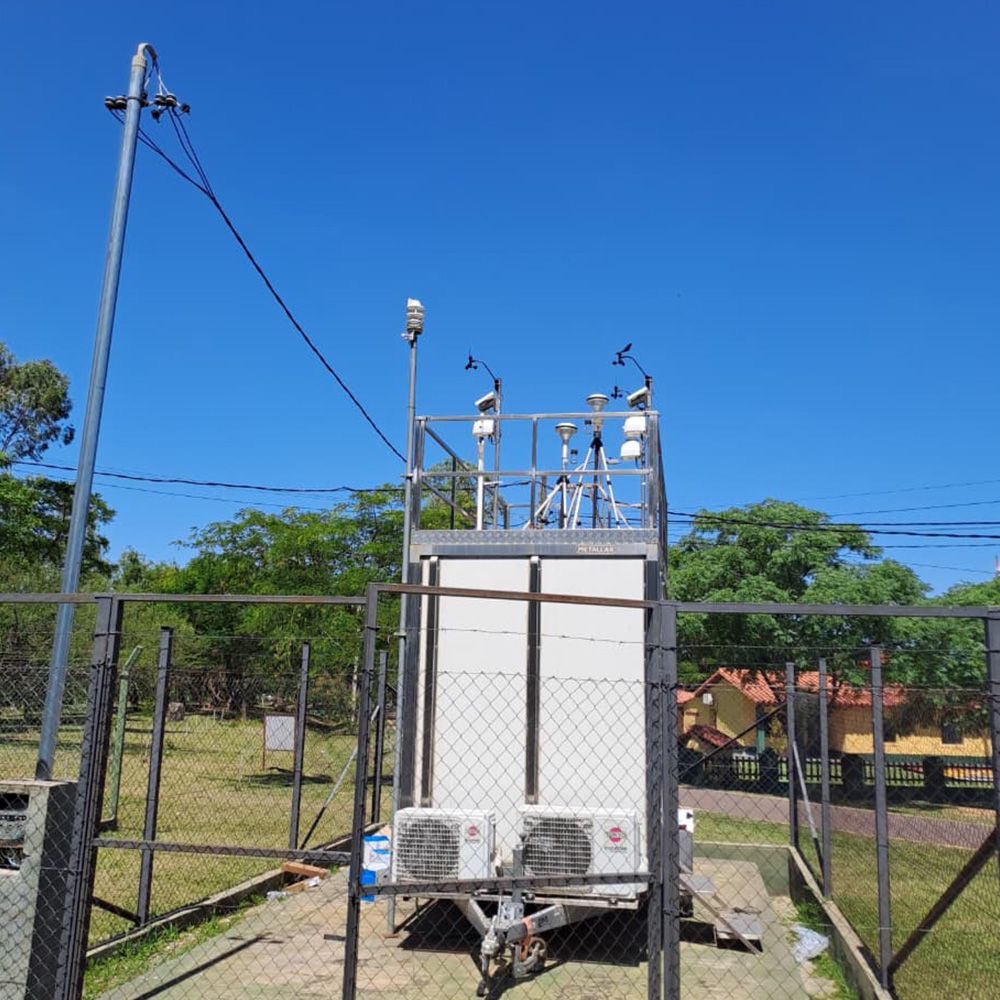
The Ministry of the Environment and Sustainable Development (MADES) therefore launched a project to modernise its atmospheric monitoring network. The objective was to strengthen the existing infrastructure and expand spatial coverage by integrating new technologies capable of improving the temporal resolution of data without incurring the high operational costs of traditional stations.
As urban challenges evolve, the ability to measure accurately becomes the foundation of any environmental management strategy.
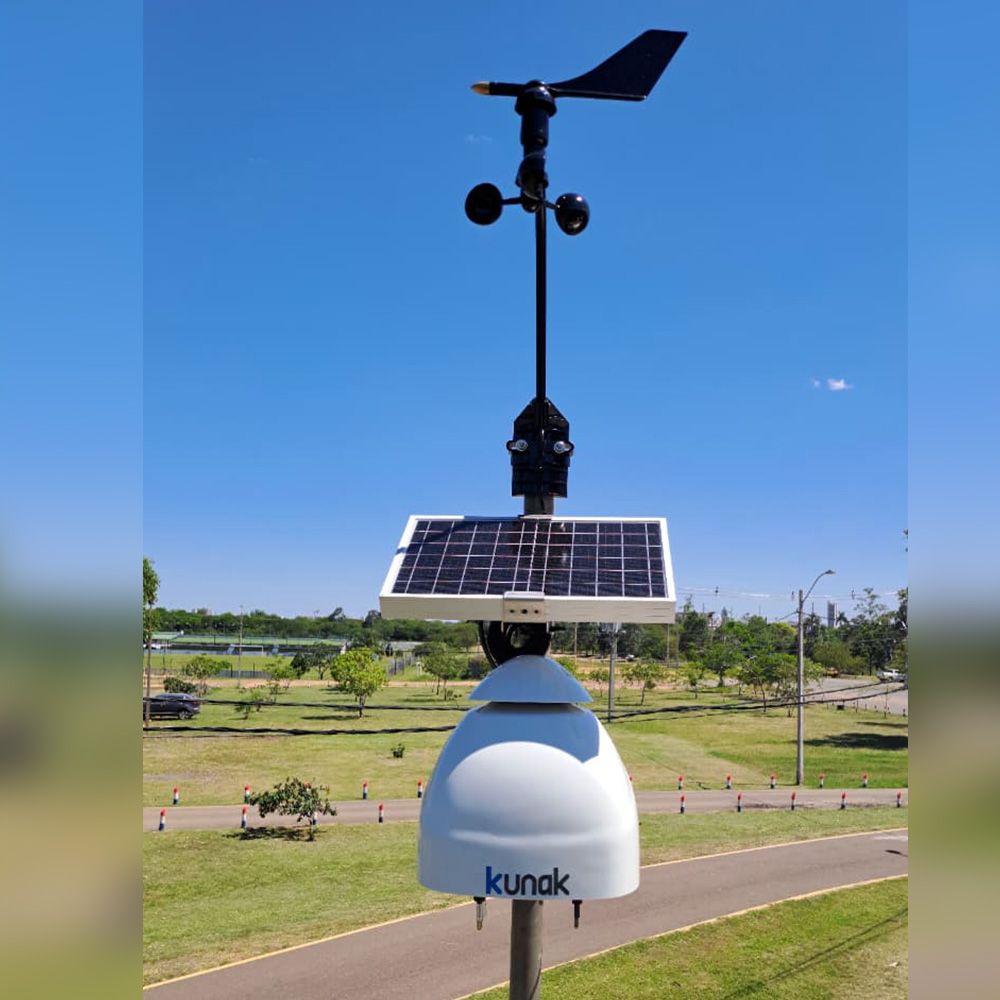
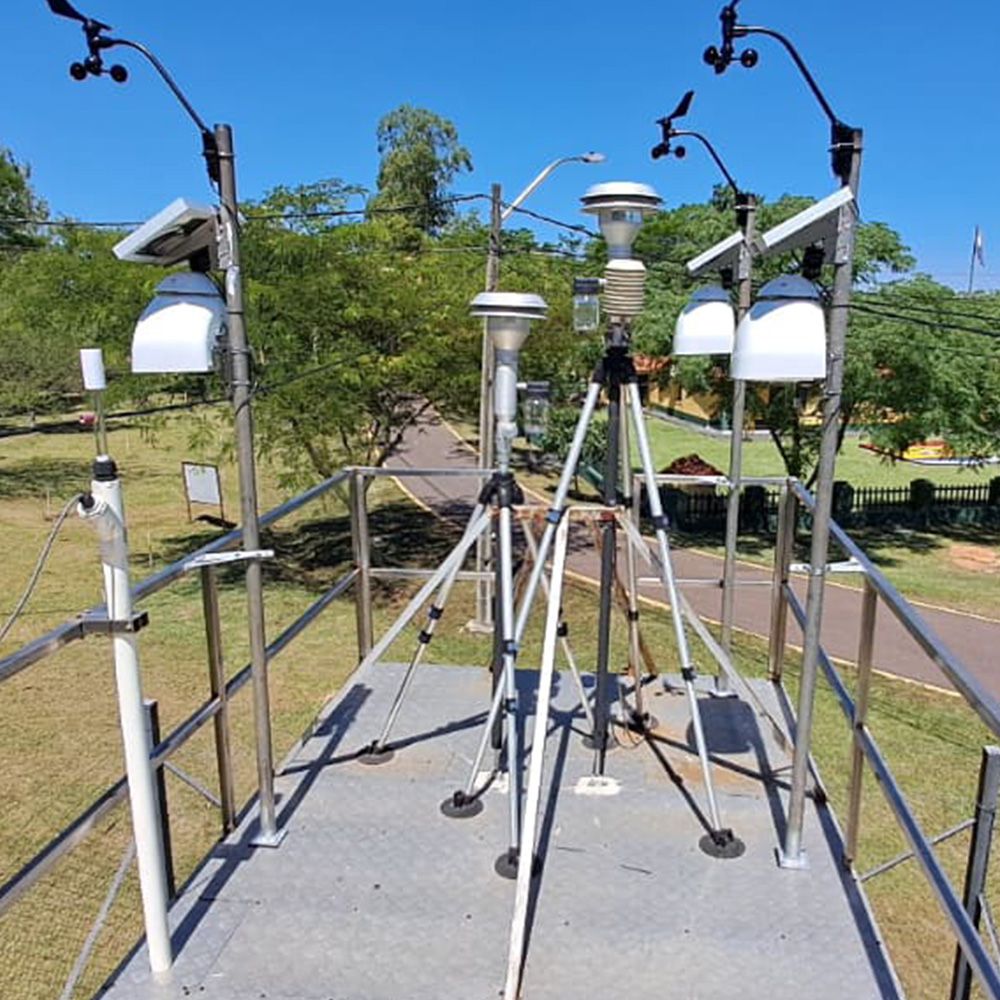
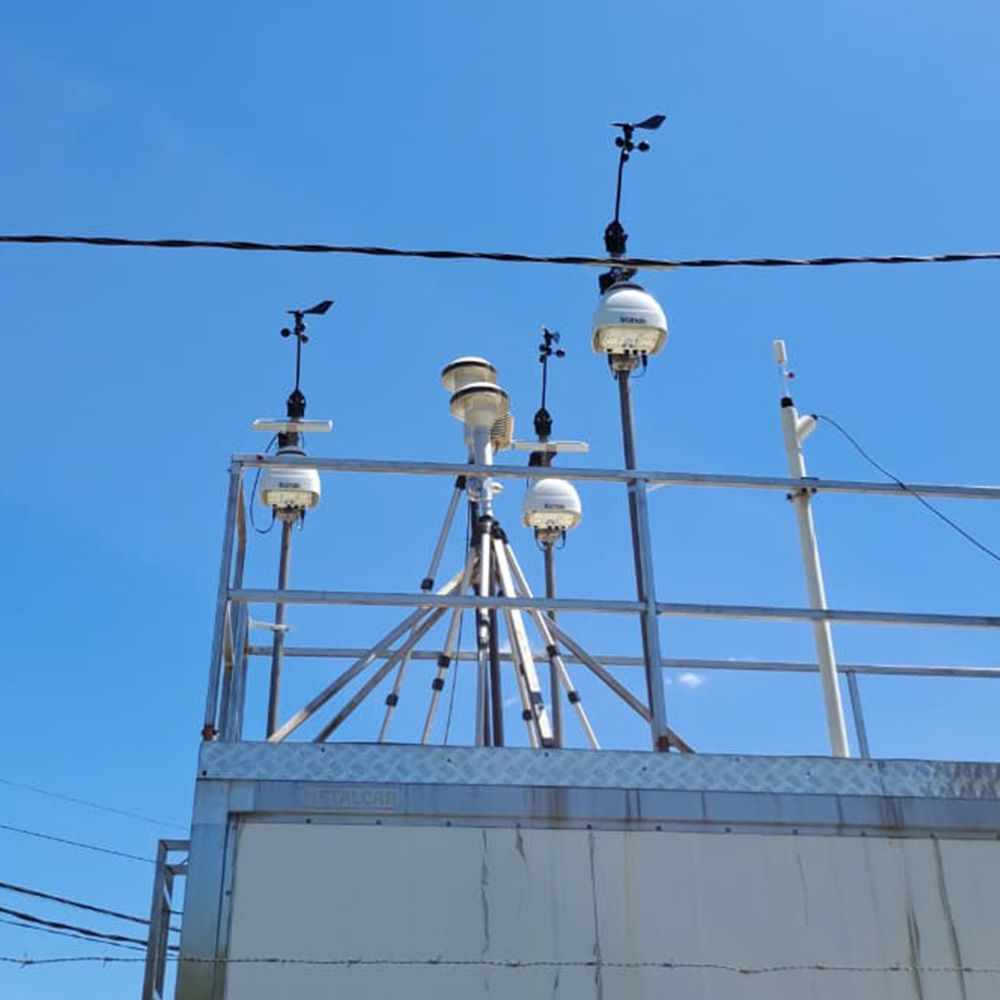
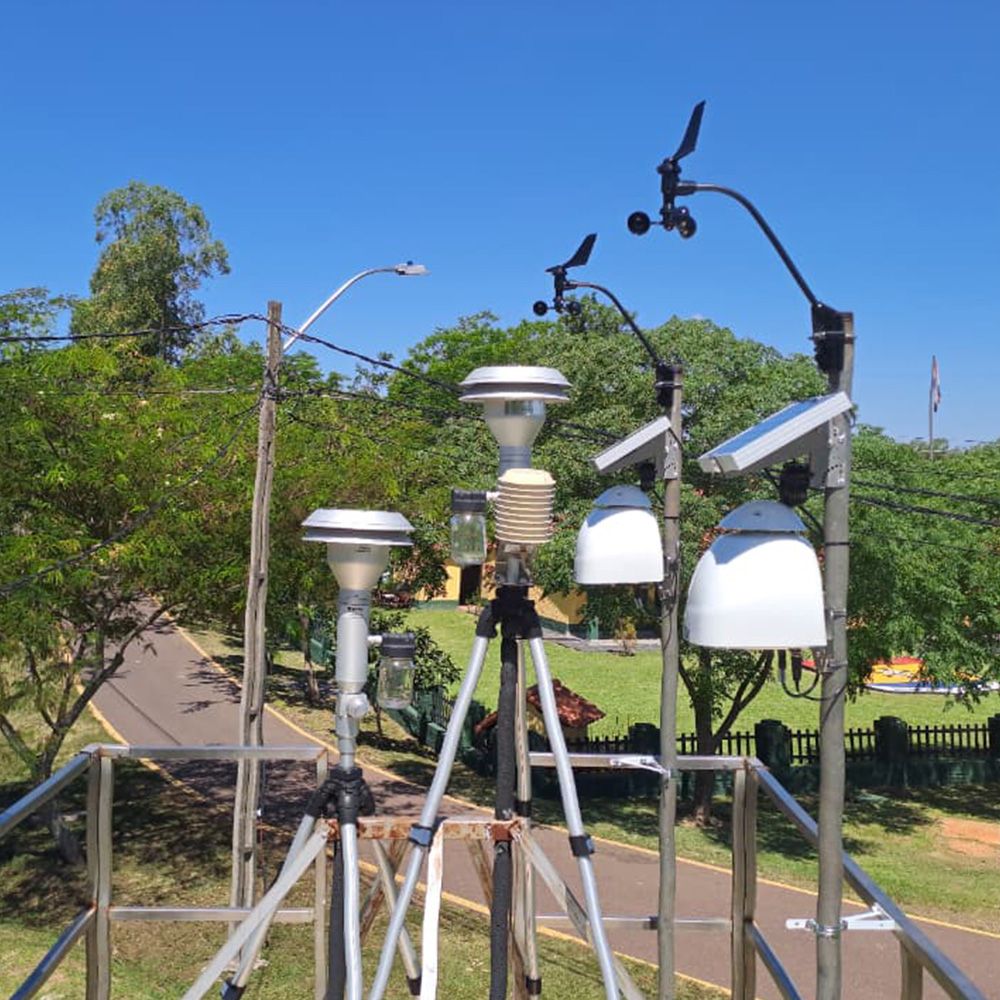
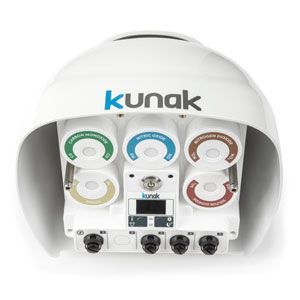
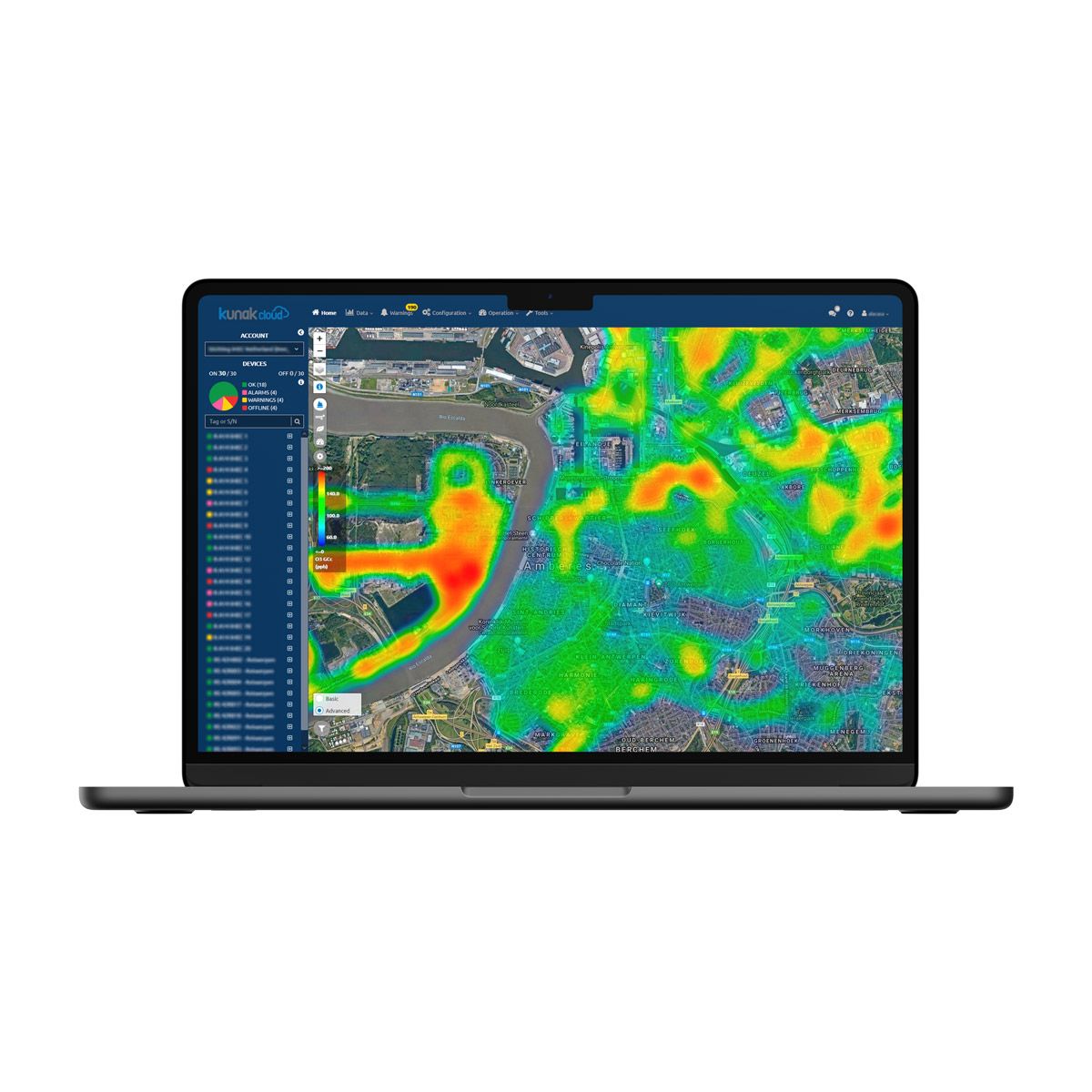
The main objective was to measure air quality in Asunción continuously, accurately and representatively, reinforcing the existing reference station network through the integration of smart sensors. This combination made it possible to create a hybrid monitoring system, capable of combining the high accuracy of reference stations with the flexibility, spatial coverage and lower operational cost of Kunak sensors.